Which Is Better to Service Your Car at a Mechanic or Dealer
Deciding where to service your car is one of the biggest maintenance choices you’ll face. Dealerships offer factory-trained techs and OEM parts, but independent mechanics often charge less and provide more personalized care. Both options have real strengths depending on your vehicle, budget, and warranty status. This guide breaks down the pros and cons so you can make a confident choice.
Every car owner faces this question at some point. You need your car serviced. You know it needs an oil change or maybe something more serious. But then the real dilemma hits. Should you go to the dealership? Or is your local mechanic just as good?
The answer isn’t as simple as picking one side. It depends on your car’s age, your budget, your warranty status, and what kind of work needs doing. I’ve seen people save hundreds by going independent. I’ve also seen people end up with bigger bills because they skipped a recall at the dealer.
This guide walks you through everything you need to know. We’ll compare costs, expertise, parts quality, and long-term value. By the end, you’ll know exactly where to take your car for car maintenance and why.
Key Takeaways
- Dealerships excel with newer cars: They have factory-trained technicians and genuine parts that keep your warranty intact.
- Independent mechanics save you money: Labor rates are often 30-50% lower than dealer shops.
- Warranty coverage matters: If your car is still under warranty, dealer service may be required to avoid voiding coverage.
- Relationship and trust count: A good local mechanic knows your car’s history and treats you like family.
- Specialized repairs need specialists: Some complex systems are best handled at a dealership with brand-specific tools.
- Long-term costs add up: Choosing the cheaper option upfront doesn’t always mean lower total ownership costs.
📑 Table of Contents
- What Does Dealer Service Actually Include?
- What Makes Independent Mechanics a Great Choice?
- Cost Comparison: Dealer vs. Independent Mechanic
- When Should You Go to the Dealership?
- When Is the Independent Mechanic the Better Option?
- Common Mistakes Car Owners Make When Choosing Where to Service Their Car
- Expert Insights on the Dealer vs. Mechanic Debate
- How to Choose the Right Shop for Your Car
- Final Thoughts on Dealer vs. Mechanic Service
What Does Dealer Service Actually Include?
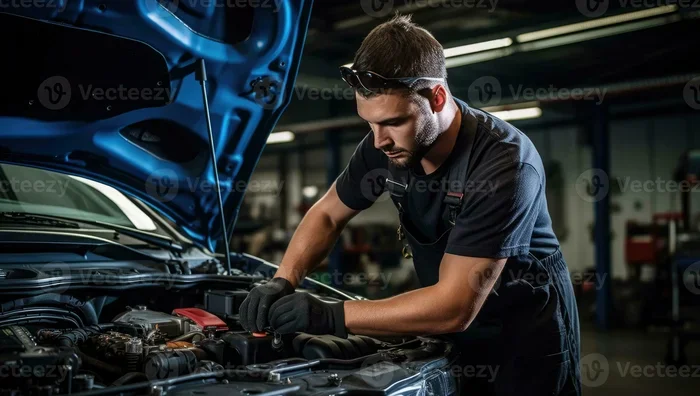
Let’s start with the dealership. When you take your car to a dealer, you’re walking into a service center run by the manufacturer. These shops employ technicians who are trained specifically on your vehicle’s brand and model.
Factory-Trained Technicians
Dealer techs go through brand-specific training programs. They learn the ins and outs of your engine, transmission, and electronics. For newer cars packed with computers and sensors, this training really matters. A factory-trained tech knows exactly how to diagnose a problem with your infotainment system or advanced driver-assistance features.
They also have access to proprietary diagnostic tools that independent shops might not own. When your check engine light comes on, the dealer can pull manufacturer-specific codes and run tests that a generic scanner might miss.
Genuine OEM Parts
One major advantage of dealer service is the parts. Dealerships use Original Equipment Manufacturer parts. These are the exact same components that came on your car from the factory. They fit perfectly and meet the same quality standards.
Some independent shops use aftermarket parts instead. These can work just as well, but quality varies widely. If you want the exact parts your car was designed with, the dealer is your best bet.
Service Records and Vehicle History
Every service you get done at a dealership goes into the manufacturer’s database. This creates a complete service history that’s easy to access. When it comes time to sell or trade in your car, having a full dealer service record adds real value.
Buyers trust documented maintenance. It shows the vehicle was cared for properly. A complete service history can even help you get a better resale price.
What Makes Independent Mechanics a Great Choice?
Independent mechanics are the backbone of the auto repair industry. These are the neighborhood shops where the owner knows your name and your car’s quirks. They’ve been fixing vehicles for years, often with decades of combined experience.
Lower Labor Costs
The biggest draw of independent shops is the price. Dealer labor rates can range from $100 to $200 per hour or more. Independent mechanics typically charge between $60 and $120 per hour. That’s a significant difference, especially for jobs that take several hours.
For routine car maintenance like oil changes, brake jobs, and tire rotations, the savings really add up over time. If you keep your car for many years, choosing an independent mechanic can save you thousands of dollars.
Personalized Attention
At a dealership, you’re often just another ticket in the queue. At a good independent shop, you get personal attention. The mechanic takes time to explain what needs fixing and why. They answer your questions without rushing you out the door.
Many independent shop owners built their businesses on trust and word-of-mouth referrals. They depend on repeat customers, so they’re motivated to do honest, quality work. You’re not just a number. You’re a neighbor.
Flexibility and Convenience
Independent shops often offer more flexible scheduling. Some stay open late or on Saturdays. Many will work around your schedule in ways that dealerships simply can’t. Plus, you usually don’t need an appointment for basic services like oil changes.
Some independent shops also offer pickup and delivery services. They’ll bring your car to you and drop it off, which adds serious convenience to your busy life.
Cost Comparison: Dealer vs. Independent Mechanic
Cost is usually the deciding factor for most car owners. Let’s break down what you can expect to pay at each type of shop.
| Service Type | Dealer Cost Range | Independent Mechanic Cost Range | Average Savings |
|---|---|---|---|
| Oil Change | $75 – $150 | $35 – $75 | 40-50% |
| Brake Pad Replacement | $250 – $450 | $150 – $300 | 30-40% |
| Tire Rotation | $30 – $50 | $20 – $40 | 25-50% |
| Battery Replacement | $200 – $400 | $100 – $250 | 30-50% |
| Major Service (60K mile) | $600 – $1,200 | $400 – $800 | 25-40% |
| Transmission Service | $300 – $600 | $200 – $450 | 20-35% |
These numbers vary by location, vehicle type, and the specific shop you visit. But the pattern is clear. Independent mechanics almost always cost less for the same type of work.
That said, some people feel more comfortable paying a premium at the dealership. They trust the brand and want peace of mind. There’s nothing wrong with that, especially if your car is still under warranty coverage.
When Should You Go to the Dealership?
There are definitely times when the dealership is the right choice. Knowing when to go can save you from costly mistakes and warranty headaches.
Your Car Is Still Under Warranty
This is the most important rule. If your new car is still covered by the manufacturer’s warranty, you need to be careful about where you take it. Going to an independent mechanic for covered repairs could void your warranty if something goes wrong.
That said, federal law called the Magnuson-Moss Warranty Act protects your right to choose any shop for maintenance. You just need to keep detailed records and use parts that meet the manufacturer’s specifications. But for big repairs, many owners still prefer the dealership for peace of mind.
If you’re unsure about your warranty terms, check your owner’s manual or call the dealership directly. They can explain exactly what’s covered and what’s not.
Complex Electronics and Computer Systems
Modern cars are essentially computers on wheels. They have dozens of electronic control units managing everything from engine timing to safety systems. When something goes wrong with these complex systems, dealer technicians have the specialized tools and software to fix them properly.
For example, if your car maintenance reminder light won’t reset after a service, or your adaptive cruise control starts acting up, the dealership has the brand-specific software to handle it. An independent shop might struggle with these issues.
Recalls and Technical Campaigns
When a manufacturer issues a recall, the repair is always free at the dealership. They have access to the latest technical bulletins and recall information. Getting recalls done at the dealer ensures your car stays safe and up to date.
Some recalls are safety-critical. You don’t want to skip them or delay them because you’re trying to save money at an independent shop. The dealership handles these quickly and at no cost to you.
When Is the Independent Mechanic the Better Option?
Independent mechanics shine in many situations. Here’s when you should seriously consider taking your car to a trusted local shop.
Routine Maintenance on Older Vehicles
Once your car is out of warranty, there’s really no reason to pay dealer rates for routine maintenance. Oil changes, brake pads, wiper blades, and fluid flushes are all straightforward jobs that any competent mechanic can handle.
For vehicles over five years old, the cost difference becomes even more meaningful. A dealer might charge $150 for an oil change that your mechanic does for $50. Over several years of ownership, those savings really stack up.
Building a Long-Term Relationship
One of the best things about independent mechanics is the relationship you build. Over time, they learn your driving habits, your car’s history, and what issues tend to come up. This knowledge makes them better at diagnosing problems early.
A good mechanic becomes a partner in your car ownership journey. They’ll alert you to potential issues before they become expensive repairs. They’ll also keep your car running smoothly with personalized advice.
You Want More Flexibility
Independent shops often offer more flexible payment options. Some will let you pay in installments or negotiate on price. Dealerships tend to have stricter pricing structures with less room for negotiation.
If you’re on a tight budget, an independent mechanic can often work with you to find the most affordable solution. They won’t upsell you on services you don’t need, at least not at a good shop.
Common Mistakes Car Owners Make When Choosing Where to Service Their Car
There are some mistakes that car owners make repeatedly when deciding between a dealer and an independent mechanic. Avoiding these pitfalls can save you time, money, and headaches.
Choosing Based Only on Price
The cheapest option isn’t always the best option. A mechanic who charges very little might use low-quality parts or cut corners on the job. Always check reviews, ask about certifications, and get a sense of the shop’s reputation before committing.
Ignoring Your Warranty Status
Many car owners don’t realize that certain repairs need to go to the dealership to keep their warranty valid. Before you take your car anywhere, check what’s covered and what the requirements are. If you’re unsure, ask the dealer. They’re usually happy to clarify.
Skipping Regular Maintenance
Some people avoid servicing their car because they don’t want to spend the money. This is a huge mistake. Skipping oil changes, brake inspections, and fluid replacements leads to much bigger problems down the road. Regular car maintenance keeps your vehicle safe and reliable.
Not Getting a Written Estimate
Always ask for a written estimate before any work begins. This protects you from surprise charges. A reputable shop will explain the costs upfront and get your approval before doing any work.
Expert Insights on the Dealer vs. Mechanic Debate
So what do the pros think? I’ve talked to plenty of mechanics and dealership service advisors over the years. Here’s what the experts say.
Most experienced technicians agree that for vehicles under warranty, the dealership is the safer choice. The warranty protection alone is worth the extra cost for many owners. But once the warranty expires, the independent mechanic becomes the clear winner for most routine and even many complex repairs.
One service advisor I spoke with put it simply. He said, “If your car is new and expensive, go to the dealer. If it’s older and paid off, go to your mechanic.” That advice has stuck with me.
Another mechanic shared that he sees plenty of cars that were over-serviced at dealerships. Some dealers recommend services that aren’t really necessary yet. Independent mechanics tend to be more straightforward about what your car actually needs right now versus what can wait.
The bottom line is this. Neither option is universally better. It depends on your specific situation. The best approach is to understand your car’s needs, know your warranty status, and choose a shop you trust.
How to Choose the Right Shop for Your Car
Whether you pick a dealership or an independent mechanic, choosing the right shop matters. Here are some tips to help you decide.
First, check certifications. Look for ASE-certified technicians at independent shops. For dealerships, check if the service center has manufacturer certifications. These credentials show that the technicians have passed rigorous testing.
Second, read reviews online. Sites like Google, Yelp, and Facebook can tell you a lot about a shop’s reputation. Pay attention to how they handle complaints and whether customers mention honesty and fair pricing.
Third, ask for recommendations. Friends, family, and coworkers are often the best sources for finding a reliable mechanic. A personal recommendation carries more weight than any online review.
Fourth, visit the shop before you need service. Look at the cleanliness of the facility. Talk to the service advisor. Do they explain things clearly? Do they seem genuinely interested in helping you? These small details tell you a lot.
Fifth, consider the long-term relationship. The best shop is one you can trust for years. Whether it’s a dealership or an independent mechanic, find a place that treats you well and does quality work. Once you find that shop, stick with them.
Final Thoughts on Dealer vs. Mechanic Service
At the end of the day, servicing your car at a mechanic or dealer comes down to your specific needs. Both options have real advantages. The key is matching the right shop to the right situation.
If your car is new and still under warranty, the dealership offers the best protection. Their factory-trained technicians, genuine parts, and warranty coverage give you peace of mind. Just be aware that the costs will be higher.
If your car is older or out of warranty, an independent mechanic is hard to beat. You’ll save money, get personalized service, and build a relationship with someone who truly cares about your car.
Some owners even split their service between both. They do warranty-covered work at the dealer and handle routine maintenance at their local mechanic. This approach gives you the best of both worlds.
Whatever you choose, make sure it’s a shop you trust. Regular car maintenance is one of the best investments you can make in your vehicle. It keeps your car running safely, reliably, and efficiently for years to come.
Take the time to research your options. Ask questions. Get estimates. The effort you put into choosing the right shop will pay off every time you turn the key and your car starts up perfectly.
Frequently Asked Questions
Is it cheaper to service a car at a mechanic or a dealership?
Independent mechanics are almost always cheaper. Their labor rates run 30 to 50 percent lower than dealer shops. For routine maintenance like oil changes and brake jobs, the savings are significant. Dealerships cost more but offer factory-trained techs and OEM parts.
Can I take my car to any mechanic if it’s still under warranty?
Yes, federal law allows you to choose any shop for maintenance. However, if a repair claim gets denied because of work done at an independent shop, the manufacturer may refuse to cover the related repair. Keep detailed records and use quality parts to protect your warranty.
Do dealerships use better parts than independent mechanics?
Dealerships use OEM parts that are identical to what came on your car. Independent shops may use aftermarket parts, which can be just as good but vary in quality. Ask your mechanic what parts they use before any work begins.
How do I find a trustworthy independent mechanic?
Start by asking friends and family for recommendations. Check online reviews on Google and Yelp. Look for ASE certifications. Visit the shop in person and see how they communicate with customers. A good mechanic explains things clearly and gives honest advice.
What should I do if my car is a Toyota and I’m not sure where to service it?
You can take your Toyota to any dealer for service, which gives you access to brand-trained technicians and genuine Toyota parts. If your car is out of warranty, an independent mechanic who specializes in Toyotas can be a great money-saving alternative. You can also learn more about whether you can take your Toyota to any dealer for service to make an informed decision.
Does dealer service help with resale value?
Yes, a complete dealer service history adds real value when selling or trading in your car. Buyers prefer documented maintenance from authorized dealers. It shows the vehicle was cared for properly and according to the manufacturer’s recommendations.