How to Manually Disengage an Electronic Parking Brake
Knowing how to manually disengage an electronic parking brake is an essential skill for every driver. Whether your EPB system has failed or you need a temporary release, this guide walks you through the process safely and simply. We cover the tools you need, step-by-step instructions, common problems, and when to call a professional.
There is nothing quite as frustrating as stepping up to your car, ready to go, and realizing the electronic parking brake will not release. You press the button, nothing happens. You try again, still nothing. It is a moment that can throw off your entire day. But here is the good news. You do not need to call a tow truck just yet. Most vehicles with an electronic parking brake, or EPB, have a manual override built right into the system. Learning how to manually disengage an electronic parking brake is easier than you might think, and it can save you time, money, and a lot of stress.
This guide is for anyone who has ever been stuck with a stuck parking brake. We will walk you through exactly what to do, what tools you need, and how to stay safe while doing it. Whether you are dealing with a dead battery, a faulty sensor, or just a stubborn brake that will not let go, we have you covered. Let us get into it.
Key Takeaways
- Manual disengagement is possible: Most electronic parking brakes have a backup release method built into the system.
- You will need basic tools: A jack, lug wrench, and sometimes a special release tool or key are all you need.
- Safety comes first: Always park on a flat surface, use wheel wedges, and consult your owner manual before attempting any release.
- Common causes include dead batteries and faulty sensors: Understanding why your EPB won’t release helps you choose the right fix.
- Know when to call a pro: If you hear grinding, smell burning, or cannot release the brake after following the steps, seek professional help immediately.
- Regular maintenance prevents issues: Keeping your brake system in good shape reduces the chance of an EPB failure on the road.
📑 Table of Contents
What Is an Electronic Parking Brake?
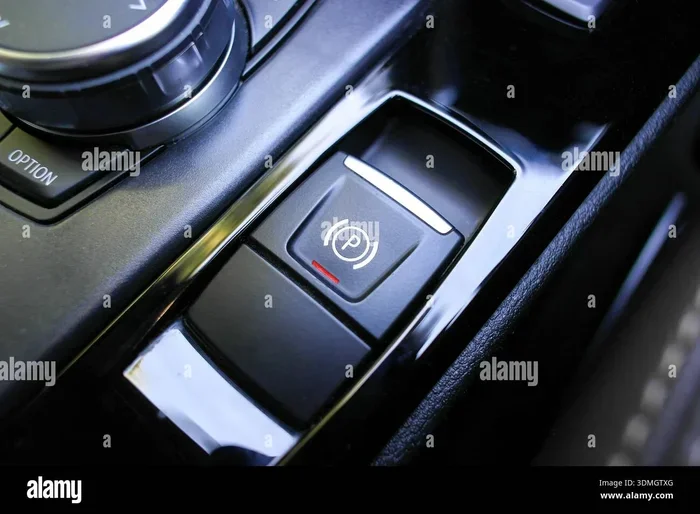
An electronic parking brake, often called an EPB, replaces the traditional hand lever or foot pedal with a button or switch. When you press the button, an electric motor activates the brake pads on your rear wheels. This holds the car in place when you park. Many modern vehicles from brands like Toyota, Ford, BMW, and Honda now come standard with this system.
The electronic parking brake offers several advantages. It takes up less space in the cabin. It is easier to operate. And in many cases, it can even engage automatically when you turn off the engine or pull the transmission into park. However, like any electronic system, it can sometimes fail. When that happens, knowing how to release it manually becomes critical.
Most people never think about their parking brake until something goes wrong. That is a mistake. Understanding how your EPB works gives you a big advantage when trouble strikes. It also helps you troubleshoot problems faster. If you ever notice your parking brake light staying on or your brake not responding, do not ignore it. Address the issue early to avoid bigger problems down the road.
Why You Might Need to Manually Disengage the EPB
There are several reasons your electronic parking brake might not release normally. Some are minor. Others require more attention. Here are the most common causes:
- Dead or weak car battery: The EPB relies on electrical power. If your battery is dead, the system cannot operate. This is the number one reason people get stuck with a locked parking brake.
- Faulty brake motor: The small motor that engages the brake can wear out or fail over time. When this happens, the brake may not release even when you press the button.
- Sensor malfunction: Your car has sensors that tell the EPB when to engage and release. If a sensor fails, the system may lock up unexpectedly.
- Software glitch: Modern vehicles run on computer systems. Sometimes a simple software error can cause the EPB to stick. A reset or battery disconnect often fixes this.
- Wiring issues: Corroded or damaged wiring between the control module and the brake motor can interrupt the signal. This prevents normal operation.
- Mechanical binding: In rare cases, the brake cable or caliper can seize up, especially in cold weather or after long periods of sitting.
No matter the cause, the solution usually starts the same way. You need to manually release the brake. The good news is that every vehicle with an EPB system includes a manual override method. Your owner manual will show you exactly where it is. Most of the time, it is located near the center console, under the armrest, or in the trunk area.
Before you attempt any manual release, make sure you understand your specific vehicle. Different manufacturers use different release mechanisms. Some require a special tool, while others use a simple hex key or Allen wrench. Always refer to your owner manual first. If you do not have it, you can usually find a digital copy on the manufacturer website.
Tools You Will Need for Manual Disengagement
You do not need a garage full of tools to manually disengage an electronic parking brake. Most of the time, you only need a few basic items. Here is what we recommend keeping in your car at all times:
- Jack and jack stands or a hydraulic lift: You may need to raise the vehicle to access the rear brakes, depending on your car.
- Lug wrench: Useful if you need to remove a wheel for better access.
- Allen wrench or hex key set: Many EPB systems use a hex bolt as the manual release point.
- Flathead screwdriver: Helpful for prying off covers or panels that hide the release mechanism.
- Flashlight: You will want good lighting to see what you are doing, especially in the trunk or under the console.
- Gloves and safety glasses: Always protect your hands and eyes when working around brake components.
You might also want to have your owner manual handy. It will show you the exact location of the release mechanism for your specific make and model. Some vehicles, like certain BMW or Audi models, have a small access hole in the trunk trim panel. Others, like many Fords and Toyotas, have a plug on the back of the brake caliper that you can remove with a hex key.
Before you start any work, make sure the car is on a flat, level surface. Engage the regular brake pedal and turn the ignition off. You do not want the car rolling while you are working underneath it. If you have wheel wedges, place them behind the front tires for extra safety. Taking these precautions might seem like extra steps, but they keep you safe and protect your vehicle from damage.
Step-by-Step Guide to Manually Disengaging the EPB
Now let us get into the actual process. Follow these steps carefully, and you should be able to release your electronic parking brake without any trouble.
Step 1: Locate the Manual Release Mechanism
Start by finding the manual override. For most vehicles, this is located at the rear of the car, near the brake calipers. Open the trunk or liftgate and look for a small rubber plug or plastic cover on the back of the brake caliper. Remove the cover to reveal a hex bolt or a small square shaft. This is your manual release point.
In some vehicles, the release mechanism is located under the center console. Check behind a small panel near the shifter or in the storage compartment. Your owner manual will confirm the exact location. Take your time and do not force anything. If a cover is stuck, try gently prying it with a flathead screwdriver.
Step 2: Prepare the Vehicle
Turn the ignition to the “On” or “Accessory” position. You need power for the EPB system to respond, even during a manual release. Some vehicles require the ignition to be fully on. Check your owner manual to confirm. Make sure the transmission is in “Park” if you are working in a driveway or garage.
Put on your gloves and safety glasses. Have your tools ready. You want everything within arm’s reach before you start working on the brake components.
Step 3: Insert the Tool and Rotate
Take your Allen wrench or hex key and insert it into the release slot on the caliper. Turn it clockwise or counterclockwise, depending on your vehicle. You will feel resistance at first, and then the brake should start to release. You may hear a clicking or snapping sound as the mechanism disengages.
Do not use excessive force. If the tool does not turn easily, stop and double-check that you have the right size wrench and the correct direction. Forcing it can strip the bolt or damage the caliper. If it will not budge, move on to the next step or consider calling a professional.
Step 4: Check the Brake Status
Once you have turned the release tool, try pressing the EPB button on the console. If the brake releases normally, you are good to go. If it does not, try turning the release tool a little more. Sometimes the brake pads need a small additional turn to fully disengage.
After the brake is released, start the engine and try driving slowly. Listen for any unusual sounds. Feel for any pulling or vibration. If everything feels normal, you have successfully completed the manual disengagement.
Step 5: Reinstall the Cover and Clean Up
Put the rubber plug or plastic cover back in place. Make sure it is secure. Clean up your tools and check the area around the caliper for any debris. Take a moment to wipe down the area so dirt and grime do not build up around the release mechanism.
If you had to raise the vehicle with a jack, lower it carefully. Remove the wheel wedges and give the brakes a few gentle pumps to make sure everything is working properly.
Common Problems and Quick Fixes
Sometimes the manual release works, but the problem keeps coming back. Here are a few common issues and what you can do about them:
- The EPB light stays on after release: This usually means the system has not fully reset. Try disconnecting the car battery for 10 to 15 minutes, then reconnect it. This often clears the error and resets the system.
- The brake engages again after release: This could indicate a failing brake motor or a wiring issue. Have the system inspected by a mechanic as soon as possible.
- The release tool does not fit: Double-check your vehicle model and year. The size of the hex bolt can vary between manufacturers. A quick search online for your specific model should give you the right size.
- The brake feels stiff when releasing: This can happen if the brake pads have been sitting for a long time. A little penetrating oil on the caliper bolts can help loosen things up.
If you find yourself dealing with recurring EPB problems, it might be worth checking your brake system maintenance schedule. Worn brake pads, low brake fluid, or corroded connections can all contribute to electronic parking brake failures. Regular inspections go a long way in preventing these issues.
When to See a Professional
Manual disengagement is a great temporary fix, but it is not a permanent solution. There are times when you should absolutely leave the work to a professional. Here are the signs that it is time to call a mechanic:
- You hear grinding or metal-on-metal sounds: This could mean the brake pads are completely worn or the caliper is damaged. Driving on compromised brakes is dangerous.
- The brake will not release at all: If you have tried the manual release and the brake is still engaged, do not force the vehicle to move. You risk damaging the brake system further.
- You smell burning or notice smoke: This is a serious sign that the brake is dragging and overheating. Pull over safely and call for assistance.
- The problem keeps coming back: A one-time fix might be a fluke. Repeated failures point to an underlying issue that needs professional diagnosis.
- You are not comfortable working on brakes: There is no shame in this. Brake systems are critical to your safety. If you are unsure, let an expert handle it.
A qualified mechanic has the tools, training, and diagnostic equipment to properly identify and fix EPB problems. They can check the brake motor, the control module, and the wiring harness. They can also perform a full brake inspection to make sure everything else is in good shape. Think of it this way. A professional inspection might cost you a little time and money upfront, but it can save you from much bigger expenses and safety risks later.
While you are at the shop, it is a great idea to ask them to check other brake components too. If you have been putting off an oil change or a brake pad inspection, now is a good time to ask. Regular maintenance keeps your entire brake system healthy and reduces the chances of an unexpected EPB failure. Many drivers also find it helpful to learn about brake pad replacement basics so they can recognize warning signs early.
Preventing Future EPB Problems
The best way to deal with an electronic parking brake issue is to avoid one in the first place. Here are some simple habits that can keep your EPB working smoothly for years:
- Use the EPB regularly: Do not leave it engaged for months at a time. Regular use keeps the motor and mechanisms lubricated and functioning properly.
- Keep your battery healthy: A weak battery is the leading cause of EPB problems. Have your battery tested regularly, especially before long trips or during extreme weather.
- Watch for warning signs: If your EPB button feels different, if the light stays on, or if you notice any unusual behavior, get it checked right away.
- Follow your maintenance schedule: Regular brake inspections and fluid changes keep the entire system in top shape. Ask your mechanic to check the EPB components during every service visit.
- Keep the area clean: Dirt, mud, and road salt can corrode the release mechanism and the wiring. Rinse the underside of your car regularly, especially in winter.
Taking these small steps can make a big difference. A well-maintained electronic parking brake gives you peace of mind every time you park. And if you ever do run into trouble, you will know exactly what to do.
Final Thoughts
Learning how to manually disengage an electronic parking brake is one of those skills that you hope you never need but are really glad to have when you do. It is simple, it is safe, and it can get you back on the road in minutes. The key is to stay calm, follow the steps carefully, and know your limits.
Always keep your owner manual accessible. Keep the right tools in your car. And never hesitate to call a professional if something does not feel right. Your safety and the safety of others on the road always come first. With the knowledge in this guide, you are now better prepared to handle an EPB issue if one ever comes up. Drive safe, stay informed, and keep your brakes in great shape.
Frequently Asked Questions
Can I drive with the electronic parking brake partially engaged?
No, you should not. Driving with the EPB partially engaged can cause excessive wear on the brake pads and overheat the brake motor. If you notice the parking brake light on while driving, pull over safely and address the issue before continuing.
How do I know if my electronic parking brake motor is failing?
Common signs include a slow or hesitant release, a grinding noise when the brake engages or releases, and the EPB warning light staying on. If you notice any of these symptoms, have the system inspected by a mechanic as soon as possible.
What should I do if the EPB release tool is stuck?
Do not force the tool. Apply a small amount of penetrating oil to the release mechanism and wait a few minutes. Try again gently. If it still will not move, consult a professional mechanic to avoid causing damage to the caliper or brake components.
Is it safe to manually disengage the parking brake on a hill?
It is not recommended. Always perform a manual EPB release on a flat, level surface. If you are on a hill, use wheel wedges and call for roadside assistance. Attempting to release the brake on a slope increases the risk of the vehicle rolling.
Will manually disengaging the EPB damage my car?
When done correctly, it should not cause any damage. However, using excessive force or the wrong tools can harm the caliper or release mechanism. Always follow the steps in your owner manual and use the correct size wrench or tool.
How often should I have my EPB system inspected?
Most manufacturers recommend an EPB inspection as part of your regular brake maintenance schedule, typically every 12,000 to 15,000 miles. If you notice any unusual behavior from your parking brake, do not wait for your next scheduled service. Have it checked immediately.