Is 60 Too Much for an Oil Change or Too Expensive
So, is 60 too much for an oil change? For many drivers, $60 falls right in the middle of the typical oil change price range, which spans from about $35 to $75 or more. The answer depends heavily on the type of oil used, your vehicle model, and where you get the service done. This guide walks you through everything you need to know about oil change costs so you can make a smart decision.
Let us talk about something every car owner deals with eventually: the oil change bill. You pull up to the service counter, they tell you the price, and your brain does a quick calculation. Is this normal? Am I being ripped off? Should I just do it myself next time?
Here is the thing. Is 60 too much for an oil change is one of the most common questions drivers ask. And the honest answer is: it depends. A lot rides on what kind of oil your car needs, where you go, and what other services are bundled in. But let us break this down together so you never have to wonder again.
Understanding oil change pricing is one of the easiest ways to take control of your vehicle maintenance costs. Once you know what goes into the price, you can make confident decisions every time you need service. No surprises. No overpaying. Just smart choices.
Key Takeaways
- Average oil change cost: Most oil changes range from $35 to $75, making $60 a very typical price point.
- Oil type matters: Synthetic oil changes cost more than conventional oil changes, often adding $15 to $25 to the total.
- Location affects price: Quick lube shops tend to be cheaper than dealerships, but dealerships sometimes offer free oil changes with maintenance plans.
- You can negotiate: Many shops are willing to work with you on pricing, especially if you ask or use a coupon.
- DIY saves money: Changing your own oil can cut the cost in half or more if you are comfortable doing it.
- Don’t skip oil changes: Skipping oil changes can lead to expensive engine damage that costs far more than the oil change itself.
📑 Table of Contents
What Does an Oil Change Actually Cost?
The oil change cost varies quite a bit depending on several factors. There is no single price that fits every vehicle and every situation. But here is a general picture of what you can expect.
Conventional Oil Change Prices
If your vehicle uses conventional oil, you are usually looking at a lower price tag. Most quick lube oil change shops charge between $35 and $55 for a standard conventional oil change. This includes the oil, a new filter, and basic labor. Some places even offer oil change coupon deals that bring the price down further.
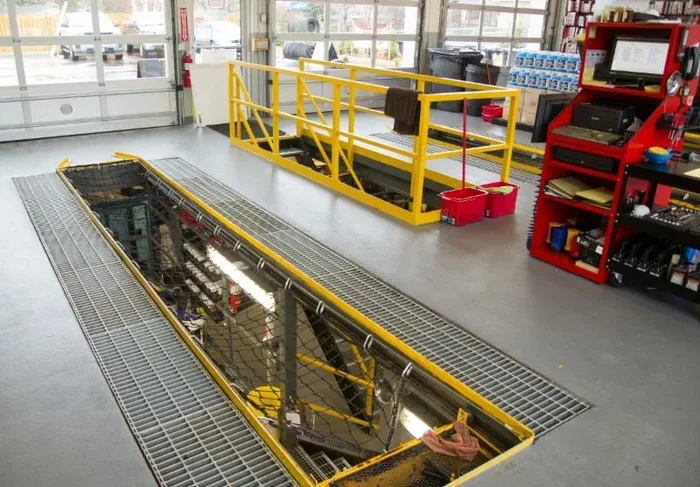
At places like Jiffy Lube or similar quick service shops, the process is fast. You drive up, they handle everything, and you are out in about 15 to 30 minutes. This convenience comes at a modest premium compared to doing it yourself, but most people find it well worth the time saved.
Synthetic Oil Change Prices
Now, if your car needs synthetic oil, expect to pay more. Synthetic oil change prices typically range from $55 to $85 or even higher for some luxury vehicles. Synthetic oil costs more to manufacture, and it lasts longer, which is part of why it carries a higher price tag.
Many newer vehicles, especially turbocharged engines and European models, require synthetic oil. If your owner’s manual specifies synthetic, there is no real way around the higher cost. You can, however, compare prices across different shops to find the best deal.
High Mileage Oil Change Prices
If your car has seen a lot of miles, you might need a high mileage oil change. These use specially formulated oils that help protect older engines. The price usually falls between conventional and full synthetic, often ranging from $45 to $65.
High mileage oils contain additives that help reduce oil burn-off and seal leaks. For vehicles with over 75,000 miles, this can be a smart investment. It is not the most expensive option, but it is not the cheapest either.
Why Does an Oil Change Cost So Much?
It is easy to look at a $60 oil change bill and think something seems off. But when you understand what goes into that number, it starts to make more sense. Here is a breakdown of the main cost drivers.
The Oil Itself
Oil is the biggest variable. A quart of conventional oil costs around $4 to $8, while a quart of full synthetic can run $10 to $20. Most cars take 4 to 6 quarts, so the oil alone can account for $15 to $30 of your total bill.
Synthetic blends fall somewhere in the middle. They offer better protection than conventional oil at a lower price than full synthetic. If you want a middle ground, a blend might be the right choice for your budget and your engine.
Oil Filters
A quality oil filter typically costs between $5 and $15. Some shops include the filter in their package price, while others list it separately. Do oil filters really last 10 changes? Not usually. Most experts recommend replacing the filter every time you change the oil, which is what most shops do by default.
Cheaper filters might save a few dollars upfront, but they may not trap contaminants as effectively. For the health of your engine, sticking with a reputable brand is worth the small extra cost.
Labor and Overhead
Labor is the part of the bill most people do not think about. Even though an oil change is a relatively quick job, the shop still has to pay for the technician’s time, the bay space, and all the equipment. Quick lube shops operate on thin margins, so they need volume to stay in business.
Dealerships tend to charge more for labor because their overhead is higher. They have specialized training, factory diagnostic tools, and a reputation to maintain. That does not mean they are overcharging, but it does mean their prices reflect their business model.
Additional Services
Sometimes the price goes up because extra services are included. Many shops check tire pressure, top off fluids, inspect the air filter, and look at the brakes as part of a standard oil change package. These add-ons can be genuinely helpful, but they also add to the final bill.
If you are wondering about the do mechanics check transmission fluid during an oil change, the answer is: it depends on the shop. Some include it as a courtesy check, while others will only do it if you ask or if there is an additional fee. Always ask what is included before you approve the work.
Is $60 Too Much? Breaking Down the Numbers
Now let us get to the heart of the question. Is 60 too much for an oil change or too expensive for your situation? Let us look at this from a few different angles.
The Quick Lube Perspective
At a quick lube shop, $60 is a very reasonable price for a synthetic oil change. For a conventional oil change, it might feel a bit high, but not unreasonable if they throw in extra services like a fluid top-off or a multi-point inspection. If you are paying $60 for a conventional oil change with no extras, you might want to shop around.
Places like Jiffy Lube and similar chains often run promotions. You might find that you can just drive up to Jiffy Lube for an oil change and pay closer to $45 to $55 if you catch a deal. Signing up for their loyalty program can also knock a few dollars off each visit.
The Dealership Perspective
Dealership oil changes tend to run higher, often between $65 and $125. At $60, a dealership price would actually be on the low end. Some dealerships offer free oil changes as part of a maintenance package or for new vehicle purchases. If you are wondering are oil changes free at Toyota or other brands, the answer is sometimes yes, especially for newer vehicles under warranty.
One thing to keep in mind: can I take my Toyota to any dealer for service? Yes, you can take your Toyota to any authorized dealer, not just the one where you bought it. This gives you more flexibility to find the best pricing across different locations.
The DIY Perspective
If you do the oil change yourself, $60 starts to look very expensive. A DIY oil change typically costs between $20 and $40 in supplies, depending on the oil and filter you choose. You will need a few basic tools, but most car owners can handle the job in under an hour.
The trade-off is your time and effort. You also need to dispose of the old oil properly, which most auto parts stores will accept for free. If you value your weekend time more than saving $20 to $30, paying $60 for a professional oil change is a perfectly valid choice.
Comparison Table: Oil Change Costs by Venue
| Venue | Conventional Oil | Synthetic Oil | Typical Wait Time |
|---|---|---|---|
| Quick Lube Shop | $35 – $55 | $55 – $75 | 15 – 30 min |
| Dealership | $65 – $95 | $85 – $125 | 30 – 60 min |
| Independent Garage | $30 – $50 | $50 – $70 | 20 – 45 min |
| DIY | $20 – $35 | $30 – $50 | 45 – 90 min |
As you can see, $60 sits comfortably in the middle for most venues. It is not a rip-off price, and it is not a steal either. It is right in the sweet spot where most drivers land.
How to Save Money on Your Next Oil Change
Saving money on oil changes is easier than most people think. You do not have to become a mechanic or sacrifice quality. Here are some practical strategies that actually work.
Use Coupons and Loyalty Programs
Almost every major chain offers coupons, either through their website, email newsletter, or app. Signing up is free and can save you $5 to $15 per visit. Some shops also offer loyalty programs where every fifth oil change is free or discounted.
Do a quick search before you book. You might find a oil change coupon that knocks the price down to $45 or $50. That alone could bring a $60 bill down to a more comfortable range.
Ask About Bundle Deals
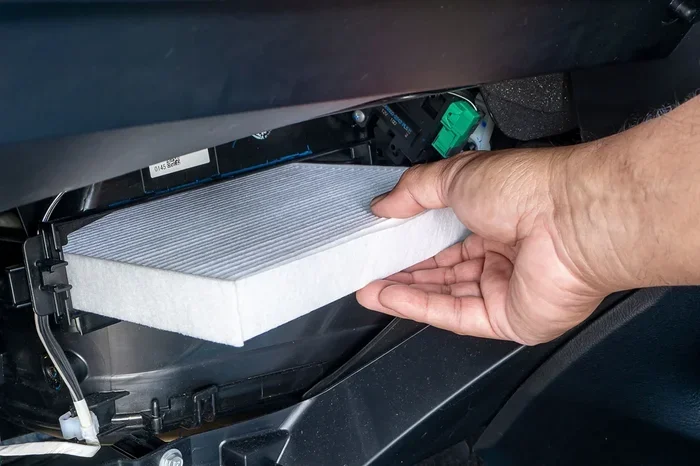
Many shops offer bundle deals that include the oil change plus other services at a discounted rate. If you are due for a tire rotation or a cabin air filter replacement, bundling can save you money compared to getting each service separately.
Just make sure you actually need the extra services. There is nothing wrong with declining services you do not want. A good shop will respect your choice and not pressure you into unnecessary work.
Check for Manufacturer Rebates
Some car manufacturers offer rebates or reimbursement for maintenance services, including oil changes. These are often available through the brand’s website or your local dealership. If you drive a Toyota, Honda, or other popular brand, it is worth checking if any rebates are currently available.
Consider the Oil Change Interval
One of the biggest ways to save is to follow the right oil change interval for your vehicle. Changing your oil too frequently wastes money. Changing it too infrequently can damage your engine. Most modern cars can go 5,000 to 7,500 miles between changes with synthetic oil.
If you are wondering can I go 2 years between oil changes, the answer is generally no, even with synthetic oil. Most manufacturers still recommend changing oil at least once a year, even if you have not hit the mileage interval. Stick to the schedule in your owner’s manual.
Negotiate the Price
Here is something many people do not know: you can often negotiate the price of an oil change. Independent shops and even some chains are willing to work with you, especially if you are a regular customer or if you bring in a competitor’s printed ad with a lower price.
It never hurts to ask. The worst they can say is no, and at that point you can simply go somewhere else. But many times, a small discount is available if you just ask for it.
When to Skip the Dealership and Go Elsewhere
Dealerships are great for many things, but getting the cheapest oil change is not always one of them. Here is when it makes sense to take your business elsewhere.
If your vehicle is out of warranty, there is usually no benefit to going to the dealership for an oil change. You can get the same quality of service at a lower price from an independent shop or a chain. The dealership oil change cost is often higher simply because of their overhead and brand positioning.
That said, if your car is still under warranty, check the warranty terms. Some manufacturers require you to get oil changes at the dealership to keep the warranty valid. If that is the case, you may not have a choice, but you can still ask about any free or discounted oil change programs they offer.
Also, if you have a Toyota BZ4X or another electric or hybrid vehicle, the maintenance needs are different. Electric vehicles do not need traditional oil changes, which eliminates this cost entirely. If you are curious about tax incentives for electric vehicles, you might want to look into whether you can get a tax credit for a Toyota BZ4X, as that could offset other ownership costs.
The Bottom Line on Oil Change Pricing
So, is 60 too much for an oil change? For most drivers, in most situations, the answer is no. $60 is a fair and reasonable price for a quality oil change, especially if you are using synthetic oil or getting additional services included in the package.
The key is to be an informed consumer. Know what your vehicle needs, compare prices in your area, use coupons when available, and do not be afraid to ask questions. A good oil change service should leave you feeling confident that you got quality work at a fair price.
Your car is one of your biggest investments. Taking care of it with regular oil changes is one of the simplest and most effective ways to protect that investment. Whether you pay $40 or $60, the real cost is what you save by avoiding expensive engine repairs down the road.
Next time you are wondering about the price, remember this: a $60 oil change today can prevent a $3,000 engine rebuild tomorrow. That is not an expense. That is a smart investment in your vehicle and your peace of mind.
Stay on top of your maintenance schedule, keep an eye out for deals, and never let the cost of a simple oil change keep you from taking care of your car. Your engine will thank you for it.
Frequently Asked Questions
Is $60 a good price for an oil change?
Yes, $60 is generally a good price for an oil change. It falls right in the middle of the typical range and works well for both conventional and synthetic oil changes. If you are getting a synthetic oil change at a quick lube shop, $60 is actually on the lower end of what you might pay.
How often should I get an oil change?
Most modern vehicles can go between 5,000 and 7,500 miles between oil changes when using synthetic oil. Check your owner’s manual for the manufacturer’s specific recommendation. Some newer cars can even go 10,000 miles, but changing oil at least once a year is a good rule of thumb.
Can I negotiate the price of an oil change?
Absolutely. Many shops, especially independent garages, are willing to negotiate. You can also ask about available discounts, loyalty programs, or competitor price matching. It never hurts to ask, and you might save $5 to $15 on the service.
Does Toyota offer free oil changes?
Some Toyota dealerships offer free oil changes as part of a maintenance package or for new vehicle buyers. You can also check if your Toyota is still under a maintenance plan that covers oil changes at no cost. It is always worth asking your dealer what programs are available.
What is the difference between conventional and synthetic oil?
Conventional oil is refined from crude oil and is less expensive, while synthetic oil is chemically engineered for better performance and longer life. Synthetic oil costs more upfront but can extend the time between oil changes, which may save you money over the long run.
Can skipping oil changes cause engine overheating?
Yes, skipping oil changes can lead to engine overheating. Old oil breaks down and loses its ability to lubricate and cool the engine properly. This can cause increased friction, overheating, and eventually serious engine damage. Keeping up with your oil change schedule is one of the cheapest ways to protect your engine.
=== CONCLUSION ===
Understanding oil change pricing puts you in the driver’s seat. When someone asks is 60 too much for an oil change, you now have the knowledge to answer with confidence. The price is fair, the range is normal, and the investment pays off every time you turn the key and your engine runs smoothly.
Stay proactive about your vehicle maintenance. Use coupons, compare prices, and never skip an oil change just to save a few dollars. Your car will run better, last longer, and save you money in the long run. That is a win for everyone.