How to Finance a Haval SUV With Flexible Payment Options
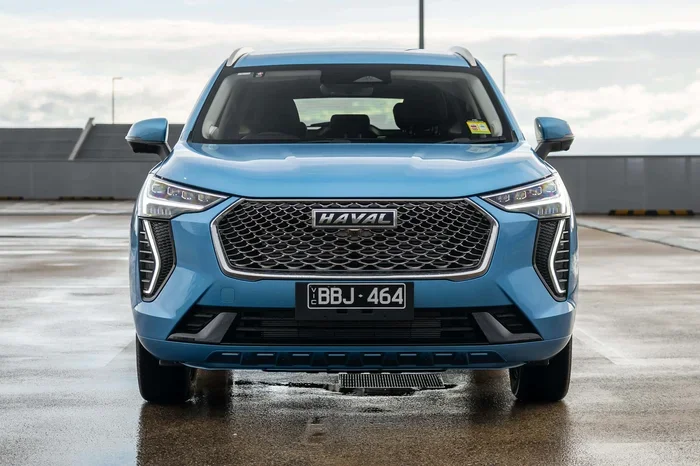
Financing a Haval SUV is easier than most buyers think. With flexible payment options like low-rate loans, lease deals, and customizable terms, you can drive a Haval SUV without breaking the bank. This guide walks you through every step, from pre-approval to signing the final paperwork.
Buying a Haval SUV is a smart move. These vehicles offer great value, strong performance, and modern features. But figuring out how to pay for one can feel confusing. There are so many options, and the process can seem overwhelming at first.
The good news? Financing a Haval is simpler than you might think. Whether you have excellent credit or are building it from scratch, there is a payment plan that works for you. This guide breaks everything down into clear, easy steps. You will learn about loan options, lease deals, and how to get the best rate possible.
Let us walk through the entire process together. By the end, you will feel confident and ready to make a smart financial decision. No jargon, no pressure, just practical advice you can use right away.
Key Takeaways
- Multiple Financing Options: You can choose from loans, leases, and dealer financing to fit your budget.
- Pre-Approval Saves Time: Getting pre-approved before visiting a dealer gives you negotiating power.
- Flexible Payment Plans Exist: Haval offers various term lengths and payment structures.
- Credit Score Matters: A higher score unlocks better interest rates and lower monthly payments.
- Compare Offers: Always shop around to find the best deal on your Haval SUV financing.
📑 Table of Contents
- Understanding Haval SUV Financing Options
- How to Get Pre-Approved for a Haval Loan
- Choosing the Right Payment Plan for Your Budget
- Flexible Payment Options That Work for You
- Tips for Getting the Best Financing Deal on a Haval
- Common Mistakes to Avoid When Financing a Haval
- Expert Insights on SUV Financing
- Conclusion
Understanding Haval SUV Financing Options
Before you sign anything, it helps to know what options exist. Haval financing comes in several forms, and each has its own benefits. Let us look at the main choices available to buyers today.
Traditional Auto Loans
A traditional auto loan is the most common way to finance a vehicle. You borrow a set amount from a bank, credit union, or the dealer. Then you pay it back over time with interest. Most Haval SUV loans range from 36 to 84 months. Shorter terms mean higher monthly payments but less interest paid overall. Longer terms spread the cost out but cost more in the long run.
Here is a quick comparison of loan term options:
- 36 months: Highest monthly payment, lowest total interest.
- 48 months: Balanced payment and interest cost.
- 60 months: Lower monthly payment, moderate interest.
- 72-84 months: Lowest monthly payment, highest total interest.
Lease Options for Haval SUVs
Leasing is another popular choice. When you lease, you pay for the vehicle’s depreciation during the lease period. This usually means lower monthly payments compared to a loan. You can also lease a used vehicle to save even more money. Leases typically last 24 to 48 months. At the end of the lease, you return the vehicle or buy it outright.
Leasing works well if you like driving a new vehicle every few years. It also keeps your monthly costs low. However, you do not build equity in the vehicle. Think of it like renting with an option to buy later.
Dealer Financing vs. Bank Loans
Dealers often offer their own financing through partner lenders. This can be convenient because everything happens in one place. But dealer financing sometimes comes with higher interest rates. Bank loans and credit union loans may offer better terms. It is always wise to compare both options before deciding.
One advantage of dealer financing is promotional rates. Haval dealers sometimes run special offers with 0% APR for qualified buyers. These deals can save you thousands of dollars. Just make sure you read the fine print carefully.
How to Get Pre-Approved for a Haval Loan
Getting pre-approved is one of the smartest steps you can take. It tells you exactly how much you can borrow before you walk into a dealership. This gives you a clear budget and strong negotiating position.
What Pre-Approval Means
Pre-approval is a conditional commitment from a lender. They review your credit score, income, and debt to determine how much they will lend you. The result is a specific loan amount and interest rate. This rate is usually locked in for a set period, typically 30 to 60 days.
Pre-approval does not mean you are guaranteed the loan. Final approval happens after the lender verifies the vehicle details. But having a pre-approval in hand makes the whole process smoother and faster.
Steps to Get Pre-Approved
- Check your credit score for free through your bank or a credit monitoring service.
- Gather proof of income, such as pay stubs or tax returns.
- Gather proof of residence, like a utility bill or lease agreement.
- Apply online or in person with your preferred lender.
- Review the loan offer, including the interest rate and term length.
- Accept the pre-approval if the terms work for you.
Most lenders make this process quick and simple. Many online applications take less than 15 minutes. You can apply with multiple lenders to compare offers without harming your credit score too much.
Why Pre-Approval Gives You an Edge
When you walk into a dealership with a pre-approval, you are not starting from zero. The dealer knows you are a serious buyer. You can focus on negotiating the vehicle price rather than the financing details. This puts you in a much stronger position.
Choosing the Right Payment Plan for Your Budget
Not all payment plans are created equal. The right plan depends on your income, expenses, and financial goals. Let us explore how to choose a plan that fits your life comfortably.
Calculating Your Monthly Budget
Start by looking at your monthly income and expenses. Your car payment should ideally stay below 15% of your take-home pay. This leaves room for insurance, gas, maintenance, and other costs. A payment that is too high can strain your entire budget.
Here are some quick tips for budgeting:
- Add up all your fixed monthly expenses first.
- Subtract them from your monthly income.
- Use the remaining amount to set a car payment ceiling.
- Factor in insurance costs, which vary by vehicle and driver.
- Leave a small buffer for unexpected expenses.
Adjusting the Down Payment
The down payment you make affects everything else. A larger down payment reduces the loan amount and lowers your monthly payment. It also reduces the total interest you pay over the life of the loan. A common recommendation is to put down at least 20% of the vehicle price.
However, not everyone can put 20% down. Even a smaller down payment is better than none. Some lenders offer loans with as little as 0% down. The key is to find a balance that works for your situation without stretching too thin.
Understanding Interest Rates
Your interest rate directly impacts the total cost of your loan. Higher rates mean you pay more over time. Lower rates save you money. Several factors influence your rate:
- Credit score: Higher scores qualify for lower rates.
- Loan term: Longer terms sometimes carry slightly higher rates.
- Down payment amount: A larger down payment can lower your rate.
- Lender type: Banks, credit unions, and online lenders all have different rates.
Shopping around for the best interest rate can save you hundreds or even thousands of dollars. Do not just accept the first offer you receive.
Flexible Payment Options That Work for You
One of the biggest advantages of modern auto financing is flexibility. Lenders and manufacturers understand that everyone’s financial situation is different. That is why Haval offers several flexible payment options to choose from.
Bi-Weekly Payments
Instead of making one payment per month, you make a payment every two weeks. This results in 26 half-payments per year, which equals 13 full monthly payments. Over time, you pay off the loan faster and save on interest. Bi-weekly payments are a great option if you get paid every two weeks.
Adjustable Payment Schedules
Some lenders offer the ability to adjust your payment schedule. You might skip a payment during a low-income month or make extra payments when you have extra cash. This flexibility helps you stay on track without feeling locked in. Always confirm with your lender that extra payments reduce the principal and not just next month’s payment.
How to Pay Directly To Principal
Making extra payments toward the principal balance is one of the smartest moves you can make. When you pay extra toward the principal, you reduce the loan balance faster. This means less interest accrues over the remaining term. If you want to learn more about this strategy, check out how to pay directly to principal for detailed guidance.
Even small extra payments add up over time. For example, adding just $50 extra to each monthly payment can shave months off your loan term. It is a simple habit that pays off significantly in the long run.
Refinancing Your Haval Loan
If your financial situation changes after you finance your Haval, refinancing is an option. Refinancing replaces your current loan with a new one, usually at a lower interest rate. This can lower your monthly payment and reduce the total cost of the loan. You might refinance if your credit score improves or if market rates drop.
It is important to consider any refinancing fees. Some lenders charge origination fees or early payoff penalties. Weigh the savings against the costs to make sure refinancing makes sense for you.
Tips for Getting the Best Financing Deal on a Haval
Now that you understand the options, let us talk about how to get the best deal. A little preparation goes a long way when it comes to financing a Haval SUV.
Check Your Credit Before You Shop
Your credit score is the single biggest factor in your financing terms. Check your score at least a month before you plan to buy. If it is lower than you hoped, take time to improve it. Pay down existing debt, correct any errors on your credit report, and avoid opening new accounts. Even a small improvement in your score can lead to a significantly better interest rate.
Get Multiple Quotes
Never settle for the first financing offer you receive. Get quotes from at least three different lenders. Compare the interest rates, monthly payments, and total cost of each loan. Remember that the lowest monthly payment is not always the best deal. A longer term might lower your payment but cost more in interest over time.
Negotiate the Vehicle Price First
Focus on negotiating the vehicle price before discussing financing. A lower purchase price means a lower loan amount, which means lower payments and less interest. Once you agree on the price, then discuss financing terms. This order of operations gives you the most leverage.
Watch for Hidden Fees
Dealers sometimes add fees that inflate the total cost of your loan. These can include documentation fees, extended warranty charges, and add-on products. Always ask for a full breakdown of all fees before signing. If a fee seems unreasonable, negotiate it away.
Consider the Total Cost, Not Just the Monthly Payment
A low monthly payment can be tempting. But if it stretches the loan term to 84 months, you will pay much more in interest. Always calculate the total cost of the loan before agreeing to terms. A slightly higher monthly payment on a shorter term often saves you real money.
Common Mistakes to Avoid When Financing a Haval
Even the best buyers can make mistakes during the financing process. Knowing what to avoid can save you time, money, and stress.
Skipping the Fine Print
Always read the entire loan agreement before signing. Look for details about interest rates, fees, prepayment penalties, and insurance requirements. If anything seems unclear, ask the lender to explain it in plain language. You should never feel pressured to sign without understanding every term.
Focusing Only on Monthly Payments
Dealers sometimes focus on monthly payments to make a deal look attractive. But a low payment spread over a long term costs more overall. Always ask about the total loan cost and the interest rate. These numbers tell the real story of your financing deal.
Buying More Vehicle Than You Need
It is easy to get excited about extra features and higher trim levels. But every upgrade adds to the loan amount. Stick to the features you truly need and will use regularly. A base model Haval SUV with the essentials is often a smarter financial choice than a fully loaded version.
Ignoring the Total Ownership Cost
The purchase price is only part of the cost. Insurance, fuel, maintenance, and registration fees all add up over time. Haval vehicles are generally affordable to maintain, but costs still vary by model and trim. Factor in these ongoing expenses when choosing your financing plan.
Expert Insights on SUV Financing
Financing a vehicle is one of the most common financial decisions people make. Industry experts agree on a few key principles that can help any buyer get a better deal.
First, always finance through your own lender if possible. This gives you a clear baseline to compare against dealer offers. Second, keep your loan term at 60 months or less whenever feasible. Longer terms may feel affordable now, but they cost significantly more over time. Third, make every payment on time. Late payments can hurt your credit score and trigger penalty fees.
If you are considering leasing instead of buying, keep in mind that lease terms and return policies vary. For more information about lease flexibility, you can read about returning a lease to any dealership to understand your options better.
The bottom line is this: take your time, do your research, and never rush into a financing decision you are not fully comfortable with.
Conclusion
Financing a Haval SUV does not have to be complicated. With the right preparation and knowledge, you can secure a payment plan that fits your budget and your lifestyle. Start by checking your credit, getting pre-approved, and comparing multiple offers. Choose a payment plan that keeps your monthly costs manageable while still building equity in your vehicle.
Remember that flexibility is your friend. Whether you choose a traditional loan, a lease, or a bi-weekly payment plan, the best option is the one that works for you. Take your time, ask questions, and do not be afraid to walk away from a deal that does not feel right.
Now you have the tools and knowledge to make a confident financing decision. Your new Haval SUV is waiting. Go get it on the best possible terms.
Frequently Asked Questions
Can I finance a Haval SUV with bad credit?
Yes, you can still finance a Haval SUV with bad credit, though you may face higher interest rates. Some lenders specialize in subprime auto loans. Improving your credit score before applying can help you qualify for better terms and save money over the life of the loan.
What is the best loan term for a Haval SUV?
Most experts recommend a 48- to 60-month loan term for the best balance of monthly payment and total cost. Longer terms like 72 or 84 months lower your monthly payment but increase the total interest you pay. Choose the shortest term you can comfortably afford.
Can I lease a Haval SUV instead of buying?
Yes, leasing is a viable option for many Haval buyers. Lease payments are typically lower than loan payments because you are only paying for the vehicle’s depreciation during the lease term. Leasing works well if you prefer driving a new vehicle every few years or want to keep monthly costs low.
How much down payment do I need for a Haval SUV?
Aim for at least 10% to 20% of the vehicle price as a down payment. A larger down payment reduces your loan amount, lowers your monthly payment, and can help you secure a better interest rate. However, some lenders offer financing with little or no down payment for qualified buyers.
Are Haval SUVs expensive to maintain compared to other brands?
Haval SUVs are generally competitive in terms of maintenance costs. They often come with strong warranty coverage that reduces early repair expenses. Regular maintenance like oil changes, tire rotations, and brake pads keeps costs manageable over the life of the vehicle.
Can I refinance my Haval loan after purchase?
Yes, refinancing is possible after purchase if your financial situation has improved. You can refinance to secure a lower interest rate, reduce your monthly payment, or adjust your loan term. Just be sure to check for any early payoff penalties on your current loan before refinancing.