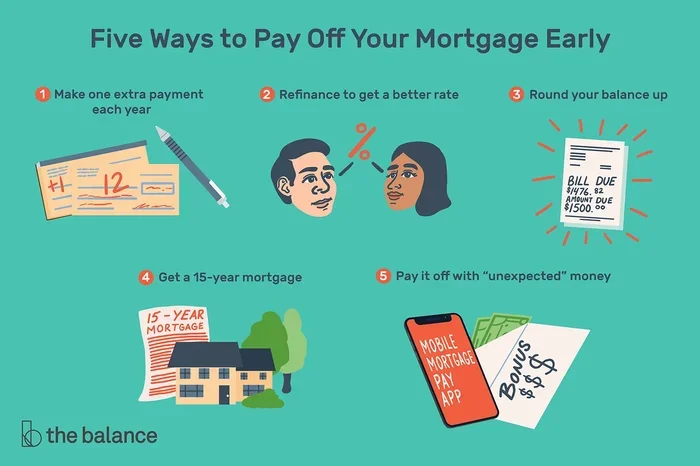
How Do I Pay Directly to Principal and Pay Less Interest
Paying directly to principal on your car loan is one of the smartest ways to reduce total interest and pay off your debt faster. When you make a principal-only payment, every dollar goes straight toward reducing your loan balance — not the interest. This simple strategy can save you hundreds or even thousands of dollars over the life of your auto loan. In this guide, we break down exactly how to make principal-only payments, avoid common mistakes, and use proven techniques to pay off your car loan faster.
Every car loan has two parts: the principal and the interest. The principal is the actual amount you borrowed. The interest is what the lender charges you for the privilege of borrowing that money. Most people don’t realize they can pay directly to principal and dramatically cut the cost of their auto loan.
When you make a regular monthly payment, a big chunk goes toward interest — especially in the early months. But when you learn how to target your payments toward the principal balance, you change the entire math. You pay less interest overall. You shorten your loan term. And you own your car outright sooner.
This guide walks you through everything you need to know about how do I pay directly to principal on a car loan. We cover simple steps, proven strategies, and common pitfalls to avoid. Whether you have a new auto loan or a used car loan, these tips will help you save real money.
Key Takeaways
- Paying extra toward principal reduces the total interest you pay over the life of your car loan.
- Principal-only payments ensure every dollar directly lowers your loan balance.
- Simple interest auto loans reward early and extra principal payments the most.
- Biweekly payments and lump sum contributions are two easy ways to accelerate principal reduction.
- Always confirm with your lender that extra payments apply to principal, not the next monthly payment.
- Paying off your car loan faster frees up monthly cash flow and improves your financial health.
📑 Table of Contents
- What Does It Mean to Pay Directly to Principal?
- Why Paying Extra Toward Principal Saves You Money
- How to Make Principal-Only Payments on Your Car Loan
- Common Mistakes to Avoid When Paying Down Principal
- Tips to Pay Off Your Car Loan Faster
- When Should You Pay Extra Toward Principal?
- Frequently Asked Questions
What Does It Mean to Pay Directly to Principal?
Your car loan balance has two components. The first is the principal balance. This is the actual amount you borrowed to buy the vehicle. The second is the finance charge, which is the interest the lender adds.
Every month, your payment gets split between these two parts. In the beginning, most of your payment covers interest. Only a small portion chips away at the principal. Over time, the split shifts. More goes toward principal and less toward interest.
When you make a principal-only payment, you bypass the interest portion entirely. That payment goes 100% toward reducing your loan balance. This is different from a regular payment, which is split between principal and interest.
How Auto Loan Payments Are Allocated
Most auto loans use a simple interest formula. The lender calculates your daily interest based on the remaining principal balance. Here is how it works in practice:
- Day 1 of the loan: Interest is calculated on the full loan amount.
- Mid-loan: Interest is calculated on a smaller remaining balance.
- End of loan: Very little interest remains because the principal is almost gone.
This is why paying down the principal early has such a big impact. The sooner you reduce the balance, the less interest accumulates each day. That is the core idea behind paying directly to principal.
Why Paying Extra Toward Principal Saves You Money
The math is straightforward. Lower principal means lower daily interest. Lower daily interest means less total interest over the life of the loan. Even small extra payments can add up to significant savings.
Let us look at a real example. Say you have a $20,000 car loan at 6% interest with a 60-month term. Your regular monthly payment is about $387. Over the full term, you pay roughly $3,200 in interest. That is a lot of extra money going to the lender.
Now imagine you add just $50 extra each month directly toward the principal. You might pay off the loan 5 to 6 months early. And you save around $300 in total interest. That is free money in your pocket.
Increase that extra payment to $100 or $200, and the savings grow even more. The key is consistency. Every dollar that hits the principal balance reduces future interest charges. This is the power of reducing your loan balance early and often.
The Snowball Effect of Principal Payments
Here is something many borrowers do not realize. When you pay down principal, your next month’s interest charge is lower. That means even more of your regular payment goes toward principal. This creates a snowball effect.
You pay a little extra. The balance drops. Interest drops. More of your payment hits the principal. The cycle keeps building. Over time, this effect accelerates and can shave years off your loan term.
How to Make Principal-Only Payments on Your Car Loan
Making a principal-only payment is simpler than most people think. But the exact process depends on your lender. Here is a step-by-step guide to making sure your extra payment goes straight to the principal.
Step 1: Check Your Loan Agreement
Before you send any extra money, read your loan agreement carefully. Look for a section on prepayment or extra payments. Some lenders allow principal-only payments with no restrictions. Others may have specific rules or fees.
Federal law generally allows you to prepay your loan. But some lenders charge a prepayment penalty. Check for this before you proceed. If there is no penalty, you are free to pay extra toward principal whenever you want.
Step 2: Contact Your Lender
Call your lender’s customer service line. Ask them directly: “How do I make a principal-only payment?” They will walk you through their specific process.
Some lenders let you specify the payment allocation online. Others require you to write “principal only” in the payment memo field. Always confirm that your extra payment will be applied correctly.
Step 3: Use the Right Payment Method
Not all payment methods work the same way. Here are some common options:
- Online payment portal: Many lenders let you choose where to apply extra funds. Look for a dropdown menu that says “Apply to principal.”
- Mail-in check: Write “Principal Only” in the memo line. Include your loan account number.
- Phone payment: Tell the representative you want the payment applied to principal only.
- Automatic payments: Set up a separate auto-pay for extra principal payments if your lender allows it.
Step 4: Confirm the Payment Was Applied Correctly
After you make the payment, check your online account within a few days. Verify that the extra amount was applied to the principal balance — not added to your next regular payment. This is a critical step many people skip.
If the payment was not applied correctly, contact your lender right away. Keep records of all your transactions for your own tracking.
Common Mistakes to Avoid When Paying Down Principal
Even with the best intentions, borrowers often make mistakes that reduce the impact of their extra payments. Here are the most common pitfalls and how to avoid them.
Mistake 1: Not Specifying Principal-Only
The biggest mistake is sending an extra payment without telling the lender where to apply it. Many lenders default to applying extra money toward the next scheduled payment. That does not reduce your principal balance at all.
Always clearly label your payment as principal-only. Use the memo field. Call your lender. Do whatever it takes to make sure the money hits the right place.
Mistake 2: Forgetting About Simple Interest Timing
Simple interest auto loans calculate interest daily. This means the timing of your payment matters a lot. If you pay late, you accrue more interest for those extra days.
Make your principal-only payments early in the billing cycle. The sooner the payment hits, the less interest you owe. Consistency in timing amplifies your savings.
Mistake 3: Ignoring Your Amortization Schedule
An amortization schedule shows you exactly how each payment is split between principal and interest over the life of the loan. Most lenders provide this online.
Review your schedule regularly. It helps you see how extra principal payments accelerate your payoff. Watching the principal balance drop is also incredibly motivating.
Mistake 4: Skipping Regular Payments
Some borrowers think they can skip a regular payment and just send extra toward principal instead. This is a dangerous mistake.
Missing a payment can trigger late fees, hurt your credit score, and even trigger default in some cases. Always make your regular payment on time. Then send the extra principal payment separately.
Tips to Pay Off Your Car Loan Faster
Paying extra toward principal is the most direct path to a faster payoff. But there are other strategies that work well alongside it. Here are some proven tips to help you pay off your car loan sooner.
Try Biweekly Payments
Instead of making one monthly payment, try paying half your payment every two weeks. This results in 26 half-payments per year — which equals 13 full payments instead of 12.
That extra payment each year goes directly toward principal. Over time, biweekly payments can shorten your loan term by several months and save you meaningful interest.
Round Up Your Monthly Payment
If your monthly payment is $387, try rounding up to $400 or $450. The extra $13 to $63 per month may not feel like much. But over the life of the loan, it adds up to hundreds of dollars in principal reduction.
Most lenders allow you to make a higher payment without penalty. Just make sure the extra amount is applied to principal.
Put Windfalls Toward Principal
Tax refunds, work bonuses, birthday money, and cash gifts are all opportunities to attack your loan balance. Instead of spending the windfall, put it directly toward your principal.
Even a single $1,000 lump sum payment can shave months off your loan term. The key is to resist the temptation to spend and stay focused on your goal.
Refinance for a Lower Interest Rate
If your credit score has improved since you took out the loan, consider refinancing. A lower interest rate means more of each payment goes toward principal.
Refinancing also gives you the option to shorten your loan term. A shorter term means less total interest paid, even if the monthly payment stays similar or increases slightly.
Set Up a Principal Payoff Goal
Give yourself a target. Maybe you want to pay off the loan in 48 months instead of 60. Or maybe you want to owe less than $5,000 by a certain date.
Write your goal down. Track your progress monthly. Celebrate milestones along the way. A clear goal keeps you motivated and disciplined.
When Should You Pay Extra Toward Principal?
Timing matters when it comes to extra principal payments. Here are the best situations to consider paying more toward your principal balance.
Early in the Loan Term
The earlier you start paying extra toward principal, the more you save. In the first few years of a car loan, a large portion of your payment goes to interest. Extra principal payments during this period have the biggest impact on total interest reduction.
When You Receive a Raise or Bonus
If your income increases, do not let the extra money slip away. Allocate a portion of every raise or bonus toward principal. This way, your lifestyle does not inflate, and your debt shrinks faster.
When Interest Rates Are High
If your auto loan has an interest rate above 7%, paying extra toward principal is especially valuable. High interest means every dollar of principal reduction saves you more in future interest charges.
Before Selling or Trading In the Vehicle
If you plan to sell or trade in your car soon, paying down principal first ensures you are not upside down on the loan. Being underwater on a car loan is a stressful situation. Extra principal payments help you avoid it.
Frequently Asked Questions
Can I pay extra toward principal every month?
Yes, most lenders allow you to make additional principal-only payments every month. Simply contact your lender or use your online portal to specify that the extra amount should go toward principal. Always confirm the allocation before sending the payment to ensure it reduces your balance correctly.
Does paying extra toward principal lower my monthly payment?
Paying extra toward principal does not lower your required monthly payment unless you request a loan recast. However, it does reduce the total interest you pay and can shorten your loan term significantly. Some borrowers choose to keep the same payment amount and apply the difference to principal for faster payoff.
Is there a penalty for paying off my car loan early?
Some lenders charge a prepayment penalty for paying off the loan early. This varies by lender and state law. Before making a large principal payment or paying off the loan entirely, review your loan agreement and contact your lender to ask about any early payoff fees or restrictions.
How do I know if my extra payment went to principal?
Check your online account or request a current payoff quote from your lender. The remaining principal balance should reflect the extra payment you made. If the balance did not change as expected, contact your lender immediately to correct the payment allocation.
What is the difference between a principal payment and a regular payment?
A regular payment includes both principal and interest. The interest portion goes to the lender as a fee for borrowing. A principal-only payment goes entirely toward reducing your loan balance. Making principal-only payments is the fastest way to reduce debt and save on total interest costs.
Can I make a lump sum principal payment on my car loan?
Absolutely. Most lenders accept lump sum payments and allow you to specify that the full amount goes toward principal. A lump sum payment can dramatically reduce your remaining balance and interest charges. Just make sure to confirm the application method with your lender beforehand.