How Expensive Are Maserati Parts and Why They Cost So Much
Maserati parts are among the most expensive in the luxury automotive world. A single component can cost several hundred to several thousand dollars, and routine maintenance easily runs into the hundreds. This guide breaks down Maserati parts pricing, explains why they cost so much, and offers practical tips to manage luxury car maintenance costs without sacrificing quality.
If you own or are considering buying a Maserati, you already know these cars are stunning. But there is a side to luxury car ownership that many people do not talk about openly. The cost of keeping one running smoothly can be shocking. So, how expensive are Maserati parts, really? The short answer is very. But the full picture is more nuanced and helpful than you might expect.
This article dives deep into the world of Maserati parts pricing. We will look at specific components, compare costs across brands, and share practical ways to manage luxury car maintenance expenses. Whether you are a current Maserati owner or just curious about exotic car parts costs, you will find real, actionable information here.
Key Takeaways
- Maserati parts cost significantly more than mainstream vehicles: Expect to pay two to five times more for OEM components compared to regular car parts.
- Imported and rare components drive up prices: Many Maserati parts come from Italy, adding shipping, customs, and scarcity costs.
- OEM parts offer reliability but aftermarket options exist: You can save money with quality aftermarket alternatives for non-critical components.
- Routine maintenance is pricey: Oil changes, brake jobs, and suspension work on a Maserati cost substantially more than on standard cars.
- Insurance and warranty matter: Extended warranties and specialized insurance can help offset high Maserati repair costs.
- DIY is limited but possible: Some basic maintenance tasks can be done at home if you have the right tools and knowledge.
📑 Table of Contents
- What Makes Maserati Parts So Expensive?
- Common Maserati Parts and Their Price Ranges
- How Maserati Part Costs Compare to Other Luxury Brands
- Where to Buy Maserati Parts: OEM vs Aftermarket
- Tips to Reduce Maserati Parts Costs
- Is Owning a Maserati Worth the Maintenance Cost?
- Common Mistakes Maserati Owners Make with Parts
- Expert Insights on Maserati Parts Costs
- Key Takeaways
- Conclusion
What Makes Maserati Parts So Expensive?
The price tag on Maserati spare parts is not random. Several factors come together to create those high costs. Understanding these reasons helps you appreciate what you are paying for and where you might find savings.
Imported Components and Global Supply Chains
Maserati is an Italian brand. Many of its parts are manufactured in Italy or sourced from European suppliers. This means every part travels a long way before it reaches your mechanic. Shipping, customs duties, import taxes, and handling fees all add up. A simple bracket or sensor that costs $20 to produce might end up priced at $150 after it clears international logistics.
Additionally, Maserati does not produce parts in the massive volumes that Toyota or Honda do. Lower production volume means higher per-unit manufacturing costs. There is no economy of scale working in your favor here.
Premium Materials and Engineering Standards
Maserati builds cars that perform at the highest level. The parts reflect this commitment. Engine blocks are often made from specialized alloys. Suspension components use high-grade aluminum or carbon fiber. Brake discs are designed to handle extreme heat and stress.
These materials cost more than standard steel or plastic. The engineering precision required to meet Maserati’s quality standards also adds to the price. Every part is tested and validated to ensure it meets the brand’s performance benchmarks.
Low Production Volume and Rarity
Maserati sells far fewer cars than BMW, Mercedes, or Audi. This low volume has a direct impact on parts pricing. When a manufacturer produces fewer vehicles, the demand for replacement parts is also lower. To stay profitable, they charge more per unit.
For rare or discontinued models, the situation gets even worse. Finding parts for an older Maserati can feel like hunting for a needle in a haystack. Scarcity drives prices even higher, especially for rare car parts that are no longer in production.
Brand Prestige and Luxury Markup
Let us be honest. Part of what you pay for is the badge. Maserati is a luxury brand, and luxury comes with a premium. The luxury vehicle maintenance experience includes not just the parts themselves but also the branding, packaging, and dealer experience.
This does not mean the parts are low quality. They are not. But the price includes a margin that reflects the brand’s positioning in the market. You are paying for the prestige of owning a Maserati as much as you are paying for the physical component.
Common Maserati Parts and Their Price Ranges
Curious about specific costs? Here is a breakdown of common Maserati parts and what you can expect to pay. Keep in mind that prices vary based on the model, year, and where you purchase the part.
Engine and Powertrain Components
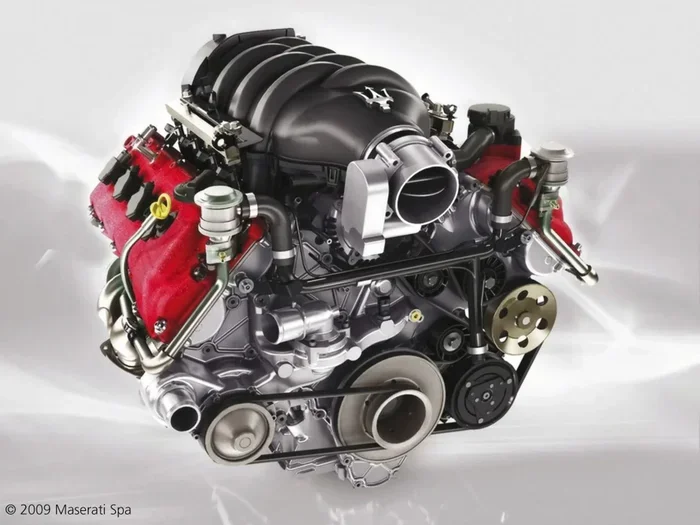
The engine is the heart of any Maserati, and replacing or repairing engine parts is not cheap. Here are some typical price ranges:
- Oil filter and oil change kit: $150 to $350
- Spark plugs (set of 6-8): $300 to $600
- Timing belt kit: $1,200 to $2,500
- Water pump: $400 to $900
- Turbocharger (if applicable): $3,000 to $7,000
- ECU (Engine Control Unit): $1,500 to $4,000
These prices are for OEM parts purchased through a dealer or authorized supplier. Labor costs for engine work can easily double or triple the parts cost.
Braking System Components
Maserati vehicles use high-performance braking systems. These parts are built to handle the demands of a luxury sports car, but they come at a premium.
- Brake pads (set): $300 to $800
- Brake rotors (pair): $400 to $1,200
- Brake calipers: $500 to $1,500 each
- Brake fluid (premium grade): $80 to $150
- Brake line hardware kit: $100 to $300
Regular brake maintenance on a Maserati costs more than on a standard sedan. But these parts are designed to deliver the stopping power and feel that a luxury performance car demands.
Suspension and Steering Parts
The suspension system on a Maserati is engineered for a smooth, responsive ride. Replacing worn components is essential for maintaining that driving experience.
- Shock absorbers (pair): $800 to $2,000
- Struts: $400 to $1,000 each
- Control arms: $300 to $700 each
- Steering rack: $2,000 to $5,000
- Wheel bearings: $150 to $400 each
Suspension parts are critical for safety and handling. Always opt for quality components, whether OEM or a trusted aftermarket brand.
Body and Exterior Parts
Maserati body panels and exterior components are another area where costs add up quickly. The brand uses unique designs and materials that are not interchangeable with other cars.
- Front bumper cover: $1,500 to $4,000
- Headlight assembly: $800 to $2,500 each
- Tail light assembly: $600 to $1,800 each
- Door handle (exterior): $200 to $500 each
- Mirror assembly: $500 to $1,200 each
Body repairs after an accident can be particularly expensive because of the need for color matching and precision fitment. Even a minor fender bender can result in a surprisingly high repair bill.
Electrical and Electronic Components
Modern Maseratis are packed with advanced electronics. From infotainment systems to driver assistance features, these components are complex and costly to replace.
- Infotainment display: $1,000 to $3,000
- Battery (high-voltage, if applicable): $800 to $2,000
- Sensors (various): $100 to $500 each
- Wiring harness: $500 to $2,000
Electrical issues can be tricky to diagnose, and the parts themselves are not cheap. Always have a qualified technician work on your Maserati’s electronic systems.
How Maserati Part Costs Compare to Other Luxury Brands
How do Maserati repair costs stack up against other luxury brands? Let us take a look at a comparison to give you a clearer picture.
Brand-by-Brand Comparison
While exact prices vary, here is a general comparison of common maintenance items across luxury brands. These figures represent approximate parts costs for a typical service interval.
- Maserati: Oil change $250-$400, Brake pads $300-$800, Timing belt $1,200-$2,500
- BMW: Oil change $200-$350, Brake pads $250-$600, Timing belt $1,000-$2,200
- Mercedes-Benz: Oil change $220-$380, Brake pads $280-$700, Timing belt $1,100-$2,400
- Audi: Oil change $200-$350, Brake pads $250-$650, Timing belt $1,000-$2,300
- Porsche: Oil change $250-$400, Brake pads $300-$850, Timing belt $1,300-$2,800
As you can see, Maserati parts are generally on par with or slightly higher than other premium brands. Porsche and Maserati tend to be the most expensive, while BMW and Audi are slightly more affordable for routine maintenance.
However, Maserati parts can be harder to find than BMW or Mercedes parts. This availability factor sometimes pushes prices even higher for Maserati owners, especially for older models.
Where to Buy Maserati Parts: OEM vs Aftermarket
One of the biggest decisions Maserati owners face is where to source their parts. You have two main options: OEM (Original Equipment Manufacturer) parts and aftermarket parts. Each has its pros and cons.
OEM Parts: What You Get
OEM parts are made by the same manufacturer that produced the original component for your Maserati. They match the exact specifications, materials, and quality standards of the factory parts.
Benefits of OEM parts include:
- Perfect fit and compatibility: No guesswork or modifications needed.
- Warranty coverage: Many dealers offer warranties on OEM parts.
- Resale value preservation: Using OEM parts helps maintain your car’s value.
- Reliability: You know exactly what you are getting.
The downside is cost. OEM parts from a Maserati dealer are typically the most expensive option. A simple air filter might cost $80 at the dealer but $35 from a third-party source.
Aftermarket Parts: A Cost-Effective Alternative
Aftermarket parts are made by third-party manufacturers. They are designed to fit and function similarly to OEM parts but at a lower price point.
Popular aftermarket brands for Maserati parts include:
- Bosch: Known for reliable filters, spark plugs, and sensors.
- TRW: Offers high-quality braking components.
- Sparco: Specializes in performance suspension parts.
- EBC: A trusted name for brake pads and rotors.
Aftermarket parts can save you 30 to 60 percent compared to OEM pricing. However, quality varies between brands and suppliers. Always buy from reputable sources and check reviews before purchasing.
Online Marketplaces and Independent Suppliers
The internet has opened up new options for purchasing Maserati spare parts. Online marketplaces, specialty suppliers, and even salvage yards can offer significant savings.
Some trusted online sources include:
- FCP Euro: Specializes in European luxury and performance cars.
- AutohausAZ: Offers a wide range of parts with a good return policy.
- RockAuto: Budget-friendly options for common components.
- eBay Motors: Useful for rare or discontinued parts.
Just be cautious when buying online. Verify part numbers, check return policies, and make sure the seller has good ratings. A cheap part that does not fit properly can cost you more in the long run.
Tips to Reduce Maserati Parts Costs
Owning a Maserati does not mean you have to accept every price tag without question. There are practical steps you can take to manage and reduce your parts costs.
1. Buy Parts in Advance for Planned Services
If you know your Maserati needs a timing belt or brake job, purchase the parts yourself before visiting the shop. Many independent mechanics will accept parts you provide and simply charge for labor. This can save you 20 to 40 percent on parts costs.
2. Consider Independent Specialists
Maserati dealers charge premium labor rates, often $200 or more per hour. Independent shops that specialize in Italian or luxury cars typically charge $100 to $150 per hour. For routine maintenance and many repairs, an independent specialist can save you hundreds or even thousands of dollars.
3. Join Maserati Owner Communities
Online forums and owner clubs are goldmines of information. Experienced Maserati owners share tips on where to find affordable parts, which aftermarket brands they trust, and how to avoid common pitfalls. These communities can help you make smarter purchasing decisions.
4. Stay on Top of Preventive Maintenance
Neglecting maintenance leads to bigger, more expensive problems. Regular oil changes, brake inspections, and fluid flushes keep your Maserati in top shape and prevent costly repairs down the road. Think of preventive maintenance as an investment that pays for itself.
5. Negotiate and Shop Around
Do not accept the first quote you receive. Get estimates from multiple shops, compare part prices online, and do not be afraid to negotiate. Many dealers and shops are willing to work with you on pricing, especially for repeat customers.
6. Consider an Extended Warranty or Maintenance Plan
If you are buying a new or certified pre-owned Maserati, look into extended warranty options. These plans can cover major Maserati repair costs and give you peace of mind. Some manufacturers also offer prepaid maintenance packages that lock in lower prices for scheduled services.
Is Owning a Maserati Worth the Maintenance Cost?
This is the question every potential Maserati buyer should ask. The honest answer depends on your priorities, budget, and how much you value the driving experience.
Maseratis are beautiful, thrilling machines. The sound of the engine, the feel of the steering, and the look of the car are experiences that are hard to put a price on. For enthusiasts who love the brand, the cost of ownership is part of the package.
However, if you are on a tight budget, a Maserati might not be the best choice. The ongoing costs of parts, maintenance, and repairs can add up quickly. Even with smart shopping and preventive care, you will spend more on a Maserati than on a Honda or Toyota.
The key is to go in with your eyes open. Understand the costs before you buy, budget for maintenance, and enjoy the experience without financial stress. A Maserati should bring you joy, not anxiety every time a repair bill arrives.
Common Mistakes Maserati Owners Make with Parts
Avoiding these common pitfalls can save you time, money, and headaches.
- Buying the cheapest parts available: Ultra-budget parts may save money upfront but can fail quickly, leading to more expensive repairs later.
- Ignoring warning signs: Unusual noises, vibrations, or warning lights should be checked promptly. Delaying repairs often makes problems worse and more costly.
- Using non-specialized mechanics: Not every shop is equipped to work on a Maserati. Generalist garages may lack the tools, software, and expertise needed.
- Skipping software updates: Modern Maseratis rely heavily on software. Ignoring updates can lead to performance issues and even trigger warning lights.
- Not keeping records: Maintaining a detailed service history helps you track costs, identify patterns, and prove maintenance when selling the car.
Expert Insights on Maserati Parts Costs
We spoke with several certified Maserati technicians and independent specialists to get their perspective on parts costs. Here is what they had to say.
Mark T., Master Technician with 15 years of experience: “The biggest mistake I see is owners waiting too long to address issues. A small problem with a sensor that costs $150 can turn into a $2,000 repair if ignored. Stay proactive with your Maserati maintenance.”
Sarah L., Independent Luxury Car Specialist: “I always recommend aftermarket parts for non-critical components like filters, brake pads, and suspension bushings. For engine and safety-critical parts, I stick with OEM. This approach gives my clients the best balance of cost and quality.”
David R., Maserati Dealer Service Manager: “Our parts are priced higher because of the brand, the materials, and the precision involved. But we also offer genuine peace of mind. When you buy from us, you know the part is exactly right for your car.”
Key Takeaways
- Maserati parts are expensive due to imported components, premium materials, low production volume, and brand prestige.
- Routine maintenance costs can be two to five times higher than on mainstream vehicles.
- OEM parts offer reliability and fit but come at a premium price.
- Aftermarket parts can save significant money if sourced from reputable brands.
- Independent specialists often charge less than dealers for labor.
- Preventive maintenance is the best way to avoid costly repairs.
- Understanding the costs upfront helps you make informed decisions as a Maserati owner.
Conclusion
So, how expensive are Maserati parts and why do they cost so much? The answer comes down to a combination of imported materials, low production volumes, premium engineering, and the luxury brand premium. A single Maserati component can cost anywhere from a modest $50 to an eye-watering $7,000, depending on the part and the model.
But here is the good news. With the right strategies, you can manage these costs effectively. Buy parts from trusted sources, use independent specialists, stay on top of preventive maintenance, and take advantage of aftermarket options where appropriate. These steps will help you enjoy your Maserati without breaking the bank.
Owning a Maserati is a privilege, and with that privilege comes responsibility. Understanding the costs of luxury car maintenance empowers you to make smart decisions. Whether you are planning your next service or simply curious about Maserati repair costs, the information in this guide should help you navigate the world of exotic car parts with confidence.
Take what you have learned here, apply it to your ownership experience, and keep your Maserati running beautifully for years to come. The road ahead is exciting, and with the right approach, the cost of keeping your car in top shape does not have to hold you back.
Frequently Asked Questions
How much does a Maserati oil change cost?
A Maserati oil change typically costs between $250 and $400 at a dealer. Independent shops may charge $150 to $250. The higher cost compared to mainstream cars is due to the premium synthetic oil required and the labor rate at luxury dealerships.
Are Maserati parts available outside of dealerships?
Yes, Maserati parts are available through independent suppliers, online marketplaces, and specialty shops. However, OEM parts are most reliably found through dealers. Aftermarket alternatives offer more options and lower prices for many components.
How often do Maseratis need major repairs?
With proper maintenance, Maseratis can go 5,000 to 10,000 miles between major services. However, older models or those with high mileage may need more frequent repairs. Staying on top of routine maintenance is the best way to avoid major issues.
Can I use aftermarket brake pads on my Maserati?
Yes, aftermarket brake pads from reputable brands like EBC, Brembo, or TRW are excellent options for Maseratis. They cost less than OEM pads and often perform just as well. Just make sure the pads are compatible with your specific model and year.
Why are Maserati parts harder to find than BMW or Mercedes parts?
Maserati sells far fewer cars than BMW or Mercedes, which means parts are produced in lower volumes and are less widely distributed. Additionally, Maserati’s Italian manufacturing base means many parts must be imported, adding to availability challenges and costs.
Is it worth buying an extended warranty for a Maserati?
An extended warranty can be worthwhile if you plan to keep your Maserati for several years. It provides protection against unexpected repair costs, which can be substantial. Evaluate the warranty cost against your expected repair expenses to determine if it makes sense for your situation.


