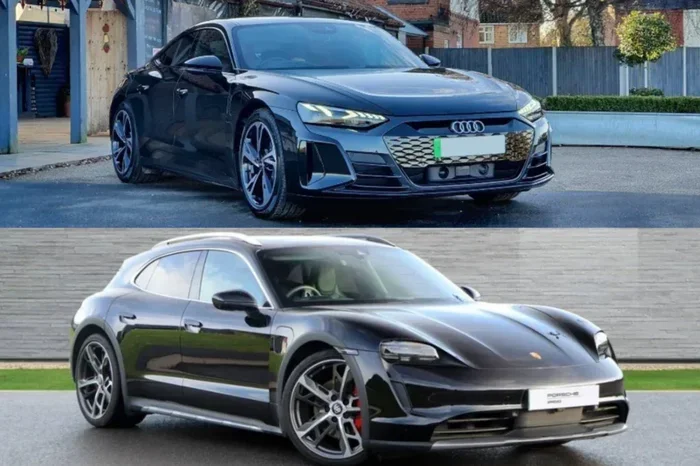
Does Audi Own Porsche Here Is What You Need to Know
The answer to does Audi Own Porsche is not a simple yes or no. Both brands are owned by the Volkswagen Group, but Porsche remains a separate company with its own leadership and identity. Understanding this relationship helps car buyers appreciate how these two iconic German brands operate under one corporate roof.
Have you ever wondered about the relationship between Audi and Porsche? These two legendary German car brands share a lot in common. They both build luxury vehicles. They both deliver incredible performance. And they both carry a reputation for engineering excellence. But here is the big question that car enthusiasts ask all the time: does Audi own Porsche? The answer might surprise you.
Many people assume that Audi controls Porsche because they are both part of the same corporate family. However, the reality is much more interesting. The ownership structure involves a complex web of family ties, corporate holdings, and automotive history. In this article, we will break it all down. You will learn exactly how these two brands are connected. You will also discover what this means for the cars you see on the road today.
Whether you are a casual car fan or a serious enthusiast, understanding this relationship gives you a deeper appreciation for both brands. So let us dive right in and explore the fascinating story of Audi, Porsche, and the company that ties them together.
Key Takeaways
- Audi does not directly own Porsche. Both brands share a parent company called the Volkswagen Group.
- Porsche AG is a separate entity with its own management, board, and operational structure.
- The Porsche and Piech families hold significant stakes in both companies through the Volkswagen Group.
- Volkswagen Group owns multiple luxury brands including Audi, Porsche, Bentley, Lamborghini, and others.
- Shared technology and platforms exist between Audi and Porsche, but each brand maintains its own engineering identity.
- Understanding this relationship helps car buyers make smarter decisions when comparing vehicles from these brands.
📑 Table of Contents
- The Short Answer: Does Audi Own Porsche?
- The History of Porsche and Audi
- Volkswagen Group: The Parent Company
- How the Porsche and Audi Connection Works Today
- What This Means for Car Buyers
- Common Misconceptions About Porsche Ownership
- Expert Insights on the Audi-Porsche Relationship
- Key Takeaways
- Conclusion
The Short Answer: Does Audi Own Porsche?
The short answer is no. Audi does not own Porsche directly. Instead, both Audi and Porsche are owned by a larger company called Volkswagen AG. This is the German automotive giant that sits at the top of a massive family of car brands. Think of Volkswagen Group as the parent company. Audi and Porsche are two of its most valuable children.
But the story does not end there. The relationship between these brands goes much deeper than a simple parent-subsidiary setup. The Porsche and Piech families play a huge role in this story. They hold significant ownership stakes in Volkswagen AG. And through those stakes, they influence both Audi and Porsche. This family connection is what makes the whole situation so interesting.
So when you ask does Audi Own Porsche, the real answer is that both brands answer to the same parent company. They share resources. They share platforms. But they also maintain their own unique identities. Each brand builds cars the way it wants to. Each brand has its own engineering philosophy. And each brand answers to its own customers and fans.
A Quick Look at the Ownership Chain
Here is how the ownership chain works in simple terms. The Porsche and Piech families control a large portion of Volkswagen AG. Volkswagen AG, in turn, owns Audi AG and Porsche AG. So both Audi and Porsche sit under the Volkswagen umbrella. But neither one owns the other. They are siblings, not parent and child.
This structure is common in the automotive world. Many large car companies operate this way. For example, Toyota owns Lexus. But in the case of Audi and Porsche, the relationship is a bit more personal. The families behind these brands have been intertwined for decades. That personal connection adds a layer of complexity to the whole story.
The History of Porsche and Audi
To understand how Audi and Porsche ended up under the same corporate roof, you need to look at their histories. Both brands have roots that go back many decades. And both have fascinating origin stories that shaped the automotive industry.
The Story of Porsche
Ferdinand Porsche founded the Porsche company in 1931. He was a visionary engineer who loved building cars. His most famous creation was the Volkswagen Beetle. Yes, the car that millions of people drove in the 20th century was designed by the founder of Porsche. That connection to Volkswagen would become very important later on.
Ferdinand Porsche’s son, Ferry Porsche, took the company in a new direction. He created the Porsche 356 in 1948. This was the first car to carry the Porsche name. It was a small, lightweight sports car that captured the hearts of driving enthusiasts. From there, the company grew rapidly. The Porsche 911 arrived in 1964 and became an icon.
Today, Porsche AG is based in Stuttgart, Germany. The company builds some of the most desirable sports cars in the world. Models like the Porsche 911, the Panamera, the Cayenne, and the Macan are all hugely popular. Porsche also has a strong presence in motorsport. Its racing heritage adds to the brand’s mystique and appeal.
The Story of Audi
Audi has a different but equally interesting origin story. The brand traces its roots back to August Horch, a pioneer in the automotive industry. Horch founded his first car company in 1899. But after a dispute with his business partners, he left and started a new company.
He called the new company Audi, which is the Latin translation of his last name, Horch. In German, “horch” means “listen” and “audi” means “listen” in Latin. So Audi is essentially Horch in another language. That is a cool detail that many car fans do not know.
Audi grew over the decades and eventually became part of the Auto Union. This group included Audi, DKW, Horch, and Wanderer. In 1966, Volkswagen acquired Auto Union. And from there, Audi became the luxury and performance brand within the Volkswagen family. The Audi name continued to grow in prestige and popularity.
Today, Audi is known for its refined sedans, sporty SUVs, and cutting-edge technology. The brand pioneered the quattro all-wheel-drive system. It also leads the way in electric vehicle development with its e-tron lineup. Audi has carved out a strong identity as a brand that blends luxury with performance.
Volkswagen Group: The Parent Company
Now let us talk about Volkswagen Group. This is the company that ties everything together. Volkswagen AG is headquartered in Wolfsburg, Germany. It is one of the largest car manufacturers in the world. And it owns a stunning collection of brands.
Volkswagen Group owns Audi, Porsche, Bentley, Lamborghini, SEAT, Skoda, and several other brands. That is an impressive lineup. It covers everything from affordable economy cars to ultra-luxury vehicles. The group also has a strong presence in commercial vehicles through its truck division.
How Volkswagen Group Operates
Volkswagen Group operates as a holding company. It owns the shares of all its subsidiary brands. Each subsidiary operates with a degree of independence. They have their own design teams. They have their own engineering departments. They make their own decisions about what cars to build.
But they also share resources. This sharing helps keep costs down. It allows the group to develop platforms that multiple brands can use. For example, the Porsche Cayenne and the Audi Q7 share the same platform. This is called platform sharing. It saves money and speeds up development. But each brand tunes its vehicles differently to match its identity.
The Volkswagen Group is led by a board of directors. This board makes high-level decisions about strategy and investment. But each brand has its own management team. That team handles day-to-day operations. This setup allows for both efficiency and brand independence.
The Porsche and Piech Families
Here is where things get really interesting. The Porsche and Piech families have controlled Volkswagen AG for generations. Ferdinand Porsche and Louise Piech married, creating a family dynasty. Their descendants now hold a large block of voting shares in Volkswagen.
This family control means that the Porsche family has a say in all of Volkswagen Group’s decisions. They influence which brands get invested in. They help shape the group’s strategy. This family connection is a key reason why Porsche and Audi remain so closely linked.
The family’s influence extends beyond just ownership. Many family members have held leadership positions at both Porsche and Audi. This personal involvement keeps the brands closely connected. It also ensures that the engineering philosophies of both companies stay aligned in many ways.
How the Porsche and Audi Connection Works Today
Now that you understand the ownership structure, let us look at how this connection plays out in the real world. What does it mean that Audi and Porsche share the same parent company? And how does that affect the cars you can buy?
Shared Platforms and Technology
One of the most visible connections between Audi and Porsche is platform sharing. Both brands use Volkswagen Group’s modular platform system. This means that many of their vehicles are built on the same basic structure.
For example, the Porsche Macan and the Audi Q5 share a platform. The Porsche Cayenne and the Audi Q7 also share a platform. Even the Porsche Panamera and the Audi A8 share components. This sharing is not a secret. It is a well-known part of how Volkswagen Group operates.
But here is the key point. Just because these cars share a platform does not mean they feel the same. Porsche tunes its vehicles for sportier handling. Audi focuses on comfort and refinement. The same base platform can produce very different driving experiences. This is a testament to the skill of each brand’s engineers.
Engine Sharing and Development
Engine sharing is another area where Audi and Porsche overlap. Both brands use Volkswagen Group’s engine families. The famous EA855 V6 engine, for example, powers both Audi and Porsche vehicles. The V8 engines used in the Porsche Panamera also appear in Audi models.
But again, each brand tunes its engines differently. Porsche often tunes for more power and sportier response. Audi may focus on smooth power delivery and refinement. The underlying hardware may be similar, but the tuning and calibration make each car feel unique.
Research and Development Collaboration
Volkswagen Group invests billions of euros in research and development each year. This investment benefits all of its brands. New technologies developed for one brand often trickle down to others. For instance, Porsche was a pioneer in hybrid powertrains with the Porsche 918 Spyder. Audi has since adopted similar hybrid technology in its own vehicles.
This collaboration is a major advantage of being part of a large group. Smaller car companies cannot afford to develop every technology on their own. By sharing development costs, brands like Audi and Porsche can offer cutting-edge features at competitive prices.
Dealer Networks and Brand Identity
Despite all the sharing, Audi and Porsche maintain separate dealer networks. You cannot buy a Porsche at an Audi dealership. And you cannot buy an Audi at a Porsche dealer. Each brand has its own sales channels and customer experience.
Porsche dealerships focus on the sports car and luxury SUV experience. They are often designed to feel exclusive and premium. Audi dealerships, on the other hand, offer a broader range of vehicles. They cater to customers looking for luxury sedans, SUVs, and performance cars.
This separation helps each brand maintain its unique identity. Even though they share a parent company, they do not blend together. Porsche remains the sports car brand. Audi remains the refined luxury brand. And customers can choose between them based on their personal preferences.
What This Means for Car Buyers
If you are in the market for a luxury or sports car, understanding the Audi-Porsche relationship can help you make a better decision. Here are some practical insights to keep in mind.
Comparing Audi and Porsche Vehicles
When you compare an Audi and a Porsche in the same segment, you will notice differences. The Porsche will typically feel more sporty. It will have sharper handling. The steering will feel more direct. The overall driving experience will be more focused on performance.
The Audi, on the other hand, will likely feel more comfortable. It will prioritize ride quality and interior refinement. It will still be a great performer, but it will not be as track-focused as the Porsche. These differences exist because each brand has a different target audience and a different philosophy.
Value and Resale Considerations
Porsche vehicles tend to hold their value better than most other luxury brands. This is partly because of the brand’s reputation for quality and performance. It is also partly because Porsche builds cars that enthusiasts truly love. If resale value is important to you, this is worth considering.
Audi vehicles also hold value well, but they tend to depreciate faster than Porsches. This is partly because Audi offers a wider range of models, including more mainstream options. The brand also faces more competition in the luxury sedan and SUV segments.
Which Brand Should You Choose?
Your choice between Audi and Porsche should come down to your priorities. If you want a sports car experience and love driving, Porsche is hard to beat. If you want a luxury vehicle that balances comfort and performance, Audi is an excellent choice. Both brands offer outstanding quality and engineering.
Also consider your budget. Porsche vehicles tend to be more expensive, especially at the top of the lineup. Audi offers a wider price range, making it more accessible to a broader audience. Think about what matters most to you and let that guide your decision.
Common Misconceptions About Porsche Ownership
There are several misconceptions about the relationship between Audi and Porsche. Let us clear up a few of the most common ones.
Misconception 1: Audi owns Porsche. As we have covered, this is not true. Both brands are owned by Volkswagen Group. They are separate companies that happen to share a parent.
Misconception 2: Porsche cars are just rebadged Audis. This could not be further from the truth. Porsche develops its own vehicles with its own design language. While they may share some components, the final products are distinctly different.
Misconception 3: Volkswagen Group controls every detail of Porsche. Porsche AG has a great deal of autonomy. It has its own CEO, its own board, and its own decision-making process. Volkswagen Group provides resources and support, but Porsche runs its own show.
Misconception 4: The Porsche family has no influence over Audi. Because the Porsche and Piech families control Volkswagen AG, they have influence over all of its brands, including Audi. This influence is indirect but significant.
Expert Insights on the Audi-Porsche Relationship
Automotive analysts have a lot to say about the Audi-Porsche connection. Many experts believe that the shared ownership benefits both brands. Volkswagen Group provides the financial backing and resources that both companies need to innovate.
Dr. Ferdinand Piëch, a member of the Porsche-Piëch family, was a legendary figure in the automotive world. He served as chairman of Volkswagen Group for many years. Under his leadership, the group acquired Porsche AG in 2012. This was a landmark moment in automotive history.
Today, the group continues to invest heavily in both brands. Electric vehicle development is a major focus. Porsche has committed billions to electrification. Audi has also made significant investments in its e-tron lineup. These investments would be difficult for either brand to make on its own.
Industry experts also point to the benefits of competition within the group. Audi and Porsche push each other to be better. They compete for the same pool of wealthy customers. This internal competition drives innovation and quality. Ultimately, it is the car buyers who benefit most from this dynamic.
Key Takeaways
- Audi does not own Porsche. Both brands are owned by Volkswagen Group, making them sister companies rather than parent and subsidiary.
- The Porsche and Piech families control Volkswagen Group and therefore have influence over both Audi and Porsche.
- Shared platforms and engines are common between the two brands, but each company tunes its vehicles differently.
- Porsche AG operates with significant autonomy and maintains its own identity, management, and design philosophy.
- Understanding this relationship helps car buyers make more informed decisions when comparing Audi and Porsche vehicles.
- Both brands benefit from Volkswagen Group’s resources while maintaining their unique brand identities and loyal customer bases.
Conclusion
So, does Audi own Porsche? The answer is a clear no. Audi does not own Porsche, and Porsche does not own Audi. Both brands are part of the Volkswagen Group family. They share resources, platforms, and technology. But they remain independent companies with their own identities, philosophies, and loyal followings.
The relationship between these two brands is a fascinating case study in how modern automotive companies operate. It shows that sharing a parent company does not mean losing individuality. Both Audi and Porsche have maintained their unique characters. They continue to build cars that excite enthusiasts around the world.
Next time you see a Porsche and an Audi on the road, you will know the story behind their connection. You will understand how they are related and how they are different. And you will appreciate the complex corporate structure that brings these two iconic brands together under one roof.
Whether you are a Porsche fan, an Audi fan, or just a car lover, this story is worth knowing. It adds another layer of depth to your appreciation of these incredible machines. The next time you get behind the wheel of either brand, you will feel that extra connection to the rich history and shared future of these two great companies.
Frequently Asked Questions
Does Audi have any ownership stake in Porsche?
No, Audi does not own any part of Porsche. Both companies are separate entities owned by Volkswagen AG. They operate independently despite sharing the same parent company.
Who actually owns Porsche then?
Porsche AG is owned by Volkswagen AG, which is in turn controlled by the Porsche and Piech families. These families hold the majority of voting shares in Volkswagen Group.
Are Audi and Porsche the same company?
No, they are not the same company. They are separate brands that happen to be owned by the same parent company, Volkswagen Group. Each brand has its own management, design, and engineering teams.
Why do Audi and Porsche share so many parts?
They share parts because Volkswagen Group uses a modular platform strategy. This approach reduces development costs and allows both brands to access the latest technology. Each brand then tunes the shared components to match its own character.
Can you buy a Porsche at an Audi dealership?
No, Porsche and Audi have separate dealer networks. You must visit a Porsche dealership to buy or service a Porsche vehicle. The same applies to Audi vehicles at Audi dealerships.
Will Audi and Porsche ever merge into one brand?
There are no current plans for the two brands to merge. Both brands are too valuable and too distinct to combine. Volkswagen Group benefits from keeping them as separate entities that compete and innovate independently.