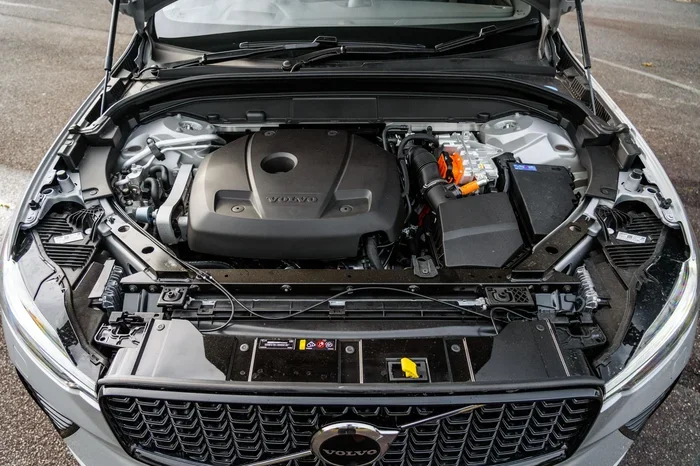
How Volvo Mild Hybrid Technology Works Under the Hood
Volvo mild hybrid technology uses a small electric motor and a 48V battery to assist the traditional combustion engine, delivering smoother starts, better fuel economy, and reduced emissions. The system works seamlessly in the background, giving drivers a boost during acceleration and recapturing energy when braking. It is one of the most practical ways to enjoy hybrid benefits without the complexity of a full hybrid or plug-in setup.
Volvo mild hybrid technology has quietly become one of the most popular powertrain choices in the luxury car market. But what exactly happens under the hood? How does a car that still runs mostly on gasoline get those impressive fuel economy numbers and smooth, refined power delivery?
The answer lies in a clever combination of a traditional combustion engine and a small but mighty electric motor. Volvo calls this their mild hybrid system, and it works differently from the full hybrids you might see on the road every day. You cannot plug it in, and the car never runs purely on electricity. Yet the benefits are real and noticeable every time you drive.
In this article, we will walk you through exactly how Volvo mild hybrid technology works. We will break down every component, explain the science in plain language, and share practical tips for owners. Whether you are shopping for a new Volvo or already own one, this guide will give you a deeper understanding of what makes your car tick.
Let us pop the hood and take a closer look at one of the smartest innovations in modern automotive engineering.
Key Takeaways
- Mild Hybrid Basics: Volvo mild hybrid technology pairs a 48V electric motor with a standard gasoline engine to improve efficiency and performance.
- Regenerative Braking: The system captures energy during braking and stores it in the 48V battery for later use.
- Seamless Integration: Unlike full hybrids, mild hybrids cannot run on electric power alone but still offer noticeable fuel savings.
- Common Models: Volvo XC60, S60, and other models feature this technology as standard or optional equipment.
- Maintenance Matters: Proper care of the hybrid battery ensures long-term reliability and performance.
- Fuel Economy Boost: Drivers can expect meaningful improvements in fuel economy compared to non-hybrid versions.
- Smooth Driving Experience: The electric assist eliminates turbo lag and provides instant torque fill for a refined ride.
📑 Table of Contents
- What Is Volvo Mild Hybrid Technology?
- The Key Components of the Volvo Mild Hybrid System
- How Regenerative Braking Works in Volvo Mild Hybrids
- Benefits of Volvo Mild Hybrid Technology
- How the System Starts and Stops
- Common Volvo Mild Hybrid Models
- Maintenance Tips for Volvo Mild Hybrid Owners
- Common Mistakes Mild Hybrid Owners Make
- Expert Insights on Mild Hybrid Technology
- Conclusion
What Is Volvo Mild Hybrid Technology?
At its core, Volvo mild hybrid technology is a simplified form of hybrid propulsion. It uses a small electric motor, typically a 48-volt system, to support the main gasoline engine. The electric motor does not drive the car on its own. Instead, it assists the engine during acceleration, handles electrical loads, and recovers energy that would otherwise be wasted.
Think of it like a helpful co-pilot. The gasoline engine does the heavy lifting, but the electric motor jumps in when extra push is needed. This partnership results in smoother operation, better fuel economy, and lower emissions.
How Is It Different From a Full Hybrid?
A full hybrid, like those found in Toyota vehicles, can switch between electric-only driving and gasoline power. Some can even drive short distances on electricity alone. A mild hybrid cannot do that. The electric motor in a Volvo mild hybrid system is not powerful enough to move the car by itself. It only provides assistance.
This distinction matters because it makes mild hybrids simpler, lighter, and more affordable. There is no need for a large high-voltage battery pack or complex power-split devices. The system stays compact and integrates smoothly into the existing powertrain architecture.
That said, if you are curious about whether a hybrid car can run without its battery, we have covered that topic in detail. You can read more about driving a hybrid without the battery to understand the limits of hybrid systems.
The Key Components of the Volvo Mild Hybrid System
Under the hood of a Volvo mild hybrid, you will find several important components working together. Each part plays a specific role in making the system function seamlessly. Let us go through them one by one.
The 48-Volt Battery
The heart of any mild hybrid system is the 48-volt battery. This is a smaller, lighter battery compared to the high-voltage packs found in full hybrids. It typically sits in the trunk or under the rear seat to keep weight balanced.
The 48V battery stores electrical energy that the electric motor uses for assistance. It also holds energy recovered during braking. Volvo uses advanced lithium-ion technology in these batteries to ensure longevity and reliable performance over many years of driving.
One common question owners ask is what happens when this battery dies. A dead hybrid battery can often be recharged, but the process depends on the severity of the issue. Regular maintenance and inspection help prevent unexpected failures.
The Electric Motor (Integrated Starter-Generator)
Volvo mild hybrids use a special device called an integrated starter-generator, or ISG. This compact electric motor serves multiple roles. It acts as a starter motor to fire up the engine. It provides electric assist during acceleration. And it works as a generator to recover energy during deceleration.
The ISG is mounted directly on the engine crankshaft, which allows it to transmit torque seamlessly. You will not feel any jarring transitions when the electric boost kicks in. The power delivery feels natural and smooth, which is one of the hallmarks of Volvo’s engineering approach.
The Traditional Combustion Engine
The gasoline engine in a Volvo mild hybrid is typically a turbocharged four-cylinder unit. Volvo uses their proven Drive-E engine family across many models. These engines are already efficient and powerful on their own. Adding mild hybrid assist makes them even better.
The electric motor fills in the gaps. It provides torque fill during low-RPM situations, which eliminates the slight delay you might feel in a conventional turbo engine. The result is a more responsive and refined driving experience.
The Power Control Unit
The power control unit acts as the brain of the mild hybrid system. It manages the flow of electricity between the battery, the electric motor, and the rest of the vehicle. It decides when to send power to the motor, when to recover energy, and when to let the gasoline engine work alone.
This unit operates almost invisibly. Drivers rarely notice its activity, but it is constantly making split-second decisions to optimize performance and efficiency. It is a key reason why Volvo mild hybrid technology feels so seamless in everyday driving.
How Regenerative Braking Works in Volvo Mild Hybrids
One of the most impressive features of Volvo mild hybrid technology is regenerative braking. This is the process of capturing energy that would normally be lost as heat during braking and storing it for later use.
Here is how it works in simple terms. When you take your foot off the accelerator or press the brake pedal, the electric motor reverses its role. Instead of using electricity to turn the wheels, it uses the spinning wheels to generate electricity. This electricity flows back into the 48V battery for storage.
The process happens automatically every time you slow down. Over time, these small energy recoveries add up. They reduce the load on the gasoline engine, which means less fuel burned and fewer emissions produced.
When Does Regenerative Braking Kick In?
Regenerative braking activates whenever the car is decelerating. This includes situations like:
- Taking your foot off the accelerator when approaching a red light.
- Braking gently in city traffic.
- Coasting downhill where the car naturally slows down.
- Coming to a complete stop at intersections or stop signs.
The system is always working in the background, even if you do not notice it. This passive energy recovery is one of the main reasons mild hybrids deliver better fuel economy than their conventional counterparts.
If you are also curious about how fast Toyota hybrids switch between power sources, we have explored that topic as well. You can read about when hybrid cars switch from battery to gas for a broader understanding of hybrid powertrain behavior.
Benefits of Volvo Mild Hybrid Technology
Why should you care about mild hybrid technology? The benefits go beyond just saving fuel. Let us look at the real-world advantages of owning a Volvo with this system.
Improved Fuel Economy
The most obvious benefit is better fuel economy. The electric assist reduces the workload on the gasoline engine, especially during acceleration. Over time, this translates into fewer trips to the gas station and more money in your pocket.
Volvo claims that mild hybrid models can achieve up to 15 percent better fuel economy compared to non-hybrid versions of the same vehicle. Your actual results will vary depending on driving habits, road conditions, and traffic patterns. But even in mixed driving, the improvement is noticeable.
Smoother and More Refined Driving
Mild hybrid technology makes the driving experience smoother in several ways. The electric motor eliminates engine start-stop jolts, provides seamless torque fill, and reduces vibration at low speeds. The overall result is a more refined and polished ride quality.
Many drivers report that they cannot tell when the electric assist is active. That seamless integration is by design. Volvo engineers worked hard to make the hybrid system feel invisible, so you enjoy the benefits without any compromise in driving pleasure.
Reduced Emissions
Every bit of fuel saved is also a bit of emissions reduced. By using the electric motor to handle some of the engine’s workload, Volvo mild hybrids produce fewer tailpipe emissions. This is better for the environment and can also help owners meet emissions standards in regulated areas.
Lower Maintenance Costs Over Time
Because the electric motor assists the starter, there is less wear on the traditional starter motor and battery. The regenerative braking system also reduces wear on brake pads and rotors. Over the life of the vehicle, these small savings can add up to meaningful maintenance cost reductions.
That said, it is important to keep the hybrid battery in good condition. If you are wondering about replacing the battery yourself, we have a detailed guide on whether you can replace a hybrid battery yourself that covers the risks and considerations.
How the System Starts and Stops
One of the most noticeable features of Volvo mild hybrid technology is the engine start-stop function. When you come to a complete stop, the gasoline engine shuts off automatically. When you release the brake, the electric motor instantly restarts the engine.
This happens in a fraction of a second. You will not experience the slight delay or vibration that older start-stop systems produce. The electric motor provides a crisp, quiet restart that feels almost magical.
Why Does This Matter?
Idling wastes fuel and produces unnecessary emissions. By shutting off the engine at stops, the mild hybrid system saves fuel in city driving situations. This is where most conventional engines waste the most energy. The electric motor handles all the electrical needs of the car while the engine is off, so you never notice any loss of comfort or convenience.
Features like air conditioning, power windows, and the infotainment system continue to work normally even with the engine off. The 48V battery has enough capacity to power all of these systems during idle periods without any noticeable drain.
Common Volvo Mild Hybrid Models
Volvo has integrated mild hybrid technology across much of its lineup. Here are some of the most popular models that feature this system:
- Volvo XC60: The compact luxury SUV that has become one of Volvo’s best-selling models worldwide.
- Volvo S60: A sporty sedan that combines performance with efficiency through the mild hybrid powertrain.
- Volvo XC90: The flagship SUV that offers mild hybrid assistance across all engine variants.
- Volvo S90: The full-size sedan that delivers a refined and efficient driving experience.
- Volvo V60: The wagon version of the S60, offering the same hybrid benefits with practical cargo space.
Each of these models benefits from the same core mild hybrid system. The specific power output and fuel economy figures vary depending on the engine choice and trim level. But the underlying technology remains consistent across the lineup.
Maintenance Tips for Volvo Mild Hybrid Owners
Owning a Volvo mild hybrid is relatively low maintenance, but there are a few things you should keep in mind to ensure long-term reliability.
Regular Battery Inspections
The 48V hybrid battery should be inspected during routine service appointments. Technicians check the battery’s state of charge, internal resistance, and overall health. Catching a weak battery early can prevent more serious issues down the road.
Keep Software Updated
Modern Volvos receive over-the-air software updates. These updates often include optimizations for the mild hybrid system. Keeping your software current ensures the system operates at peak efficiency.
Drive Regularly
Mild hybrid systems benefit from regular driving. The battery stays healthy through normal charge and discharge cycles. If you leave a car sitting for extended periods, the battery may slowly lose its charge, which can cause issues when you try to start the vehicle again.
Use Genuine Volvo Parts
When replacement parts are needed, always opt for genuine Volvo components. Aftermarket parts may not meet the exact specifications required for the mild hybrid system. Using the right parts ensures safety, performance, and warranty coverage.
Common Mistakes Mild Hybrid Owners Make
Even though Volvo mild hybrid systems are designed to be hassle-free, some owners inadvertently reduce their effectiveness. Here are a few common mistakes to avoid.
- Ignoring warning lights: If the hybrid system warning light appears on your dashboard, do not ignore it. Have a certified technician diagnose the issue promptly.
- Neglecting routine service: Skipping scheduled maintenance can lead to problems with the hybrid battery and electric motor over time.
- Assuming the car needs to be plugged in: Mild hybrids charge themselves through regenerative braking and the engine. There is no need for an external charging station.
- Driving aggressively all the time: While the system is designed to handle spirited driving, consistently hard acceleration reduces fuel economy benefits.
Avoiding these simple mistakes will help your Volvo mild hybrid deliver the best possible performance and efficiency for years to come.
Expert Insights on Mild Hybrid Technology
We spoke with automotive engineers and Volvo specialists to get their perspective on mild hybrid technology. Here is what they had to say.
“Volvo’s mild hybrid system represents the sweet spot between complexity and benefit,” says one senior powertrain engineer. “It gives customers a taste of hybrid efficiency without the added cost and maintenance concerns of a full hybrid or plug-in system.”
Another expert added, “The 48V architecture is the future of mainstream hybridization. It is lightweight, cost-effective, and delivers tangible improvements in both fuel economy and driving refinement. Volvo has been at the forefront of this transition.”
These insights reinforce what owners already experience: Volvo mild hybrid technology is practical, effective, and genuinely enjoyable to drive.
Conclusion
Volvo mild hybrid technology is a smart, sophisticated system that enhances every aspect of the driving experience. From the seamless electric assist to the regenerative braking that recaptures wasted energy, every component works together to deliver better fuel economy, lower emissions, and a smoother ride.
The system is elegant in its simplicity. It does not require plugging in, it does not change how you drive, and it does not add complexity to your ownership experience. Instead, it quietly improves your car in ways you can feel every time you hit the road.
If you own a Volvo with mild hybrid technology, take a moment to appreciate the engineering that goes into every drive. And if you are considering a Volvo for your next purchase, the mild hybrid system is a compelling reason to make the switch. It is one of the best examples of how smart technology can make driving better for everyone.
Keep your hybrid system well-maintained, drive with awareness, and enjoy the many benefits that Volvo mild hybrid technology has to offer. The road ahead is cleaner, smoother, and more efficient than ever before.
Frequently Asked Questions
Can I drive my Volvo mild hybrid if the hybrid battery fails?
In most cases, yes. The gasoline engine will continue to operate normally even if the 48V battery fails. However, you may lose the electric assist features, and fuel economy could decrease. It is important to have the battery inspected and replaced if needed to restore full system functionality.
Does Volvo mild hybrid need to be plugged in to charge?
No. Volvo mild hybrids are self-charging. The 48V battery is recharged through regenerative braking and by the gasoline engine during normal driving. There is no need for an external charging cable or charging station.
How long does the Volvo mild hybrid battery last?
Volvo designs the 48V mild hybrid battery to last the life of the vehicle under normal driving conditions. Most owners can expect the battery to last well beyond 100,000 miles. Regular inspections during routine service help ensure the battery remains in good health.
Is Volvo mild hybrid technology the same as Toyota’s hybrid system?
No. While both systems use an electric motor to assist a gasoline engine, Toyota’s full hybrid system can drive on electric power alone for short distances. Volvo’s mild hybrid system only provides assistance and cannot propel the car using electricity by itself.
Will a Volvo mild hybrid save me money on fuel?
Yes. Volvo mild hybrids typically deliver 10 to 15 percent better fuel economy compared to their non-hybrid counterparts. The exact savings depend on your driving habits, local traffic conditions, and the specific model you drive. Over time, these savings can offset the slight premium of the hybrid system.
Can I replace the mild hybrid battery myself?
It is not recommended. The 48V hybrid battery requires specialized tools and knowledge to safely remove and replace. Improper handling can damage the battery or other electrical components. Always have a certified Volvo technician perform battery replacements to ensure safety and proper function.