How Do I Add Towing Capacity to My Truck with Confidence
Adding towing capacity to your truck is possible with the right upgrades and knowledge. You can boost your truck’s pulling power by upgrading the hitch, suspension, engine, and braking system. This guide covers every practical step you need to take for a safe and confident towing experience. Whether you haul trailers for work or pleasure, these tips will help you get more out of your vehicle.
So you want to pull heavier loads with your truck. Maybe you need to haul a bigger trailer for work, or perhaps you are planning a cross-country camping trip with an RV. Whatever the reason, the question on your mind is probably this: how do I add towing capacity to my truck?
The good news is that you have several options. From simple hitch upgrades to more involved mechanical improvements, there are real ways to increase your truck’s towing ability. But here is the thing you need to hear first: safety always comes first. You cannot just bolt on parts and expect everything to work perfectly. Every upgrade needs to be done the right way.
In this guide, we will walk you through every practical step. You will learn about hitch systems, suspension upgrades, engine improvements, and safety gear. By the end, you will know exactly what to do to increase towing capacity on your truck with confidence.
Key Takeaways
- Know Your Limits: Understanding your truck’s current towing capacity is the first step before making any upgrades.
- Upgrade the Hitch System: A quality hitch receiver and weight distribution hitch make a huge difference in towing performance.
- Strengthen Suspension: Heavy-duty springs and shocks improve stability and safety when towing heavier loads.
- Boost Engine and Transmission: Performance upgrades like transmission coolers and engine tuning help handle increased towing demands.
- Don’t Skip Safety Gear: Brake controllers, towing mirrors, and proper trailer wiring are essential for safe towing.
- Check Legal Limits: Always stay within your truck’s Gross Vehicle Weight Rating and local towing laws.
📑 Table of Contents
Understanding Your Truck’s Current Towing Limits
Find Your Truck’s Towing Capacity
Before you buy a single part, you need to know where your truck stands right now. Every vehicle has a towing capacity number set by the manufacturer. This number tells you the maximum weight your truck can safely pull.
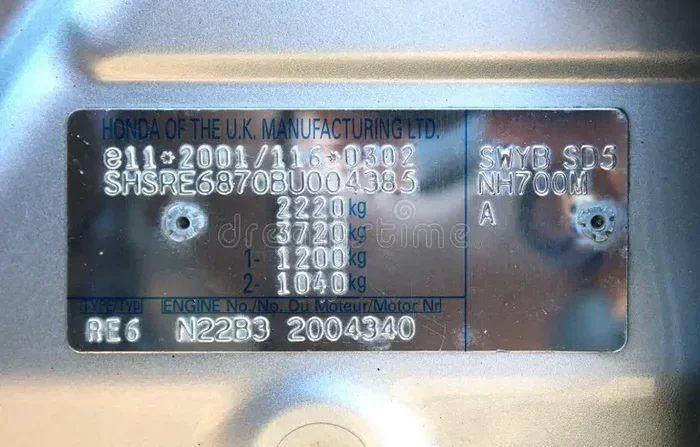
You can find this information in a few places. Check your owner’s manual first. It usually has a section dedicated to towing specs. You can also look at the door jamb sticker on the driver’s side. This sticker lists your truck’s Gross Vehicle Weight Rating, or GVWR. That number is critical because it includes the weight of the truck itself plus passengers, cargo, and the trailer.
Another resource is the manufacturer’s website. Most truck brands let you look up your exact model and year. You will find the towing capacity listed there. Write this number down. It becomes your starting point for every upgrade decision you make.
Know the Difference Between Towing and Payload
Many people confuse towing capacity with payload capacity. They are not the same thing. Towing capacity refers to how much weight your truck can pull behind it on a trailer. Payload capacity refers to how much weight your truck can carry in its bed and cabin.
Both numbers matter when you are hauling heavy loads. If you overload the payload, you can damage your truck’s frame and suspension. If you exceed towing limits, you risk losing control of the vehicle. Always check both numbers before planning a heavy haul.
Upgrading the Hitch and Trailer System
Choose the Right Hitch Receiver
The hitch is the connection point between your truck and the trailer. Upgrading your hitch is one of the most effective ways to add towing capacity. A Class IV or Class V hitch receiver handles much more weight than a standard Class I or II hitch.
Look for a hitch made from forged steel. It is stronger and more durable than cast alternatives. Make sure the hitch matches your truck’s receiver tube size. Most modern trucks use a two-inch receiver, but some full-size models use a two-and-a-half-inch receiver.
Installation is usually straightforward. Many hitches bolt directly into existing mounting points on the truck frame. If you are not comfortable doing it yourself, a local mechanic or truck accessory shop can install it for you in under an hour.
Add a Weight Distribution Hitch
When you tow a heavy trailer, the weight shifts toward the rear of your truck. This can make the front end light and hard to steer. A weight distribution hitch solves this problem by spreading the trailer weight more evenly across all four wheels.
This upgrade is especially helpful when you are near your truck’s maximum towing limit. It improves stability and keeps your truck level while driving. You will notice a big difference in handling, especially on highways and during turns.
Weight distribution hitches come with spring bars and a head assembly. Make sure you choose one that matches your trailer’s coupler size. Common sizes include 2-inch and 2-and-a-half-inch trailer balls.
Select the Right Trailer Ball and Coupler
Do not overlook the small stuff. The towing ball and coupler are the actual points of contact between your truck and trailer. Using the wrong size can be dangerous and reduce your effective towing capacity.
Always match the ball size to the coupler size. Check both pieces for wear and cracks before every trip. A damaged ball or coupler can fail under heavy load, leading to a serious accident. Replace any worn parts immediately.
Enhancing Suspension and Frame Strength
Upgrade to Heavy-Duty Springs
Your truck’s suspension handles a lot of stress when towing. Stock springs are designed for the truck’s factory-rated capacity. When you start towing heavier loads, those springs can sag and bottom out. Upgrading to heavy-duty towing springs is a smart move.
Leaf springs and coil spring upgrades are available for most truck models. Heavy-duty springs have a higher load rating, which means they can handle more weight without sagging. This improves ride quality and keeps your truck level when fully loaded.
Some truck owners also add helper springs or spring helpers. These are additional springs that kick in when the main springs compress under heavy load. They are a cost-effective way to boost towing support without replacing the entire spring system.
Install Heavy-Duty Shock Absorbers
Shock absorbers work hand in hand with your springs. When you tow heavy loads, stock shocks can wear out quickly. They lose their ability to dampen bumps and vibrations. This leads to a rough ride and reduced trailer stability.
Heavy-duty shock absorbers are built with larger pistons and stronger damping fluid. They handle the extra weight and constant motion of towing much better. Look for shocks specifically rated for towing applications. Brands like Bilstein, Monroe, and Fox offer excellent towing-specific options.
Consider a Torsion Bar Upgrade
If your truck uses a torsion bar suspension, you may be able to adjust or upgrade it. Some torsion bar systems allow you to increase the ride height and load capacity. Check with your truck’s manufacturer or a suspension specialist for options.
Upgrading the torsion bar can improve both towing capacity and overall handling. It keeps the truck level and prevents the front end from dipping when you attach a heavy trailer.
Boosting Engine and Transmission Performance
Add a Transmission Cooler
Your truck’s transmission works overtime when you tow heavy loads. Stock transmission coolers are often not enough for serious towing. Adding an auxiliary transmission cooler is one of the best upgrades you can make.
A transmission cooler works like a radiator for your transmission fluid. It keeps the fluid temperature lower, which prevents overheating and extends the life of the transmission. Overheating is one of the biggest causes of transmission failure in trucks used for towing.
You can mount a transmission cooler in front of the existing radiator or on the front bumper. Most aftermarket coolers bolt on easily and come with their own hoses and fittings. Installation is straightforward for anyone with basic mechanical skills.
Upgrade the Exhaust System
A free-flowing exhaust system helps your engine breathe better. When your engine can expel exhaust gases more efficiently, it produces more torque. More torque means better towing performance.
Look for a cat-back exhaust system designed for your truck model. These systems replace the factory exhaust from the catalytic converter back. They are relatively easy to install and can improve both towing power and fuel efficiency.
Consider Engine Tuning or Programmer
An engine tuner or programmer can unlock extra power from your truck’s engine. These devices adjust fuel delivery, ignition timing, and boost pressure to optimize performance under load.
Many tuners come with specific towing modes. These modes adjust engine parameters to provide smoother and more consistent power when pulling a trailer. Some tuners also monitor transmission temperature and boost pressure, giving you real-time data while towing.
Just be careful not to push your engine beyond safe limits. Always follow the manufacturer’s guidelines and stay within your truck’s overall weight ratings.
Check the Cooling System
Towing puts extra strain on your truck’s cooling system. The radiator, water pump, and thermostat all work harder to keep the engine at a safe temperature. Consider upgrading to a high-performance radiator if you plan to tow frequently or in hot climates.
A better radiator dissipates heat more effectively. This keeps your engine running cool even when you are hauling heavy loads up steep grades or through stop-and-go traffic.
Essential Towing Safety and Accessory Upgrades
Install a Brake Controller
If your trailer has its own brakes, you need a brake controller in your truck. A brake controller lets you apply the trailer brakes smoothly and in sync with your truck’s brakes. Without one, the trailer can push your truck during stops, which is extremely dangerous.
Time-delay brake controllers are the most common type. They apply trailer brakes with a short delay after you press the truck brake pedal. Proportional controllers are more advanced. They sense how quickly you are slowing down and apply the trailer brakes with matching force.
Installing a brake controller is a DIY-friendly project. Most units mount under the dashboard and wire directly into the truck’s electrical system. Follow the installation instructions carefully and test the system before every trip.
Add Towing Mirrors
Standard side mirrors are often not wide enough to see past a trailer. Blind spots become much larger when you are towing. Upgrading to towing mirrors gives you a much better view of the road behind and beside your trailer.
Clip-on towing mirrors are the easiest option. They attach to your existing mirrors and extend outward. Powered and heated towing mirrors offer even more convenience. Choose mirrors that are rated for the width of your trailer.
Upgrade Trailer Wiring and Lighting
Proper wiring ensures your trailer lights, brake lights, and turn signals work correctly. A bad wiring connection is not just an inconvenience. It is a serious safety hazard. Other drivers cannot see your signals or brake lights, which increases the risk of a collision.
Invest in a quality wiring harness that matches your truck and trailer connectors. Check all connections before every trip. Carry spare bulbs and a multimeter for quick troubleshooting on the road.
Use Proper Towing Tires and Wheels
Your truck’s tires are the only thing connecting you to the road. When towing, they carry the full weight of the trailer. Make sure your tires are rated for the load you are pulling. Check the tire sidewall for the load rating and maximum cold tire pressure.
Consider upgrading to tires specifically designed for towing. These tires have stronger sidewalls and better heat dissipation. They handle the extra weight and stress of towing more safely than standard passenger tires.
Legal Considerations and Weight Limits
Stay Within Gross Vehicle Weight Rating
Every truck has a Gross Vehicle Weight Rating, or GVWR. This is the maximum total weight of the truck plus passengers, cargo, and trailer. Exceeding the GVWR is illegal and dangerous. It can also void your truck’s warranty and insurance coverage.
To stay legal and safe, weigh your truck fully loaded before a trip. You can find public weigh stations at many truck stops. Make sure the combined weight of your truck and trailer stays below the GVWR.
Know Your State and Local Towing Laws
Towing laws vary by state and even by municipality. Some states require special permits for oversized loads. Others have speed restrictions for trucks towing trailers. Check your local laws before every trip, especially if you are crossing state lines.
Common requirements include safety chains, breakaway brakes, and visible trailer identification numbers. Make sure your setup meets all legal requirements. Being prepared keeps you safe and avoids costly fines.
Get Your Truck Inspected
Before making major towing upgrades, have your truck inspected by a qualified mechanic. They can check the frame, suspension, brakes, and transmission for any existing issues. Addressing problems before you start towing prevents costly breakdowns and safety risks.
A professional inspection also gives you a baseline. You will know exactly what condition your truck is in and what upgrades will make the biggest difference for your towing needs.
Conclusion
Adding towing capacity to your truck is a journey that starts with knowledge and ends with the right upgrades. You now know how to find your truck’s current limits, choose the right hitch system, upgrade your suspension, boost engine performance, and add essential safety gear. Every upgrade you make brings you closer to pulling heavier loads with confidence.
Remember that towing safety is the most important thing. Do not skip inspections, do not ignore weight limits, and always test your setup before a long trip. The upgrades in this guide will help you increase towing capacity safely and effectively.
Start with the upgrades that matter most for your needs. If you mostly haul light loads, a quality hitch and weight distribution system might be all you need. If you plan to tow heavy trailers regularly, invest in suspension upgrades, a transmission cooler, and a brake controller. Build your setup step by step, and always prioritize safety over speed or cost savings.
Your truck is a powerful tool. With the right upgrades and a smart approach, you can unlock its full towing potential. Now go out there and pull with confidence.
Frequently Asked Questions
What is the easiest way to add towing capacity to my truck?
The easiest way is to upgrade your hitch receiver and add a weight distribution hitch. These two changes can significantly improve your truck’s towing ability without requiring major mechanical work. They are also relatively affordable and simple to install.
Can I increase my truck’s towing capacity with just a hitch upgrade?
A hitch upgrade alone will not dramatically increase your towing capacity. The hitch connects the trailer to the truck, but the real limits come from the engine, transmission, suspension, and frame. For meaningful gains, you need to combine hitch upgrades with other improvements like better springs, a transmission cooler, and upgraded tires.
How much does it cost to add towing capacity to a truck?
The cost varies widely depending on the upgrades you choose. A quality hitch receiver and weight distribution hitch can cost between $500 and $1,500. Suspension upgrades may add another $500 to $2,000. Transmission coolers run around $150 to $400. Total costs can range from a few hundred dollars to several thousand for a full towing package.
Do I need a brake controller for towing?
If your trailer has its own brakes, you absolutely need a brake controller. It ensures the trailer brakes activate in sync with your truck’s brakes. Without a brake controller, stopping distances increase dramatically and you risk jackknifing or losing control. Most states also require brake controllers for trailers over a certain weight.
Will adding towing capacity void my truck’s warranty?
This depends on the manufacturer and the type of upgrades you make. Factory towing packages are always covered. Aftermarket upgrades like hitches and mirrors usually do not void the warranty. However, engine or transmission modifications that cause damage may not be covered. Always check your warranty terms and consult your dealer before making major changes.
What is the safest way to tow near my truck’s maximum capacity?
The safest way is to keep your load balanced and evenly distributed across the trailer. Use a weight distribution hitch to keep the truck level. Check tire pressure before every trip. Drive at moderate speeds and allow extra stopping distance. Have your truck inspected regularly and monitor transmission and engine temperatures while towing.
=== QUICK TIPS ===
Quick Tips for Towing Success
- Always weigh your truck and trailer at a public scale before a trip.
- Check tire pressure on both the truck and trailer every time.
- Test all trailer lights and signals before hitting the road.
- Use safety chains crossed under the trailer coupler.
- Allow at least four seconds of following distance when towing.
- Practice backing up and turning in an empty parking lot before your trip.
- Keep a spare tire and basic tools in your truck for emergencies.
=== COMMON MISTAKES ===
Common Mistakes to Avoid
- Exceeding the Gross Vehicle Weight Rating without realizing it.
- Using the wrong size hitch ball for your trailer coupler.
- Ignoring transmission temperature when towing long distances.
- Skipping the weight distribution hitch for heavy loads.
- Not checking tire condition and pressure before every trip.
- Overloading the truck bed instead of using a properly sized trailer.
=== EXPERT INSIGHTS ===
What the Pros Say About Towing Upgrades
Experienced truck owners and mechanics agree that the biggest mistake people make is underestimating the importance of the braking system. A quality brake controller and properly functioning trailer brakes are non-negotiable for safe towing. Many also emphasize that transmission cooling is often overlooked but is critical for long-term reliability.
Another expert tip is to always match your towing setup to the trailer, not just the truck. A heavy-duty hitch on a light trailer will not cause problems, but a light hitch on a heavy trailer can be catastrophic. Always choose equipment rated above the weight you plan to tow.