Simple Ways to Cancel Cruise Control in Your Car Today
Cancel cruise control quickly and safely using the brake pedal, steering wheel buttons, or your dashboard switch. Understanding how to disengage cruise control keeps you in charge of your vehicle speed control at all times. This guide covers every method, common problems, and expert tips for any car model.
Cancel cruise control is one of the simplest yet most important skills every driver should master. You might be cruising along the highway at a steady speed, and suddenly traffic slows down or a sharp curve appears. Knowing exactly how to disengage cruise control in that moment can make all the difference. This guide walks you through every method, from the basic brake pedal trick to handling stubborn system glitches. By the end, you will know exactly how to take back control of your vehicle speed control in any situation.
Modern cars come packed with smart features, and the cruise control system is one of the most useful ones. But convenience only works when you understand how to turn it off. Whether you drive a sedan, SUV, or truck, the methods are similar across most vehicles. Let us dive into the details so you can drive with full confidence every time you hit the road.
Key Takeaways
- Brake pedal is the universal cancel method: Pressing the brake disengages cruise control in virtually every vehicle.
- Steering wheel buttons offer quick access: Most modern cars have a dedicated cancel button on the steering wheel or stalk.
- Adaptive cruise control works differently: It uses sensors and may require a different approach to deactivate.
- Malfunctions happen: Know what to do when your cruise control system fails to cancel properly.
- Regular maintenance prevents issues: Checking the cruise control fuse, cable, and module keeps the system working.
- Resume function brings cruise control back: After canceling, you can easily set it again at your desired speed.
📑 Table of Contents
- What Is Cruise Control and Why Would You Cancel It?
- How to Cancel Cruise Control Using the Brake Pedal
- Cancel Cruise Control Buttons on the Steering Wheel
- What to Do When Cruise Control Won’t Cancel
- Adaptive Cruise Control vs. Traditional Cruise Control
- Maintaining Your Cruise Control System for Best Performance
- Conclusion
What Is Cruise Control and Why Would You Cancel It?
The cruise control system is a feature that maintains your car’s speed without you needing to press the accelerator. You set a desired speed, and the system handles the throttle for you. It is a great tool for long highway drives. It reduces foot fatigue and helps you maintain a steady pace. But there are many reasons you might need to cancel cruise control during a trip.
When You Need to Turn Off Cruise Control
There are several common situations where you will want to deactivate cruise control right away:
- Traffic slows down: When cars ahead of you start moving slower, you need to slow down too. The cruise control system will not adjust for traffic on its own in older models.
- Sharp curves or turns: You need to manually control your speed through bends. The system keeps accelerating at the set speed if you do not cancel it.
- Wet or icy roads: Maintaining a constant speed on slippery surfaces can be dangerous. You want full control of your throttle and braking.
- Approaching a toll booth: You need to slow down and sometimes stop completely.
- System malfunction: If the cruise control module behaves strangely, you should turn it off immediately.
How the Cruise Control System Works
Understanding how the system works helps you understand why canceling it matters. The cruise control cable connects the steering wheel controls to the engine’s throttle. When you set a speed, the system sends a signal through this cable to hold the throttle open. When you cancel cruise control, that signal is cut. The throttle returns to manual control. The cruise control fuse and cruise control switch all work together to make this happen smoothly.
Quick Tip: Always keep your hands on the steering wheel and your foot near the brake pedal. Even with cruise control active, you remain responsible for steering and safe stopping. The system is an assistant, not a replacement for attentive driving.
How to Cancel Cruise Control Using the Brake Pedal
The brake pedal method is the most universal way to cancel cruise control. Almost every car on the road uses this approach. It is simple, reliable, and built into the design of every cruise control system. When you press the brake pedal, a signal sends to the cruise control module telling it to disengage. The vehicle speed control returns to manual operation immediately.
Step-by-Step: Using the Brake Pedal to Cancel
- Stay calm and look ahead: Keep your eyes on the road. Do not stare at the pedal.
- Press the brake pedal firmly: You do not need to slam it. A steady, firm press is enough.
- Watch for the indicator light: Most dashboards show a cruise control light that turns off when the system disengages.
- Release the brake when ready: The system stays off until you manually set it again.
This method works whether you are driving a manual or automatic transmission. It is the go-to way to decelerate manually and take back control. The brake pedal cancel design is intentional. Car engineers built it this way because the brake is the most instinctive pedal for drivers to reach in an emergency.
Expert Insight: Many drivers develop the habit of resting their foot near the brake pedal even on open highways. This simple habit ensures you can cancel cruise control instantly if something unexpected happens. It is a small change that greatly improves your reaction time.
Common Mistakes with the Brake Pedal Method
- Tap-tap-tapping the brake: Light tapping may not register. Press the pedal with enough force to trigger the switch.
- Confusing the brake with the clutch: In manual transmission cars, some drivers press the clutch instead of the brake. The clutch may or may not cancel cruise control depending on your vehicle. Always use the brake for a guaranteed cancel.
- Forgetting the cruise control light: After pressing the brake, glance at your dashboard. Make sure the cruise control indicator has turned off before proceeding.
Cancel Cruise Control Buttons on the Steering Wheel
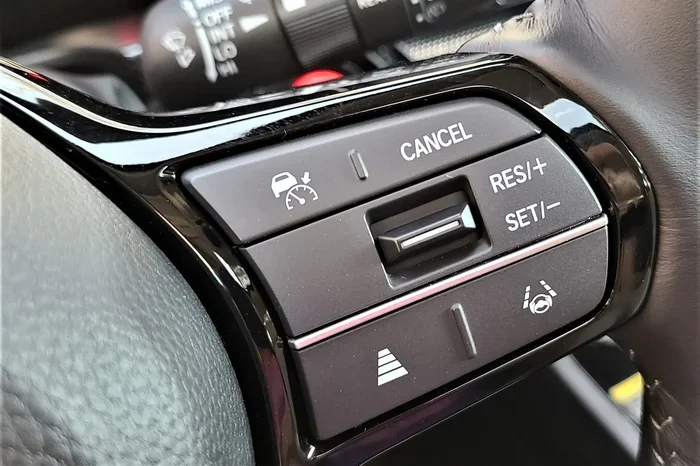
Most modern vehicles have a dedicated cancel cruise control button right on the steering wheel or steering column stalk. This gives you a second way to deactivate cruise control without touching the brake pedal. It is especially handy in situations where you want to slow down slightly but do not want to fully disengage the system.
Locating Your Cancel Button
The location of the cruise control button varies by car brand and model. Here are the most common places to find it:
- On the steering wheel spokes: Many cars like Toyota, Honda, and Ford place a dedicated button on the left or right spoke. Look for a symbol that looks like a speedometer with a line through it.
- On the steering column stalk: Some vehicles, especially older models, have the cruise control switch on the turn signal stalk.
- On the dashboard console: A few cars place the cancel button on the center console near the climate controls.
Once you find the button, simply press it to cancel cruise control. The cruise control deactivate happens instantly. The set speed is cleared from memory, but you can resume cruise control later if conditions allow.
Quick Tip: Take a moment when you get a new car to locate all the cruise control system controls. Familiarity with the buttons means you can disengage cruise control without taking your eyes off the road for long.
What Happens After You Press Cancel
When you press the cancel cruise control button, the system releases the throttle. Your car begins to decelerate naturally based on road conditions and friction. The cruise control reset happens automatically. The set speed is cleared from the system’s memory. If you want to return to the same speed later, you will need to set cruise control again at that speed.
The resume cruise control function is different from cancel. Resume brings back the previously set speed. Cancel clears it entirely. Understanding this difference helps you use your cruise control more effectively and safely.
What to Do When Cruise Control Won’t Cancel
Sometimes the cruise control system does not respond the way it should. You press the brake, but the cruise control fault light stays on. Or you hit the cancel button, and the throttle does not release. These situations are frustrating, but they are also fixable in most cases.
Common Reasons Cruise Control Fails to Cancel
Several issues can prevent you from cancel cruise control properly:
- Blown cruise control fuse: The cruise control fuse powers the entire system. If it blows, the system may behave erratically or fail to respond to cancel commands. Check your owner’s manual for the fuse box location.
- Faulty brake light switch: The brake pedal cancel relies on the brake light switch. If this switch fails, the system does not receive the signal to disengage. This is a common and inexpensive fix.
- Damaged cruise control cable: The cruise control cable connects the throttle to the control module. A stretched or frayed cable can cause the system to stick or fail to cancel.
- Dirty or stuck throttle body: Carbon buildup on the throttle body can prevent the system from releasing the throttle when you cancel.
- Software glitch in adaptive systems: Cars with adaptive cruise control have complex computers. A temporary software glitch can cause the system to ignore cancel inputs.
Step-by-Step Troubleshooting
Follow these steps if your cruise control malfunction will not go away:
- Try the brake pedal firmly: Sometimes a light press does not work. Press the brake with more force.
- Turn the ignition off and on: This performs a quick cruise control reset on most vehicles. Turn the key to off, wait ten seconds, and turn it back on.
- Check the fuse: Locate the cruise control fuse in your owner’s manual. Replace it if it is blown.
- Consult your owner’s manual: Every car has a specific troubleshooting section for the cruise control system.
- Visit a mechanic: If none of the above works, a professional can diagnose the cruise control fault properly.
Common Mistake: Do not ignore a cruise control that will not cancel. Driving with a malfunctioning vehicle speed control system can be dangerous. Address the issue before your next trip.
Adaptive Cruise Control vs. Traditional Cruise Control
Not all cruise control systems are the same. Traditional cruise control maintains a fixed speed. Adaptive cruise control uses sensors and radar to keep a safe following distance from the car ahead. The way you cancel cruise control differs slightly between these two systems.
How Traditional Cruise Control Cancellation Works
With a traditional cruise control system, canceling is straightforward. Press the brake pedal or the cancel button. The throttle releases. The system is off until you manually set cruise control again. This type of system is found in most cars, especially older models and base trim levels.
How Adaptive Cruise Control Cancellation Works
Adaptive cruise control adds complexity. The system uses a cruise control module that processes data from radar sensors and cameras. To disengage cruise control on an adaptive system:
- Press the brake pedal: This is the primary cancel method, just like traditional systems.
- Press the cancel button: Most adaptive systems have a dedicated cancel button on the steering wheel.
- Press the resume button: After canceling, the resume button may bring back the adaptive system at the previously set speed and following distance.
The adaptive cruise control system may also cancel automatically in certain conditions. For example, if the system detects an obstacle ahead, it may slow down or stop the car. Some systems fully cancel and require you to set cruise control again after a full stop.
Comparison: Traditional vs Adaptive Cruise Control
| Feature | Traditional Cruise Control | Adaptive Cruise Control |
|---|---|---|
| Speed Maintenance | Fixed set speed | Adjusts speed based on traffic |
| Cancel Method | Brake pedal or cancel button | Brake pedal, cancel button, or automatic |
| Resume After Cancel | Manual reset required | Resume returns to set speed and distance |
| Sensors Required | None | Radar, camera, or lidar sensors |
| Common in | Older and base model cars | Newer and higher trim levels |
| Throttle Cancellation | Mechanical cable | Electronic throttle control |
Understanding the difference between these two systems helps you cancel cruise control more effectively. Always refer to your specific vehicle’s manual for the exact steps. The cruise control deactivate process is slightly different on every make and model.
Maintaining Your Cruise Control System for Best Performance
A well-maintained cruise control system works reliably every time you need it. Regular maintenance reduces the chances of a cruise control malfunction and ensures smooth cruise control cancel and resume cruise control operations. Here are simple steps to keep your system in top shape.
Routine Checks You Can Do Yourself
- Check the cruise control fuse regularly: A blown fuse is the most common cause of cruise control issues. It is an easy and cheap fix. Locate the fuse box and inspect the cruise control fuse at least once a year.
- Inspect the cruise control cable: The cruise control cable connects the throttle to the control module. Look for signs of wear, fraying, or stretching. A damaged cable causes erratic cruise control behavior.
- Keep the throttle body clean: Carbon buildup affects throttle response. A clean throttle body helps the cruise control module engage and disengage smoothly.
- Check brake light switches: The brake pedal cancel relies on this switch. If your brake lights do not come on when you press the pedal, the switch may need replacing.
When to See a Professional
Some issues are beyond DIY fixes. If you notice any of the following, take your car to a qualified mechanic:
- The cruise control fault light stays on after you try resetting the system.
- The system engages but will not cancel no matter what you do.
- The throttle behaves strangely when cruise control is active.
- You hear unusual noises from the engine bay when the system is running.
Expert Insight: A professional diagnostic scan can reveal hidden issues with the cruise control module. Modern cars store error codes that point directly to the problem. This saves time and money compared to guessing what is wrong.
Tips for Safe Cruise Control Use
Using cruise control safely means knowing when to engage it and when to cancel cruise control. Here are some practical tips:
- Use cruise control on open highways: It works best on long, straight roads with steady traffic flow.
- Cancel it in heavy traffic: Stop-and-go traffic is not a good environment for cruise control.
- Turn it off in bad weather: Rain, snow, and ice make cruise control unsafe. You need full manual control of your vehicle speed control.
- Stay alert: Cruise control does not replace your attention. Keep both hands on the wheel and your eyes on the road.
- Know your car: Read your owner’s manual. Every vehicle has unique features and procedures for the cruise control system.
Quick Tip: After canceling cruise control, take a moment to reassess your speed. Use your speedometer to confirm you are at a safe pace before merging or changing lanes. This simple habit builds safe driving routines that last a lifetime.
Conclusion
Cancel cruise control is a fundamental driving skill that every car owner should know cold. Whether you use the brake pedal, the steering wheel button, or the dashboard switch, the method you choose depends on your vehicle and the situation. Understanding how your cruise control system works gives you the confidence to use it safely and turn it off whenever needed.
Remember that the brake pedal is the universal cancel method across all vehicles. The cancel cruise control button on the steering wheel offers a quick alternative. And when things go wrong, knowing how to troubleshoot common problems saves time and money. From traditional systems to adaptive cruise control, the principles remain the same: you are always in charge of your vehicle speed control.
Take a few minutes today to familiarize yourself with your car’s cruise controls. Locate the buttons. Test the cancel function in a safe, open area. This small investment in knowledge pays off every time you drive. Safe travels, and never hesitate to disengage cruise control when the road demands it.
Frequently Asked Questions
Can I cancel cruise control without pressing the brake pedal?
Yes, most vehicles have a dedicated cancel button on the steering wheel or steering column stalk. This allows you to disengage cruise control without touching the brake. Check your owner’s manual to find the exact location of the cancel button in your car.
Why does my cruise control keep turning off by itself?
This is usually caused by a blown cruise control fuse, a faulty brake light switch, or a problem with the cruise control cable. The cruise control module may also shut down the system if it detects a fault. Have a mechanic inspect the system if this happens frequently.
Does pressing the clutch cancel cruise control in manual transmission cars?
In many manual transmission vehicles, pressing the clutch pedal does cancel the cruise control system. However, the brake pedal is the most reliable method for all cars. Always use the brake pedal if you are unsure whether the clutch will work as a cancel input.
How do I resume cruise control after canceling it?
After you cancel cruise control, press the resume button on your steering wheel. The system will return to the previously set speed. Note that some vehicles require you to set cruise control again if you have changed your speed significantly before resuming.
Is it safe to use cruise control in the rain?
It is generally not recommended. Wet roads reduce traction, and the cruise control system maintains a constant speed that may be unsafe on slippery surfaces. Deactivate cruise control in rainy or icy conditions and drive manually for better control.
What is the difference between cancel and resume on cruise control?
The cancel function turns off the cruise control system and clears the set speed from memory. The resume function brings back the previously set speed after you have canceled. They serve different purposes, so it is important to know which one to use in different driving situations.