How Can I Empty My Car Gas Tank With These Simple Tips
Knowing how to empty your car gas tank is a valuable skill for every car owner. Whether you need to remove old fuel, perform repairs, or prepare your vehicle for storage, draining the tank is straightforward when you have the right approach. This guide covers every method, safety tip, and disposal rule you need to know.
There are many reasons you might need to empty your car gas tank. Maybe you accidentally filled up with the wrong fuel type. Perhaps your car has been sitting for months and the gas has gone bad. Or maybe you are preparing your vehicle for long-term storage. Whatever the reason, learning how to drain fuel from your tank is a handy skill every car owner should have.
The good news is that you do not need to be a professional mechanic to do this. With a few basic tools and some simple steps, you can empty a gas tank safely and quickly. In this guide, we will walk you through every method, safety precaution, and disposal tip you need to know. Let us get started.
Key Takeaways
- Multiple methods work: You can drain your tank using the drain valve, a siphon pump, or by disconnecting the fuel lines.
- Safety comes first: Always work in a ventilated area away from open flames and wear protective gear.
- Proper disposal matters: Never dump old gasoline down drains or in the trash. Take it to a recycling center.
- Tools are simple: Most methods require basic items you likely already own, like a siphon pump, fuel canister, and wrench.
- Regular fuel maintenance helps: Draining old gas prevents engine problems and keeps your fuel system clean.
- Know your vehicle: Different cars have different access points, so check your owner’s manual before starting.
- Time varies by method: Draining can take anywhere from 15 minutes to an hour depending on the approach you use.
📑 Table of Contents
- Why You Might Need to Empty Your Car Gas Tank
- How to Empty a Gas Tank Using the Drain Valve
- Siphoning Gas From Your Tank: A Step-by-Step Guide
- Using the Fuel Pump to Drain Your Tank
- Safety Precautions When Emptying a Gas Tank
- What to Do With the Removed Gasoline
- How to Prevent Future Fuel Problems
- Conclusion
Why You Might Need to Empty Your Car Gas Tank
Before we dive into the how-to, let us talk about why you might need to drain fuel tank in the first place. Understanding the reason helps you choose the best method and timing.
You Put the Wrong Fuel in Your Car
This happens more often than you might think. Maybe you grabbed the nozzle for diesel instead of regular unleaded. Or perhaps you filled a gasoline engine with E85 by mistake. When this happens, you need to empty the gas tank quickly to prevent damage to your engine and fuel system. The sooner you act, the better. Even a small amount of wrong fuel can cause serious problems if the engine runs.
Your Car Has Been Sitting for a Long Time
Gasoline goes bad. Over time, it loses its volatility and can turn into a sticky, varnish-like substance. Old fuel can clog your fuel filter, damage the fuel injectors, and gunk up the fuel pump. If your car has been sitting in the garage for more than six months, draining the tank and refilling with fresh gas is a smart move. This simple step can save you from expensive car repair bills down the road.
You Are Preparing for Long-Term Storage
Planning to store your car for the winter or for an extended trip? An empty gas tank prevents moisture buildup and fuel degradation. Many car owners drain the fuel tank before storing vehicles to avoid these issues. It also reduces the risk of fuel leaks while the car sits unused.
You Need to Clean or Repair the Tank
Sometimes the tank itself needs attention. Rust inside the tank, a damaged fuel line, or a faulty fuel pump may require you to fully empty the gas tank before work can begin. In these cases, complete fuel removal is essential for safety and proper repair.
How to Empty a Gas Tank Using the Drain Valve
The drain valve method is the simplest and most common way to remove fuel from a tank. Many modern vehicles come equipped with a drain plug or valve located underneath the tank. This is the easiest starting point.
Step-by-Step Instructions
- Park on a flat surface. Make sure your car is on level ground and the engine is cool.
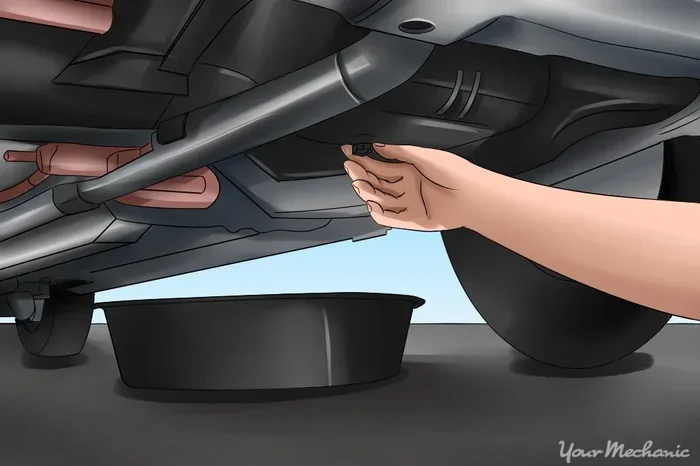
- Locate the drain valve. Look underneath your car near the bottom of the fuel tank. It usually looks like a small bolt or valve. Check your owner’s manual for the exact location.
- Place a fuel canister below the valve. Position a gas-safe container directly under the drain point to catch the fuel.
- Open the valve carefully. Use a wrench if needed. Turn it slowly and let the fuel flow out at a controlled pace.
- Let the tank drain completely. This can take anywhere from 10 to 30 minutes depending on how much fuel is in the tank.
- Close the valve tightly. Once the tank is empty, close the valve securely and clean up any spills.
Quick Tips for the Drain Valve Method
- Use a transparent container so you can see when the fuel flow stops.
- Keep a rag handy to wipe up any drips around the valve area.
- Do not overtighten the valve when closing it. This can strip the threads and cause leaks.
- Check for residual fuel. Even after draining, a small amount of fuel may remain in the lines. This is normal.
Common Mistakes to Avoid
- Forgetting to check the fuel level first. A nearly empty tank will drain much faster and may not need a full drain procedure.
- Using the wrong container. Always use a container designed for fuel storage. Regular plastic containers can degrade and leak.
- Ignoring fuel residue. Even small amounts of leftover fuel can cause issues if you are planning to store the car.
Siphoning Gas From Your Tank: A Step-by-Step Guide
If your car does not have a drain valve, or if you need to remove fuel quickly, siphoning gas is your best bet. This method uses suction to pull fuel out through the filler neck on top of the tank.
What You Will Need
- A siphon pump (manual or battery-operated)
- A fuel canister rated for gasoline storage
- A length of fuel-safe tubing
- Rags or absorbent pads for spills
How to Siphon Fuel Safely
- Open the fuel filler cap. This gives you access to the top of the tank and breaks the vacuum seal.
- Insert the siphon pump tube into the tank. Push it down gently until it reaches the bottom of the tank where the fuel pools.
- Place the other end of the tube into the fuel canister. Make sure the canister is positioned lower than the tank so gravity helps the flow.
- Start the siphon. If you are using a manual pump, pump the handle up and down until fuel begins to flow. For a battery-operated siphon, simply turn it on.
- Let the fuel flow out completely. Monitor the process and never leave it unattended.
- Remove the tube and seal the canister. Once draining is complete, carefully pull the tube out and secure the fuel container.
Expert Insights on Siphoning
Many people worry about siphoning gas because they think it is complicated or dangerous. In reality, a siphon pump makes the process clean and easy. The key is to use the right equipment. A manual siphon pump costs under twenty dollars at any auto parts store and works like a charm. Battery-operated versions are even easier but cost a bit more. Either way, you can drain the tank in under thirty minutes with a siphon pump.
Quick Tip
If you do not have a siphon pump, you can use the old-fashioned mouth-start method. However, this is not recommended due to the risk of ingesting fuel. Always use a proper pump tool for safety.
Using the Fuel Pump to Drain Your Tank
Some vehicles allow you to use the fuel pump to drain the tank from the top. This method works well when you have access to the fuel system but not the bottom of the tank.
Method One: Disconnect the Fuel Line
This method involves locating the fuel line where it connects to the fuel pump and carefully disconnecting it. Place a container underneath to catch the fuel as it drains out. This approach works well for vehicles where the fuel lines are accessible under the car or in the engine bay.
Here is how to do it:
- Relieve the fuel system pressure. You can do this by removing the fuel pump fuse and starting the engine. Let it run until it stalls. This releases pressure in the lines.
- Locate the fuel feed line. Follow the fuel line from the engine to the tank. You will find a quick-connect fitting where the line meets the tank.
- Place a container below the connection point. Have your fuel canister ready.
- Disconnect the fitting carefully. Use the appropriate tool to release the quick-connect. Fuel will begin to flow out immediately.
- Allow the tank to drain. Let gravity do the work. This may take 20 to 40 minutes.
- Reconnect the fuel line once the tank is empty.
Method Two: Remove the Fuel Pump Assembly
For a more thorough approach, you can remove the entire fuel pump assembly from the top of the tank. This gives you full access to the inside of the tank for cleaning or inspection. However, this is a more involved process and is usually only done when the tank needs serious maintenance.
Comparison Table: Drain Valve vs. Siphon vs. Fuel Pump
| Method | Ease of Use | Time Required | Tools Needed | Best For |
|---|---|---|---|---|
| Drain Valve | Very Easy | 10-30 min | Wrench, fuel canister | Vehicles with accessible drain plug |
| Siphon Pump | Easy | 15-30 min | Siphon pump, fuel canister | Vehicles without drain valve |
| Fuel Pump Disconnect | Moderate | 30-60 min | Wrench, fuel canister, fuse puller | Full fuel system work or repairs |
Safety Precautions When Emptying a Gas Tank
Working with gasoline requires extra care. Fuel is highly flammable and can be dangerous if handled incorrectly. Following proper safety precautions protects you and your vehicle.
Work in a Well-Ventilated Area
Always drain your fuel tank outdoors or in a well-ventilated garage. Gasoline fumes are heavier than air and can pool in low areas. Never work in an enclosed space without proper airflow. Open all doors and windows if you must work in a garage.
Keep Away from Open Flames
This should go without saying, but it is worth repeating. No smoking, no sparks, and no open flames anywhere near your work area. Gasoline vapors can ignite from a single spark. Turn off your vehicle completely and keep all electrical devices away from the fuel.
Wear Protective Gear
Wear gloves to protect your hands from fuel contact. Safety glasses are also a good idea to prevent splashes from getting into your eyes. If fuel does get on your skin, wash it off immediately with soap and water.
Handle Spills Properly
If you spill fuel, clean it up right away. Use absorbent rags or pads and dispose of them properly. Never let gasoline run into storm drains or onto the ground. Gasoline disposal must follow local environmental regulations.
Expert Insight
Automotive safety experts always recommend keeping a fire extinguisher nearby when working with fuel. A small Class B extinguisher rated for flammable liquids can make a huge difference in an emergency. It takes only a few seconds to grab one, and it could save your life.
What to Do With the Removed Gasoline
Once you have successfully drained the fuel tank, you need to deal with the old gasoline properly. You cannot just throw it in the trash or pour it down the drain. Doing so is illegal in most areas and harmful to the environment.
Store the Fuel Safely
Transfer the old gasoline into a certified fuel container. These containers are designed to handle gasoline safely and prevent leaks. Store the container in a cool, well-ventilated area away from your home and any heat sources. Label the container clearly so everyone knows what is inside.
Take It to a Recycling Center
Most local recycling centers and hazardous waste facilities accept old gasoline for proper processing. You can also check with your local auto parts store or gas station. Many will accept small quantities of used fuel at no charge. Call ahead to confirm their policies before you go.
Can You Reuse Old Gasoline?
In some cases, yes. If the gasoline is less than six months old and has not been contaminated, you can mix it with fresh fuel at a ratio of one part old to one part new. This works for most small engines and vehicles. However, if the fuel looks dark, smells sour, or contains debris, it is best to dispose of it properly. Old gasoline can damage engines and should not be reused if it shows signs of degradation.
Common Mistakes with Fuel Disposal
- Pouring old gas down the drain. This is illegal and extremely harmful to waterways and soil.
- Storing fuel in unapproved containers. Milk jugs and non-rated plastic bottles can melt or leak.
- Leaving fuel containers in direct sunlight. Heat causes pressure to build up and increases the risk of leaks or explosions.
- Mixing different fuel types without knowing the effects. Diesel and gasoline should never be mixed together.
How to Prevent Future Fuel Problems
Once you have emptied your car gas tank and taken care of the old fuel, it is worth taking steps to prevent similar issues in the future. A little prevention goes a long way in keeping your fuel system healthy.
- Use a fuel stabilizer if you plan to store your car for more than a month. Stabilizer keeps gasoline fresh for up to two years.
- Fill up with quality fuel from reputable stations. Cheap fuel can contain contaminants that clog your fuel filter and fuel injectors.
- Replace your fuel filter regularly according to your vehicle’s maintenance schedule. A clean filter prevents debris from reaching the engine.
- Keep your tank at least half full during long storage periods. A full tank reduces moisture condensation inside the tank.
- Run your engine regularly if the car sits unused. Starting the car and letting it run for 15 minutes every two weeks keeps the fuel system in good condition.
Conclusion
Emptying your car gas tank is easier than most people think. Whether you use the drain valve, a siphon pump, or disconnect the fuel lines, each method gets the job done with basic tools and a little patience. The key is to work safely, dispose of old fuel properly, and take steps to prevent future fuel problems.
Remember that every vehicle is different. Always consult your owner’s manual before starting any fuel system work. If you are ever unsure about a step, a quick visit to your local mechanic can save you time and trouble. With the right knowledge and a little care, you can drain your fuel tank confidently and keep your car running smoothly for years to come.
Now that you know how to empty a gas tank the right way, you are better prepared for whatever comes your way. Whether it is wrong fuel, old gas, or a repair project, you have the skills to handle it. Safe driving and happy wrenching.
Frequently Asked Questions
Can I empty my gas tank without any special tools?
Yes, you can. If your vehicle has a drain valve, you only need a wrench and a fuel-safe container. If there is no drain valve, a basic siphon pump works well and costs very little. Most auto parts stores sell them for under twenty dollars.
How long does it take to empty a car gas tank?
It depends on the method you use. A drain valve can empty the tank in 10 to 30 minutes. Siphoning usually takes 15 to 30 minutes. Disconnecting the fuel line may take 30 to 60 minutes. The amount of fuel in the tank also plays a role.
Is it safe to siphon gas by mouth?
No, it is not safe. Siphoning by mouth can cause you to ingest gasoline, which is toxic and dangerous. Always use a proper siphon pump or a battery-operated siphon tool. These tools are cheap, effective, and keep you safe from fuel exposure.
Can I reuse gasoline that I drained from my tank?
It depends on the condition of the fuel. If the gasoline is less than six months old, looks clear, and smells normal, you can mix it with fresh fuel at a one-to-one ratio. If it is dark, smells sour, or contains particles, dispose of it at a recycling center.
Where can I dispose of old gasoline safely?
Take your old fuel to a local recycling center, hazardous waste facility, or participating auto parts store. Many gas stations also accept used gasoline. Never pour it down drains, onto the ground, or into regular trash. Always store it in a certified fuel container until you can dispose of it properly.
What happens if I don’t empty old gas before storing my car?
Old gasoline breaks down over time and can form varnish and gum deposits in your fuel system. This can clog your fuel filter, damage the fuel pump, and prevent your fuel injectors from working properly. When you try to start the car later, it may not run or could suffer lasting engine damage. Draining the tank before storage is a simple step that prevents costly problems.