Can a Snowbird Register a Car in Florida This Year
Yes, a snowbird can register a car in Florida, and the process is simpler than most people think. You just need proof of Florida residency, a valid driver’s license, and a few key documents. This guide walks you through every step, from gathering paperwork to paying fees, so you can hit the road with confidence this season.
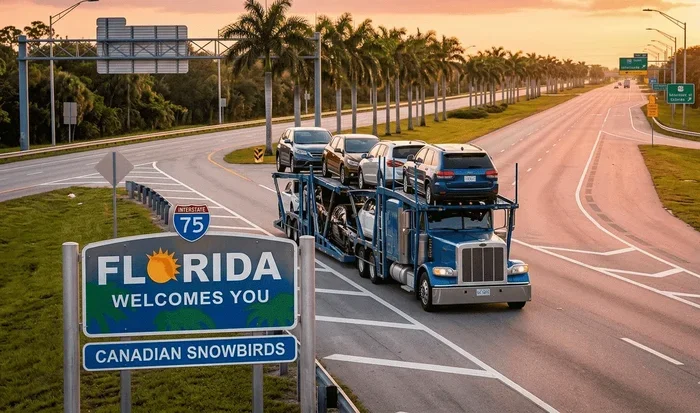
Every winter, hundreds of thousands of people pack their bags and head south. They chase warm beaches, sunny skies, and a break from freezing winters. These folks are called snowbirds, and Florida is their favorite destination. But when you spend several months in a new state, one question pops up fast: can a snowbird register a car in Florida? The short answer is yes. The longer answer is what this article covers in full detail.
Whether you are a first-time snowbird or a seasoned winter resident, understanding Florida’s vehicle registration rules saves time, money, and stress. You do not want to walk into a county tax collector office unprepared. So let us walk through everything you need to know about snowbird car registration in Florida. By the end of this guide, you will feel confident and ready to take action.
Key Takeaways
- Snowbirds can register cars in Florida: Florida allows seasonal residents to register vehicles, provided they meet residency requirements.
- Proof of residency is essential: You will need documents like utility bills, voter registration, or a Florida driver’s license.
- Costs vary by county: Registration fees, taxes, and titling costs differ depending on your local county tax collector.
- Insurance must be Florida-compliant: Your auto insurance policy must meet Florida’s minimum coverage requirements.
- The process takes one to two weeks: Plan ahead and visit your local county tax collector office or use their online services.
- Common mistakes delay registration: Missing documents, expired insurance, or incorrect forms can cause unnecessary delays.
- You do not need to give up your home state registration right away: Some snowbirds keep dual registration temporarily while transitioning.
📑 Table of Contents
- What Exactly Is a Snowbird, and Why Does It Matter for Car Registration?
- Can You Actually Register a Car in Florida as a Snowbird?
- What Documents Do You Need to Register a Car in Florida?
- Step-by-Step Process to Register Your Vehicle in Florida
- How Much Does It Cost to Register a Car in Florida?
- Common Mistakes Snowbirds Make When Registering a Car
- Pros and Cons of Registering a Car in Florida vs. Keeping Your Home State Registration
- Expert Tips for a Smooth Snowbird Car Registration Experience
- What Happens If You Drive Without Registering Your Car in Florida?
- Final Thoughts on Snowbird Car Registration in Florida
What Exactly Is a Snowbird, and Why Does It Matter for Car Registration?
A snowbird is someone who travels from a colder state to a warmer one during winter months. Most snowbirds come from the Northeast, Midwest, or Canada. They spend anywhere from three to six months in Florida enjoying the sunshine and warmer weather. But here is the thing: your legal residency status matters a lot when it comes to registering a vehicle in Florida.
Florida law does not have a strict definition of a snowbird. However, the state does have residency requirements for vehicle registration. If you stay in Florida long enough and can prove you live there, even seasonally, you qualify. This means you can register your car just like any Florida resident. You do not need to be a full-time resident year-round.
Many snowbirds wonder whether they need to cancel their out-of-state registration right away. The truth is, you do not have to rush. But if you plan to drive your car regularly in Florida, registering it locally makes sense. It keeps you legal, avoids fines, and ensures your auto insurance Florida coverage stays valid.
Can You Actually Register a Car in Florida as a Snowbird?
The short answer is absolutely yes. Florida welcomes snowbirds and allows them to register vehicles. The Florida Department of Highway Safety and Motor Vehicles (FLHSMV) sets the rules. You do not need to be a permanent resident. You just need to meet basic Florida residency requirements.
Here is what matters most. The state wants to see that you have a physical address in Florida. This means a home, condo, apartment, or even a friend’s house where you stay during the season. A P.O. box does not count. You also need a Florida driver’s license or state ID. These two things together show that you are a seasonal resident with a real connection to the state.
Some snowbirds worry about dual residency. They wonder if keeping their home state driver’s license while registering a car in Florida will cause problems. Generally, it does not. However, for tax and legal purposes, it is best to have one primary state of residence. If you are unsure, a quick call to your local county tax collector can clear things up.
Snowbird Residency Requirements for Vehicle Registration
To register a car in Florida, you must meet a few key requirements. These are not complicated, but they do require some planning. Here is what you need:
- A valid Florida driver’s license or state identification card
- Proof of Florida physical address (utility bill, lease agreement, or mortgage statement)
- A valid vehicle title from your home state or a lien release
- Florida-compliant auto insurance
- A completed Application for Certificate of Title (Form HSMV 82040)
- Payment for all applicable fees and taxes
These requirements apply to all vehicle owners in Florida, whether they are full-time residents or seasonal visitors. The Florida DMV does not treat snowbirds differently. You just need to provide the right paperwork. If you have all the documents ready, the process is smooth and straightforward.
What Documents Do You Need to Register a Car in Florida?
Gathering your documents before visiting the tax collector office saves a lot of headaches. Nobody wants to make multiple trips because of a missing paper. Here is a detailed list of everything you should bring.
Proof of Identity and Residency
Your Florida driver’s license is the single most important document. It proves your identity and your Florida residency at the same time. If you have not yet obtained a Florida license, you can visit any Florida DMV office to apply. You will need your out-of-state license, proof of your Florida address, and your Social Security number.
For proof of residency, the state accepts several documents. Utility bills, bank statements, and lease agreements all work. The key is that the document must show your Florida physical address and the date. Most offices want documents dated within the last 60 days. Keep this in mind when gathering your paperwork.
Vehicle Title and Ownership Documents
You need the original vehicle title from your home state. If there is a lien on the vehicle, you will need a lien release letter from the lender. If you recently purchased the car, bring the bill of sale as well. The title transfer process is part of registration, so having clean paperwork speeds things up.
For snowbirds who still owe money on their vehicle, the lienholder’s information must be updated. Contact your lender ahead of time to request a lien release. This is one of the most common reasons for delays in the registration process.
Auto Insurance That Meets Florida Standards
Florida requires all vehicle owners to carry minimum auto insurance coverage. This includes Personal Injury Protection (PIP) and Property Damage Liability (PDL). Your policy must be issued by a licensed Florida insurance company. If your current insurance is from another state, you may need to switch or add a Florida policy.
Do not try to use your out-of-state insurance as proof of coverage. The Florida insurance verification system will flag it. Call your insurance provider before your visit and confirm they have a Florida policy ready for you. This step is non-negotiable.
Step-by-Step Process to Register Your Vehicle in Florida
The registration process itself is not hard. It just requires you to follow the right steps in the right order. Here is a simple walkthrough that every snowbird can follow.
Step One: Get Your Florida Driver’s License
Before you do anything else, visit a Florida DMV office and apply for a driver’s license. This is the foundation of your entire registration process. You cannot register a vehicle without a Florida ID. The process usually takes less than an hour if you have all your documents ready.
Step Two: Gather Your Vehicle Documents
Collect your vehicle title, lien release (if applicable), bill of sale, and current insurance documents. Make copies of everything. Keep the originals in a folder and bring the copies as backup. It never hurts to be prepared.
Step Three: Visit Your Local County Tax Collector
Every county in Florida has a tax collector office that handles vehicle registration. Find the one nearest to your winter home. Walk in with all your documents and complete the application form. You can also check if your county offers online registration services. Many counties now allow you to start the process from home.
Step Four: Pay Your Fees and Taxes
You will need to pay registration fees, title fees, and sales tax. The total cost depends on your vehicle’s value, your county, and the type of registration. We will break down the costs in the next section. Have a payment method ready. Most offices accept cash, credit cards, and checks.
Step Five: Receive Your Florida License Plates
Once everything is processed, you will receive your Florida license plates and a registration decal. In most cases, you can get temporary plates right away while your permanent ones are printed. Your registration is valid for one year from the date of issue.
How Much Does It Cost to Register a Car in Florida?
Cost is a big concern for snowbirds. Nobody wants surprise fees. Florida’s registration fees depend on several factors, including your vehicle’s weight, value, and the county where you register. Let us break this down clearly.
| Fee Type | Estimated Cost | Notes |
|---|---|---|
| Title Fee | $75.25 | Flat fee for all vehicles |
| Registration Fee | $46.00 – $68.00 | Varies by county and vehicle type |
| Sales Tax | 6% – 7% of purchase price | Varies by county; some offer exemptions |
| License Plate Fee | $15.00 – $35.00 | Depends on plate type |
| Insurance (annual) | $1,200 – $2,500 | Varies widely by driver profile |
Keep in mind that snowbirds who own a vehicle in their home state may still owe taxes there. Some states offer credits for taxes paid in Florida, but not all do. Check with your home state’s DMV to understand your tax situation. This is an often-overlooked cost that can add up quickly.
One thing that helps snowbird budgets is Florida’s Hometown Hero discount for military members and veterans. If you qualify, you can save on registration fees. Also, some counties offer reduced fees for electric or hybrid vehicles. It is worth asking your tax collector about any available discounts.
Common Mistakes Snowbirds Make When Registering a Car
Even with the best intentions, snowbirds sometimes stumble during the registration process. These mistakes cause delays, extra trips, and unnecessary frustration. Here are the most common ones and how to avoid them.
Mistake One: Waiting Too Long to Start the Process
Many snowbirds wait until the last minute to register their vehicle. They assume they have plenty of time. But tax collector offices can get busy, especially during peak snowbird season. Start the process at least two to three weeks before you need your plates. This gives you a comfortable buffer.
Mistake Two: Forgetting to Update Insurance
This is the number one mistake snowbirds make. They show up at the tax collector office without Florida-compliant insurance. Their out-of-state policy does not count. Call your insurance provider well in advance and set up a Florida policy. It takes just a few minutes on the phone.
Mistake Three: Using a P.O. Box as Your Address
Florida law requires a physical street address for registration. A P.O. box does not qualify. If you are staying at a friend’s house or renting a condo, make sure your documents reflect that actual address. Even a temporary utility bill with your Florida address works perfectly.
Mistake Four: Not Bringing the Original Title
Copies of the title are not always accepted. You need the original document. If your title is lost, you must request a duplicate from your home state’s DMV before visiting the Florida tax collector. This alone can add days or even weeks to your timeline.
Mistake Five: Ignoring County-Specific Rules
Each Florida county has its own procedures and fee schedules. What works in Miami-Dade County may differ slightly from what works in Orange County. Check your county tax collector’s website for specific instructions. A quick phone call can save you a world of confusion.
Pros and Cons of Registering a Car in Florida vs. Keeping Your Home State Registration
Deciding whether to register in Florida or keep your out-of-state registration is a personal choice. Both options have advantages and disadvantages. Let us compare them side by side.
| Factor | Florida Registration | Home State Registration |
|---|---|---|
| Legal Compliance | Fully compliant with Florida law | May be flagged if caught driving without FL registration |
| Insurance | Florida policy required but straightforward | Out-of-state policy may not cover Florida driving |
| Fees and Taxes | One-time Florida sales tax plus annual fees | No Florida taxes, but may owe taxes in home state |
| Convenience | Easy access to local DMV services | Must manage registration from another state |
| Vehicle Inspections | No safety inspections required in Florida | Home state may require inspections |
| Long-Term Cost | Higher upfront cost but simpler overall | Lower upfront cost but more administrative hassle |
For most snowbirds, registering in Florida makes the most sense. It simplifies your life, keeps you legal, and avoids potential issues with insurance or law enforcement. However, if you only spend a few weeks in Florida, keeping your home state registration might be the better choice. Consider your situation carefully.
Expert Tips for a Smooth Snowbird Car Registration Experience
After helping hundreds of snowbirds navigate the registration process, here are the best tips that make everything easier. These are practical, real-world insights that you will not find on the official state website.
- Call ahead: Contact your county tax collector before your visit. Ask about required documents and current wait times. Some offices let you book appointments online.
- Go early in the day: Arrive when the office opens. Lines build up fast, especially during January and February when snowbird season peaks.
- Bring a notary: Some forms need notarization. Having a notary on hand saves you from making a separate trip.
- Check your VIN: Make sure your vehicle identification number matches all your documents exactly. Even one wrong digit causes rejection.
- Ask about online services: Many Florida counties now offer online registration renewal and titling. This can save you an in-person visit entirely.
- Keep copies of everything: Make color copies of every document you submit. If anything gets lost, you have a backup.
One more tip that seasoned snowbirds swear by: set a calendar reminder for your registration renewal. Florida registrations expire annually. If you are only in the state for a few months, you might miss the renewal notice. A simple phone reminder keeps you on track and avoids late fees.
What Happens If You Drive Without Registering Your Car in Florida?
This is a question many snowbirds quietly wonder about but are afraid to ask. Driving an unregistered vehicle in Florida can lead to serious consequences. Florida law enforcement takes vehicle registration very seriously.
If you are caught driving without proper registration, you can face fines ranging from $50 to $500 depending on how long your registration has been expired. Your vehicle could also be towed. Beyond fines, driving without registration can create problems with your auto insurance. If you get into an accident, your insurer may deny your claim if your vehicle was not properly registered.
The bottom line is simple: do not risk it. Register your vehicle before you start driving regularly in Florida. It is one of the easiest ways to stay out of trouble and enjoy your snowbird season worry-free.
Final Thoughts on Snowbird Car Registration in Florida
So, can a snowbird register a car in Florida? The answer is a resounding yes. Florida makes it clear and accessible for seasonal residents to register their vehicles. You just need the right documents, a little patience, and a plan. Whether you are registering for the first time or renewing your registration, the process is manageable and straightforward.
Start by getting your Florida driver’s license. Gather your vehicle title, insurance, and proof of residency. Visit your local county tax collector office with everything in hand. Pay your fees, receive your plates, and drive off with confidence. It really is that simple.
The key takeaway is preparation. Snowbirds who plan ahead avoid stress and save money. Do not let registration details ruin your winter getaway. Take care of it early, and you can focus on what really matters: enjoying the Florida sunshine, warm beaches, and the relaxed lifestyle you came for.
Florida is a wonderful place to spend your winters. Registering your car there is just one small step to making your snowbird experience seamless. Follow the steps in this guide, and you will be cruising down the highway with your Florida plates in no time. Happy travels, and enjoy every sunny day of your season.
Frequently Asked Questions
How long does it take to register a car in Florida as a snowbird?
If you have all your documents ready, the process typically takes one to two hours at the county tax collector office. Some counties offer online registration, which can cut that time even further. Plan to visit during off-peak hours for a faster experience.
Do I need a Florida driver’s license to register a car in Florida?
Yes, a Florida driver’s license or state identification card is required for vehicle registration. You can apply for one at any Florida DMV office with your out-of-state license and proof of Florida residency. This is the first step in the entire process.
Can I keep my home state registration while registering in Florida?
Technically, you can maintain both registrations for a short period. However, Florida expects you to register your vehicle locally if you are a seasonal resident. Driving with only out-of-state plates for an extended period can raise legal and insurance concerns.
What is the sales tax rate for car registration in Florida?
Florida charges a 6% sales tax on vehicle registration in most counties. Some counties add an additional discretionary sales surtax, bringing the total to 6.5% or 7%. Check with your local county tax collector for the exact rate in your area.
Can I register a car in Florida if I rent a place to stay?
Yes, you can register a car in Florida even if you are renting. You just need proof of your Florida rental address, such as a lease agreement or utility bill. The rental property serves as your physical address for registration purposes.
What if my car is still financed by a lender in another state?
You can still register your car in Florida. You will need a lien release letter from your lender, or the title must show the lienholder’s information. Contact your lender ahead of time to request the proper documentation. Once the lien is reflected on the Florida title, you can complete registration.
=== CONCLUSION ===
Can a snowbird register a car in Florida? Absolutely. The process is designed to be accessible for seasonal residents. With the right documents, a clear plan, and a visit to your local county tax collector, you can have Florida plates on your vehicle within days. Do not let registration uncertainty hold you back from enjoying your winter escape. Prepare ahead, follow the steps in this guide, and focus on what matters most: soaking up the Florida sun and making the most of your snowbird season.