Car Cranks but Wont Start Common Causes and Fixes
When your car cranks but won’t start, it usually means the engine is turning over but something is stopping ignition. The most common culprits include a dead battery, bad fuel pump, faulty spark plugs, or a clogged fuel filter. This guide walks you through every major cause, real-world fixes, and simple tips you can use today to get back on the road.
There’s nothing worse than turning the key and hearing your engine crank and crank… but it just won’t fire up. You hear that familiar whirring sound. The lights come on. The radio works. But the engine refuses to turn over. It’s one of the most frustrating feelings behind the wheel, and almost every driver has experienced it at some point.
A car cranks but won’t start situation doesn’t always mean a huge repair bill. In many cases, the fix is simple and costs almost nothing. The trick is knowing what to look for and how to narrow down the problem quickly. This guide breaks down every major cause, gives you step-by-step fixes, and shares tips that real mechanics wish their customers knew.
Whether it’s a freezing winter morning or a hot summer afternoon, a cranking but not starting engine can happen to anyone. Let’s dive into the reasons this happens and how you can solve it yourself or decide when to call for help.
Key Takeaways
- Battery and electrical issues are the #1 reason cars crank but don’t start, especially in cold weather.
- Fuel system problems like a failed fuel pump or clogged filter can prevent gas from reaching the engine.
- Ignition system failures including bad spark plugs or ignition coils stop the combustion process dead.
- Sensor malfunctions such as a faulty crank sensor or cam sensor can confuse the engine computer.
- Security system lockouts and immobilizer issues are often overlooked but very common.
- Many fixes are simple and cheap — you don’t always need a mechanic.
📑 Table of Contents
- Why Your Car Cranks but Won’t Start
- Dead or Weak Battery
- Fuel System Failures
- Ignition System Problems
- Sensor Malfunctions
- Security System and Immobilizer Issues
- Common Mistakes That Cause No-Start Problems
- When to Call a Mechanic
- Prevention Tips to Avoid Future No-Start Issues
- Comparison Table: Common No-Start Causes and Costs
- Expert Insights: What Mechanics Wish You Knew
- Final Thoughts: Getting Your Car Running Again
Why Your Car Cranks but Won’t Start
Before we get into the specific causes, it helps to understand what’s actually happening. When you turn the key, the starter motor spins the engine. The engine needs three things to run: fuel, air, and a spark. If any one of these is missing, the engine will crank but never catch. Think of it like a campfire — you need wood, oxygen, and a match. Take away one, and nothing happens.
A car cranks but won’t start means the electrical system is working well enough to crank the engine. That’s actually good news. It tells you the battery has some charge and the starter motor is functioning. The problem lives somewhere in the fuel delivery, ignition, or sensor systems.
The Three Things Your Engine Needs
Let’s quickly break down the three essentials:
- Fuel: Gas or diesel needs to reach the cylinders at the right pressure.
- Air: The engine needs a clean mix of air and fuel to combust properly.
- Spark: The ignition system must create a strong spark at the right moment.
When a car cranks but won’t start, one or more of these three elements is failing. Our job is to figure out which one.
Dead or Weak Battery
The battery is the most common reason for a car cranks but won’t start problem. Even if the engine turns over, a weak battery might not deliver enough power to keep the system running. The starter motor draws a huge amount of current, and if the battery is old or drained, it can barely turn the engine — let alone support the fuel pump and ignition system.
Signs of a Battery Problem
- Dashboard lights are dim or flickering.
- The cranking sounds slow or sluggish.
- Electrical accessories act weird (dim headlights, slow power windows).
- The battery is more than three years old.
How to Fix It
First, check the battery terminals. Look for white or greenish corrosion. If you see it, disconnect the cables, clean them with a wire brush, and reconnect them tight. If the battery is old, jump-start the car and drive to a parts store for a free test. Many stores will test your battery for free and help you pick a replacement.
Quick Tip: Keep a portable jump starter in your trunk. They cost under $50 and can save you from a long walk home.
Fuel System Failures
When your car cranks but won’t start, the fuel system is the second most common suspect. The fuel pump, fuel filter, and fuel injectors all play a role in delivering gas to the engine. If any part of this system fails, the engine turns over but has nothing to burn.
Failed Fuel Pump
The fuel pump sits inside your gas tank and pushes fuel toward the engine. When it goes bad, you might hear a faint humming sound when you turn the key to the “on” position — but no sound at all means the pump could be dead. A failed fuel pump is one of the top reasons a car cranks but won’t start, especially in higher-mileage vehicles.
Clogged Fuel Filter
The fuel filter catches dirt and debris before they reach the engine. Over time, it gets clogged and restricts fuel flow. A clogged filter won’t completely stop fuel, but it can starve the engine during startup. Most fuel filters should be replaced every 30,000 to 50,000 miles.
Empty Tank or Bad Gas
It sounds silly, but it happens more than you’d think. Sometimes the fuel gauge lies. Other times, water in the gas line or bad fuel can prevent combustion. If you’ve been running on fumes, try adding a fresh tank of quality gas before assuming the worst.
How to Test the Fuel System
- Turn the key to “on” (not start) and listen for a brief hum from the back seat area. That’s the fuel pump priming.
- If you hear nothing, the fuel pump relay or pump itself could be faulty.
- Check the fuel filter for clogs.
- Spray a small amount of starting fluid into the throttle body. If the engine fires briefly, you have a fuel delivery problem.
Ignition System Problems
The ignition system creates the spark that ignites the fuel-air mixture inside the cylinders. When this system fails, the engine cranks but never combusts. A car cranks but won’t start caused by ignition issues is very common and often easy to diagnose.
Worn Spark Plugs
Spark plugs wear out over time. The electrode erodes, and eventually, they can’t produce a strong enough spark. If your spark plugs haven’t been replaced in over 60,000 miles, they could be the reason your engine won’t fire. Replacing them is inexpensive and takes about 30 minutes.
Bad Ignition Coil
The ignition coil transforms the battery’s low voltage into the high voltage needed for a spark. A bad coil means no spark, which means no start. On many modern cars, the check engine light will flash when you try to start if the coil is failing.
Distributor or Ignition Module Failure
Older vehicles use a distributor to route spark to each cylinder. The distributor cap, rotor, and ignition module can all fail over time. If you have an older car that cranks but won’t start, check these parts first. They’re cheap and easy to replace.
Sensor Malfunctions
Modern cars rely on dozens of sensors to run properly. The engine computer (ECU) uses these sensors to decide when to fire the spark and inject fuel. When a critical sensor fails, the computer can’t do its job, and the engine cranks but won’t start.
Crank Position Sensor
The crank sensor tells the ECU the position and speed of the crankshaft. Without this information, the computer doesn’t know when to fire the spark plugs. A bad crank sensor is one of the sneakiest reasons a car cranks but won’t start because it often shows no warning signs before it fails completely.
Cam Position Sensor
The cam sensor works alongside the crank sensor to tell the ECU the exact position of each valve. If both sensors are working but the cam sensor sends bad data, the engine won’t start. This is especially common on certain models like GM trucks and Ford SUVs.
Mass Airflow Sensor
The mass airflow (MAF) sensor measures the amount of air entering the engine. If it’s dirty or failing, the ECU gets the wrong air-fuel ratio and the engine won’t start properly. Cleaning the MAF sensor with a dedicated cleaner can often fix this issue for free.
Security System and Immobilizer Issues
Modern cars have built-in anti-theft systems that can prevent the engine from starting. If your car cranks but won’t start and the security light stays on on the dash, the immobilizer might be locking out the engine.
How Immobilizers Work
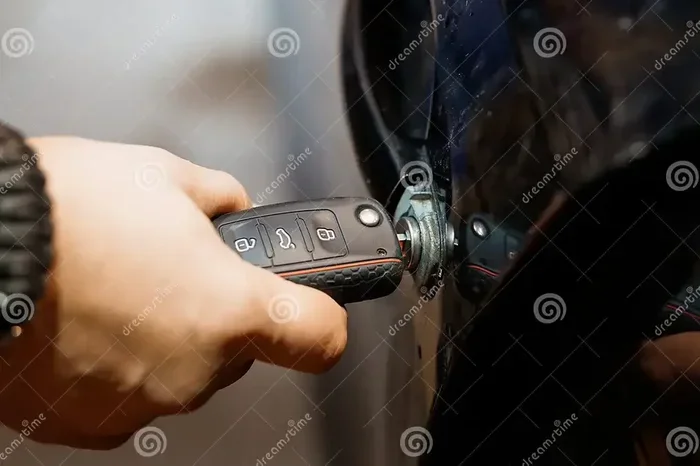
When you turn the key, the car reads a chip in the key fob or key blade. If the chip isn’t recognized, the ECU disables fuel injection and spark. The engine will crank freely but never start. This is designed to stop thieves, but it can also lock you out if the key’s chip is damaged or the antenna ring around the ignition cylinder is faulty.
How to Fix It
- Try a spare key. If the spare works, the original key’s chip is the problem.
- Remove the key from the ignition and wait 10 minutes. Sometimes the system resets.
- Check the battery in your key fob. A weak fob battery can cause recognition failures.
- If the problem persists, a locksmith or dealer can reprogram the key.
Common Mistakes That Cause No-Start Problems
Many drivers unknowingly create the conditions for a car cranks but won’t start situation. Here are the most common mistakes people make:
Neglecting Regular Maintenance
Skipping oil changes, spark plug replacements, and fuel filter changes puts extra strain on the engine. Maintenance might feel like an expense, but it prevents costly breakdowns.
Running the Tank Too Low
Fuel pumps rely on gasoline for cooling. Running on empty repeatedly overheats the pump and shortens its life. Keep your tank at least a quarter full whenever possible.
Using Bad Fuel
Gas from sketchy stations or fuel that’s been sitting too long can cause starting problems. Always buy fuel from reputable stations.
Ignoring Warning Lights
If the check engine light has been on for weeks, don’t ignore it. It’s your car telling you something is wrong. A flashing check engine light during cranking is a clear sign of an ignition or sensor problem.
When to Call a Mechanic
Not every car cranks but won’t start problem is DIY-friendly. Here are signs you should call a professional:
- You’ve checked the battery, fuel, and spark but still can’t find the issue.
- The engine cranks but makes unusual grinding or knocking noises.
- You smell gasoline or notice a fuel leak.
- The check engine light is flashing, not just solid.
- The car has high mileage and multiple systems are showing wear.
A good mechanic can run diagnostic scans, check compression, and test fuel pressure in minutes. Many shops offer free diagnostic checks, so it never hurts to ask.
Prevention Tips to Avoid Future No-Start Issues
The best way to deal with a car cranks but won’t start problem is to prevent it from happening in the first place. Here are simple habits that keep your car reliable:
- Replace your battery every 3 to 5 years. Don’t wait for it to die.
- Change spark plugs on schedule. Check your owner’s manual for the recommended interval.
- Use quality fuel. Top-tier gasoline keeps your fuel system cleaner.
- Keep your tank above a quarter full. This protects the fuel pump.
- Address warning lights immediately. A small issue today becomes a big problem tomorrow.
- Store your car properly. If it sits for weeks, use a battery maintainer.
These small habits add up to a more reliable car and fewer stressful mornings staring at a dashboard that won’t cooperate.
Comparison Table: Common No-Start Causes and Costs
| Cause | Symptoms | DIY Fixable? | Average Repair Cost |
|---|---|---|---|
| Weak or Dead Battery | Slow crank, dim lights | Yes | $50 – $150 |
| Clogged Fuel Filter | Stalling, hard starts | Yes | $30 – $80 |
| Failed Fuel Pump | No fuel pump hum, stalls | No | $200 – $600 |
| Worn Spark Plugs | Rough idle, misfires | Yes | $20 – $100 |
| Bad Crank Sensor | No spark, random stalls | Yes | $100 – $250 |
| Immobilizer Lockout | Security light on, no start | Sometimes | $0 – $200 |
| Bad Ignition Coil | Misfires, no spark | Yes | $50 – $200 |
As you can see, most causes of a car cranks but won’t start are affordable to fix. The key is catching the problem early and addressing it before it gets worse.
Expert Insights: What Mechanics Wish You Knew
We talked to several experienced mechanics about the most common car cranks but won’t start calls they get. Here’s what they had to say:
“The number one thing I tell customers is to listen to their car.” — Mark T., ASE-certified mechanic with 20 years of experience. “If the crank sounds different — slower, louder, or grinding — that’s a clue. The car is trying to tell you something. Most people ignore it until it’s too late.”
“Don’t overlook the simple stuff first.” — Sarah L., automotive instructor. “I see people spend hundreds on diagnostics when it was just a corroded battery terminal. Always check the basics before you spend money.”
“A fuel pressure gauge is your best friend.” — Dave R., diesel specialist. “If you suspect a fuel pump issue, a $30 gauge can confirm it in minutes. You don’t need to replace anything until you know what’s actually wrong.”
Common Mistakes to Avoid:
- Don’t keep turning the key for long periods. It drains the battery further and can overheat the starter.
- Don’t pour water or random liquids into the throttle body hoping it will start.
- Don’t assume it’s always the battery. Test the fuel system and ignition too.
- Don’t ignore the security light. It often points directly to the problem.
Final Thoughts: Getting Your Car Running Again
A car cranks but won’t start is never fun, but it’s rarely a catastrophe. In most cases, the cause is something simple and affordable — a weak battery, a clogged filter, or a worn spark plug. By understanding the three things your engine needs — fuel, air, and spark — you can quickly narrow down the problem and find the right fix.
Start with the basics. Check the battery. Listen for the fuel pump. Look for warning lights. If those check out, move on to the ignition system and sensors. And when in doubt, a diagnostic scan at your local auto parts store can point you in the right direction for free.
The best repair is the one you prevent. Regular maintenance, quality fuel, and attention to warning signs will keep your car starting reliably for years to come. Don’t wait for the next cranking but not starting moment to catch your breath — stay ahead of it with these simple habits and a little bit of knowledge.
Now you know what to do when your car cranks but won’t start. You have the tools, the knowledge, and the confidence to tackle this problem head-on. Get out there, check those connections, and get back on the road.
Frequently Asked Questions
Why does my car crank but won’t start in cold weather?
Cold weather thickens engine oil and reduces battery performance. A weak battery struggles to deliver enough power in the cold. Make sure your battery is fully charged and consider switching to a cold-weather-rated battery if you live in a freezing climate.
Can a bad fuel pump cause a car to crank but not start?
Yes, absolutely. A failed fuel pump means no fuel reaches the engine. The engine cranks normally but has nothing to combust. Listen for the fuel pump hum when you turn the key to “on.” If you hear nothing, the pump may be the culprit.
How do I know if it’s a battery or fuel problem?
If the engine cranks normally but won’t fire, it’s likely fuel or ignition. If the crank is slow and weak, start with the battery. Check the terminals, test voltage, and rule out electrical issues first before moving to fuel system checks.
Is it safe to use starting fluid to diagnose a no-start problem?
Yes, starting fluid can be a useful diagnostic tool. Spray a small amount into the throttle body. If the engine fires briefly, you have a fuel delivery problem. However, use it sparingly — too much can damage the engine.
How much does it cost to fix a car that cranks but won’t start?
The cost varies widely depending on the cause. A battery replacement costs $50 to $150. A fuel pump can run $200 to $600. Spark plugs and coils are usually under $100. Always get a diagnosis before committing to a repair.
Can a faulty crank sensor prevent a car from starting?
Yes. The crank sensor tells the engine computer when to fire the spark plugs. If it fails, the computer doesn’t know when to create a spark, and the engine will crank but never start. It’s one of the most common causes of a car cranks but won’t start problem.
=== KEY TAKEAWAYS ===
Key Takeaways
- Point 1: A car cranks but won’t start usually means the engine turns over but lacks fuel, spark, or proper sensor input.
- Point 2: The battery and electrical system are the most common culprits — always check them first.
- Point 3: Fuel system failures including a dead fuel pump or clogged filter prevent gas from reaching the engine.
- Point 4: Ignition system components like spark plugs, coils, and the crank sensor are frequent causes of no-start conditions.
- Point 5: Security system lockouts and immobilizer issues are often overlooked but very common in modern vehicles.
- Point 6: Most cranking but not starting problems are affordable and fixable, especially when caught early.
- Point 7: Regular maintenance — battery replacement, spark plug changes, and fuel filter swaps — prevents most no-start issues.