Can a Car Overheat in Cold Weather Surprising Facts
Yes, a car can absolutely overheat in cold weather, and it happens more often than most drivers realize. Many people assume overheating is only a summer problem, but freezing temperatures create unique challenges for your engine’s cooling system. Understanding why this happens can save you from costly repairs and keep your vehicle running safely all winter long.
You might think overheating is a summer problem. After all, when the mercury climbs and the sun beats down, engines seem to struggle the most. But here is something that surprises a lot of car owners: your vehicle can overheat in cold weather too. It sounds almost impossible, right? Yet it happens more often than you might think.
Whether you live in a snowy northern state or deal with chilly mornings in a milder climate, understanding this issue matters. A cold weather engine faces unique stresses that many drivers overlook. The good news is that knowing the causes and warning signs puts you ahead of the game. Let us dive into the surprising truth about can a car overheat in cold weather and what you can do about it.
Most drivers never think about their cooling system until something goes wrong. But your car’s cooling system works hard year round. It keeps your engine at the right operating temperature no matter what the thermometer says. When something goes wrong in winter, the results can be just as serious as a summer breakdown. This guide covers everything you need to know.
Key Takeaways
- Cold weather can cause overheating: Your engine can overheat even in freezing temperatures due to several surprising reasons.
- Thermostat failure is a top cause: A stuck thermostat prevents coolant from flowing properly, leading to dangerous temperature spikes.
- Frozen coolant is a real threat: When coolant freezes, it blocks passages and causes the engine to overheat rapidly.
- Watch your temperature gauge: Recognizing early overheating symptoms can prevent severe engine damage.
- Prevention is simple: Regular maintenance, proper antifreeze levels, and smart winter driving habits go a long way.
- Don’t ignore warning signs: Steam, strange smells, and unusual noises all signal trouble that needs immediate attention.
📑 Table of Contents
How Does a Car Engine Generate Heat?
Before we talk about overheating, it helps to understand how your engine produces heat in the first place. Your engine works by burning fuel inside small chambers called cylinders. This combustion process creates a tremendous amount of energy. Most of that energy turns into motion. But a significant portion becomes heat.
A running engine can reach temperatures above 200 degrees Fahrenheit. That is hot enough to boil water. Your cooling system handles this heat every single time you drive. The coolant flows through passages in the engine block. It absorbs heat and carries it away. Then the radiator releases that heat into the air.
The Role of the Cooling System
Your cooling system is a team of parts working together. The water pump pushes coolant through the engine. The thermostat opens and closes to regulate flow. The radiator cools the liquid before it cycles back. The cooling fan helps when the car moves slowly or sits idle.
All of these parts must work in harmony. If even one component fails, the whole system suffers. In cold weather, the stakes are even higher. A small problem can escalate quickly when temperatures drop below freezing.
Why Cold Weather Makes Things Complicated
Cold weather affects every part of your vehicle. Fluids thicken. Metals contract. Rubber seals become brittle. Your engine takes longer to reach its ideal operating temperature in winter. This means the engine temperature gauge behaves differently than it does in summer. Understanding these changes helps you spot problems early.
When your engine struggles to warm up, the thermostat stays closed longer. This is normal at first. But if the thermostat gets stuck, it creates a real overheating risk. Many drivers do not expect this in freezing weather. That is what makes this topic so important.
Can Cold Weather Actually Cause Overheating?
The short answer is yes. Can a car overheat in cold weather? Absolutely. But the reasons are different from summer overheating. In summer, high ambient temperatures make it harder for the radiator to release heat. In winter, the problems come from within the system itself.
Here is something that shocks many people. Your engine can overheat even when the outdoor temperature is well below freezing. The outside cold does not protect your engine from internal heat buildup. In fact, some cold weather conditions make overheating more likely.
The Thermostat Trap
The thermostat is a valve that controls coolant flow. When the engine is cold, the thermostat stays closed. This lets the engine warm up faster. Once it reaches the right temperature, the thermostat opens. Coolant then flows through the radiator to release heat.
In cold weather, thermostats can get stuck in the closed position. This means coolant never reaches the radiator. Heat builds up inside the engine with nowhere to go. The result? Overheating. This is one of the most common reasons can a car overheat in cold weather becomes a real problem.
Frozen Coolant and Antifreeze Issues
Your coolant is a mixture of water and antifreeze. This mixture prevents the liquid from freezing in cold temperatures. But if the ratio is wrong, the coolant can freeze inside the engine. Frozen coolant cannot flow. It blocks the entire cooling system.
When coolant freezes, it expands. This can crack the engine block, the radiator, or hoses. Even a small freeze plug failure can cause major damage. Once the ice thaws, the system leaks. The engine then overheats because there is not enough coolant to do its job.
This is why checking your antifreeze levels before winter is so important. A simple test with an inexpensive tool can tell you if your mixture is protected for the temperatures you face. Do not skip this step.
The Heater Core Connection
Here is a fact many drivers do not know. Your heater core is part of the cooling system. It uses hot coolant to warm the cabin. When the heater works well, it means coolant is flowing properly.
If your heater stops producing warm air in cold weather, it could signal a coolant flow problem. A clogged heater core restricts circulation. This can contribute to overheating. Pay attention to your heater. It is more than just a comfort feature. It is a diagnostic tool for your cooling system.
Common Causes of Overheating in Cold Weather
Now that you know it can happen, let us look at the specific causes. Several issues make car overheating in winter more likely than most people expect.
1. Low Coolant Levels
Coolant leaks happen year round. But in cold weather, they become more dangerous. A small leak that was barely noticeable in summer can drain the system in winter. When coolant levels drop too low, the engine cannot cool properly.
Check your coolant reservoir regularly during winter. If you notice the level dropping, find the leak. Common culprits include cracked hoses, a loose radiator cap, and a failing water pump seal.
2. Faulty Water Pump
The water pump circulates coolant through the engine. It is a simple machine with a seal and a bearing. Over time, these parts wear out. Cold temperatures make the seal brittle. A worn water pump cannot move coolant effectively.
When the water pump fails, the engine heats up fast. This is especially true in cold weather because the engine takes longer to reach operating temperature. The pump works harder during that warm-up phase.
3. Broken Radiator Cap
Your radiator cap does more than just seal the system. It controls pressure. Proper pressure raises the boiling point of coolant. A weak or broken cap lets pressure escape. This lowers the boiling point and makes overheating more likely.
In cold weather, a bad radiator cap can also cause the coolant to freeze. Without proper pressure, the freezing point rises. A new radiator cap is cheap. Replacing a cracked engine block is not.
4. Blocked Radiator
Debris, dirt, and ice can block your radiator in winter. When airflow to the radiator is restricted, it cannot release heat properly. The coolant stays hot. The engine temperature climbs.
Snow and ice buildup around the front of the car is a common cause. After driving through a snowstorm, check your radiator fins. Clear any ice or debris gently. Use warm water, not hot. A sudden temperature change can crack the radiator.
5. Failed Cooling Fan
The cooling fan kicks in when you drive slowly or sit idle. It pulls air through the radiator to cool the coolant. In cold weather, you might not expect the fan to run. But it still plays a role.
If the fan motor or relay fails, the engine can overheat at low speeds. This often surprises people because they associate fan problems with summer traffic jams. But the fan works anytime the engine needs extra cooling.
Warning Signs Your Car Is Overheating in Cold Weather
Spotting overheating symptoms early can save you from serious engine damage. In cold weather, some signs are easy to miss. Others are impossible to ignore. Know what to look for.
- Temperature gauge reading high: Your dashboard temperature gauge should sit in the normal range. If it climbs toward hot, pull over safely.
- Steam or smoke from the hood: This is the most obvious sign. Steam means coolant is leaking and hitting hot engine parts. Do not open the hood immediately. Wait for the steam to clear.
- Sweet smell from the engine bay: Coolant has a sweet, slightly syrupy smell. If you notice this odor, check for leaks.
- Heater blowing cold air: If the heater suddenly goes cold, coolant may not be flowing. This is an early warning sign.
- Puddle under the car: Colored puddles (green, orange, or pink) suggest a coolant leak. Check the level and top it off if safe to do so.
- Thumping or knocking sounds: These sounds can mean the engine is running too hot. Internal components expand unevenly when overheated.
Do not ignore any of these signs. Even if the weather is cold, overheating causes real damage. The sooner you respond, the better your chances of avoiding expensive repairs.
The Temperature Gauge: Your Best Friend
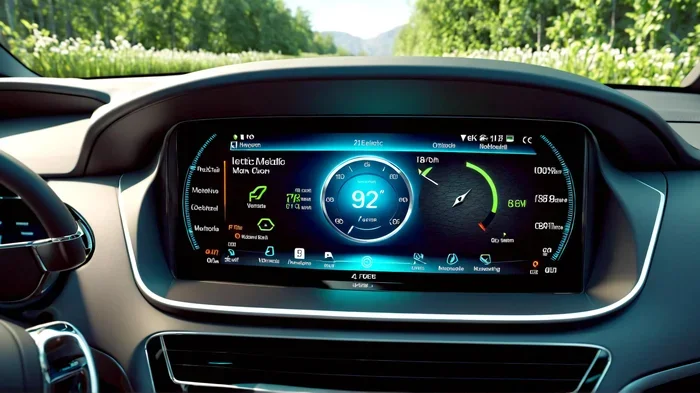
Your temperature gauge tells you what is happening inside the engine. Many drivers ignore it until something goes wrong. Make it a habit to glance at the gauge during winter drives. A normal reading should stay steady in the middle range.
If the needle creeps up, do not panic. Pull over safely and turn off the engine. Let it cool for at least 15 minutes. Then check the coolant level. Never open the radiator cap when the engine is hot. The pressurized system can cause serious burns.
How to Prevent Winter Overheating
Prevention is always better than repair. A little effort before winter can keep your engine running smoothly all season long. Here are practical steps to protect your vehicle.
1. Check Your Coolant Mixture
Use a coolant tester to check the freeze point of your antifreeze. The mixture should protect your engine to at least 30 degrees below zero. A 50/50 mix of coolant and water is a good starting point for most climates.
If you live in extremely cold areas, you might need a 60/40 or 70/30 coolant-to-water ratio. Too much antifreeze can actually reduce cooling efficiency. Find the right balance for your climate.
2. Inspect Hoses and Belts
Cold weather hardens rubber. Hoses and belts become brittle and crack. Inspect all coolant hoses for soft spots, cracks, or swelling. Squeeze the hoses gently. They should feel firm but flexible.
Replace any hose that feels brittle or shows visible damage. A hose failure on the road can drain your coolant in minutes. Belt issues can knock the water pump out of alignment. Both problems lead to overheating.
3. Flush and Replace Coolant
Old coolant loses its effectiveness over time. It becomes acidic. It corrodes internal components. Follow your vehicle manufacturer’s recommended flush schedule. Most cars need a coolant flush every 30,000 to 50,000 miles.
Fresh coolant protects better in extreme temperatures. It also lubricates the water pump and prevents corrosion. This simple maintenance step goes a long way toward preventing engine damage.
4. Keep the Radiator Clean
Before winter sets in, have your radiator inspected. A pressure test can reveal hidden leaks. A visual check can spot clogged fins or damaged hoses.
Remove any debris, leaves, or dirt from the front of the radiator. In winter, this also means clearing ice and snow buildup after driving. Good airflow through the radiator is essential for proper cooling.
5. Drive Smart in Cold Weather
Your driving habits matter in winter. Avoid idling for long periods. It does not warm the engine evenly and can cause buildup in the combustion chamber. Instead, drive gently after starting the car. This warms the engine faster and more evenly.
Watch for signs of overheating during long drives. If the temperature gauge starts climbing, pull over and let the engine rest. Taking breaks on long winter trips gives your cooling system time to cool down.
What to Do If Your Car Overheats in Cold Weather
Despite your best efforts, overheating can still happen. Knowing what to do in the moment matters. Quick action can mean the difference between a minor fix and a major repair.
- Pull over safely: Find a flat, safe spot away from traffic. Turn on your hazard lights.
- Turn off the engine: Do not keep driving. Continued driving with an overheating engine can warp the engine block and crack the head gasket.
- Wait for the engine to cool: Give it at least 15 to 20 minutes. Do not attempt to open the hood or radiator cap while steam is present.
- Check the coolant level: Once cooled, carefully open the radiator cap with a cloth. Look at the coolant level in the reservoir. If it is low, add a 50/50 mix of coolant and distilled water.
- Call for help if needed: If you cannot identify the problem or the coolant keeps leaking, call a tow truck. Driving a severely overheated engine can cause catastrophic failure.
Remember, your safety comes first. Never put your hands near the radiator or engine when hot. Steam and hot coolant can cause severe burns. Always let the system cool completely before touching anything.
When to Seek Professional Help
Some overheating problems need a mechanic. If you notice steam, a sweet smell, or the temperature gauge stays in the red zone, do not keep driving. A professional can diagnose the root cause with specialized tools. They can check the water pump, inspect the thermostat, and perform a pressure test on the entire cooling system.
Ignoring an overheating problem, even in cold weather, can lead to engine damage that costs thousands of dollars. A small repair today saves you from a major expense tomorrow. Trust your instincts. If something feels wrong, get it checked.
Key Takeaways
- Cold weather can cause overheating: Your engine can overheat even in freezing temperatures due to several surprising reasons.
- Thermostat failure is a top cause: A stuck thermostat prevents coolant from flowing properly, leading to dangerous temperature spikes.
- Frozen coolant is a real threat: When coolant freezes, it blocks passages and causes the engine to overheat rapidly.
- Watch your temperature gauge: Recognizing early overheating symptoms can prevent severe engine damage.
- Prevention is simple: Regular maintenance, proper antifreeze levels, and smart winter driving habits go a long way.
- Don’t ignore warning signs: Steam, strange smells, and unusual noises all signal trouble that needs immediate attention.
Conclusion
The idea that a car only overheats in summer is a myth. Can a car overheat in cold weather? The answer is a clear yes. From frozen coolant to stuck thermostats, winter creates its own set of overheating challenges. The good news is that most of these problems are preventable with simple maintenance and awareness.
Your cooling system works hard all year round. It deserves the same attention in winter that you give it in summer. Check your coolant levels. Inspect your hoses and belts. Watch your temperature gauge. These small habits add up to big protection over time.
Do not let cold weather lull you into a false sense of security. Your engine works just as hard in winter as it does in summer. Give it the care it needs, and it will keep you safe on the road through every season. Stay proactive, stay informed, and never underestimate the power of a well-maintained cooling system.
Frequently Asked Questions
Can a car overheat in cold weather if it has a new engine?
Yes, even a new engine can overheat in cold weather if the cooling system has a problem. New engines are not immune to thermostat failures, coolant leaks, or frozen coolant. Always maintain your cooling system regardless of engine age.
How cold is too cold for my car’s coolant?
Most standard coolant mixtures protect down to about minus 34 degrees Fahrenheit. However, if you live in extreme cold, you may need a stronger antifreeze concentration. Use a coolant tester to check your specific mixture before winter sets in.
Why does my car overheat when idling in cold weather?
When idling, airflow through the radiator is minimal. The cooling fan must do most of the work. If the fan is faulty or the coolant level is low, the engine can overheat even at idle. Cold weather thickens coolant, making the water pump work harder.
Is it normal for the temperature gauge to fluctuate in cold weather?
Slight fluctuations are normal as the engine warms up. The thermostat cycles open and closed to regulate temperature. However, if the gauge consistently reads high or swings wildly, it could signal a cooling system problem that needs attention.
Can using the heater cause my car to overheat?
No, using the heater actually helps cool the engine. The heater core acts as a secondary heat exchanger. If anything, turning on the heat can help draw heat away from the engine when you are stuck in traffic or idling.
How long does it take for an overheated engine to cool down?
It typically takes 15 to 30 minutes for an overheated engine to cool enough to safely check the coolant. Never attempt to open the radiator cap while the engine is hot. The pressurized system can release scalding steam and cause serious burns.