Car Door Protector Guard How to Choose the Best One
A car door protector guard is a simple yet essential accessory that shields your vehicle from scratches, dents, and daily wear. Choosing the right one depends on material, fit, and your driving habits. This guide covers every type, feature, and tip you need to make the best decision for your car.
Choosing the right car door protector guard can save you from costly repairs and keep your vehicle looking great for years. A car door protector guard is one of the simplest yet most effective accessories you can add to your vehicle. Whether you park in tight spaces or have kids loading groceries into the back seat, this small investment pays off big. In this guide, we will walk you through everything you need to know about selecting the perfect car door protector guard for your needs. From materials and types to installation tips, you will find all the answers right here.
Every day, car doors face countless threats. Parking lot dings, shopping cart bumps, and even kids slamming doors can cause damage over time. A car door protector guard acts as a shield, absorbing impact before it reaches your paint or body panels. If you have ever walked away from your car only to find a new scratch or dent, you know how frustrating it can be. The good news is that protecting your doors does not have to be expensive or complicated. A simple door protector for car can make a huge difference. This article will help you understand your options and pick the best one for your vehicle.
Key Takeaways
- Protection from Daily Damage: A car door protector guard prevents scratches, dents, and scuffs caused by parking lot hazards, shopping carts, and door-to-door contact.
- Multiple Types Available: Choose from adhesive strips, magnetic guards, universal kits, and clear protector films based on your needs and budget.
- Material Matters: Silicone and TPU guards offer the best durability and weather resistance compared to rubber or PVC alternatives.
- Easy DIY Installation: Most car door protector guards install in minutes with no special tools or professional help required.
- Preserves Resale Value: Keeping your doors scratch-free maintains your vehicle’s factory finish and boosts resale value significantly.
- Regular Maintenance Extends Life: Simple care routines like monthly inspections and gentle cleaning keep your guard effective for years.
📑 Table of Contents
What Is a Car Door Protector Guard?
A car door protector guard is a protective device designed to shield your car doors from damage. It typically attaches to the door edge, bumper, or panel area. The goal is simple: prevent scratches, dents, and scuffs before they happen. These guards come in many shapes, sizes, and materials to fit different vehicles and budgets.
How It Works
Most car door protector guards work by creating a buffer zone between your door and potential hazards. When you open or close your door in a tight space, the guard takes the hit instead of your paint. Some guards use soft rubber or silicone materials that absorb shock. Others use hard plastic shells that deflect impact away from the door surface.
The door edge protector is the most common type. It wraps around the outer edge of the door where dings most often occur. This area is especially vulnerable because it sits at the perfect height for shopping carts, other car doors, and walls. A car door protector placed here acts as a sacrificial barrier. It absorbs the damage so your original paint stays intact.
Who Needs a Car Door Protector Guard
Anyone who parks in crowded areas benefits from a door protector for car. This includes city drivers who park on narrow streets, parents with young children who may not open doors gently, people who frequently use parking garages, and owners of expensive vehicles where even small dents are costly to fix. Even if you are a careful driver, you cannot control what other drivers do. A car door protector guard gives you peace of mind knowing your doors are protected no matter what.
Why You Need a Car Door Protector Guard
Some people skip door protection and regret it later. Let us look at why a car door protector guard is worth your time and money.
Preventing Scratches and Dents
Scratches and dents are the most common door damage. A car door scratch guard can prevent most of this damage before it starts. When you park next to a shopping cart in a grocery store lot, the cart can easily scrape your door. A door bumper guard takes that impact instead. Think about how often your doors get bumped. Every time you open your door in a parking lot, someone could be walking by. Every time you close it, the door could hit the adjacent car. Over weeks and months, these small hits add up to visible damage. A car door protector guard stops this cycle before it starts.
Protecting Your Vehicle Resale Value
Your car condition directly affects its resale value. A vehicle with clean, scratch-free doors sells for more than one with visible damage. A car door protector helps you maintain that showroom look. When it comes time to sell or trade in, those small details matter a lot. Buyers notice door condition immediately. A door protector for car keeps your doors looking factory fresh. This is especially important for newer vehicles or luxury cars where buyers expect perfection. Even minor door damage can reduce your trade-in offer by hundreds of dollars.
Saving Money on Repairs
Paintless dent repair costs between $50 and $150 per dent. A full door repaint can cost $500 or more. A car door protector guard costs a fraction of that. The return on investment is clear. One avoided dent pays for the protector many times over. Beyond cost savings, avoiding repairs also means less time spent at the body shop and less hassle dealing with insurance claims. A simple door protector accessory keeps your life easier and your wallet fuller.
Types of Car Door Protector Guards Available
Not all car door protector guards are the same. Different types serve different needs. Let us explore the most popular options available on the market today.
Adhesive Door Protector Strips
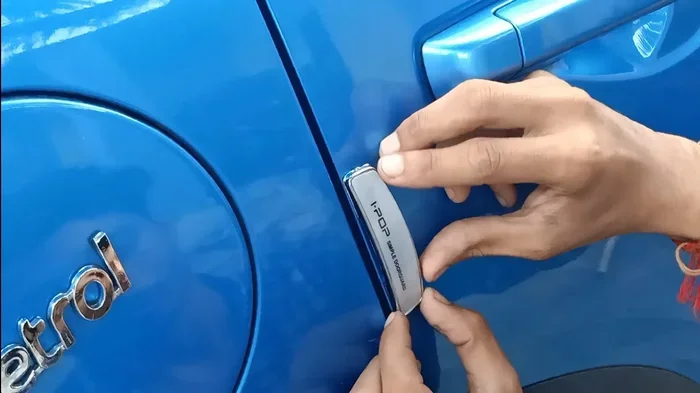
Adhesive door protector strips are the most popular choice among car owners. They stick directly to the door edge using a strong door guard adhesive. These strips are usually made from rubber, silicone, or TPU material. They are thin, flexible, and nearly invisible once installed. The door edge protector strip is the most common form of this type. It hugs the outer edge of the door where dings most often occur.
These guards are easy to apply. You just clean the surface, peel off the backing, and press the strip into place. Most kits include installation instructions and all necessary tools. They work well for daily drivers and family vehicles alike. A car door protector sticker style guard falls into this category and is one of the most affordable options available. The main advantage is that they stay securely in place and require no special tools for removal.
Magnetic Door Guards
Magnetic door guards use strong magnets to attach to the door edge. They do not require any adhesive, which makes them ideal for people who want a non-permanent solution. You can remove them easily and reposition them as needed. A car door protector pad with magnetic attachment works great for rental cars or vehicles you do not want to modify permanently.
They are also easy to transfer between vehicles. The trade-off is that they may not be as snug-fitting as adhesive options. Strong winds or rough driving can sometimes cause them to shift slightly. However, for people who want flexibility and convenience, a magnetic car door protector guard is an excellent choice. They look clean and professional without any permanent changes to your vehicle.
Universal Door Guard Kits
Universal door guard kits come with multiple pieces to cover the entire door area. These kits typically include door edge strips, bumper guards, and sometimes even door panel protectors. They offer comprehensive protection for drivers who want full coverage. A car door protector kit is a great choice for SUVs and trucks where door edges are more exposed to damage.
The universal design means they fit most vehicle models. You get more pieces and more protection for a slightly higher price. These kits often include different sizes to accommodate front and rear doors that may differ in length. If you want complete protection for all four doors, a universal kit is the way to go.
Car Door Protector Film
Car door protector film is a clear, thin layer that bonds to the door surface. It is similar to paint protection film but designed specifically for door edges. This option provides invisible protection against chips, scratches, and scuffs. The car door protector film is popular among people who want maximum protection without changing their car appearance. It is especially useful for luxury vehicles where any visible accessory might not be desired.
Quality door protector accessories like films use self-healing technology. Minor scratches disappear when exposed to heat from sunlight or warm water. This makes them a premium choice for car enthusiasts who want invisible yet effective protection. The film is also resistant to UV rays, so it does not yellow or degrade over time.
| Type | Material | Installation | Durability | Price Range |
|---|---|---|---|---|
| Adhesive Strips | Silicone, Rubber, TPU | Easy DIY | 3-5 years | $10 – $30 |
| Magnetic Guards | Rubber, Plastic | No tools needed | 2-4 years | $15 – $40 |
| Universal Kits | Rubber, TPU, Foam | Moderate DIY | 3-5 years | $25 – $60 |
| Protector Film | TPU Film | Professional or DIY | 5-7 years | $30 – $80 |
How to Choose the Best Car Door Protector Guard
With so many options available, choosing the right car door protector guard can feel overwhelming. Here are the key factors to consider before making your purchase.
Material Matters
The material determines how well the guard protects and how long it lasts. Here are the most common materials used in door protector accessories:
- Silicone: Flexible, durable, and weather-resistant. Silicone guards handle extreme temperatures well and do not crack in cold weather.
- Rubber: Soft and shock-absorbent. Rubber is affordable and widely available, making it a popular budget option.
- TPU (Thermoplastic Polyurethane): A premium material that combines flexibility with toughness. TPU guards resist yellowing and stay clear over time.
- PVC: Budget-friendly but less durable. PVC can crack in cold weather and may yellow after prolonged sun exposure.
- Foam padding: Great for absorbing impact but may wear out faster than harder materials. Best used as a supplementary layer.
For most drivers, silicone or TPU offers the best balance of protection and longevity. These materials also look great and do not yellow over time. Avoid cheap PVC options if you want your car door protector guard to last more than a year or two.
Size and Fit Considerations
Not every car door protector guard fits every vehicle. Measure your door edges before purchasing. Pay attention to the width and length of the guard. A guard that is too short leaves gaps where damage can still occur. Check whether the product is designed for specific car models or if it uses a universal fit. A door guard for SUV may differ from a guard designed for a compact car. Always check the product description for compatibility before buying.
Some manufacturers offer model-specific guards that contour perfectly to your vehicle’s door shape. These provide the best coverage and the most natural look. Universal guards work well for most vehicles but may require slight trimming for a perfect fit. Take accurate measurements of all four doors if you plan to protect your entire vehicle.
Ease of Installation
You do not need professional help to install a car door protector guard. Most products are designed for DIY installation. Look for guards that come with clear instructions and all necessary tools. Adhesive strips are the easiest to install. Simply clean the door edge, apply the strip, and press firmly. Magnetic guards are even easier since they just snap into place. Avoid products that require complex tools or permanent modifications to your vehicle.
If you are not comfortable with DIY installation, some car door protector guard kits include installation videos or customer support. This can make the process much smoother for first-time buyers. The best guards should take less than 30 minutes to install on all four doors.
Weather Resistance and Durability
Your car door protector guard faces the same elements as your car. It must withstand sun, rain, snow, and extreme temperatures. Look for UV-resistant materials that will not crack or fade in the heat. A good door edge protector should last three to five years with proper care. Cheaper materials may degrade within a year. Investing in a quality guard saves you money in the long run.
Consider your local climate when choosing a guard. If you live in an area with harsh winters, choose materials that remain flexible in cold temperatures. If you live in a hot, sunny climate, prioritize UV-resistant options. A door protector for parking guard that handles all weather conditions gives you the most value for your investment.
Installation and Maintenance Tips
Getting the most out of your car door protector guard depends on proper installation and care. Follow these tips for the best results.
Step-by-Step Installation Guide
- Clean the door edge: Use rubbing alcohol and a microfiber cloth to remove dirt and oils. This ensures the adhesive bonds properly and the guard stays in place longer.
- Dry the surface completely: Any moisture can prevent the guard from sticking. Wait a few minutes after cleaning before proceeding to the next step.
- Measure and mark: Hold the guard against the door edge and mark where it will sit. This helps with alignment and ensures a straight application.
- Remove the backing: Peel off the adhesive backing slowly. Do not touch the sticky side with your fingers as oils from your skin can weaken the bond.
- Press the guard into place: Start at one end and work your way to the other. Smooth out any air bubbles as you go for a clean finish.
- Apply firm pressure: Use a credit card or squeegee to press the guard firmly against the door. This improves adhesion and eliminates gaps.
- Let it set: Wait at least 24 hours before opening and closing the door frequently. This allows the adhesive to fully bond and creates a lasting hold.
Keeping Your Guard in Top Shape
Maintenance keeps your car door protector guard working effectively for years. Follow these simple care tips to extend its lifespan:
- Wash the guard when you wash your car. Use mild soap and a soft cloth to avoid scratching the surface.
- Inspect the guard monthly for peeling, lifting, or visible damage. Early detection prevents bigger problems later.
- Replace the guard if you notice gaps or loose edges where the door is no longer fully protected.
- Avoid using harsh chemicals or abrasive cleaners on the guard. These can degrade the adhesive and material.
- Reapply adhesive if the guard starts to lift at the edges. Most auto parts stores sell compatible adhesive strips.
A well-maintained door protector for parking guard looks better and performs better. Take a few minutes each month to check your guards. This small habit pays off in the long run. A car door protector guard that is properly cared for can last five years or more, saving you hundreds of dollars in repair costs.
Final Thoughts on Car Door Protector Guards
A car door protector guard is one of the smartest accessories you can buy for your vehicle. It protects your doors from everyday damage, preserves your car’s value, and saves you money on expensive repairs. With so many types and materials available, there is a perfect guard for every vehicle and every budget. Whether you choose adhesive strips, magnetic guards, a universal kit, or a clear protector film, the key is to act before damage occurs.
Take the time to choose the right car door protector guard for your needs. Consider the material, size, and ease of installation. Follow the installation and maintenance tips in this guide. Your doors will thank you for years to come. Protect your investment today. A small car door protector guard now prevents big headaches later. Your vehicle deserves the best protection you can give it, and a quality guard delivers exactly that.
Do not wait for the next parking lot ding to remind you how vulnerable your doors are. Invest in a reliable car door protector guard and enjoy peace of mind every time you park. Your car will look better, last longer, and hold its value far better with this simple yet powerful accessory. Start your search today and find the perfect door protector for car that fits your needs.
Frequently Asked Questions
What is the best material for a car door protector guard?
Silicone and TPU are widely considered the best materials for a car door protector guard. They offer excellent durability, weather resistance, and flexibility. Silicone handles extreme temperatures well, while TPU provides a premium finish that resists yellowing. Both materials last longer than rubber or PVC alternatives.
How long does a car door protector guard last?
A quality car door protector guard typically lasts between three and five years with proper care. Adhesive strips and magnetic guards tend to last three to four years, while car door protector film can last five to seven years. Regular maintenance and inspections help extend the lifespan of any guard type.
Can I install a car door protector guard myself?
Yes, most car door protector guards are designed for easy DIY installation. Adhesive strips and magnetic guards are the simplest to apply and require no special tools. Car door protector film may require more precision during installation but still does not need professional help. Most kits include detailed instructions to guide you through the process.
Will a car door protector guard affect my car’s appearance?
Most modern car door protector guards are designed to be nearly invisible. Adhesive strips and car door protector film options are transparent or color-matched to your vehicle. Magnetic guards sit flush against the door edge and look clean and professional. Choose a guard that complements your car’s style rather than detracting from it.
How much does a car door protector guard cost?
The cost of a car door protector guard varies by type and material. Adhesive strips range from $10 to $30, magnetic guards from $15 to $40, universal kits from $25 to $60, and protector film from $30 to $80. Considering the cost of even a single dent repair, a car door protector guard is a very affordable investment.
Can I remove a car door protector guard without damaging my car?
Yes, most car door protector guards can be removed without leaving damage. Magnetic guards are the easiest to remove since they simply detach from the door edge. Adhesive strips may leave a slight residue that can be cleaned with rubbing alcohol. Car door protector film should be removed carefully following the manufacturer’s instructions to avoid any risk to your paint.