Can You Fit a 4×8 Sheet of Plywood in a Transit Connect
Yes, you can fit a 4×8 sheet of plywood in a Transit Connect, but it requires some smart positioning and knowing your exact cargo dimensions. The Ford Transit Connect offers surprisingly generous interior space, especially when you fold down the rear seats or use the extended wheelbase model. This guide covers every measurement, trick, and tip you need to haul full-size sheet goods without damage or hassle.
If you have ever tried to load a full sheet of plywood into a van, you know the frustration. The sheet barely fits, it sticks out dangerously, and you worry about damaging both the material and your vehicle. The Ford Transit Connect is one of the most popular cargo vans on the road today. But can you actually fit a 4×8 sheet of plywood in a Transit Connect? The short answer is yes. The longer answer depends on your model year, wheelbase, and how you set up the cargo area.
Whether you are a contractor hauling materials to a job site or a DIY enthusiast picking up supplies for a home project, this question matters a lot. Nobody wants to make two trips or risk cracking a sheet of plywood against the van walls. In this article, we will walk through every detail. You will learn the exact dimensions, the best loading techniques, and common mistakes to avoid. By the end, you will feel confident loading your next 4×8 sheet into your Transit Connect like a pro.
Key Takeaways
- It fits with adjustments: A 4×8 sheet can slide into a Transit Connect cargo area when seats are folded and the glass is removed.
- Measure your exact model: Short wheelbase and long wheelbase versions have different cargo lengths that affect sheet fit.
- Use the right technique: Angling the sheet and protecting the interior walls prevents scratches and damage.
- Consider the payload limit: A full 4×8 sheet of plywood adds significant weight, so check your van’s max capacity.
- DIY-friendly setup: Simple mods like seat removal and rail guards make hauling sheet goods much easier.
- Safety comes first: Properly secure the load with straps and prevent shifting during driving.
📑 Table of Contents
- Understanding the Ford Transit Connect Cargo Space
- Can a 4×8 Sheet of Plywood Actually Fit Inside?
- Best Techniques for Loading a 4×8 Sheet Safely
- Payload Capacity and Weight Considerations
- Common Mistakes When Hauling Plywood in a Transit Connect
- Expert Tips for Regular Plywood Hauling
- Real-World Scenarios: When Does a Transit Connect Work Best?
- Comparison: Transit Connect vs. Other Compact Vans for Hauling 4×8 Sheets
- Frequently Asked Questions
- Final Thoughts
Understanding the Ford Transit Connect Cargo Space
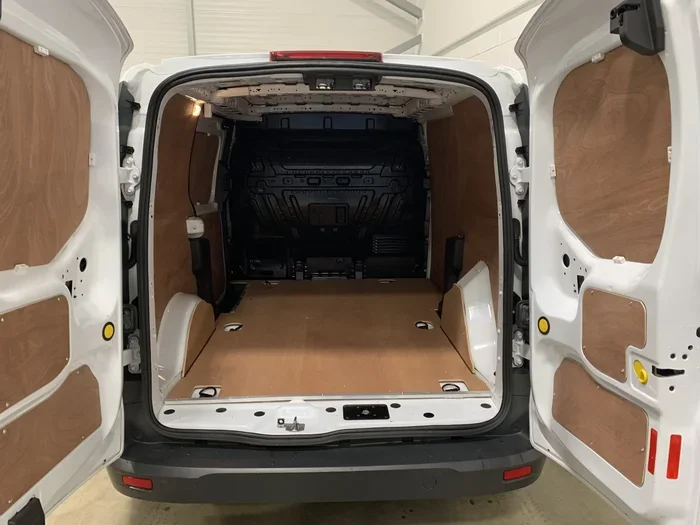
The Ford Transit Connect comes in two main wheelbase options. The short wheelbase model and the long wheelbase model both offer cargo space, but they differ in length. This difference matters a lot when you are trying to fit a full 4×8 sheet of plywood inside. Let us break down the numbers so you know exactly what you are working with.
Transit Connect Short Wheelbase Cargo Dimensions
The short wheelbase Transit Connect has a cargo floor length of about 45.7 inches. That is roughly 3.8 feet. A standard 4×8 sheet of plywood is 96 inches long, which is 8 feet. So at first glance, the sheet is way too long. But here is the trick. You can fold down the rear seats to extend the usable space. You can also remove the rear window glass to gain extra length. When you do both, you can slide a full 4×8 sheet in diagonally or at an angle.
The cargo width between the wheel wells is about 48.8 inches. The height from the floor to the roof is around 43.5 inches. These dimensions give you enough room to stand a 4×8 sheet on its edge and slide it in. The width is actually slightly wider than 48 inches, which is one reason this van works so well for sheet goods.
Transit Connect Long Wheelbase Cargo Dimensions
The long wheelbase Transit Connect offers a longer cargo floor. The floor length stretches to about 59.8 inches, or nearly 5 feet. This extra space makes a big difference. You still need to angle the sheet, but the process is easier and more forgiving. The width and height remain similar to the short wheelbase version. So if you have the option, the long wheelbase is the better choice for hauling 4×8 sheets regularly.
Here is a quick comparison of the two models:
- Short Wheelbase: Cargo floor length of 45.7 inches. Fits a 4×8 sheet with seats folded and glass removed.
- Long Wheelbase: Cargo floor length of 59.8 inches. Fits a 4×8 sheet more easily with some angle.
- Both Models: Cargo width of 48.8 inches and height of 43.5 inches.
Can a 4×8 Sheet of Plywood Actually Fit Inside?
Now let us get to the real question. Can you fit a 4×8 sheet of plywood in a Transit Connect without forcing it? Yes, you can. But you need to use the right method. Simply trying to slide it in straight will not work. The sheet is 96 inches long, and the cargo floor is only about 46 to 60 inches long. That is a gap of 36 to 50 inches you need to make up.
The Diagonal Method
The diagonal method is the most common way to load a 4×8 sheet into a Transit Connect. You tilt the sheet on its edge and slide it in at an angle. Start by folding down the rear seats completely. Remove the rear window glass if possible. Tilt the sheet so one corner touches the floor near the front seats. Then carefully slide it backward and downward into the cargo area.
This method works because the diagonal space inside the van is much larger than the floor length. The height of 43.5 inches gives you the vertical room to stand the sheet up. The width of 48.8 inches gives you the horizontal clearance. When you combine these dimensions, the diagonal space is more than enough for a full 4×8 sheet.
Removing the Rear Glass for Extra Length
One of the best tricks for fitting a 4×8 sheet is removing the rear window glass. This gives you an extra 12 to 14 inches of length. The glass pops out easily in most Transit Connect models. Just be careful and store the glass safely. With the glass removed, you can slide the sheet in more comfortably. The sheet will rest against the rear seat area or the folded seat cushions.
Some people also remove the rear seats entirely. This gives you a flat, unobstructed floor. It makes loading and unloading much simpler. If you haul sheet goods frequently, removing the rear seats is a worthwhile modification.
Best Techniques for Loading a 4×8 Sheet Safely
Loading a full sheet of plywood into a Transit Connect is not just about fitting it inside. You also need to do it safely. A 4×8 sheet of plywood can weigh between 40 and 60 pounds depending on the thickness and type. That is a heavy, awkward load. You do not want to strain your back or damage the van.
Step-by-Step Loading Process
- First, fold down the rear seats all the way. This creates a flat surface from the cargo floor to the front seats.
- Remove the rear window glass if you have not already done so. Set it aside in a safe place.
- Have a helper hold one end of the 4×8 sheet. Stand the sheet on its edge near the rear of the van.
- Tilt the sheet diagonally and slide it in slowly. Guide it with both hands to avoid scraping the walls.
- Once the sheet is inside, position it so the overhang is toward the rear of the van. This keeps the center of gravity stable.
- Secure the sheet with ratchet straps or bungee cords. Attach them to the cargo tie-down points in the van.
Protecting Your Van and the Plywood
Sheet goods can scratch the interior walls of your Transit Connect. The edges of plywood are especially rough and can gouge the paint or trim. To prevent damage, lay a moving blanket or old towel along the cargo walls. You can also use foam edge protectors. These small investments save you from costly repairs later.
For the plywood itself, wrapping it in a moving blanket or plastic sheeting protects it from dirt, moisture, and scratches. If you are hauling the sheet frequently, consider investing in a sheet carrier or a plywood rack that mounts to the roof rails.
Payload Capacity and Weight Considerations
Fitting a 4×8 sheet of plywood in your Transit Connect is only half the battle. You also need to make sure the van can handle the weight. The Ford Transit Connect has a payload capacity that varies by model and trim level. Most versions can carry between 1,200 and 1,800 pounds of cargo.
A single 4×8 sheet of half-inch plywood weighs about 45 pounds. A full sheet of 3/4-inch plywood weighs closer to 70 pounds. Add the weight of any other materials you are carrying, and you can see how quickly the load adds up. The Transit Connect handles this easily for most trips. But if you are hauling multiple sheets or heavy materials, you need to stay within the payload limit.
Check your owner manual or the sticker on the driver door jamb for the exact payload rating. This number tells you the maximum weight your van can safely carry, including passengers and cargo. Exceeding this limit affects handling, braking, and safety.
Quick Tips for Managing Weight
- Place heavier sheets on the floor: This keeps the center of gravity low and improves stability.
- Distribute weight evenly: Do not stack everything on one side of the cargo area.
- Use tie-down straps: They prevent shifting during turns and sudden stops.
- Check your tire pressure: Properly inflated tires handle heavy loads better and safer.
Common Mistakes When Hauling Plywood in a Transit Connect
Even experienced van users make mistakes when loading sheet goods. Learning from these errors saves time, money, and frustration. Here are the most common mistakes people make with a Transit Connect and a 4×8 sheet of plywood.
Forgetting to Remove the Rear Glass
This is the number one mistake. Without removing the rear window glass, you lose 12 to 14 inches of valuable length. The sheet will not fit properly, and you risk cracking the glass. Always remove the glass before loading a full 4×8 sheet. It takes about two minutes and makes the process much smoother.
Overloading the Cargo Area
It is tempting to stack multiple sheets of plywood in the van. But stacking creates a top-heavy load that is dangerous to drive. The Transit Connect has a relatively low roof compared to full-size vans. A tall, stacked load can shift during driving and block your rear visibility. Keep the load low and secure. One sheet at a time is the safest approach.
Not Securing the Load Properly
An unsecured 4×8 sheet of plywood is a serious safety hazard. It can slide forward during braking or shift during turns. This can damage the van interior and injure passengers. Always use at least two ratchet straps to secure the sheet. Attach the straps to the factory tie-down anchors in the cargo floor.
Ignoring the Interior Walls
The interior walls of the Transit Connect are not designed to handle the friction of raw plywood. Without protection, the sheet will scratch and dent the walls. Over time, this damage reduces the resale value of the van. Always use blankets, padding, or foam protectors between the sheet and the van walls.
Expert Tips for Regular Plywood Hauling
If you haul sheet goods in your Transit Connect regularly, a few upgrades can make the process much easier. These expert tips save time and protect your investment.
Install a Cargo Management System
Aftermarket cargo systems from brands like Rhino Rack or Transit Custom Accessories offer modular storage solutions. These systems include rails, dividers, and tie-down points that make loading sheet goods faster. Some systems even include a plywood holder that clamps the sheet securely in place.
Use a Sheet Carrier or Dolly
A sheet carrier is a simple device that attaches to the outside of the van. It holds the plywood securely on the roof or rear. This frees up the entire cargo area for other materials. A dolly or hand truck also helps you move heavy sheets without bending and straining.
Consider a Van Liner or Bed Liner
A spray-on bed liner or rubber mat protects the cargo floor from scratches and moisture. Plywood can be slippery on smooth floors, so a liner adds grip. It also prevents moisture from the plywood from soaking into the van carpet. This is especially important if you haul treated or wet lumber.
Real-World Scenarios: When Does a Transit Connect Work Best?
The Transit Connect is a versatile van that handles many different tasks. But how well does it actually work for hauling plywood in everyday situations? Let us look at a few real-world scenarios.
Scenario 1: The Weekend DIYer. You are picking up one sheet of plywood for a weekend shelf project. The Transit Connect handles this easily. Fold the seats, remove the glass, slide the sheet in, and secure it with a couple of straps. Done in under ten minutes.
Scenario 2: The Contractor on a Job Site. You need to haul four sheets of plywood to a job site daily. The Transit Connect works for this too, but you will need to make multiple trips or upgrade to a full-size Transit or ProMaster for larger loads. The short wheelbase model is tight for this volume, but the long wheelbase handles it better.
Scenario 3: The Van Converter. You are converting your Transit Connect into a camper or mobile office. A 4×8 sheet of plywood makes an excellent platform or shelf. The van fits the sheet with the diagonal method, and you can cut it to size right inside the cargo area. This is one of the most popular uses for Transit Connect owners.
Comparison: Transit Connect vs. Other Compact Vans for Hauling 4×8 Sheets
How does the Transit Connect compare to other popular compact vans when it comes to fitting a 4×8 sheet of plywood? Here is a side-by-side look at three popular options.
| Van Model | Cargo Floor Length | Fits 4×8 Sheet? | Ease of Loading |
|---|---|---|---|
| Ford Transit Connect | 45.7 to 59.8 inches | Yes, with seat fold and glass removal | Moderate |
| Mercedes Metris | 48.4 to 68.4 inches | Yes, easier with long wheelbase | Easy |
| Ram ProMaster City | 48.4 inches | Yes, with seat adjustment | Moderate |
| Chevron Express (full-size) | 96+ inches | Yes, fits easily | Very Easy |
The Transit Connect holds its own against other compact vans. It may not be as spacious as a full-size van, but it offers excellent maneuverability and fuel efficiency. For most DIYers and small contractors, the Transit Connect is the perfect balance of size and capability.
Frequently Asked Questions
Can you fit a 4×8 sheet of plywood in a Transit Connect without removing the rear seats?
It is very tight without removing the rear seats. You can fit a 4×8 sheet diagonally if you fold the seats down and remove the rear glass. But removing the rear seats entirely gives you much more room and makes the process far easier. If you do this often, seat removal is a worthwhile modification.
What is the maximum sheet length a Transit Connect can handle?
With the rear seats folded and the glass removed, a Transit Connect can handle a full 4×8 sheet of plywood. The diagonal space inside the cargo area allows for the 96-inch length. The long wheelbase model handles this more comfortably than the short wheelbase version.
Is it safe to drive with a 4×8 sheet of plywood sticking out of a Transit Connect?
No, it is not safe. A sheet sticking out past the rear of the van creates a hazard for other drivers and can block your rear visibility. Always keep the sheet inside the cargo area and secure it with straps. If the sheet must extend, use an approved roof rack or carrier and follow local laws about load overhang.
How much does a 4×8 sheet of plywood weigh?
A 4×8 sheet of half-inch plywood weighs about 45 pounds. A 3/4-inch sheet weighs around 70 pounds. The weight varies by wood type and thickness. Always check the weight before loading to make sure you stay within your Transit Connect payload capacity.
Do I need a special license to haul plywood in a Transit Connect?
No special license is needed for hauling plywood in a Transit Connect. The van is classified as a light-duty commercial vehicle. As long as you stay within the payload and weight limits, no additional licensing is required. This makes the Transit Connect a great choice for small businesses and contractors.
Can I cut a 4×8 sheet of plywood inside a Transit Connect?
Yes, you can cut plywood inside the Transit Connect. The cargo area is large enough to handle a circular saw or jigsaw for cutting. Lay down a protective sheet on the floor to catch dust and debris. Make sure the sheet is secured and stable before cutting. Wear safety gear including goggles and a dust mask.
Final Thoughts
The Ford Transit Connect is a surprisingly capable van for hauling a 4×8 sheet of plywood. With the right setup, you can fit a full sheet comfortably and safely. The key is knowing your model’s dimensions, using the diagonal loading method, and always securing the load properly. Whether you are a contractor, a DIY enthusiast, or a van converter, the Transit Connect delivers where it counts.
Remember to remove the rear glass, fold down the seats, and protect both your van and your plywood during transport. These small steps make a huge difference in safety and convenience. The Transit Connect may not be the largest van on the market, but for most sheet-goods hauling needs, it hits the sweet spot between size, efficiency, and practicality.
So the next time you need to pick up a 4×8 sheet of plywood, do not hesitate. Your Transit Connect can handle it. Just follow the tips in this guide, and you will be loaded and ready to go in no time. Happy building.