Why the Windshield Is So Important for Your Car Today
Your windshield does far more than just keep the wind out. It plays a critical role in your car’s safety, structural integrity, and driver visibility. Understanding why the windshield matters can help you stay safer on every trip and save you from costly repairs down the road.
Most of us hop into our cars and start driving without giving a single thought to the glass above our heads. But the windshield is one of the most important parts of any vehicle. It does so much more than just keep the wind and rain out of your face while you cruise down the highway.
From protecting you in a serious crash to helping advanced safety systems work properly, your car’s glass plays a huge role every single time you turn the key. In this article, we will explore why the windshield matters so much. You will learn about its many functions, common problems, and how to keep it in great shape for years to come. Whether you drive a new sedan or a classic truck, this guide has something useful for you.
Many drivers only think about their windshield when it gets chipped or cracked. But by then, small problems can turn into big expenses. The good news is that understanding how your windshield works can help you take better care of it. Let us dive in and look at everything your car’s glass does for you every day.
Key Takeaways
- Your windshield is a key safety component: It supports the car’s roof and helps airbags deploy correctly during a crash.
- Visibility matters every time you drive: A clean, intact windshield ensures you can see the road clearly in all conditions.
- UV protection keeps you healthy: Modern windshields block harmful rays that can damage your skin and fade your car interior.
- Small cracks can become big problems: Ignoring minor damage leads to costly replacements and safety risks.
- Technology depends on your windshield: ADAS cameras and head-up displays rely on proper installation and undamaged glass.
- Regular maintenance extends its life: Simple habits like fixing chips early save you money and time over the long run.
📑 Table of Contents
What Does the Windshield Actually Do?
Many people think the windshield is just a flat piece of glass that keeps bugs off your face. But it is actually a carefully engineered part of your car. It serves several important purposes that most drivers never stop to think about. Your windshield is built to handle wind resistance, protect from debris, and support the overall structure of your vehicle.
Protection from the Elements
Your windshield shields you from wind, rain, snow, hail, and flying debris. Without it, every drive would be uncomfortable and dangerous. Bugs, dust, small rocks, and even bird droppings would hit you directly. The windshield also helps maintain a comfortable temperature inside your car by reducing wind drafts and helping your heater and AC work more efficiently.
Modern auto glass is treated with special coatings. These coatings help repel water and improve driver visibility during bad weather. Some car glass even has hydrophobic treatments that cause water to bead and roll off. This means safer drives in rain and snow, especially on fast highways where wind resistance is high.
Structural Support for the Vehicle
Here is something many drivers do not know. The windshield helps hold the roof of your car in place. During a rollover accident, the windshield provides critical structural integrity to the passenger cabin. It acts as a support beam that keeps the roof from crushing inward.
Without a strong windshield, the roof could collapse more easily in a serious crash. This is why the glass used in cars is not ordinary glass. It is safety glass designed to hold together even when cracked. The windshield is bonded to the car frame with a strong adhesive that adds to the vehicle’s overall rigidity.
Supporting Airbag Deployment
Your windshield also plays a role in how your airbags work. In many cars, the front passenger airbag bounces off the windshield to reach the driver and front passenger. A weak or damaged windshield could shatter on impact and change how the airbag deploys. This could reduce the protection it provides during a crash.
This is why it is so important to keep your windshield in good condition. A cracked or weakened glass could compromise your road safety in a serious way. The windshield and airbag system work as a team, and one cannot function properly without the other.
Quick Tips for Windshield Care
- Clean your windshield inside and out every week to remove buildup.
- Replace worn windshield wipers every six months to prevent scratches.
- Avoid slamming car doors, which adds pressure to the glass and its frame.
- Park in shaded areas to reduce long-term UV damage to your auto glass.
- Use a quality washer fluid to keep the glass clear and the system working smoothly.
Safety and Structural Integrity
The windshield is not just a window. It is a load-bearing part of your car’s body. Engineers design it to contribute to the overall structural integrity of the vehicle. This makes it essential for your safety every time you drive. The way your windshield is built and installed affects how your car handles wind resistance and crash forces.
Laminated Glass vs. Tempered Glass
Most car windshields use laminated glass. This type of glass has a layer of polyvinyl butyral (PVB) plastic between two sheets of glass. If something hits it hard, the glass may crack but it stays in one piece. This prevents dangerous shards from flying into the cabin and injuring passengers.
Side and rear windows usually use tempered glass. This glass is heated and cooled rapidly to make it much stronger than regular glass. When it does break, it shatters into small, less dangerous pieces instead of sharp shards.
Both types of car glass serve different purposes. But the windshield relies on lamination because it needs to stay intact during accidents. The plastic layer also helps absorb impact energy, which reduces the force transferred to passengers.
| Feature | Laminated Glass (Windshield) | Tempered Glass (Side/Rear) |
|---|---|---|
| Construction | Two glass layers with plastic core | Single layer, heat-treated |
| Crack Pattern | Stays together when broken | Shatters into small pieces |
| Primary Use | Front window | Side and rear windows |
| Safety Benefit | Prevents ejection, supports roof | Reduces cutting injuries |
| Repairability | Chip repair often possible | Usually requires full replacement |
| UV Protection | Blocks most ultraviolet rays | Blocks some UV rays |
Why Laminated Glass Matters for Safety
The plastic layer in laminated glass does more than just hold cracked glass together. It also helps absorb impact energy during a collision. This can reduce the force transferred to passengers in a crash. In head-on accidents, the windshield helps distribute the force across the car frame. This reduces the stress on the passenger compartment and gives everyone inside better protection.
The windshield also plays a role in cabin pressure management. During high-speed driving, the pressure inside and outside the car needs to stay balanced. The windshield helps maintain this balance, which contributes to a smoother and safer ride. When the glass is damaged, it can affect how the car handles wind resistance and air flow around the cabin.
Common Mistakes That Weaken Your Windshield
Many drivers unknowingly put their windshield at risk every day. Here are some common mistakes to avoid so your auto glass stays strong longer:
- Driving too close to trucks: Large vehicles can throw rocks and debris that chip or crack your car glass at highway speeds.
- Using the wrong cleaning products: Harsh chemicals can damage the windshield coating and weaken the seal around the edges.
- Ignoring small chips: A tiny chip can spread into a large crack with temperature changes or everyday vibrations from driving.
- Slamming doors: This creates stress on the windshield frame and can cause hairline cracks to develop over time.
- Skipping regular inspections: A quick visual check once a month can catch small problems before they become expensive windshield replacement jobs.
Expert Insight
Auto glass specialists say that even a small chip near the edge of the windshield can spread quickly. Temperature changes cause the glass to expand and contract, which makes the crack grow faster than most drivers expect. Getting a windshield repair early can save you from a full windshield replacement later. The cost difference is significant, and early repair keeps your road safety intact.
Visibility and Driver Protection
Good driver visibility is one of the most important factors in road safety. Your windshield is the main window through which you see the road, other cars, pedestrians, and obstacles. Any damage or dirt on it can seriously reduce your ability to drive safely. This is why keeping your windshield clean and intact should be a top priority for every driver.
How Damage Affects Your View
A cracked windshield can distort your vision in many ways. Light can scatter through cracks, creating glare and blind spots that you might not even notice. Even a small chip can become a visual distraction when the sun hits it just right during early morning or late afternoon drives.
Over time, chips and cracks spread. What starts as a tiny spot can grow into a web of cracks that blocks your view. This is why windshield repair should never be delayed. The longer you wait, the more the damage spreads and the more it affects your driver visibility. A clear windshield gives you the confidence to react quickly in emergency situations.
The Role of Windshield Wipers
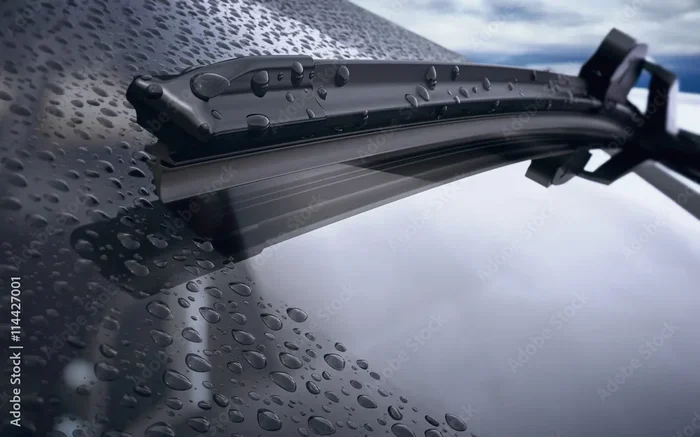
Windshield wipers work hand in hand with your glass to keep you seeing clearly. Worn wipers leave streaks and smears that reduce driver visibility at night or in heavy rain. Dirty wipers can also scratch the surface of your windshield over time, causing permanent marks that blur your vision.
Here are some tips to keep your wipers and windshield working well together:
- Replace your wipers every six to twelve months, or sooner if you notice streaking.
- Clean the windshield edge where the wipers sit to remove built-up grime.
- Use a quality washer fluid that does not leave residue on your auto glass.
- Lift the wipers off the glass during freezing weather to prevent them from sticking and tearing.
- Clean your windshield with a microfiber cloth to avoid fine scratches.
UV Protection for Your Health
Your windshield also protects you from harmful UV rays. Most modern auto glass blocks a large percentage of ultraviolet radiation. This protects your skin on long drives and keeps your car interior from fading and cracking. Without proper UV protection, drivers on long trips face increased risk of skin damage, especially on the left side of the face for drivers in countries where driving is on the right side of the road.
The windshield acts as a natural shield against the sun’s harmful rays. This is another reason why a damaged windshield should be repaired or replaced promptly. A cracked or compromised windshield may not provide the same level of UV protection, leaving you and your passengers more exposed.
Windshield Technology and Modern Features
Today’s cars are more advanced than ever before. And the windshield has evolved right along with them. Modern auto glass now includes technology that was unimaginable just a few years ago. From safety cameras to heads-up displays, your windshield is now a key part of your car’s smart systems.
Advanced Driver Assistance Systems
Many new cars come with ADAS features. These include lane departure warnings, automatic emergency braking, adaptive cruise control, and blind spot monitoring. Most of these systems rely on cameras and sensors mounted near the windshield, usually behind the rearview mirror.
When a windshield is replaced, these cameras often need recalibration. This process is called ADAS calibration. Without proper calibration, safety systems may not work correctly. This makes choosing a qualified shop for windshield replacement absolutely critical. A poorly calibrated system could fail to warn you of danger or could activate brakes at the wrong time.
Head-Up Displays
Some luxury and mid-range cars now feature head-up displays (HUD). These project speed, navigation, and warning information directly onto the windshield. The driver can see important data without looking away from the road. This technology improves driver visibility and reduces the need to glance down at the dashboard.
For HUDs to work properly, the windshield must have a special transparent section or coating. Any damage to this area can make the display hard to read or even completely unreadable. This shows how modern car glass is more than just a window. It is an integral part of your car’s technology ecosystem.
Heated and Smart Windshields
Some vehicles now have heated windshields that melt ice faster than traditional defrosters. Others use smart glass that can adjust tint based on sunlight intensity. These features improve comfort and safety in extreme weather conditions.
All of these technologies depend on the windshield being in perfect condition. Even a small crack can interfere with sensors and display systems. This makes regular inspection and timely windshield repair more important than ever before. As cars become smarter, the role of the windshield continues to grow.
Common Mistakes with Modern Windshield Tech
- Skipping ADAS recalibration after replacement: This can make safety features unreliable and put you at risk.
- Using aftermarket glass without checking compatibility: Not all auto glass works with every car’s technology systems.
- Ignoring sensor calibration warnings: Dashboard warnings after a windshield replacement should never be ignored or postponed.
- Choosing the cheapest option: Low-cost shops may skip ADAS calibration or use low-quality glass that does not work with your car’s features.
Common Windshield Problems and How to Fix Them
Even with good care, problems can happen to your windshield. Knowing what to look for helps you catch issues early. This can save you time, money, and keep you safe on the road. Most windshield problems fall into a few common categories that every driver should know about.
Chips and Cracks
A cracked windshield is one of the most common problems drivers face. Chips usually come from road debris. Rocks, gravel, and even small stones can hit your car glass at high speeds, especially on highways and construction zones. The damage can happen so fast that you do not even notice it until you see the crack later.
Small chips can often be repaired. A windshield repair kit or a visit to a repair shop can fill the chip and restore much of the strength. But once a crack starts spreading, windshield replacement is usually the only option. The longer you wait, the more the damage spreads and the more expensive the fix becomes.
Scratches and Cloudiness
Over time, your windshield can develop fine scratches. These come from wipers, dirt particles, and improper cleaning methods. Deep scratches can reduce driver visibility and cause dangerous glare at night when headlights hit the scratched surface. Cloudiness can also develop from oxidation or UV damage to the glass coating.
For light scratches, a professional polishing can often restore clarity. But deep scratches that affect your view need a windshield replacement. Never drive with a windshield that limits your ability to see the road clearly. Your safety depends on a clear view at all times.
Seal and Leak Issues
The rubber seal around your windshield can wear out over time. When this happens, water can leak into the car. This can damage the interior, cause mold, and even affect the windshield sensors and electronics that are embedded in or near the glass. Water damage can also lead to electrical problems that are expensive to fix.
Signs of a bad seal include water stains on the dashboard, foggy glass from the inside, or a musty smell coming from the vents. If you notice any of these signs, get your auto glass checked right away. A failing seal can also compromise the structural integrity of the windshield installation.
When to Repair vs. When to Replace Your Windshield
One of the most common questions drivers ask is whether to repair or replace their windshield. The answer depends on several factors including the size, location, and depth of the damage. Making the right choice can save you money and keep you safe on the road.
Repair or Replace: A Quick Guide
Use this guide to make the right call for your windshield damage:
- Repair if: The chip or crack is smaller than a quarter, it is not in the driver’s direct line of sight, and it has not spread to the edges of the glass.
- Replace if: The crack is longer than three inches, it is in the driver’s sight line, the glass is shattered or shattered in multiple places, or the damage is near the edge of the windshield where it affects the bond to the frame.
When in doubt, get a professional opinion. Many shops offer free inspections and can advise you on the best course of action for your auto glass. A certified technician can assess the damage and let you know whether a windshield repair will be strong enough or if a full windshield replacement is needed.
Cost Considerations
A windshield repair is much cheaper than a full windshield replacement. A simple chip repair might cost between $50 and $100. A full windshield replacement can range from $200 to $600 or more, depending on your vehicle make and model, the type of glass used, and whether ADAS calibration is needed.
Many insurance policies cover windshield replacement with no deductible. This is because windshield repair is considered a safety issue. Check your policy to see if you have glass coverage. This can save you a significant amount of money and make it easy to address damage quickly.
Finding the Right Service Provider
Not all windshield replacement shops are the same. Look for certified technicians who use OEM or OEM-equivalent glass. Ask about ADAS calibration if your car has advanced safety features. A proper installation ensures the windshield stays secure and functions correctly. This is essential for your road safety and the longevity of your auto glass.
Good shops will also check the cabin pressure system after installation to make sure the seal is tight. They will clean up any mess and explain how to care for your new windshield in the first 24 hours. Taking the time to find a reputable provider pays off in safety and peace of mind.
Key Takeaways
- A small chip today can become a big problem tomorrow. Fix it early to save money and stay safe.
- Always choose a certified shop for windshield replacement that offers ADAS calibration when needed.
- Keep your windshield wipers in good shape to avoid scratches and maintain clear driver visibility.
- Never ignore dashboard warnings after a windshield service. These warnings mean your safety systems need attention.
Conclusion
The windshield is far more than just a piece of glass in your car. It is a vital safety component that protects you in crashes, keeps you visible on the road, and supports advanced technology systems. From laminated glass construction to UV protection, every aspect of your windshield is designed with your safety and comfort in mind.
Taking care of your windshield should be a regular part of your car maintenance routine. Fix small chips before they spread into cracks. Replace worn windshield wipers on schedule. Choose quality service for any windshield repair or windshield replacement you need. These simple habits can make a big difference in your road safety and the lifespan of your auto glass.
Your windshield works hard for you every single time you drive. It handles wind resistance, blocks harmful UV rays, supports your airbags, and helps you see the road clearly. Give it the attention it deserves. A well-maintained windshield means a safer, more comfortable ride for you and everyone inside your car. Drive safe, keep your glass in great shape, and enjoy every journey with confidence.
Frequently Asked Questions
How long does a windshield repair take?
A typical windshield repair takes about 30 minutes. Most shops can fix a small chip while you wait. It is a quick and affordable way to prevent a small chip from turning into a big crack that requires a full windshield replacement.
Can I drive with a cracked windshield?
It depends on the size and location of the crack. Small chips are usually safe to drive with, but a large crack in your line of sight is dangerous and can even be illegal in many states. Get it checked by a professional as soon as possible to avoid further damage and keep your road safety intact.
Does insurance cover windshield replacement?
Many auto insurance policies include glass coverage. This often covers windshield replacement with no deductible. Check with your insurance provider to see what is included in your policy and whether ADAS calibration is also covered if needed.
How long does a windshield replacement take?
A professional windshield replacement usually takes about one to two hours. The glass needs time to cure before you can drive safely. Most shops advise waiting at least one hour before driving, but full curing and ADAS calibration can take up to 24 hours depending on the vehicle.
Why does my windshield have a rainbow effect?
A rainbow or oily sheen on your windshield is usually caused by wear on the glass surface or a damaged coating. It can also come from old wiper fluid residue or mineral buildup. A professional cleaning or polishing can often restore clarity and improve your driver visibility.
Is aftermarket auto glass safe?
Quality aftermarket auto glass can be just as safe as OEM glass when installed correctly. The key is to choose a reputable shop that uses certified glass and follows proper installation procedures. Always ask about ADAS calibration if your car has safety cameras or sensors near the glass.