Why Is My Car Telling Me to Rest Now and How to Fix It
Your car is trying to protect you. When it displays a rest alert, it means your vehicle needs attention or you need a break from driving. This guide explains what triggers the message, how to fix it, and simple steps to prevent it from happening again.
Have you ever been driving and suddenly seen a message on your dashboard that reads Why Is My Car Telling Me to Rest Now? It can catch you off guard. You might wonder if something is seriously wrong with your engine or if you just need to pull over and take a break.
The truth is, this message is your car’s way of communicating with you. Modern vehicles are packed with smart sensors and computer systems. These systems watch over your engine, transmission, brakes, and more. When something is off, your car lets you know through alerts and warnings.
The rest now message is one of those alerts. It might show up for many different reasons. Sometimes it means your vehicle needs maintenance. Other times, it is a sign that you should take a break from driving. Either way, understanding what this message means can save you time, money, and stress.
In this article, we will walk you through everything you need to know. You will learn what triggers the alert, the most common reasons behind it, and simple steps to fix the problem. We will also share prevention tips so the message does not keep coming back. Let us dive in and help you understand your car better.
Key Takeaways
- Rest alerts are normal: Your car uses a built-in warning system to tell you when something needs attention or when you should take a break.
- Multiple causes exist: Low fluids, overdue maintenance, overheating, and electrical issues can all trigger the rest message.
- Simple fixes often work: Many rest alerts can be resolved with basic checks like topping off fluids or resetting the system.
- Prevention is key: Following your maintenance schedule and practicing good driving habits can stop the alert from returning.
- Know when to seek help: Some rest alerts signal serious problems that need a professional mechanic’s attention right away.
- Read your owner’s manual: It contains specific information about your car’s alert system and how to respond to each message.
- Stay calm and act quickly: Ignoring the alert can lead to bigger problems and costly repairs down the road.
📑 Table of Contents
What Does “Rest Now” Mean on Your Dashboard?
When your car flashes a rest alert, it is trying to get your attention. But what does it actually mean? The answer depends on your vehicle model and the specific situation. Every car maker designs its alert system a little differently. However, the core purpose is always the same: to keep you safe and your car running well.
Understanding Dashboard Alerts
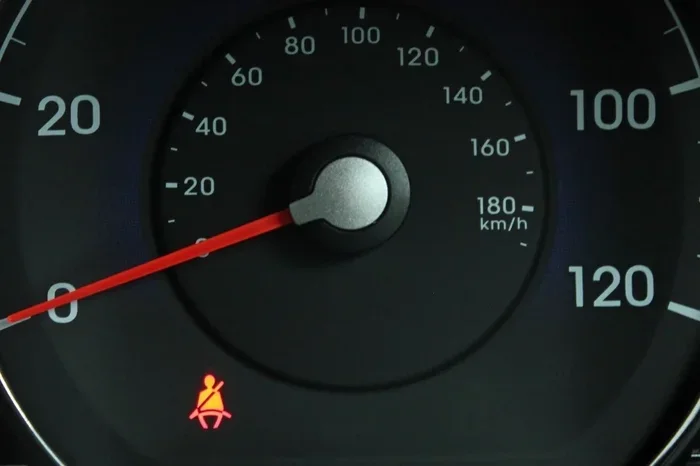
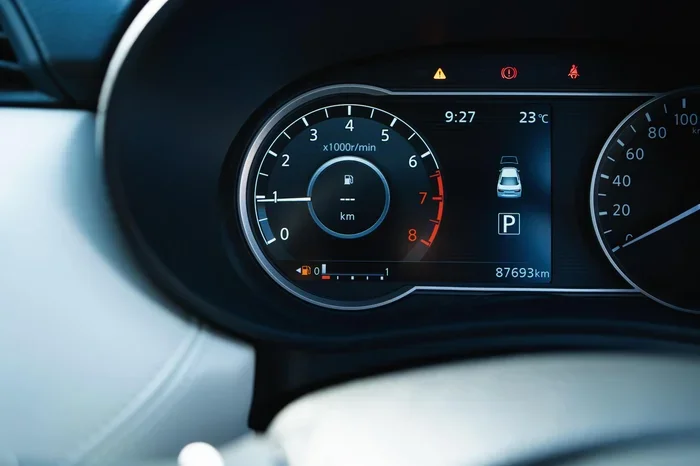
Dashboard alerts come in many shapes and colors. Some are red and urgent. Others are yellow and less serious. The rest message usually falls into the yellow or amber category. This means it is a reminder, not an emergency. Still, you should not ignore it.
Your dashboard warning light system is like a health monitor for your car. Just as your body gives you signals when something is wrong, your car does the same. The rest alert is one of those signals. It tells you that something needs your attention soon.
The Difference Between a Warning and a Reminder
It helps to understand the difference between a warning and a reminder. A warning means stop immediately. A reminder means take action soon. The rest message is usually a reminder. It is telling you that a service interval is coming up or that a system needs checking.
Here are some quick tips for reading dashboard messages:
- Red light: Stop safely right away. This is urgent.
- Yellow or amber light: Plan to check it soon. It is not an emergency.
- Text message: Read it carefully. It often gives you clues about what to do.
- Flashing light: Pay attention. Something needs action soon.
Quick Tips for Reading Dashboard Messages
Not all dashboard messages are easy to understand. Car makers use different words and symbols. Here are some tips to help you read them better. First, always refer to your owner’s manual. It has a full list of alerts and what each one means. Second, do not panic. Most alerts are reminders, not emergencies. Third, address the message soon. Ignoring it can turn a small issue into a big problem.
Understanding your car health monitor is an important part of being a smart driver. The more you know about your alerts, the better you can care for your vehicle.
Common Reasons Your Car Says to Rest Now
Now that you know what the rest alert means, let us look at the most common reasons it shows up. There are many possible causes. Some are simple to fix. Others need a little more attention. Let us go through them one by one.
Low Fluid Levels
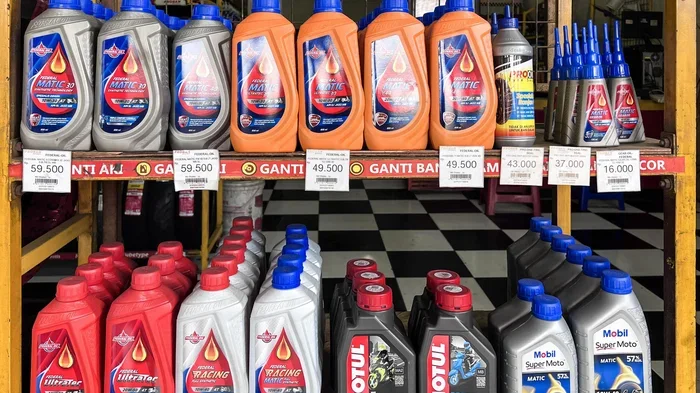
One of the most common reasons for a rest alert is low fluid levels. Your car needs several fluids to run smoothly. These include engine oil, coolant, brake fluid, and power steering fluid. When any of these drop too low, your car may display a rest message.
Low oil is especially common. Oil keeps your engine parts lubricated. Without enough oil, your engine can overheat and get damaged. A quick check of your dipstick can tell you if your oil level is low. If it is, topping it off may clear the alert.
Here are the fluids to check regularly:
- Engine oil: Keeps the engine lubricated and cool.
- Coolant: Prevents the engine from overheating.
- Brake fluid: Ensures your brakes work properly.
- Power steering fluid: Makes steering smooth and easy.
- Windshield washer fluid: Keeps your windshield clean for safe driving.
Overheating Engine
An overheating engine is a serious issue. When your engine gets too hot, it can cause major damage. Your car’s temperature gauge will usually show a high reading before the rest alert appears. The rest message is your car’s way of saying, “Please stop and let me cool down.”
Common causes of overheating include a low coolant level, a broken thermostat, or a faulty radiator fan. If you see the rest alert along with a hot engine warning, pull over safely and turn off the engine. Wait at least 15 minutes before checking the coolant level.
Maintenance Is Overdue
Your car has a built-in maintenance schedule that tracks service intervals. When it is time for an oil change, tire rotation, or other routine service, the rest alert may appear. This is your car telling you that it is due for some care.
Most cars need an oil change every 5,000 to 7,500 miles. Other services, like brake inspections and tire rotations, follow different timelines. Check your owner’s manual for the recommended service interval for your specific model. Staying on top of your maintenance schedule can prevent many alerts from appearing.
Battery or Electrical Issues
Your car’s electrical system powers everything from the lights to the computer modules. When there is an issue with the battery or the alternator, the rest alert may show up. A weak battery or a failing alternator can disrupt the entire electrical system.
Signs of electrical problems include dim headlights, slow engine cranking, and flickering dashboard lights. If you notice these symptoms along with the rest message, have your battery and alternator checked soon. A simple battery test at a repair shop can reveal a lot.
Driving Fatigue Detection
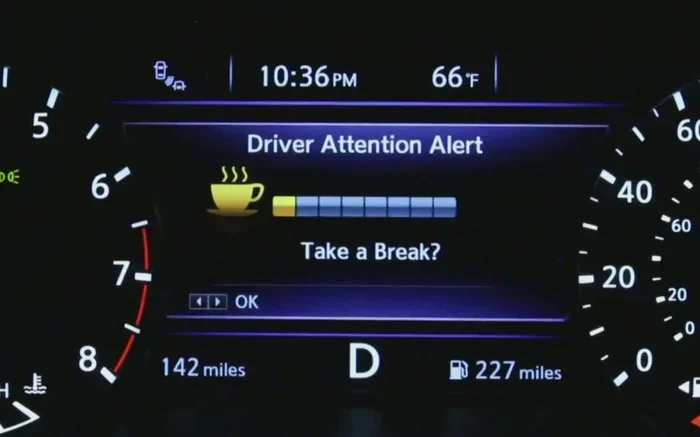
Some modern cars have advanced systems that monitor driver behavior. These systems can detect signs of fatigue or distraction. If the car senses that you have been driving for a long time without a break, it may display a rest alert. This is a safety feature designed to prevent drowsy driving accidents.
If you have been driving for several hours, it is a good idea to pull over and take a break. Even a 15-minute rest can help you stay alert and focused. Your car cares about your safety, and this alert is a reminder to take care of yourself too.
Common Mistakes That Trigger the Alert
Sometimes the rest alert appears because of simple mistakes. Here are some common ones:
- Forgetting to close the hood: A loose hood can trigger multiple alerts.
- Leaving the ignition on without starting: This can drain the battery and trigger warnings.
- Ignoring early warning signs: Small issues can grow into bigger problems if not addressed.
- Skipping scheduled service: Going too long between oil changes or inspections can trigger the alert.
- Using the wrong type of fuel or fluid: This can confuse the sensors and cause false alerts.
Common Mistakes to Avoid
Many drivers make the mistake of ignoring the rest alert. They assume it will go away on its own. This is not a good idea. Another common mistake is trying to reset the alert without fixing the underlying problem. The alert will just come back. Also, some drivers delay service because they are busy. This can lead to more serious and expensive repairs later on.
How Your Car’s Rest Alert System Works
Your car’s alert system is more advanced than you might think. It relies on a network of sensors, computers, and software working together. Understanding how this system works can help you respond better to alerts like the rest message.
The Role of the OBD System
At the heart of your car’s alert system is the onboard diagnostics system, also known as the OBD system. This computer monitors all major systems in your vehicle. It reads data from sensors throughout the car and checks for anything that is out of range.
When the OBD system detects a problem, it stores a trouble code. This code tells a mechanic exactly what is wrong. It also triggers dashboard alerts like the rest message. The OBD system has been required in all cars sold in the United States since 1996. It has made car maintenance and repair much easier.
How Sensors Monitor Your Vehicle
Your car has dozens of sensors spread throughout its systems. Each sensor monitors a specific condition. For example, the oil pressure sensor checks the oil level. The temperature sensor monitors engine heat. The battery sensor tracks electrical health.
When any sensor detects a problem, it sends a signal to the main computer. The computer then decides whether to display an alert. The car warning system uses a priority system. Serious issues get red warnings. Less urgent issues get yellow alerts or text messages like the rest notification.
What the Car Health Monitor Tracks
The car health monitor tracks many different aspects of your vehicle. Here is a quick look at what it monitors:
- Engine performance: Tracks RPM, temperature, and oil pressure.
- Emission systems: Monitors exhaust gases and catalytic converter health.
- Brake system: Checks brake pad wear and fluid levels.
- Electrical system: Monitors battery charge and alternator output.
- Fuel system: Tracks fuel efficiency and injector performance.
- Transmission: Monitors fluid temperature and shift patterns.
All of this information is processed in real time. The system is always working to keep your car running at its best. When something falls outside the normal range, the rest alert is one way it tells you.
How to Fix the Rest Now Message
Now that you know the common causes, let us talk about how to fix the rest message. Many fixes are simple and can be done at home. Others may need a trip to the mechanic. Let us walk through the steps.
Step-by-Step Fixes
Here is a simple approach to fixing the rest alert. Follow these steps in order:
- Check your fluids: Open the hood and check the oil, coolant, and brake fluid levels. Top off anything that is low. Use the type of fluid recommended in your owner’s manual.
- Check your battery: Look at the battery terminals for corrosion. Clean them with a wire brush if needed. Make sure the cables are tight.
- Check the temperature gauge: If your engine is running hot, let it cool down before driving again. Check for coolant leaks under the car.
- Review your maintenance schedule: Check if you are due for an oil change or other service. If so, schedule it right away.
- Take a break: If you have been driving for a long time, pull over and rest for 15 to 20 minutes. This can clear the fatigue-related alert.
- Reset the system: After addressing the issue, try resetting the alert. The method varies by car. Check your owner’s manual for instructions.
Quick Reset Methods
Sometimes the rest alert stays on even after you have fixed the problem. In that case, a reset may be needed. Here are some quick reset methods that work for many car models:
- Method 1: Turn the ignition to the “on” position without starting the engine. Press and hold the trip reset button for 10 seconds. Release and turn the key off.
- Method 2: Disconnect the battery for 5 minutes. Reconnect it and start the car. This resets the entire electrical system.
- Method 3: Use an OBD scanner tool. Plug it into the diagnostic port under your steering column. Clear the trouble codes and the alert should disappear.
Be careful with resets. Only reset the alert after you have actually fixed the problem. Resetting without fixing the issue will just make the alert come back.
When Simple Fixes Do Not Work
If you have checked all the fluids, taken a break, and tried resetting the system, but the alert still shows up, it is time to dig deeper. The problem may be more complex than a simple fluid top-off. In this case, it is best to consult a professional. A mechanic can run a full diagnostic scan and find the root cause.
Expert Insights
According to automotive experts, most rest alerts are caused by simple issues that are easy to fix. The key is to address them early. Waiting too long can turn a minor issue into a major repair. One mechanic shared that over 60% of rest alerts he sees are related to overdue oil changes or low fluid levels. A little preventive care goes a long way.
Tips to Prevent the Rest Alert From Coming Back
Once you have fixed the rest alert, you will want to keep it from coming back. Prevention is always better than repair. Here are some simple habits that can help you avoid the rest message in the future.
Stick to Your Maintenance Schedule
Your owner’s manual includes a recommended maintenance schedule for your car. This schedule lists all the services your car needs and when they are due. Following it closely is one of the best ways to prevent alerts. Set reminders on your phone or calendar for each service interval.
Keep a log of all your maintenance. Write down the date, mileage, and type of service. This record can help you track patterns and stay on top of your car’s needs. Many repair shops also offer service reminders if you give them your contact information.
Daily Habits That Help
Small daily habits can make a big difference in your car’s health. Here are some easy habits to adopt:
- Check your fluids once a week: A quick glance under the hood can catch low levels early.
- Listen to your car: Unusual sounds like grinding or squealing can signal problems before alerts appear.
- Take breaks on long drives: Stop every 2 hours to rest and stretch. This helps both you and your car.
- Keep your car clean: Dirt and debris can affect sensors and cause false alerts.
- Watch your dashboard: Do not ignore any lights or messages, even if they seem minor.
Expert Insights on Car Care
Automotive experts agree that preventive care is the best way to avoid alerts and expensive repairs. One key tip is to not skip oil changes, even if you think you can stretch the interval. Fresh oil keeps your engine clean and running smoothly. Another tip is to use quality parts and fluids. Cheap replacements may save money short-term but can cause problems later.
Also, pay attention to your driving habits. Aggressive driving, such as rapid acceleration and hard braking, puts extra stress on your car. Gentle driving helps your car last longer and reduces the chance of alerts appearing.
Quick Tips for Long-Term Car Health
- Keep a maintenance log and follow it strictly.
- Use the recommended grade of oil and fluids for your car.
- Address small issues before they become big problems.
- Wash your car regularly to protect the sensors and body.
- Store your car in a garage when possible to protect it from weather damage.
When Should You See a Mechanic?
Most rest alerts can be handled at home with simple checks and fixes. But some situations need professional help. Knowing when to see a mechanic can save you from bigger problems and costly repairs.
Red Flags to Watch For
Here are some signs that it is time to visit a mechanic:
- The rest alert keeps coming back: Even after you have fixed the issue and reset the system, the alert returns.
- Your check engine light is on: This is a serious warning that needs professional diagnosis.
- You notice strange noises: Grinding, knocking, or squealing sounds are never normal.
- Your car is pulling to one side: This could indicate alignment or brake problems.
- You see smoke or steam: Any smoke from the hood is a sign of a serious issue.
- The dashboard has multiple alerts: Several alerts at once can signal a major electrical or mechanical problem.
What to Expect at the Shop
When you take your car to a mechanic, they will start by running a diagnostic scan. This connects to your car’s OBD system and reads any trouble codes stored in the computer. The codes give the mechanic a clear picture of what is wrong.
From there, the mechanic will inspect the relevant systems and parts. They will explain the findings and give you an estimate for the repair. Most rest alert issues are straightforward and affordable to fix. The key is to get them checked early before they become bigger problems.
Always choose a trusted mechanic or repair shop. Look for certified technicians with good reviews. A good mechanic will not only fix the current issue but also give you advice on preventing future alerts.
Conclusion
So, why is my car telling me to rest now? As we have explored, the answer can be many things. It might be a fluid issue, an overdue service, an overheating engine, or even a reminder for you to take a break from driving. Whatever the cause, the rest alert is your car’s way of looking out for you.
The good news is that most rest alerts are easy to fix. A simple fluid check, a timely oil change, or a short break can often clear the message. By staying on top of your maintenance schedule and paying attention to your car’s signals, you can keep the alert from coming back.
Remember, your car is a complex machine with a smart alert system designed to protect you. When the rest message appears, take it seriously. Check the basics first, reset the system if needed, and see a mechanic if the problem persists. With the right care and attention, you and your car can enjoy many more miles of safe and smooth driving together.
Now that you know what to do when your car says to rest, you are better prepared to handle the situation. Trust your instincts, stay proactive, and keep your car in great shape. Happy and safe driving!
Frequently Asked Questions
Can I ignore the rest alert if my car seems to be running fine?
It is not a good idea to ignore the rest alert, even if your car seems fine. The alert is a reminder that something needs attention soon. Ignoring it can lead to bigger problems over time. Always check the basics like fluid levels and maintenance schedules when the alert appears.
Does the rest message mean my car is broken?
Not necessarily. In most cases, the rest message is a reminder for routine maintenance or a simple fix like topping off fluids. It rarely means your car is seriously broken. However, if the alert keeps coming back, it is best to have a mechanic check it out.
How do I reset the rest alert on my dashboard?
Reset methods vary by car model. Common methods include pressing and holding the trip reset button with the ignition on, disconnecting the battery for a few minutes, or using an OBD scanner to clear trouble codes. Always fix the underlying issue before resetting the alert.
Is the rest alert related to the engine?
The rest alert can be related to the engine if the issue involves fluids, temperature, or maintenance. However, it can also be triggered by electrical issues, low battery, or even driver fatigue detection systems. The alert is a general reminder that something needs your attention.
Can driving while tired trigger the car rest message?
Yes, some modern cars have systems that detect driver fatigue. If you have been driving for a long time without a break, the car may display a rest alert to remind you to stop and rest. This is a safety feature designed to prevent drowsy driving accidents.
How often should I service my car to avoid the rest alert?
Follow the maintenance schedule in your owner’s manual. Most cars need an oil change every 5,000 to 7,500 miles. Other services like brake inspections and tire rotations follow different timelines. Staying on top of regular service is the best way to prevent the rest alert from appearing.