Why Is My Seatbelt Alarm Going Off And How To Fix It
A seatbelt alarm going off constantly is annoying, but it usually points to a simple fix. The seatbelt alarm is designed to keep you safe, but a faulty buckle, debris, or bad sensor can cause it to trigger even when you are buckled up. This guide walks you through every common reason and shows you exactly how to fix it yourself.
That relentless beeping sound is enough to drive anyone crazy. You are sitting in your car, seatbelt clicked in tight, and still the alarm keeps going off. It is frustrating, loud, and hard to ignore. But here is the good news. Most of the time, a seatbelt alarm that won’t stop is a problem you can fix yourself. You do not need to be a mechanic or spend hundreds of dollars at a shop. In this article, we will walk you through exactly why your seatbelt alarm keeps going off and show you the best ways to fix it. Whether it is a simple debris issue or a faulty sensor, we have got you covered.
Your car’s seatbelt warning system is one of the most important safety features you have. It exists to remind you to buckle up before driving. When something goes wrong with that system, it can feel like your car is constantly scolding you. Understanding how the system works and what triggers it is the first step toward a quiet, stress-free ride. Let us dive into the most common reasons this happens and how you can solve the problem quickly.
Key Takeaways
- Debris in the buckle is one of the most common reasons the alarm keeps ringing.
- A worn or damaged seatbelt buckle may not click properly, fooling the sensor into thinking you are unbuckled.
- Faulty wiring or a bad seatbelt sensor can cause the warning light and chime to stay on even when the belt is fastened.
- Most fixes are simple and can be done at home with basic tools and a few minutes of your time.
- Never disable the seatbelt alarm illegally, as it is a critical safety feature required by law in most places.
- Regular maintenance of your seatbelt system can prevent most alarm issues before they start.
- When in doubt, visit a mechanic who can diagnose sensor and wiring problems with professional tools.
📑 Table of Contents
What Triggers a Seatbelt Alarm?
Before you can fix the problem, it helps to understand what is actually happening inside your car. The seatbelt alarm is not just a loud speaker. It is part of a small but smart system that checks whether your belt is buckled in. When you start the engine, the system looks for a signal from the seatbelt sensor. If it does not get that signal, the chime starts and the warning light flashes on your dashboard.
How the Seatbelt Sensor Works
Every car has a tiny switch built into the seatbelt buckle. When you click the belt latch into place, that switch closes. It sends a signal to the car’s computer telling it that the belt is fastened. The computer then shuts off the alarm. This whole process happens in a split second. It is simple, but it relies on clean connections and proper alignment.
When the switch is working right, you never even notice it. But when something interrupts that signal, the alarm kicks in. Sometimes it is because the belt is truly unbuckled. Other times, something is blocking the sensor from doing its job. Let us look at the most common reasons this happens.
Why Does My Seatbelt Alarm Keep Going Off?
There are several reasons your seatbelt alarm might keep triggering. Some are easy to fix. Others need a little more attention. Here are the most common causes that drivers run into every day.
Debris or Dirt Inside the Buckle
This is the number one reason people deal with a seatbelt alarm that won’t stop. Over time, crumbs, dust, coins, and small debris can get trapped inside the buckle. When this happens, the latch cannot click all the way in. The sensor thinks the belt is not buckled, so it keeps the alarm going.
You might not even see the debris. Sometimes it is just a tiny piece of food or lint stuck in the mechanism. Even a small amount of dirt can prevent the switch from closing fully. This is especially common if you eat in your car or have kids who drop snacks in the seats.
A Worn or Damaged Seatbelt Buckle
Buckles take a beating over time. They get pulled, yanked, and jammed over and over again. Eventually, the internal parts wear down. The spring that pushes the latch into place can get weak. The metal contacts inside the switch can become corroded or bent. When any of these things happen, the buckle might look closed but not send the right signal to the sensor.
If you notice that your belt feels loose or does not click with a satisfying snap, that is a sign. A worn buckle is one of the sneaky reasons a seatbelt warning light stays on even when you think you are buckled up.
Worn or Frayed Seatbelt Webbing
The belt itself can also cause problems. If the webbing is frayed, stretched out, or damaged, it might not pull the latch into the correct position. The sensor relies on the belt being seated properly in the buckle. If the belt is too loose or twisted, it can prevent a full connection.
Sun damage, age, and heavy use all take a toll on seatbelt material. If your belt looks worn or does not retract smoothly, that could be contributing to the alarm issue.
Faulty Wiring or Electrical Problems
Sometimes the problem is not mechanical at all. It is electrical. The wires that connect the seatbelt sensor to the car’s computer can get damaged. This is especially common under the seat, where wires are exposed to movement, moisture, and heat. A frayed wire or a loose connector can send the wrong signal. Your car’s computer then thinks the belt is unbuckled, and the alarm keeps ringing.
Electrical issues can be tricky to diagnose on your own. If you have checked the buckle and the belt and everything looks fine, a wiring problem might be the hidden cause.
Seatbelt Not Buckled Correctly
It sounds obvious, but this happens more often than you might think. Sometimes the belt latch does not go in all the way. It might feel like it is clicked, but the sensor does not register it. This can happen if you rush, if the belt is twisted, or if the latch is not aligned properly with the buckle.
Take a moment to make sure the belt is fully seated every time. A quick push to confirm the click can save you from a long drive with a beeping alarm.
How To Fix a Seatbelt Alarm That Won’t Stop
Now that you know the common causes, let us get into the fixes. Most of these are simple enough to do at home. You just need a few basic tools and a little patience.
Step 1: Clean the Buckle Thoroughly
Start with the easiest fix first. Grab a flashlight and look inside the buckle. You will likely see the latch mechanism and the opening where the belt clicks in. Use a can of compressed air to blow out any loose debris. Then take a small brush, like a clean toothbrush, and gently scrub around the inside of the buckle.
For stuck-on grime, dip a cotton swab in a little rubbing alcohol and carefully clean the inside walls. Be gentle. You do not want to push debris further in. After cleaning, click the belt in and out a few times to make sure the mechanism moves freely.
Quick Tip: Make this a regular habit. A quick clean every few months can prevent buildup and keep your seatbelt alarm working properly.
Step 2: Check the Seatbelt Webbing
Pull the belt out fully and inspect it from end to end. Look for fraying, tears, or heavy wear. Run your fingers along the webbing and feel for rough spots or thin areas. If the belt is damaged, it needs to be replaced.
Also check that the belt retracts smoothly. Pull it out and let it wind back in. If it sticks, tangles, or does not retract fully, the retractor mechanism might need attention. A belt that does not seat properly in the buckle can trigger the alarm.
Step 3: Inspect the Buckle and Latch
Click the belt into the buckle and pay attention to how it feels. A healthy buckle should give a firm, satisfying click. If it feels loose, mushy, or like it is not catching, the internal spring or mechanism is probably worn out.
You can also try wiggling the latch while it is buckled. If it moves around a lot, that is a sign the buckle is worn. In this case, the buckle will likely need to be replaced. Replacement buckles are affordable and easy to find for most car models.
Step 4: Check the Wiring Under the Seat
Carefully pull the seat forward and look at the wiring harness near the buckle. You are looking for frayed wires, loose connectors, or signs of corrosion. Unplug the connector attached to the buckle, inspect the pins, and plug it back in firmly.
If you see green corrosion on the metal pins, use a small amount of electrical contact cleaner and a soft brush to clean them. Make sure the connection is tight and secure before moving on.
Step 5: Reset the Seatbelt Alarm System
Sometimes the car’s computer just needs a reset. Turn the ignition off and remove the key. Wait at least 30 seconds. Then reconnect the battery if you are comfortable doing so, or simply turn the ignition back on. This clears any temporary error codes in the system.
In some cars, you can also reset the system by buckling and unbuckling the belt three times in quick succession while the ignition is on. Check your owner’s manual for the specific reset procedure for your vehicle model.
If none of these steps work, it is time to take the car to a professional. A mechanic with diagnostic tools can read the error codes from your car’s computer and pinpoint exactly what is wrong. This saves you time and prevents you from replacing parts that are not the real problem.
Seatbelt Warning Light Stays On But Belt Is Buckled
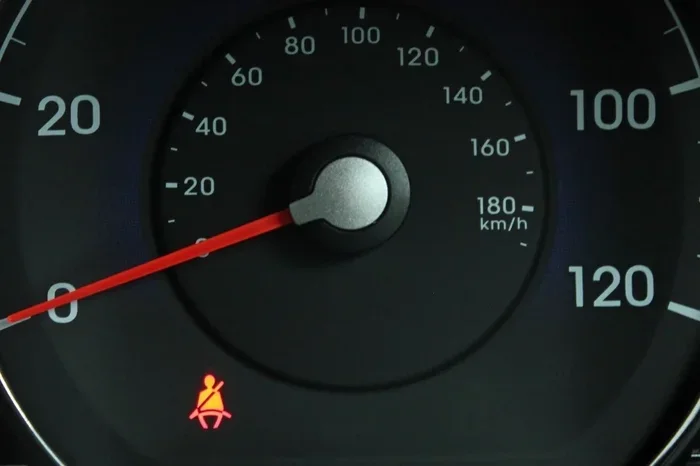
This is one of the most confusing problems drivers face. You are buckled in tight, but the seatbelt warning light on the dashboard just will not go off. What is going on? There are a few explanations.
First, the passenger seat sensor might be triggered even if you are the only person in the car. Some cars have weight sensors in the passenger seat. If something heavy is sitting there, like a bag or a box, the car thinks there is a passenger who is not buckled in. Move any heavy items off the passenger seat and see if the light goes off.
Second, the seatbelt sensor switch inside the buckle might be stuck in the open position. This means it never sends the “buckled” signal to the car’s computer, even when the belt is clicked in. Cleaning the buckle often fixes this. If it does not, the switch might need to be replaced.
Third, the problem could be with the car’s computer itself. In rare cases, a software glitch or a failing control module can keep the light on. This requires professional diagnosis and sometimes a software update or module replacement.
Quick Fixes for a Persistent Warning Light
- Remove all heavy items from the passenger seat and check if the light goes off.
- Clean the buckle with compressed air and a cotton swab dipped in rubbing alcohol.
- Check that the belt is fully seated and the latch clicks in firmly.
- Try the three-buckle reset method described earlier.
- Inspect the wiring under the seat for loose or corroded connections.
- Visit a mechanic for a full diagnostic scan if the light persists.
Can You Disable a Seatbelt Alarm?
Some people wonder if they can just turn the alarm off and be done with it. The short answer is yes, you can. The longer answer is that you probably should not. Here is why.
The seatbelt alarm exists for one reason: to keep you alive. Studies consistently show that wearing a seatbelt dramatically reduces the risk of serious injury or death in a crash. Disabling the alarm might seem like a quick fix, but it removes a layer of protection that could save your life.
Beyond safety, there are legal reasons not to disable the alarm. In most places, it is illegal to modify or remove safety equipment from a vehicle. If you get pulled over and an officer notices the alarm has been tampered with, you could face a fine. Insurance companies may also deny a claim if they find that safety systems were deliberately disabled.
If the alarm is going off because of a genuine problem with the belt or sensor, fix the underlying issue. Do not try to silence the alarm as a workaround. That defeats the purpose of the feature entirely.
Safe Alternatives
If you find the alarm overly sensitive or too loud, there are a few things you can do without disabling it. Some cars allow you to adjust the alarm volume through the settings menu. Check your owner’s manual to see if this is an option for your vehicle.
Another approach is to make sure the seatbelt system is working properly so the alarm only triggers when it should. A well-maintained seatbelt warning system will only beep when the belt is actually unbuckled. That is exactly what it is supposed to do.
Preventing Seatbelt Alarm Problems
The best way to deal with a seatbelt alarm is to prevent problems before they start. A little regular maintenance goes a long way toward keeping everything working smoothly.
Simple Maintenance Tips
- Clean the buckle monthly. Use compressed air and a soft brush to remove debris and dirt buildup.
- Inspect the webbing regularly. Look for fraying, tears, or signs of wear every few months.
- Check the retractor function. Make sure the belt pulls out and retracts smoothly without sticking.
- Avoid putting heavy objects on the passenger seat. This prevents false triggers from the weight sensor.
- Keep the area under the seat clear. Items sliding under the seat can snag or pull on wiring.
- Address small problems early. If you notice the buckle feeling loose or the click feeling weak, get it checked before it becomes a bigger issue.
When to Replace Seatbelt Components
No matter how well you maintain your seatbelt system, parts will eventually wear out. Here are signs that it is time for a replacement. If the buckle feels loose or does not click firmly, replace it. If the belt webbing shows visible fraying or thinning, replace it. If the belt does not retract at all or gets stuck, the retractor needs attention. If the warning light stays on after you have tried all the basic fixes, the sensor switch may need to be replaced.
Replacement parts for seatbelt components are generally affordable. A new buckle typically costs between 10 and 40 dollars depending on your car model. Belt webbing replacements range from 20 to 80 dollars. Sensors and switches are usually under 30 dollars. The cost of labor is minimal if you do the work yourself, or a mechanic can handle it quickly for a reasonable fee.
Expert Insights
Automotive experts agree that most seatbelt alarm issues come down to three things. Dirt and debris in the buckle, worn internal components, and electrical connection problems. According to certified mechanics, the single most effective thing a driver can do is keep the buckle clean and inspect the belt webbing regularly. Catching small issues early prevents them from becoming bigger, more expensive problems down the road.
Common Mistakes to avoid: Do not use water to clean the buckle. Moisture can cause corrosion inside the mechanism. Do not force the latch if it does not click in easily. Forcing it can damage the internal spring. And do not ignore a persistent alarm. It is your car telling you something needs attention, and ignoring it means you might be driving without a properly functioning safety system.
Key Takeaways
- Debris in the buckle is one of the most common reasons the alarm keeps ringing.
- A worn or damaged seatbelt buckle may not click properly, fooling the sensor into thinking you are unbuckled.
- Faulty wiring or a bad seatbelt sensor can cause the warning light and chime to stay on even when the belt is fastened.
- Most fixes are simple and can be done at home with basic tools and a few minutes of your time.
- Never disable the seatbelt alarm illegally, as it is a critical safety feature required by law in most places.
- Regular maintenance of your seatbelt system can prevent most alarm issues before they start.
- When in doubt, visit a mechanic who can diagnose sensor and wiring problems with professional tools.
Conclusion
Dealing with a seatbelt alarm that keeps going off is frustrating, but it is almost always a solvable problem. The most common causes are simple ones. Debris in the buckle, a worn latch, frayed webbing, or a loose electrical connection. In most cases, you can fix the issue yourself with basic tools and a few minutes of effort.
Start by cleaning the buckle and checking that the belt is clicking in properly. If that does not solve it, inspect the webbing and the wiring under the seat. Reset the system and see if the alarm stops. These steps resolve the problem for the vast majority of drivers.
If you have tried everything and the alarm still will not quit, take your car to a trusted mechanic. They can run a diagnostic scan and find the exact cause. The important thing is to not ignore the problem. Your seatbelt warning system is there to protect you. Keeping it in good working order means it can do its job when it matters most.
Take care of your seatbelt system today. A few minutes of maintenance now can save you hours of annoyance later. And more importantly, it means your safety equipment will be ready to work when you need it most. Drive safe, stay buckled, and enjoy a quiet ride.
Frequently Asked Questions
Why does my seatbelt alarm keep going off even when I am buckled in?
This usually happens because the buckle sensor is not making proper contact. Debris inside the buckle, a worn latch mechanism, or a faulty sensor switch are the most common causes. Cleaning the buckle and inspecting the latch often solves the problem quickly.
Can I turn off my seatbelt alarm permanently?
While it is technically possible in some vehicles, it is not recommended. The alarm is a critical safety feature, and disabling it may be illegal in many areas. It is always better to fix the underlying issue that is causing the alarm to trigger.
How do I reset my seatbelt alarm after fixing the problem?
Turn the ignition off, wait 30 seconds, and turn it back on. In some cars, you can also try buckling and unbuckling the seatbelt three times quickly while the ignition is on. Check your vehicle owner’s manual for the specific reset method.
How much does it cost to fix a seatbelt alarm problem?
Most fixes are very affordable. Cleaning the buckle costs nothing. Replacing a worn buckle typically runs between 10 and 40 dollars for the part. If you visit a mechanic, labor costs are usually minimal since the repair is straightforward. Electrical repairs may cost more depending on the complexity.
What should I do if the seatbelt warning light stays on but the belt is fastened?
First, check the passenger seat for heavy items that might be triggering the weight sensor. Then clean the buckle thoroughly and make sure the latch clicks in firmly. If the light still stays on, inspect the wiring under the seat or visit a mechanic for a diagnostic scan.
How often should I maintain my seatbelt system to prevent alarm issues?
A quick inspection and cleaning every few months is ideal. Check the buckle for debris, inspect the webbing for fraying, and make sure the belt retracts smoothly. Regular maintenance catches small problems before they turn into annoying alarm issues.