Why Is My Car Saying Traction Control Off And How To Fix It
When your car says traction control off, it usually means the system has been manually disabled or a sensor, fuse, or module needs attention. This warning can appear for simple reasons like pressing the traction control button or more serious issues like a faulty wheel speed sensor. In this guide, we walk you through every possible cause and show you exactly how to fix it yourself or when to call a professional.
You are driving down the road when a message suddenly pops up on your dashboard. It reads, “Traction Control Off.” Your first reaction might be panic. You wonder if your car is broken or if it is safe to keep driving.
The good news is that this warning does not always mean something is seriously wrong. Sometimes it is a simple fix you can handle in minutes. Other times, it points to a sensor or module that needs professional attention. Either way, understanding what this message means is the first step toward solving it.
In this article, we will explain exactly why your car says traction control off, what causes it, and how to fix it step by step. We will also cover when you should see a mechanic and how to prevent this problem from happening again. By the end, you will feel confident handling this common car warning.
Key Takeaways
- Dashboard Warning: The “traction control off” message means your car’s stability system is not currently active.
- Common Causes: A disabled switch, faulty wheel speed sensor, bad ABS module, or blown fuse often triggers this warning.
- Easy Fixes: Many issues can be resolved by resetting the system, checking the fuse, or cleaning the sensors.
- Safety First: Driving with traction control off reduces your grip on wet or icy roads, so address the issue promptly.
- Professional Help: Persistent warnings or flashing lights may need a mechanic’s diagnostic tools to properly resolve.
- Prevention: Regular maintenance, clean sensors, and timely repairs keep your traction control system working reliably.
📑 Table of Contents
- What Does “Traction Control Off” Mean on Your Dashboard?
- Common Reasons Why Your Car Says Traction Control Off
- How the Traction Control System Actually Works
- Step-by-Step Fixes to Turn Traction Control Back On
- When to Visit a Mechanic for Traction Control Problems
- Preventive Tips to Keep Your Traction Control Working
- Key Takeaways
- Conclusion
What Does “Traction Control Off” Mean on Your Dashboard?
Your car’s traction control system helps you maintain grip when the road is slippery. When the system detects wheel slippage, it automatically reduces engine power or applies the brakes to individual wheels. This keeps your vehicle stable and safe.
When you see the “traction control off” message, it means the system is currently disabled. Your car will not automatically intervene if a wheel starts spinning. This can be risky on wet roads, ice, or gravel.
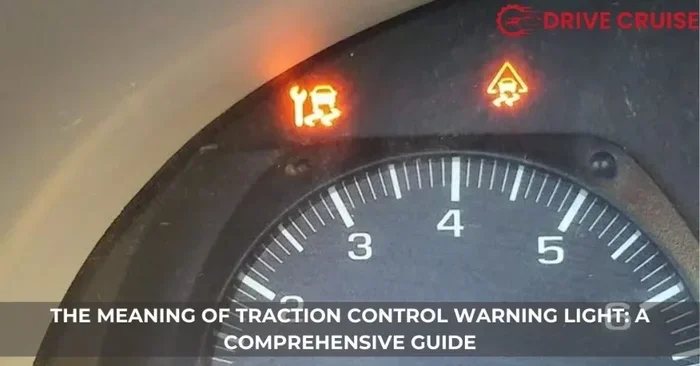
The warning can appear in different ways. Some cars show a text message on the dashboard display. Others use a symbol that looks like a car with squiggly lines behind it. Both mean the same thing: your traction control is not active.
Why Does It Matter?
Traction control is part of your car’s overall safety system. It works closely with the anti-lock braking system and electronic stability control. When one of these systems is off, the others may also be affected.
Driving without traction control on a rainy day or a snowy road can lead to wheel spin and loss of steering control. This is why it is important to address the warning as soon as you see it.
Here are some key points to remember about the traction control off warning:
- The message means your stability system is not currently working.
- It can appear for simple reasons or more serious mechanical issues.
- It often comes with other warning lights like the ABS light.
- Ignoring it can reduce your safety on slippery roads.
Common Reasons Why Your Car Says Traction Control Off
There are many reasons why a car might display the traction control off message. Some are very simple to fix. Others require a bit more effort or professional help. Let us look at the most common causes.
You Accidentally Pressed the Traction Control Button
This is the most common reason. Many cars have a traction control button on the steering column or center console. If you or a passenger accidentally presses it, the system turns off. A message then appears on the dashboard.
This happens more often than you might think. A passenger might lean on the center console and hit the button. Or you might brush it while reaching for something else. It is an easy mistake to make.
The fix is simple. Just press the same button again to turn the system back on. If the message goes away, you are all set. If it stays on, there may be another issue to investigate.
A Faulty Wheel Speed Sensor
Your car uses wheel speed sensors to monitor how fast each wheel is spinning. The traction control system relies on this data to detect slippage. If one sensor fails or gets dirty, the system may shut itself off as a safety measure.
Wheel speed sensors sit near the wheels and are exposed to road grime, mud, and debris. Over time, they can get clogged or damaged. When the sensors cannot send accurate data, your car may display the traction control off warning.
Common signs of a bad wheel speed sensor include:
- The traction control light stays on even after a reset.
- The ABS light also comes on.
- Your car feels less stable on wet roads.
- The dashboard shows an ABS or stability control error.
A Blown Traction Control Fuse
Every car has a fuse box that protects its electrical systems. The traction control system has its own fuse. If that fuse blows, the system loses power and shuts off. This is a simple electrical issue but can be easy to overlook.
Blown fuses usually happen because of an electrical surge or an aging fuse. They are inexpensive and quick to replace. You can find your car’s fuse box location in the owner’s manual. Look for the traction control fuse and check if it is blown.
If you replace the fuse and the warning comes back, there is likely a deeper electrical problem. In that case, it is best to see a mechanic.
The ABS Module Is Failing
The anti-lock braking system module controls both ABS and traction control. These two systems share components and software. When the ABS module starts to fail, it can trigger the traction control off message.
A failing ABS module may also cause other problems. You might notice your brakes feel different or your ABS warning light is on. This is a more serious issue that usually requires professional diagnosis and repair.
Low Battery Voltage or Electrical Issues
Your car’s electronic systems need a steady power supply. If your battery is weak or the alternator is not charging properly, the traction control system may shut off. Electrical issues can cause multiple warning lights to appear at once.
If you also notice dim headlights, slow power windows, or a battery warning light, low voltage could be the culprit. Getting your battery and charging system tested is a smart first step.
Road Conditions and Temporary System Off
Some cars automatically turn off traction control in certain situations. For example, if you are driving in deep snow or mud, the system might disable itself to allow the wheels to spin and help you get unstuck.
In these cases, the traction control off message is normal and expected. Once you return to normal driving conditions, the system should turn back on automatically. If it does not, there is likely a different cause.
How the Traction Control System Actually Works
Understanding how your traction control system works helps you appreciate why the warning matters. The system is designed to keep your car stable when road conditions are less than perfect.
When you accelerate on a slippery surface, your wheels can spin faster than the car is actually moving. The traction control system detects this through the wheel speed sensors. It then reduces engine power or applies the brakes to the spinning wheel. This helps the car regain grip.
The system works hand in hand with the anti-lock braking system and electronic stability control. Together, these systems form a network of safety features that keep you in control of your vehicle.
Key Components of the Traction Control System
Several parts work together to make traction control function properly:
- Wheel Speed Sensors: Monitor the rotation speed of each wheel.
- ABS Module: The computer that processes sensor data and controls braking.
- Engine Control Unit: Reduces engine power when wheel spin is detected.
- Traction Control Switch: Allows the driver to manually turn the system on or off.
- Fuses and Wiring: Provide power and connections to all the components.
When any one of these parts fails or malfunctions, the entire system can be affected. This is why the traction control off message can have so many possible causes.
Step-by-Step Fixes to Turn Traction Control Back On
Now that you know the common causes, let us look at how to fix the traction control off warning. Start with the simplest solutions and work your way up.
Step 1: Press the Traction Control Button
Before you do anything else, find the traction control button in your car. It is usually located on the steering column, dashboard, or center console. Press it once to turn the system back on.
After pressing the button, start the car and see if the warning message goes away. In many cases, this simple action solves the problem entirely. If the message returns, move on to the next step.
Step 2: Check the Traction Control Fuse
Open your car’s fuse box and locate the traction control fuse. Refer to your owner’s manual for the exact location and fuse number. Pull the fuse out and inspect it for a broken filament.
If the fuse is blown, replace it with a new one of the same amperage. These are very cheap and easy to find at any auto parts store. After replacing the fuse, start the car and check if the warning clears.
Quick tip: Always keep a few spare fuses in your glove box. It is a small habit that can save you a lot of hassle.
Step 3: Clean the Wheel Speed Sensors
Dirt and debris can block the wheel speed sensors and cause false readings. Locate the sensors near each wheel. Use a clean cloth and some brake cleaner to gently wipe them down.
Make sure you do not damage the sensor wiring while cleaning. After cleaning, take a short test drive to see if the traction control system turns back on. This simple step resolves the issue more often than people expect.
Step 4: Reset the System with an OBD2 Scanner
If the warning persists, you can try resetting the system with an onboard diagnostics scanner. Plug the OBD2 tool into the diagnostic port under your steering wheel. Turn the ignition on and follow the scanner’s instructions to clear any error codes.
An OBD2 scanner is a useful tool to have in your garage. It can read and clear codes for many different car systems. You can find affordable scanners at most auto parts stores or online.
After clearing the codes, start the car and see if the traction control off message disappears. If it comes back, the problem is likely hardware-related and needs further investigation.
Step 5: Check the Battery and Charging System
Weak battery voltage can cause all kinds of electrical issues in modern cars. Use a multimeter to check your battery voltage. A healthy battery should read around 12.6 volts when the engine is off and 13.7 to 14.7 volts when running.
If your battery voltage is low, try charging it fully. If the battery is old and cannot hold a charge, it may be time for a replacement. A new battery is one of the simplest and most affordable car repairs you can do.
Step 6: Inspect the ABS Module and Wiring
If none of the above steps work, the problem may be with the ABS module or its wiring. This requires more advanced diagnosis. A mechanic can use professional-grade tools to test the module and check for damaged wiring or corroded connectors.
Do not attempt this step unless you have experience with car electronics. The ABS module is a critical safety component, and improper handling can cause more problems.
When to Visit a Mechanic for Traction Control Problems
Some traction control issues are easy to fix at home. Others require professional tools and expertise. Knowing when to see a mechanic can save you time, money, and frustration.
Signs You Need Professional Help
You should visit a mechanic if you notice any of the following:
- The traction control off warning keeps coming back after you reset it.
- Multiple warning lights are on at the same time, such as ABS, check engine, and traction control.
- You hear unusual sounds from the wheels or brakes.
- Your car pulls to one side when braking.
- The steering feels unresponsive or unstable.
These symptoms often point to a deeper problem that cannot be fixed with simple DIY steps. A qualified mechanic can run a full diagnostic scan and pinpoint the exact cause.
What to Expect at the Mechanic
Most mechanics will start by connecting a diagnostic scanner to your car. This tool reads error codes stored in the car’s computer. The codes tell the mechanic which specific component is causing the problem.
From there, the mechanic will inspect the relevant parts, test the wiring, and recommend repairs. The cost can vary widely depending on the issue. A simple sensor replacement might cost under a hundred dollars, while an ABS module repair could be several hundred.
Preventive Tips to Keep Your Traction Control Working
Prevention is always better than repair. Here are some simple tips to keep your traction control system working reliably for years to come.
Keep Your Sensors Clean
Make it a habit to check your wheel speed sensors during routine car washes or oil changes. A quick wipe-down can prevent dirt buildup that leads to sensor failures. This is one of the easiest maintenance tasks you can do.
Replace Old Fuses Promptly
If you find a blown fuse, replace it right away. Do not ignore it or put off the repair. A blown fuse can cascade into bigger electrical problems if left unaddressed.
Keep Your Battery Healthy
Test your battery at least once a year, especially before winter. A weak battery can cause all kinds of electrical gremlins in your car. Replace it before it fails completely.
Address Warning Lights Immediately
Do not ignore warning lights on your dashboard. Even if the car seems to drive fine, a warning light is your car telling you something needs attention. The sooner you address it, the less likely it is to turn into a bigger problem.
Follow Your Car’s Maintenance Schedule
Every car has a recommended maintenance schedule in the owner’s manual. Following it keeps all systems, including traction control, in good working order. Regular oil changes, brake inspections, and tire rotations all contribute to your car’s overall safety and performance.
Key Takeaways
- Dashboard Warning: The “traction control off” message means your car’s stability system is not currently active.
- Common Causes: A disabled switch, faulty wheel speed sensor, bad ABS module, or blown fuse often triggers this warning.
- Easy Fixes: Many issues can be resolved by resetting the system, checking the fuse, or cleaning the sensors.
- Safety First: Driving with traction control off reduces your grip on wet or icy roads, so address the issue promptly.
- Professional Help: Persistent warnings or flashing lights may need a mechanic’s diagnostic tools to properly resolve.
- Prevention: Regular maintenance, clean sensors, and timely repairs keep your traction control system working reliably.
Conclusion
Seeing the traction control off message on your dashboard can be unsettling, but it is usually not a reason to panic. In most cases, the cause is something simple like a disabled switch, a blown fuse, or dirty sensors. With a little patience and the right steps, you can often fix the problem yourself.
Understanding your car’s traction control system gives you the confidence to handle this warning calmly. You now know what the system does, why it matters, and how to address common issues. Remember that traction control works alongside your anti-lock braking system and electronic stability control to keep you safe on the road.
If the warning keeps coming back or you notice other symptoms, do not hesitate to visit a professional mechanic. Some problems need specialized tools and expertise. Addressing them early can prevent costly repairs down the road.
Take care of your car, and it will take care of you. Keep your sensors clean, your battery healthy, and your fuses in good shape. These small habits go a long way in keeping your traction control system working properly. Stay safe, stay informed, and never ignore a warning on your dashboard.
Frequently Asked Questions
Is it safe to drive with traction control off?
It is generally safe on dry, clear roads. However, driving with traction control off on wet, icy, or gravel roads can be risky because your car will not automatically correct wheel spin. Always turn the system back on when road conditions are less than ideal.
How much does it cost to fix a traction control issue?
The cost depends on the cause. A simple fuse replacement might cost under twenty dollars. Cleaning a wheel speed sensor is usually free if you do it yourself. More complex repairs like an ABS module replacement can cost several hundred dollars. Always get a quote from your mechanic before proceeding.
Can a low battery cause the traction control off warning?
Yes, a weak or failing battery can cause electrical issues that trigger the traction control off message. Low voltage can affect the sensors, the ABS module, and other electronic components. Testing your battery is a good first step when troubleshooting this warning.
How do I know if my wheel speed sensor is bad?
Common signs include the traction control light staying on, the ABS light illuminating, and your car feeling less stable on slippery surfaces. A mechanic can use a diagnostic scanner to confirm a faulty sensor by reading the specific error codes stored in your car’s computer.
What should I do if the traction control off light keeps coming back?
If the warning returns after you fix it, there is likely an underlying issue that has not been fully resolved. Check the fuses, clean the sensors, and reset the system. If the problem persists, visit a mechanic for a thorough diagnostic scan to identify the root cause.
Can weather conditions trigger the traction control off message?
Yes, some vehicles automatically disable traction control in deep snow or mud to allow the wheels to spin and help you get unstuck. This is normal behavior. The system should turn back on once you return to normal driving conditions. If it does not, check the other potential causes mentioned in this guide.