Tinting Your Cars Tail Lights: Pros and Why You Should
Want to give your car a sleek, aggressive look? Tinting your car’s tail lights is a popular upgrade that boosts both style and safety. This guide covers the top benefits of tail light tinting, from improved visibility to a custom appearance, so you can decide if it’s right for your ride.
Tinting your car’s tail lights involves applying a thin, tinted film over the rear lights. This simple upgrade has become a favorite among car enthusiasts who want a personalized look. The process uses a special automotive tint film that adheres directly to the light lens. Over the years, this modification has evolved from a niche custom tweak to a mainstream upgrade that many drivers now consider a must-have.
If you have ever admired a car with smoked tail lights and thought, “I want that,” you are not alone. The deep, dark finish gives vehicles a aggressive stance without spending a fortune. Beyond the looks, tinted tail lights offer real benefits that go beyond aesthetics. Let us dive into why so many car owners are choosing this modification.
Key Takeaways
- Enhanced Style: Tinted tail lights give your car a sleek, custom look that turns heads on the road.
- Improved Safety: A quality tint reduces glare and helps your brake lights and turn signals stand out in bright conditions.
- UV Protection: The film shields your tail light lenses from sun damage, preventing fading and cracking over time.
- Privacy and Security: Darker rear lights make it harder for others to see inside your vehicle, adding a layer of privacy.
- Easy Installation: Most tint kits are affordable and the process is straightforward for DIYers with a little patience.
- Legal Awareness: Always check your local laws before tinting, as regulations vary by state and country.
📑 Table of Contents
What Is Tail Light Tinting and Why Do People Do It?
The Appeal of Smoked Tail Lights
The look of smoked tail lights is unmistakable. When you apply a tail light tint, the clear or lightly shaded lens gets a dark, uniform finish. This instantly modernizes the rear end of any car, truck, or SUV. Many owners say it makes their vehicle look like a higher-end trim level. The effect is subtle yet powerful.
Think about how often you see cars with stock, clear tail lights. They blend in. A custom tail light tint sets your car apart. It is one of the easiest and most affordable ways to give your ride a personal touch. Whether you drive a sporty coupe or a rugged pickup, tinted rear lights can complement the factory design.
More Than Just a Pretty Face
People often choose rear light tinting for the visual impact alone. But the reasons go deeper. A quality tint film does more than change the color of your lights. It adds a layer of protection and can even improve how well other drivers see you. This is why tail light tinting has earned a strong reputation among both casual drivers and gearheads.
Top Pros of Tinting Your Car’s Tail Lights
A Style Upgrade That Turns Heads
The number one reason people tint their tail lights is the style boost. Tinted tail lights create a cohesive, finished look that clear lenses simply cannot match. They hide dirt, minor scratches, and wear, keeping the rear end looking clean longer. When you combine a tail light tint with other modifications like a body kit or new wheels, the result is a truly customized vehicle.
Many car shows feature vehicles with perfectly executed smoked tail lights. The deep shade draws the eye to the back of the car and highlights the design lines. If you take pride in how your car looks, a tail light shade is a quick win. It is a small change that makes a big difference.
Safety Benefits You Might Not Expect
Safety is a major advantage of tinting your car’s tail lights. In bright sunlight, the intense glare from the sun can wash out your brake lights and turn signals. A tint film for tail lights cuts through that glare, making your lights easier to see. Other drivers can spot your stops and turns faster, which reduces the chance of a rear-end collision.
Another safety benefit is glare reduction for drivers behind you. At night, bright brake lights can cause temporary blindness for the car following yours. A properly applied automotive tint film softens that glare without dimming the light output. Your signals remain bright and clear, but the harshness is reduced. This is especially helpful for drivers who frequently tow trailers or carry heavy loads that create extra brake light intensity.
UV Protection That Preserves Your Lights
Your car’s tail light lenses are exposed to the sun every single day. Over time, ultraviolet rays cause plastic to yellow, crack, and become brittle. A UV protection film for tail lights blocks these harmful rays. It acts like sunscreen for your lenses, keeping them clear and strong for years.
This is a huge money-saver. Replacing a cracked tail light lens can cost hundreds of dollars. By applying a tail light tint with UV inhibitors, you protect your investment. The film takes the brunt of the sun, so your original lenses stay in great condition. Many owners report that their tinted tail lights look years newer than the un-tinted ones on their neighbor’s car.
Privacy and Added Security
Tinted rear lights make it harder for people to see inside your vehicle from behind. This simple privacy tint adds a layer of security, especially when you park in busy areas. Thieves cannot easily see what valuables are in your back seat or trunk. It is a small deterrent that can make a big difference.
For families, this benefit is especially appealing. You can keep car seats, strollers, or personal bags out of sight. The tinted tail lights give you peace of mind without sacrificing any driving function. It is a win-win situation that most people overlook until they experience it.
How Tail Light Tinting Works: Films and Application
Types of Tint Film Available
Not all tint films are the same. When you shop for a tail light tint kit, you will find several options. Each type has its own strengths, and choosing the right one depends on your goals and budget.
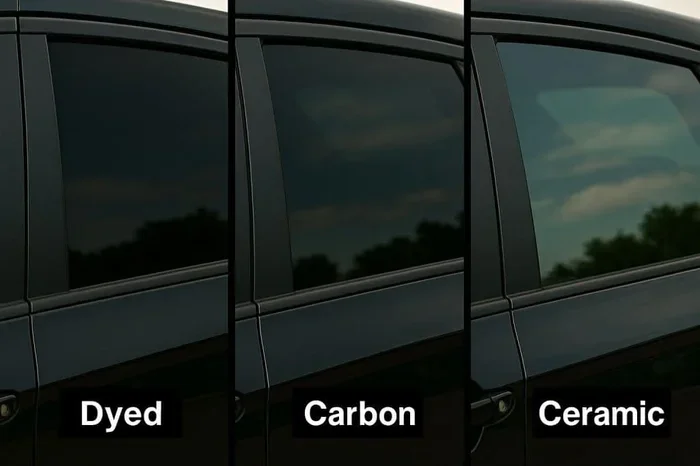
Here is a quick comparison of the most common films used for rear light tinting:
| Film Type | Durability | Clarity | Best For |
|---|---|---|---|
| Dyed Film | Moderate | Good, may fade over time | Budget-friendly style upgrades |
| Carbon Film | High | Excellent, no fade | Long-lasting, matte finish |
| Ceramic Film | Very High | Premium, no distortion | Maximum UV protection and heat rejection |
Dyed film is the most affordable option. It comes in various shades and is easy to apply. However, it can fade after a few years of sun exposure. Carbon film does not fade and gives a rich, matte black look. It is the go-to choice for many DIY tail light tint projects. Ceramic film is the top-tier option. It offers the best heat rejection and clarity, but it comes at a higher price point. For most car owners, a quality carbon tint film strikes the perfect balance between cost and performance.
DIY vs Professional Installation
You have two main paths: do it yourself or hire a professional. A DIY tail light tint kit costs between $20 and $60 and includes everything you need. You get the film, a squeegee, a heat gun or hairdryer, and application solution. If you are patient and have some experience with car detailing, you can achieve great results at home.
Professional installation typically runs $100 to $300 per vehicle. The advantage is a flawless, bubble-free finish with a warranty. A professional also knows the exact tail light tint laws in your area and can recommend the right shade to stay compliant. If you have never applied tint before, starting with a small practice piece is a smart move. Many kits come with extra film for test runs.
Quick Tips for a Flawless Tint Job
- Clean the lights thoroughly: Use a glass cleaner and a lint-free cloth. Any dust or grease will cause bubbles.
- Use a heat gun on low: Too much heat can warp the lens or burn the film. Keep it moving.
- Cut the film slightly oversized: You can trim it down after application for a perfect edge seal.
- Work in a dust-free room: Close windows and turn off any fans that blow dust around.
- Take your time: Rushing leads to wrinkles and misalignment. Plan for at least one hour per light.
Addressing Common Myths and Concerns
Will Tinting Make Your Tail Lights Illegal?
This is the most common question about tinting your car’s tail lights. The short answer is: it depends on where you live. Every state and country has its own rules about how dark tinted tail lights can be. Some regions allow any shade as long as the lights are clearly visible from a certain distance. Others ban any tint that reduces light output below a specific percentage.
The key is to understand Visible Light Transmission (VLT) ratings. VLT measures how much light passes through the film. A 70% VLT film is very light and usually legal everywhere. A 5% VLT film is nearly opaque and likely illegal for tail lights in many places. Before you buy any film, check your local tail light tint laws. A quick search for your state’s DMV regulations will give you the exact limits. When in doubt, choose a lighter shade or a tint specifically designed to meet legal requirements.
Does Tinting Reduce Light Output?
A common fear is that a tail light tint will make your lights dimmer. In reality, a properly applied film does not change the brightness of the bulbs. The tint only affects the lens, not the light source. The red or amber color shines through the film just as it does through the clear lens. What changes is the appearance of the lens, not the light itself.
Some low-quality films can slightly reduce visibility, especially in heavy rain or fog. This is why choosing a high-quality automotive tint film with good optical clarity is so important. Premium films are engineered to maintain 100% light output while still giving you that sleek, dark look. If you ever notice a dip in brightness, it is usually a sign of bubbles or debris under the film, not the tint itself.
Common Mistakes to Avoid
- Skipping the cleaning step: Even tiny specks of dust will show under the film and ruin the look.
- Applying in direct sunlight: The heat causes the film to stick too fast, leaving no time to adjust.
- Using the wrong shade: A very dark tint on a small car can look bulky and unbalanced.
- Ignoring local laws: Getting a ticket for illegal tinting costs more than the tint itself.
- Peeling the film too soon: Let the film cure for at least a week before washing your car or rolling down the windows.
Choosing the Right Tint for Your Vehicle
Matching Your Car’s Style
The shade you choose should complement your car’s overall look. A deep blacked-out tail lights finish works beautifully on dark-colored sedans and sports cars. It adds a mysterious, aggressive edge. For lighter-colored vehicles, a smoked grey tint often looks more balanced and refined. You can even find tinted films with a slight blue or purple tint for a unique custom effect, though these are less common and may draw more attention from law enforcement.
Think about your car’s personality. A custom tail lights tint should enhance what is already there, not fight against it. If your car has sharp, angular lines, a crisp black tint echoes that design. If your car has soft, flowing curves, a subtle smoked tint keeps the elegance intact. The goal is a harmonious look that feels intentional and polished.
Legal Limits You Must Know
Laws around tail light tinting vary widely. In some U.S. states, any tint on rear lights is strictly prohibited. In others, you can apply a tint as long as it allows at least 70% of light to pass through. European countries often have their own E-mark certification requirements for any modification to lighting components.
Before you start, do your homework. Visit your state’s DMV website or contact a local automotive tint shop. Ask specifically about rear light tint regulations. Some shops will not install tints that violate the law, and for good reason. Staying compliant protects you from fines and keeps your insurance valid. It is a simple step that saves you from a lot of headaches down the road.
Final Thoughts: Is Tinting Your Tail Lights Worth It?
The answer for most car owners is a clear yes. Tinting your car’s tail lights offers a rare combination of style, safety, and protection. It is a relatively low-cost modification that delivers high visual impact and real-world benefits. Whether you want a sleek, smoked look or simply better UV protection for your lenses, a quality tail light tint fits the bill.
Remember to choose a reputable film, follow the application instructions carefully, and always check your local laws. With the right approach, you can enjoy tinted tail lights that look amazing and last for years. The road ahead is brighter when your car stands out the right way. Give your ride the upgrade it deserves and see the difference for yourself.
Frequently Asked Questions
Is tinting your car’s tail lights legal?
Legality depends entirely on your local regulations. Some states and countries allow any tint shade, while others require a minimum light transmission percentage. Always check your specific tail light tint laws before applying any film to avoid fines or failed inspections.
Will a tail light tint make my brake lights dimmer?
No, a quality automotive tint film does not reduce light output. The tint only changes the appearance of the lens. The bulbs shine through the film with the same brightness, though a very dark or low-quality film might slightly soften the light in poor weather conditions.
Can I apply tail light tint myself?
Yes, many DIY tail light tint kits are available and come with everything you need. If you have patience and a steady hand, you can achieve a professional-looking result at home. Working in a dust-free room and using plenty of application solution are the keys to success.
How long does tail light tint last?
A well-applied carbon or ceramic tint film can last 5 to 10 years or more. Dyed films may fade after 3 to 5 years of direct sun exposure. Proper curing and avoiding harsh car washes in the first week will significantly extend the life of your tinted tail lights.
Does tinting tail lights protect the lenses from damage?
Absolutely. The film acts as a shield against UV rays, road debris, and minor scratches. This UV protection prevents the plastic from yellowing and cracking, keeping your custom tail lights looking new for a fraction of the cost of replacement.
What is the best tint shade for a first-time project?
A medium smoked shade (around 20-30% VLT) is the most popular choice for beginners. It offers a bold look while staying within the legal limits of most regions. It is forgiving during installation and gives a clean, even finish that is hard to mess up.