At What Speed Can Cruise Control Be Activated Safely
Cruise control activation speed typically starts at 25 to 30 mph, depending on your vehicle model and system type. Most modern cars require a minimum speed before the cruise control button will engage, while adaptive systems may have different thresholds. Understanding your cruise control activation speed helps you drive safer, save fuel, and avoid common mistakes on the road.
Have you ever been cruising down a long highway stretch and thought, “I wish my car could just do the work for a while”? That is exactly what cruise control is designed to do. But here is the thing most drivers overlook: you cannot just flip the switch at any speed. There is a specific cruise control activation speed that varies by vehicle, system type, and road conditions.
Knowing when and how to activate cruise control is not just a nice-to-know fact. It is a safety essential. Whether you are a new driver or someone who has been on the road for decades, understanding your cruise control activation speed can make every trip smoother, safer, and more fuel-efficient. Let us break it all down for you.
Key Takeaways
- Minimum activation speed matters: Most vehicles require at least 25-30 mph before cruise control can be turned on.
- System type changes everything: Traditional cruise control and adaptive cruise control have different speed requirements and behaviors.
- Safety first: Always deactivate cruise control in heavy traffic, wet roads, or winding conditions.
- Know your car: Check your owner manual for exact activation speed limits and procedures.
- Resume and cancel buttons work differently: Understanding these controls prevents unexpected speed changes.
- Fuel savings are real: Using cruise control at the right speed can improve your gas mileage on highways.
📑 Table of Contents
- What Is Cruise Control and How Does It Work?
- At What Speed Can Cruise Control Be Activated?
- How to Activate Cruise Control Safely
- Adaptive Cruise Control: A Different Beast
- Speed Limits and Cruise Control: What You Need to Know
- When NOT to Use Cruise Control
- Tips for Maximizing Cruise Control Benefits
- Expert Insights on Cruise Control Activation
- Conclusion
What Is Cruise Control and How Does It Work?
Before we dive into speed limits, let us talk about what cruise control actually does. At its core, cruise control is a system that maintains your vehicle’s speed without you needing to keep your foot on the gas pedal. You set a desired speed, and the system manages the throttle for you.
Modern vehicles have evolved far beyond this basic concept. Today, you will find several types of cruise control systems on the market:
- Traditional cruise control – maintains a fixed speed you set manually
- Adaptive cruise control (ACC) – adjusts speed based on traffic ahead of you
- Radar-based cruise control – uses sensors to detect vehicles in your lane
- Laser-based cruise control – uses laser sensors to measure distance from the car ahead
- Full-speed-range ACC – works from a complete stop up to highway speeds
Each of these systems has its own rules for activation. The cruise control activation speed depends largely on which type of system your vehicle has. Traditional systems usually need you to be moving before they will engage. Adaptive systems, especially newer ones, may allow activation from a standstill in some models.
At What Speed Can Cruise Control Be Activated?
This is the big question, and the answer is not one-size-fits-all. The cruise control activation speed depends on several factors, including your vehicle make and model, the type of cruise control system installed, and even the year your car was manufactured.
Minimum Speed Requirements by Vehicle Type
Most traditional cruise control systems require you to reach a certain speed before the system will engage. Here is a general breakdown:
- Compact cars and sedans: typically require 25 to 30 mph
- SUVs and trucks: usually need 25 to 35 mph
- Luxury vehicles with advanced ACC: some allow activation at 0 mph (from a complete stop)
- Older vehicles: may require slightly higher speeds, around 30 to 40 mph
The reason for this minimum speed is simple. Cruise control systems rely on the vehicle being in steady motion to function properly. At very low speeds, the system cannot maintain a consistent pace, and it would not make sense to engage it anyway. If you are stuck in stop-and-go traffic, cruise control is not going to help you.
Why Does the Activation Speed Vary?
Several factors influence the cruise control activation speed for a specific vehicle:
- Sensor calibration: Different sensors need a minimum wheel rotation speed to work accurately
- Throttle response mapping: Each manufacturer tunes their system differently
- Software programming: newer software updates can change activation thresholds
- Safety protocols: engineers set minimum speeds to prevent accidental engagement
Understanding these factors helps explain why your friend’s car might engage cruise control at 25 mph while yours needs 30 mph. It is not about who has the better car. It is about how each system is engineered.
How to Activate Cruise Control Safely
Activating cruise control is straightforward once you know the steps. But doing it safely requires a bit more awareness. Here is the standard process for most vehicles on the road today.
Step-by-Step Activation Process
- Check your speed: Make sure you are above the minimum activation speed for your vehicle (usually 25 to 30 mph)
- Find the cruise control stalk or buttons: These are typically located on the steering wheel or behind the steering column
- Press the “On” or “Set” button: This tells the system you are ready to engage
- Accelerate to your desired speed: Once the system is on, set the speed using the “Set” or “Resume” function
- Confirm activation: Most dashboards will show a cruise control indicator light when the system is active
It is that simple. But here is where many drivers make mistakes. They try to activate cruise control too early, before they have reached a steady speed. The system will either not engage or will behave erratically. Always wait until you are at a consistent, safe speed before pressing that button.
Common Activation Mistakes to Avoid
- Trying to set cruise control in heavy traffic: This is dangerous and most systems will not allow it anyway
- Engaging on wet or icy roads: Cruise control can reduce your reaction time when you need to brake quickly
- Setting the speed too high for conditions: Just because the system allows a certain speed does not mean it is safe
- Forgetting the system is active: This leads to unexpected speed increases when roads downhill
The golden rule is this: if conditions are not ideal for maintaining a steady speed, do not activate cruise control. Your right foot is always your best safety tool.
Adaptive Cruise Control: A Different Beast
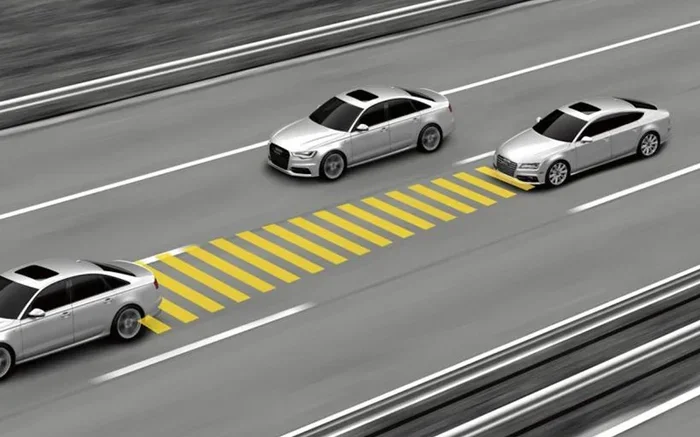
Adaptive cruise control, often called ACC, has changed the game for long-distance driving. Unlike traditional cruise control that locks you into one speed, ACC uses sensors and radar to adjust your vehicle’s speed based on the traffic ahead.
How ACC Activation Speed Differs
Many modern adaptive cruise control systems can activate from a complete stop. This means the cruise control activation speed for ACC can be as low as 0 mph in some vehicles. When the car ahead of you slows down, your ACC system slows down too. When they speed up or move out of the way, your car resumes the set speed.
This is incredibly useful in highway traffic where speeds vary constantly. However, there are still limits. Most ACC systems have a maximum operating speed, often around 90 to 110 mph, depending on the manufacturer. Always check your vehicle’s manual to understand the full range of your ACC system.
Benefits of Adaptive Cruise Control
- Reduced driver fatigue: especially on long road trips
- Safer following distances: the system maintains a set gap from the car ahead
- Smoother speed adjustments: no more manual braking and accelerating in traffic
- Better fuel economy: smoother speed changes mean less wasted energy
Even with all these benefits, you should never treat ACC as a replacement for attentive driving. The system is a helper, not a driver replacement. Keep your hands on the wheel and your eyes on the road at all times.
Speed Limits and Cruise Control: What You Need to Know
Using cruise control does not mean you can ignore speed limits. In fact, cruise control and speed limits work hand in hand to keep you safe and legal on the road.
Setting Cruise Control Within Legal Limits
Always set your cruise control at or below the posted speed limit. It is tempting to set it a few miles per hour over, especially on long highway drives. But doing so increases your risk of a ticket and, more importantly, a crash.
Here are some practical tips for setting your cruise control speed wisely:
- Match the speed limit exactly: this keeps you legal and safe
- Adjust for weather conditions: reduce your set speed by 5 to 10 mph in rain or fog
- Consider road geometry: curves and hills may require you to deactivate cruise control
- Watch for speed zone changes: be ready to adjust or deactivate when limits change
Remember, the cruise control activation speed is not the same as the speed you should set. Activation speed is the minimum needed to turn the system on. Your set speed is the speed you choose to travel at, and that should always be safe and legal.
Maximum Speed Considerations
Most cruise control systems will not allow you to set a speed above a certain threshold, usually around 100 to 120 mph. This is a built-in safety feature. If you have ever tried to set cruise control at an extremely high speed, you may have noticed the system simply will not go there. This is by design.
When NOT to Use Cruise Control
Knowing when to activate cruise control is just as important as knowing how. There are clear situations where you should keep your foot on the pedal and leave the system off.
Conditions That Require Manual Control
- Heavy rain or snow: slippery roads demand constant speed adjustments
- Fog or low visibility: you need full control of your speed at all times
- Winding mountain roads: curves require braking and acceleration that cruise control cannot handle
- Heavy city traffic: stop-and-go driving is not what cruise control is for
- Construction zones: speed limits change frequently and lane closures require extra attention
- Fatigue or drowsiness: if you are too tired to drive actively, pull over and rest
In all of these situations, keeping cruise control deactivated gives you the maximum control and reaction time you need. Your vehicle’s systems are designed to assist you, not replace your judgment.
How to Deactivate Cruise Control
Deactivating cruise control is easy and should be second nature. Here are the standard methods:
- Press the brake pedal: this is the most common and universal method
- Press the cancel button: found on the cruise control stalk or steering wheel buttons
- Turn off the system: most vehicles have an on/off switch for cruise control
When you brake, the system instantly disengages. This is a safety feature designed to give you full control whenever you need it. Always make sure you know where your cancel button is before you hit the road.
Tips for Maximizing Cruise Control Benefits
Now that you understand activation speeds and safety protocols, here are some practical tips to get the most out of your cruise control system.
Fuel Efficiency Tips
One of the biggest perks of cruise control is improved fuel economy. Maintaining a steady speed prevents unnecessary acceleration and deceleration, which wastes gas. To maximize this benefit:
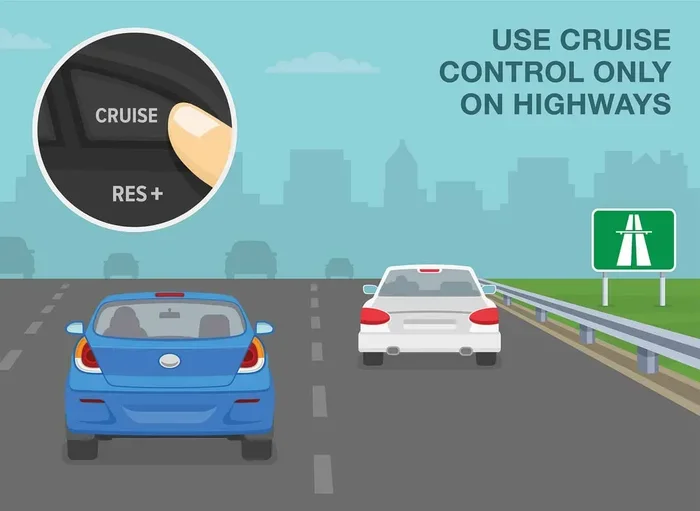
- Use cruise control on flat, open highways: this is where the system works best
- Avoid hilly terrain when possible: climbing hills causes the system to work harder and use more fuel
- Set your speed at the most efficient range: most vehicles achieve peak fuel economy between 45 and 65 mph
- Combine cruise control with gentle driving habits: smooth inputs always beat aggressive ones
Comfort and Long-Drive Tips
For long road trips, cruise control can significantly reduce driver fatigue. Here is how to use it effectively on extended drives:
- Take breaks every two hours: even with cruise control, you need to stay alert
- Adjust your seat position: proper posture reduces strain during long stretches
- Use cruise control on familiar highways: avoid using it on roads you do not know well
- Stay hydrated and alert: cruise control is a tool, not a substitute for an awake, focused driver
The key is to use cruise control as a supplement to your driving, not a replacement for your attention. When used correctly, it makes every drive better. When used incorrectly, it can create dangerous situations.
Expert Insights on Cruise Control Activation
Driving instructors and automotive engineers agree on several key points about cruise control activation speed and safe usage:
Always read your vehicle’s manual. Every car is different, and the manual contains specific information about your cruise control system’s activation speed, maximum speed, and limitations. This is the single best resource for understanding your vehicle.
Practice in safe conditions first. If you are new to cruise control or driving a new vehicle, try it out on a quiet highway during good weather. Get comfortable with how the system feels before relying on it in challenging situations.
Stay engaged even when the system is on. Cruise control does not mean autopilot. You still need to monitor traffic, watch for road signs, and be ready to take control at any moment. The system handles the throttle, but you handle the big decisions.
Keep your system updated. Many modern vehicles receive software updates that can improve cruise control performance, adjust activation thresholds, and add new features. Check with your dealer about available updates for your vehicle.
Conclusion
The cruise control activation speed is a fundamental piece of knowledge every driver should have. Most vehicles require you to reach at least 25 to 30 mph before the system will engage, though this varies by make, model, and system type. Understanding these limits keeps you safe and helps you use the technology to its full potential.
Remember that cruise control is a helpful tool, not a replacement for attentive driving. Use it on long, straight highway stretches, deactivate it in poor weather or heavy traffic, and always keep your hands on the wheel and your eyes on the road. When you respect the system’s limits and use it wisely, cruise control can make your drives more comfortable, more fuel-efficient, and safer overall.
Take a moment to review your vehicle’s manual and practice activating cruise control in safe conditions. The more you understand your car’s systems, the more confident and prepared you will be behind the wheel. Safe travels, and happy cruising.
Frequently Asked Questions
Can you activate cruise control below 25 mph?
In most traditional cruise control systems, no. You typically need to reach at least 25 to 30 mph before the system will engage. However, some modern adaptive cruise control systems can activate from a complete stop, especially in stop-and-go traffic situations.
What happens if you try to activate cruise control too early?
The system simply will not engage. Most vehicles require a minimum speed threshold before cruise control can activate. If you press the button below that speed, nothing will happen, and you will need to accelerate to the required speed first.
Does adaptive cruise control work at low speeds?
Many modern adaptive cruise control systems work at very low speeds, including from a standstill. This makes them useful in highway traffic where speeds vary frequently. However, the specific low-speed capabilities depend on your vehicle’s make and model.
Is cruise control safe to use in the rain?
Generally, no. Using cruise control on wet roads can be dangerous because it reduces your ability to make quick speed adjustments. If you hydroplane or encounter slick patches, the system may not react as fast as you would with manual control. Always deactivate cruise control in rainy or icy conditions.
How do you know if cruise control is activated?
Most vehicles display a cruise control indicator light on the dashboard when the system is active. The light is usually green or white when the system is set and may turn orange or flash if there is an issue. Check your dashboard for the specific indicator in your vehicle.
Can cruise control damage your vehicle?
No, cruise control does not damage your vehicle when used properly. It is designed to work within your car’s mechanical limits. However, using it inappropriately, such as on steep downhill slopes where you need constant braking, can put unnecessary strain on your brakes over long distances.