Why Does My Car Say Check Charging System Warning Light
The Check Charging System Warning Light is your car’s way of telling you something is wrong with its electrical system. This light usually points to problems with the alternator, car battery, or serpentine belt. Ignoring it can leave you stranded with a dead engine. In this guide, we explain what the light means, what causes it, and how to fix it yourself or with a mechanic’s help. Understanding this warning can save you time, money, and a lot of stress on the road.
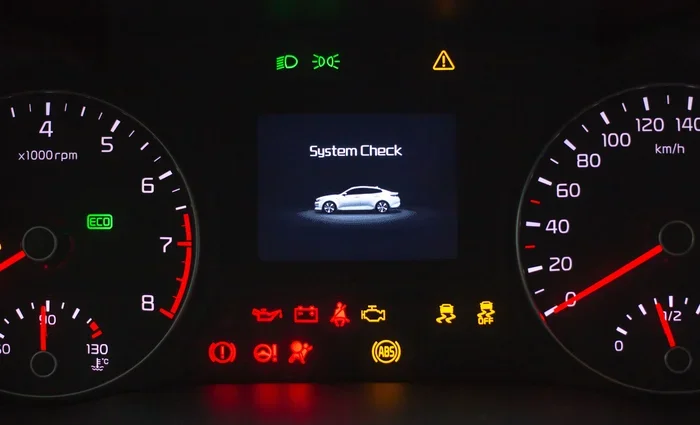
You are driving down the road. Everything seems fine. Then, out of the corner of your eye, you see a strange light glow on your dashboard. It might look like a battery icon or say something about a charging system. Your heart sinks a little. What does it mean? Is it serious? Should you pull over right now?
Here is the good news. In most cases, the Check Charging System Warning Light does not mean your car is about to explode. It does mean something in your car’s electrical system needs attention. And the sooner you figure out what it is, the better. This guide walks you through everything you need to know. We cover what the light means, what causes it, how to fix it, and how to stop it from coming back.
Key Takeaways
- Warning Light Meaning: The Check Charging System Warning Light signals a problem with your car’s electrical charging system.
- Common Culprits: A failing alternator, weak battery, or damaged serpentine belt are the top causes.
- Diagnosis is Easy: A simple voltage test or OBD scanner can pinpoint the issue quickly.
- DIY Fixes Exist: Some causes like loose cable connections or a worn belt can be fixed at home.
- Don’t Ignore It: Driving with this light on risks a complete electrical failure and a stalled engine.
- Prevention Works: Regular maintenance keeps your charging system healthy and reliable.
📑 Table of Contents
- What the Check Charging System Warning Light Means
- Common Causes of the Check Charging System Warning
- How to Diagnose the Charging System Problem
- Step-by-Step Fixes for the Check Charging System Warning
- Comparison Table: Common Charging System Repairs
- Preventing Future Charging System Issues
- Expert Insights on Charging System Warning Lights
- When to See a Professional
- Final Thoughts on the Check Charging System Warning Light
What the Check Charging System Warning Light Means
Your car has many sensors and systems watching over it. The charging system is one of the most important. It keeps your battery charged and powers all the electrical parts in your vehicle. When the car detects a problem in this system, it turns on the warning light to alert you.
The light often looks like a battery shape. Sometimes it says “ALT” or “GEN.” These are short for alternator and generator. No matter what it looks like, the message is the same. Your car’s charging system is not working the way it should.
How the Charging System Works
To understand the warning light, it helps to know how the system works. Your car has a few key parts:
- Battery: Stores electrical energy. It powers the engine when you start the car.
- Alternator: Generates electricity while the engine runs. It recharges the battery.
- Voltage Regulator: Controls the electrical output. It keeps everything at the right level.
- Serpentine Belt: Connects the alternator to the engine. It makes the alternator spin.
- Wiring and Cables: Carry electricity to all the parts that need it.
When all these parts work together, your car runs smoothly. The moment one part fails, the system breaks down. That is when the warning light comes on.
Is It Safe to Keep Driving?
This is the first question most people ask. The short answer is: it depends. If the light is on but your car feels normal, you might have a few miles to get to a safe spot. But do not drive far. Without a working charging system, your battery will drain. Once the battery dies, your engine will stall. You could end up stuck on the side of the road.
Here is a quick way to think about it. The light is like a check engine pain signal. It tells you something hurts. You would not ignore a pain in your body for too long. Do not ignore this light either.
Common Causes of the Check Charging System Warning
Several things can trigger the Check Charging System Warning Light. Some are simple fixes. Others need a mechanic. Let us look at the most common causes.
1. A Failing Alternator
The alternator is the workhorse of your charging system. It turns mechanical energy into electrical energy. When it starts to fail, it cannot charge the battery properly. This is one of the top reasons the warning light appears.
Signs of a bad alternator include:
- Dim headlights, especially at night.
- Electrical accessories slowing down, like power windows.
- A grinding or whining noise from the engine bay.
- The battery light flickering on and off.
If you notice these signs, get the alternator checked soon. A fully failed alternator means a dead battery and a stalled car.
2. A Weak or Old Battery
Your car battery has a lifespan. Most last three to five years. Over time, the battery loses its ability to hold a charge. Even a healthy alternator cannot fix a battery that is past its prime.
Cold weather makes battery problems worse. If you live in a place with harsh winters, your battery works harder. This can cause the warning light to show up more often.
3. A Loose or Broken Serpentine Belt
The serpentine belt connects the engine to the alternator and other parts. If this belt is loose, cracked, or broken, the alternator stops spinning. No spinning means no electricity. And no electricity means the warning light turns on.
Check your belt regularly. A visual inspection can catch wear and tear early. Most serpentine belts last between 50,000 and 100,000 miles. But they can fail sooner if there is a lot of strain.
4. Corroded or Loose Battery Terminals
This is one of the simplest causes. Battery terminals can build up a white or greenish crust over time. This is called corrosion. It blocks the flow of electricity between the battery and the rest of the car.
Sometimes the problem is even simpler. A cable that is not clipped in tightly can cause the same issue. A loose connection interrupts the circuit. The car thinks the charging system has failed.
5. A Bad Voltage Regulator
The voltage regulator controls how much power the alternator sends out. If it fails, the electrical system gets too much or too little power. Both situations cause problems. Too much voltage can fry sensitive electronics. Too little means the battery never gets fully charged.
6. Parasitic Draw
A parasitic draw happens when something in your car uses power even when the engine is off. Maybe you left a dome light on. Or maybe a faulty module is draining the battery overnight. Over time, this drains the battery enough to trigger the warning light the next time you start the car.
How to Diagnose the Charging System Problem
Once the light comes on, you want to know what is wrong. The good news is that diagnosing a charging system issue is not as hard as you might think. You do not need to be a mechanic. A few basic tools and some patience go a long way.
Step 1: Check the Battery Voltage
Get a simple multimeter from any auto parts store. Set it to measure DC voltage. Then follow these steps:
- Turn off the car and all accessories.
- Touch the red probe to the positive battery terminal.
- Touch the black probe to the negative terminal.
- Read the voltage on the screen.
A healthy battery should read around 12.6 volts. If it reads below 12.0, the battery is weak or dead. This alone could explain the warning light.
Step 2: Test the Alternator Output
Now start the engine. Keep the multimeter connected to the battery terminals. The voltage should rise to between 13.8 and 14.2 volts. This means the alternator is working and charging the battery.
If the voltage stays below 13.0 with the engine running, the alternator is likely the problem. If the voltage goes above 15.0, the voltage regulator may be failing.
Step 3: Use an OBD Scanner
An OBD scanner is a handy tool. You plug it into the diagnostic port under your dashboard. It reads error codes stored in your car’s computer. Many of these codes point directly to charging system faults.
Common codes include:
- P0562: System voltage low.
- P0563: System voltage high.
- P0620: Generator control circuit issue.
These codes help you narrow down the exact cause. You can buy an OBD scanner for under $30. It is one of the best investments any car owner can make.
Quick Tip: Visual Inspection First
Before you grab any tools, pop the hood and look around. Check the battery terminals for corrosion. Look at the serpentine belt for cracks or fraying. Sometimes the answer is right there in plain sight. A quick look can save you a lot of time.
Step-by-Step Fixes for the Check Charging System Warning
Once you know what is causing the light, you can start fixing it. Here are the most common repairs and how to handle them.
Fix 1: Clean or Tighten Battery Terminals
If corrosion is the issue, this fix is easy. Start by disconnecting the battery cables. Always remove the negative cable first. Then use a wire brush or a baking soda solution to clean the terminals. After cleaning, reconnect the cables. Tighten them firmly but do not over-torque.
This simple fix solves the problem more often than people think. Do not underestimate the power of a clean connection.
Fix 2: Replace the Serpentine Belt
A damaged belt needs to be replaced. Most car owners can do this with basic tools. You will need a socket wrench and a new belt that matches your car’s model. Refer to your owner’s manual for the belt routing diagram.
Quick tips for this job:
- Take a photo of the old belt routing before you remove it.
- Make sure the new belt is the correct size and type.
- Check the tensioner pulley while you are at it.
- Run the engine for a few minutes and recheck the light.
Fix 3: Replace the Alternator
If the alternator is the culprit, you will need a new one. You can buy a remanufactured alternator to save money. A new one costs more but often comes with a longer warranty.
Replacing an alternator takes some mechanical skill. You need to remove the serpentine belt, unbolt the old unit, and bolt the new one in place. If you are not comfortable doing this, a mechanic can handle it in about an hour.
Fix 4: Replace the Battery
If the battery is old or damaged, replacement is the best option. Make sure you buy the right size and type for your car. The group number and cold cranking amps (CCA) should match your owner’s manual.
After installing a new battery, the warning light should turn off. If it does not, there may be another issue at play.
Comparison Table: Common Charging System Repairs
| Repair | Average Cost | Difficulty Level | DIY Friendly? |
|---|---|---|---|
| Clean battery terminals | $0 to $10 | Easy | Yes |
| Replace serpentine belt | $50 to $150 | Moderate | Yes |
| Replace alternator | $300 to $600 | Moderate to Hard | With experience |
| Replace battery | $100 to $250 | Easy | Yes |
| Replace voltage regulator | $150 to $350 | Moderate | Some experience |
Costs vary depending on your car model and where you live. These numbers give you a general idea of what to expect. Always get a quote before agreeing to a major repair.
Preventing Future Charging System Issues
The best way to deal with the Check Charging System Warning Light is to stop it from coming back. Regular maintenance keeps your electrical system in great shape. Here are some habits that help.
Get Regular Battery Tests
Most auto parts stores offer free battery testing. Have them check your battery at least twice a year. This is especially important before winter and summer. Extreme temperatures put extra stress on your battery.
Inspect Belts and Cables Often
Make it a habit to look under your hood every few weeks. Check the serpentine belt for cracks or glazing. Look at the cables for any signs of fraying or damage. Catching small problems early prevents big breakdowns later.
Avoid Short Trips When Possible
Short trips do not give your alternator enough time to fully recharge the battery. Over time, this can wear the battery out faster. If you can combine errands into one longer trip, your battery will thank you.
Unplug Unused Accessories
Phone chargers, dash cams, and other accessories draw power even when the car is off. Over time, this creates a parasitic draw that drains the battery. Unplug devices you are not using to protect your electrical system.
Expert Insights on Charging System Warning Lights
We spoke with a few experienced auto mechanics to get their take on this common issue. Here is what they had to say.
Mark, ASE Certified Mechanic with 15 Years of Experience: “The number one mistake people make is ignoring the light. They think it will go away on its own. It almost never does. By the time the car won’t start, the damage is already done.”
Sarah, Automotive Instructor at a Technical School: “A multimeter is the single best tool for any car owner. It costs less than a dinner out and it can save you hundreds of dollars in diagnostic fees.”
James, Long-Haul Truck Driver: “I keep a portable jump starter in my truck. It is not a replacement for a proper fix, but it gives me peace of mind on long hauls. If the warning light ever comes on, I can at least get to the next town.”
Common Mistakes People Make
Here are some mistakes that make charging system problems worse:
- Ignoring the light: This is the biggest mistake. The light is telling you something is wrong. Pay attention.
- Jump-starting without fixing the root cause: A jump start gets you going again. But if the alternator is bad, the problem will return quickly.
- Buying the cheapest battery: A cheap battery may not last long. Invest in a quality brand with a good warranty.
- Overlooking simple fixes: Sometimes it is just a loose cable or a corroded terminal. Check the basics first.
- Not reading the owner’s manual: Your manual has specific information about your car’s electrical system. It is worth a read.
When to See a Professional
Some fixes are easy to do at home. Others need a trained professional. Here are signs that it is time to visit a mechanic:
- The warning light stays on after you try basic fixes.
- You hear strange noises coming from the engine area.
- Your electrical accessories act erratically, like flickering gauges.
- The car stalls repeatedly or refuses to start.
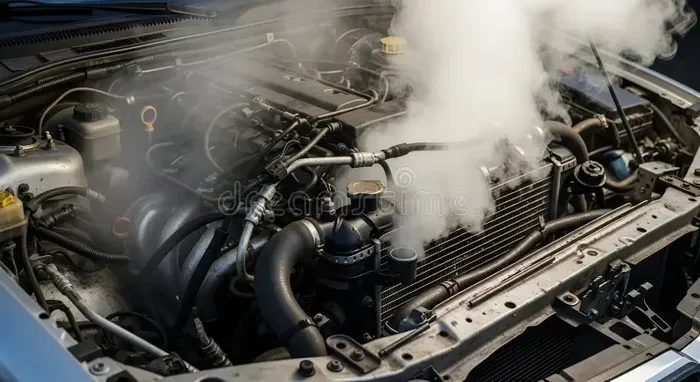
- You smell burning rubber or notice smoke under the hood.
These symptoms could point to deeper electrical problems. A professional has the tools and training to diagnose them safely. Do not try to fix complex electrical issues if you are not confident. Safety always comes first.
How to Choose the Right Mechanic
Not all mechanics are the same. Look for someone who is ASE certified. Read online reviews before booking. Ask for a clear explanation of the problem and the cost of repairs. A good mechanic will not pressure you into unnecessary work.
Also, ask if they offer a warranty on their repairs. Many reputable shops stand behind their work with a guarantee. This gives you peace of mind and protects your investment.
Final Thoughts on the Check Charging System Warning Light
The Check Charging System Warning Light can feel scary the first time it shows up. But it does not have to be a disaster. With the right knowledge, you can figure out what is wrong and fix it. Most causes are simple and affordable to repair.
Remember to pay attention to the light. Do not ignore it. Use a multimeter or OBD scanner to diagnose the issue. Try simple fixes first, like cleaning terminals or tightening cables. And if the problem is beyond your skill level, do not hesitate to call a professional.
Your car’s charging system keeps everything running. The battery, alternator, belt, and wiring all work together. Take care of them, and they will take care of you. A little maintenance goes a long way toward preventing unexpected breakdowns and expensive repairs.
Stay proactive. Stay informed. And the next time that light comes on, you will know exactly what to do.
Frequently Asked Questions
Can I drive my car with the Check Charging System Warning Light on?
You can drive a short distance, but do not ignore it. The light means your charging system is not working properly. Your battery may drain quickly, and the engine could stall. Get the issue checked as soon as possible to avoid getting stranded.
How much does it cost to fix a charging system problem?
The cost depends on the cause. Cleaning battery terminals costs almost nothing. Replacing a serpentine belt runs between $50 and $150. A new alternator can cost $300 to $600. A battery replacement usually falls between $100 and $250.
What is the difference between the battery light and the Check Charging System Warning Light?
They are closely related. The battery light often means the battery itself is weak. The charging system warning light usually points to a bigger issue, like a failing alternator or a broken belt. Both indicate electrical problems that need attention.
How long can I drive with the Check Charging System Warning Light on?
You might get a few miles before the battery dies. But driving with this light on is risky. The battery could drain at any moment, causing the engine to stall. It is best to address the issue right away.
Can a loose battery cable trigger the Check Charging System Warning Light?
Yes, absolutely. A loose or corroded cable interrupts the electrical connection. The car senses this as a charging system fault and turns on the warning light. Cleaning and tightening the terminals often solves this problem quickly.
Does cold weather cause the Check Charging System Warning Light to come on?
Cold weather can make existing battery or alternator problems worse. The battery has to work harder in low temperatures. If your charging system is already weak, cold weather can push it over the edge and trigger the warning light.
=== CONCLUSION ===
The Check Charging System Warning Light is a signal you should never ignore. It protects you from bigger problems down the road. Whether the cause is a simple loose cable or a failing alternator, acting fast makes all the difference. Use the tips and steps in this guide to diagnose and fix the issue with confidence. Keep your car’s electrical system healthy, and it will keep you moving safely for miles to come.