What to Do When Your Car Overheats and How to Fix It
Knowing what to do when your car overheats can save you hundreds in repairs and keep you safe on the road. This guide walks you through every step, from recognizing early warning signs to handling the situation in real time. You will learn simple fixes, common causes, and smart prevention tips that every driver should know.
There is nothing quite like the panic that hits when you see steam curling up from under your hood. Your heart races, your hands tighten on the wheel, and suddenly every mile feels like a gamble. What to do when your car overheats is not just a question — it is a survival skill every driver should have. This guide gives you clear, step-by-step instructions that work whether you are stuck in traffic or stranded on a back road. We will cover everything from immediate actions to long-term solutions so you can handle the heat with confidence.
Car overheating happens more often than most people think. It can strike on a hot summer day, during a long road trip, or even on a perfectly normal commute. The causes range from simple fixes you can do yourself to serious mechanical problems that need a professional touch. Either way, knowing the right response makes all the difference. Let us walk through it together, step by step, so you are never caught off guard.
Key Takeaways
- Turn off the AC and turn on the heat: This simple trick pulls heat away from the engine fast.
- Never open the radiator cap immediately: Hot pressurized coolant can cause serious burns.
- Low coolant is the most common culprit: A small leak can lead to big engine problems fast.
- Watch your temperature gauge: Catching overheating early prevents severe engine damage.
- Regular car maintenance stops overheating before it starts: Flush coolant, check hoses, and inspect the radiator often.
- Know when to call a pro: Some overheating causes need a trained mechanic, not a DIY fix.
- Pull over safely first: Your safety always comes before any engine fix.
📑 Table of Contents
Signs Your Car Is Overheating
Catching the signs early gives you the best chance to prevent major damage. Most cars give you plenty of warnings before things get serious. The key is knowing what to look for and not ignoring it.
The Temperature Gauge Spike
Your dashboard has a temperature gauge for a reason. When the needle moves into the red zone, that is your car screaming for help. Do not ignore it. A normal engine runs between 195 and 220 degrees Fahrenheit. Anything above that means your cooling system is struggling. Some newer cars show a warning light shaped like a thermometer instead of a gauge. Either way, the message is the same — pull over safely and investigate.
Steam or Smoke Coming From the Hood
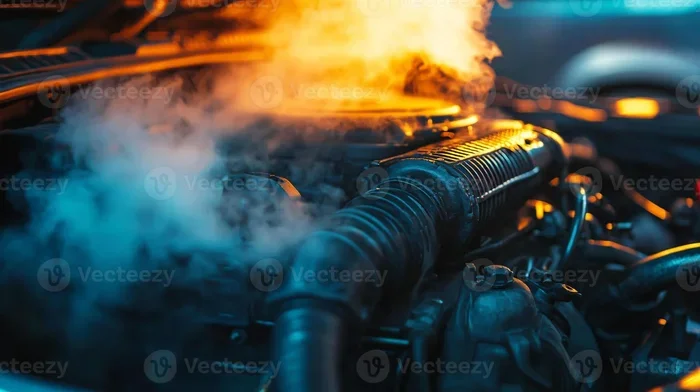
This is the most visible sign of car overheating. Steam pouring out from under the hood looks dramatic, and it is. The steam comes from coolant leaking onto hot engine parts. It can be white, gray, or even slightly blue if you are burning oil alongside coolant. Do not panic, but do not keep driving. Pull over, turn off the engine, and let things cool down before you open anything.
Strange Smells Coming From the Engine Bay
Your nose can tell you a lot about what is going on under the hood. A sweet, syrupy smell usually means coolant is leaking. A burning or rubbery smell could mean a hose is melting or a belt is slipping. Both situations can lead to an overheating engine if left unchecked. Trust your instincts — if something smells wrong, get it checked.
Coolant Leaks Under the Car
If you see a puddle of green, orange, or pink fluid under your parked car, that is coolant leaking out. A coolant leak means your system is losing the fluid it needs to regulate engine temperature. Even a small leak can cause big problems over time. Check your parking spot regularly, especially if you notice the temperature gauge behaving oddly.
Immediate Steps to Take When Your Car Overheats
So your engine is running hot. What do you do right now? The first few minutes matter a lot. Follow these steps in order to protect yourself and your vehicle.
Step 1: Pull Over Safely
Turn on your right signal and find a safe spot to stop. Avoid stopping on blind curves or narrow shoulders. A parking lot, a side street, or a rest area works best. Turn off the engine and engage the parking brake. Do not attempt to keep driving — even a few more minutes of overheating can cause engine damage that costs thousands to repair.
Step 2: Turn Off the Air Conditioning
This might feel counterintuitive when you are already hot and uncomfortable. But the AC puts extra load on the engine, which generates more heat. Turning it off reduces the strain on your cooling system immediately. Roll down your windows instead to stay cool while you figure out the problem.
Step 3: Turn On the Heater
Here is a trick many drivers do not know. Turning the heater to full blast pulls heat away from the engine and into the cabin. It is not comfortable, but it works. This buys you a little extra time if you need to drive a short distance to a safer spot or a nearby mechanic. Use this as a temporary measure only — it is not a permanent fix.
Step 4: Wait Before Opening the Hood
Do not pop the hood right away. Pressurized steam and hot coolant can cause severe burns. Wait at least 15 to 20 minutes for the engine to cool down. If you must check something sooner, use a thick towel or glove to slowly turn the radiator cap a quarter turn at a time. Let the pressure release gradually before removing it completely.
Step 5: Check the Coolant Level
Once the engine is cool, open the hood and locate the coolant reservoir. The coolant level should be between the minimum and maximum marks. If it is low, you can add a 50/50 mix of water and coolant to bring it back up. Do not add plain water alone for long-term use, but in an emergency, it is better than nothing. What to do when your car overheats often starts with a simple coolant top-off.
Step 6: Restart the Engine and Monitor
After adding coolant, restart the engine and watch the temperature gauge closely. If the needle stays in the normal range, you can drive slowly to a mechanic. If it starts climbing again, turn off the engine immediately and call for roadside assistance. Driving with an overheating engine risks cracking the engine block or blowing a head gasket.
Common Causes of an Overheating Engine
Understanding why your car overheats helps you prevent it from happening again. Some causes are simple and cheap to fix. Others need more attention. Here are the most common reasons your engine temperature can spike.
Low or Leaking Coolant
This is the number one cause of car overheating. Coolant, also called antifreeze, circulates through the engine and absorbs heat. When the level drops too low, there is not enough fluid to carry heat away. Leaks can happen in the radiator, hoses, water pump, or heater core. Even a tiny crack in a hose can drain your system over time. Check your coolant level regularly and look for puddles under your car.
Faulty Thermostat
The thermostat controls how much coolant flows through the engine. When it gets stuck closed, coolant cannot circulate, and the engine heats up fast. A stuck thermostat is a common problem in older cars and usually costs between $100 and $300 to replace. It is a simple fix that a mechanic can do in under an hour.
Broken Water Pump
The water pump is the heart of your cooling system. It pushes coolant through the engine block and radiator. When it fails, coolant stops moving and heat builds up quickly. Water pump failure can happen from normal wear and tear or from a contaminated coolant mixture. Signs include a whining noise from the front of the engine and visible coolant leaks near the pump.
Clogged Radiator
Over time, rust and debris can build up inside the radiator and block coolant flow. A clogged radiator cannot release heat efficiently, which causes the engine to run hot. Flushing the radiator as part of regular car maintenance helps prevent this. Most mechanics recommend a radiator flush every 30,000 to 50,000 miles.
Broken Radiator Fan
The radiator fan pulls air through the radiator when the car is moving slowly or idling. If the fan motor or fan blade breaks, the engine overheats at low speeds or in stop-and-go traffic. You might notice the engine runs fine on the highway but overheats in traffic. Replacing a radiator fan is usually affordable and straightforward.
Blown Head Gasket
A blown head gasket is one of the most serious causes of overheating engine problems. The head gasket seals the gap between the engine block and cylinder head. When it fails, coolant leaks into the combustion chamber or oil passages. Signs include white smoke from the exhaust, a milky oil appearance, and persistent overheating. A head gasket repair is expensive, often costing $1,000 or more, which is why early detection matters so much.
Damaged Radiator Hoses
Radiator hoses carry coolant between the engine and the radiator. These rubber hoses crack and deteriorate over time, especially in hot climates. A burst hose dumps all the coolant out at once, causing immediate overheating. Inspect your hoses regularly for soft spots, cracks, or bulges. Replacing a hose costs very little compared to the damage a burst hose can cause.
How to Diagnose the Problem Yourself
You do not need to be a mechanic to figure out what is causing your overheating symptoms. A few simple checks can narrow down the problem and save you money on diagnostic fees.
Check the Coolant Level and Condition
Open the coolant reservoir when the engine is cool. The fluid should be bright green, orange, or pink depending on the type. If it looks brown, rusty, or oily, your coolant is contaminated and needs to be flushed. Low fluid means you have a leak somewhere in the system. Top it off and watch for drops over the next few days.
Inspect the Radiator Hoses
Squeeze the hoses gently when the engine is cool. They should feel firm but flexible. If they feel hard, brittle, or squishy, they need replacing. Look for cracks, swelling, or damp spots near the connections. A hose that feels spongy is about to fail.
Test the Thermostat
Start the engine cold and watch the temperature gauge. The needle should start moving after a few minutes as the thermostat opens. If the needle stays at the bottom and the heater blows cold air, the thermostat is stuck closed. If the needle rises slowly and never reaches normal operating temperature, the thermostat might be stuck open. Either way, a stuck thermostat needs replacing.
Listen for Unusual Noises
A knocking or pinging sound from the engine can mean the engine is overheating and the fuel is detonating improperly. A whining noise might point to a failing water pump. Gurgling sounds often mean air is trapped in the cooling system. Pay attention to what your engine is telling you.
Use an Infrared Thermometer
A cheap infrared thermometer from any auto parts store can help you find hot spots on the engine. Point it at the radiator, the hoses, and different parts of the engine block. If one area is significantly hotter than the rest, you have found your problem. This tool is especially helpful for finding clogged radiator passages or a failing water pump.
Preventing Your Car from Overheating
The best way to deal with an overheating engine is to stop it from happening in the first place. Prevention is always cheaper and easier than repair. A few simple habits can keep your cooling system working strong for years.
Follow Your Car Maintenance Schedule
Your owner’s manual has a maintenance schedule for a reason. Follow it. Change your coolant at the recommended intervals, usually every 30,000 to 50,000 miles. Replace the thermostat every 50,000 miles as a precaution. Flush the entire cooling system during major service appointments. Staying on top of car maintenance catches small problems before they become big ones.
Monitor Your Temperature Gauge Daily
Make it a habit to glance at your temperature gauge every time you start the car. If the needle is higher than usual or creeping into the warm zone, get it checked. Do not wait for steam to appear. Catching a rising temperature early can prevent a blown head gasket or cracked engine block.
Keep Your Radiator Clean
Debris like leaves, bugs, and dirt can block airflow through the radiator. Hose down the front of the radiator gently when you wash your car. Do not use a high-pressure washer directly on the radiator fins, as they are delicate and bend easily. Clean airflow keeps the radiator working efficiently.
Use the Right Coolant Mix
Always use a 50/50 mix of coolant and distilled water. Straight coolant actually transfers heat less efficiently than a proper mix. Too much water can cause freezing in cold weather and corrosion in warm weather. Check your coolant type against your owner’s manual to make sure you are using the right one.
Drive Smart in Hot Weather
Extreme heat puts extra stress on your engine. On hot days, avoid heavy braking and aggressive acceleration. Take breaks during long drives to let the engine cool down. If you are towing a trailer, remember that the extra weight makes the engine work harder and generate more heat. Plan your trips with rest stops in mind during the hottest part of the day.
Keep Emergency Supplies in Your Car
Always have a gallon of coolant and a bottle of water in your trunk. Carry a flashlight, a pair of thick gloves, and a basic tool kit. These simple items can turn a stressful roadside situation into something you handle calmly and safely. Being prepared is the best part of roadside safety.
When to Call a Professional Mechanic
Not every overheating problem is a DIY fix. Some situations demand the skills and tools of a trained mechanic. Knowing when to call for help saves you time, money, and the risk of making things worse.
Persistent Overheating After Adding Coolant
If you add coolant and the engine still overheats within minutes, there is a deeper problem. This could be a failed water pump, a clogged radiator, or a blown head gasket. Continuing to drive in this condition will cause severe engine damage. Call a tow truck and get the car to a mechanic.
Steam or Coolant Inside the Cabin
If you smell coolant inside the car or see fog on the inside of the windshield, the heater core is leaking. This is not a quick fix and requires professional attention. Driving with a leaking heater core can flood the cabin with coolant fumes, which is a health hazard.
White Smoke From the Exhaust
White smoke that smells sweet usually means coolant is burning in the combustion chamber. This is a strong sign of a blown head gasket or a cracked engine block. Do not keep driving. Have the car towed to a shop for a proper diagnosis and engine repair.
Temperature Gauge Fluctuates Erratically
If the needle bounces between hot and normal, the problem might be the thermostat, the temperature sensor, or air trapped in the cooling system. A mechanic can run diagnostic tests to pinpoint the exact cause and recommend the right fix.
You Are Not Comfortable Diagnosing the Problem
There is no shame in calling a professional. Overheating can escalate fast, and guessing wrong can cost you more in the long run. A trusted mechanic can inspect the entire cooling system and give you a clear picture of what needs fixing. When in doubt, get a second opinion.
Key Takeaways
- Act fast but stay calm: Pull over safely, turn off the AC, and turn on the heat to protect your engine.
- Never open a hot radiator cap: Wait for the engine to cool to avoid serious burns from pressurized steam.
- Check the coolant level: A low coolant level is the most common reason engines overheat. Top it off if needed.
- Know the common causes: Leaks, faulty thermostats, broken water pumps, and clogged radiators are the usual suspects.
- Prevent overheating with regular maintenance: Flush coolant, inspect hoses, and monitor your temperature gauge often.
- Call a mechanic when needed: Persistent overheating, white exhaust smoke, and coolant in the cabin need professional attention.
- Your safety comes first: Always pull over safely and never risk driving an overheating car for long distances.
Conclusion
Dealing with a car overheating situation can be scary, but it does not have to be overwhelming. Now that you know what to do when your car overheats, you have the tools to stay safe and make smart decisions in the moment. From the immediate steps like turning off the AC and switching on the heat, to understanding the common causes like low coolant and faulty thermostats, this guide covers everything you need.
Remember that prevention is your best friend. Regular car maintenance keeps your cooling system in top shape and catches small problems before they turn into expensive repairs. Check your coolant, inspect your hoses, and pay attention to that temperature gauge every time you drive.
If you ever find yourself stranded with an overheating engine, stay calm, follow the steps in this guide, and do not hesitate to call for professional help when the situation calls for it. Your car is a big investment, and taking care of it starts with knowing how to handle the unexpected. Share this guide with a friend or family member who drives — you never know when it might come in handy. Stay cool out there, and drive safe.
Frequently Asked Questions
Can I keep driving if my car is overheating?
No, you should stop driving immediately if your car is overheating. Continuing to drive can cause severe engine damage, including a cracked engine block or a blown head gasket. Pull over safely, turn off the engine, and call for roadside assistance if needed.
How much does it cost to fix an overheating car?
The cost varies widely depending on the cause. A simple coolant top-off might cost under $20, while replacing a water pump or thermostat runs between $100 and $300. A head gasket repair can cost $1,000 or more. Getting a proper diagnosis early saves you money in the long run.
How long can you drive with an overheating engine?
You should not drive at all once the engine is overheating. Even a few minutes of driving with a hot engine can cause permanent damage. If you must move the car a short distance, drive slowly and watch the temperature gauge closely.
What should I put in my radiator when it overheats?
Use a 50/50 mix of coolant and distilled water for best results. In an emergency, plain water will work temporarily, but you should flush and refill with proper coolant as soon as possible. Never add coolant to a hot engine — wait for it to cool first.
Why does my car overheat in traffic but not on the highway?
This usually means the radiator fan is not working properly. The fan pulls air through the radiator when the car is moving slowly or stopped. On the highway, the airflow from driving keeps the radiator cool. Have the fan motor and relay checked by a mechanic.
Is it safe to pour cold water on an overheated engine?
No, pouring cold water on a hot engine can cause the engine block or head to crack due to sudden temperature changes. Always let the engine cool down naturally before adding any coolant or water. Wait at least 15 to 20 minutes after turning off the engine.