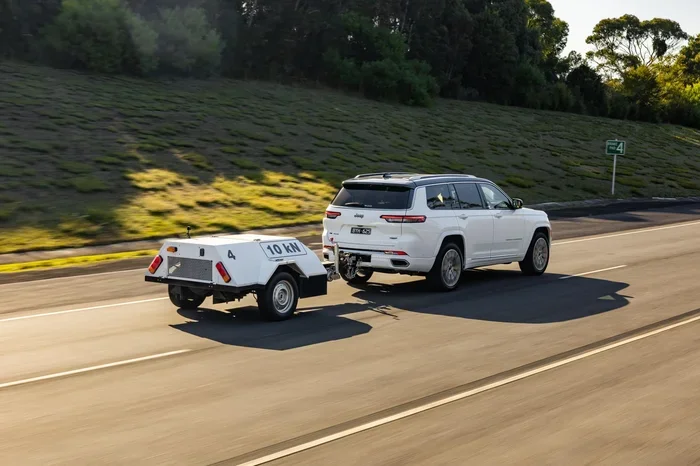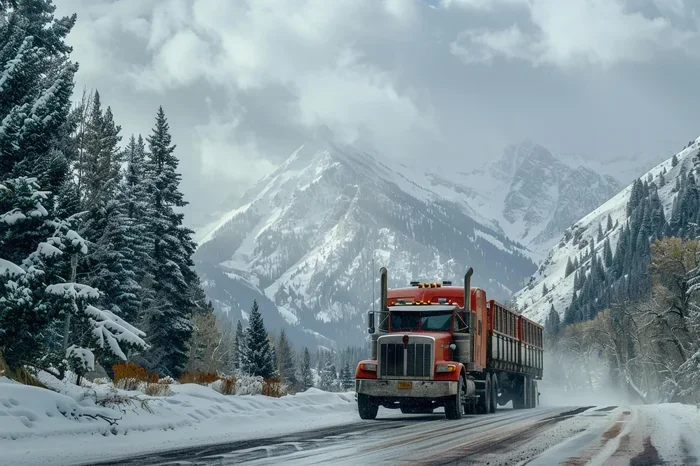
What Is the Tow Haul Mode in Snow and Why It Matters
Tow haul mode in snow is a drivetrain setting that helps you control your vehicle when towing heavy loads on icy or snowy roads. It adjusts transmission shift points, boosts engine braking, and improves stability. This guide explains everything you need to know to stay safe and confident this winter.
Winter towing can be stressful. Snow-covered roads, heavy loads, and freezing temperatures all add up fast. That is where tow haul mode in snow becomes your best friend. Whether you are hauling a boat, a trailer, or cargo, understanding this feature can make a huge difference. It changes how your vehicle shifts gears and brakes. The result? Better control, safer stops, and less wear on your drivetrain.
Many drivers never touch this setting. They cruise through winter without knowing what they are missing. If you have ever felt your truck struggle on a snowy hill or watched your brakes fade on a long downhill run, tow haul mode could fix that. This article breaks down exactly what it does, when to use it, and how to avoid common pitfalls. You will walk away feeling much more confident behind the wheel.
Key Takeaways
- Tow haul mode changes how your transmission shifts gears: It holds lower gears longer for better control on snow.
- Engine braking becomes stronger: This reduces the need to ride your brakes on downhill slopes.
- It works best on snow-covered roads with heavy loads: Light driving in normal conditions does not need it.
- Activation is simple: Most vehicles have a dedicated button or switch for this mode.
- Common mistakes include using it on dry roads and forgetting to turn it off: Both can reduce fuel efficiency.
- Combining tow haul mode with four-wheel drive boosts traction: This is the safest setup for winter towing.
- Regular maintenance matters: Check transmission fluid and trailer brakes before every snow trip.
📑 Table of Contents
- What Does Tow Haul Mode Actually Do?
- How Tow Haul Mode Helps in Snowy Conditions
- When Should You Use Tow Haul Mode in Snow?
- Step-by-Step: How to Activate Tow Haul Mode
- Common Mistakes People Make with Tow Haul Mode in Snow
- Expert Tips for Winter Towing with Tow Haul Mode
- Quick Comparison: Tow Haul Mode vs. Normal Mode in Snow
- Key Takeaways
- Conclusion
What Does Tow Haul Mode Actually Do?
At its core, tow haul mode is a transmission setting. It tells your vehicle to shift differently than it normally would. Instead of upshifting early for fuel savings, it holds gears lower. This gives you more power when you need it most. Think of it like switching from a relaxed driver to a focused one.
How the Transmission Changes
When you activate tow haul mode, several things happen under the hood. Your transmission delays upshifts. It stays in lower gears longer. This keeps your engine in its optimal RPM range. More RPM means more torque. More torque means better pulling power on slippery surfaces.
Here is a quick look at the key changes:
- Shift points move lower: The transmission stays in second or third gear instead of jumping to fifth or sixth.
- Downshifts happen faster: When you slow down, the system drops gears quickly to help with braking.
- Engine braking increases: Your engine helps slow the vehicle, reducing strain on your brake pads.
- Transmission fluid pressure rises: This helps the gears engage more firmly under heavy load.
Why This Matters for Snow Driving
Snow roads are unpredictable. Your tires lose grip. Your momentum changes fast. In normal mode, your transmission might upshift too early. This can leave you without enough power to climb a hill. Or worse, it can cause your wheels to spin. Tow haul mode in snow prevents these problems by keeping your engine ready to respond instantly.
Consider this example. You are driving a truck pulling a trailer up a snowy incline. In normal mode, the transmission shifts to sixth gear too soon. The engine RPM drops. You lose torque. The wheels start to slip. Now imagine the same hill with tow haul mode active. The transmission holds third or fourth gear. Your engine stays strong. The wheels grip. You make it to the top without stopping.
How Tow Haul Mode Helps in Snowy Conditions
The benefits of using tow haul mode in snow go beyond just shifting. Let us break down the specific advantages. Each one plays a role in keeping you and your load safe.
Better Speed Control on Downhills
One of the biggest dangers of winter towing is downhill driving. Gravity pulls your heavy load faster. Your brakes get hot. Over time, this causes brake fade. That is when your brakes lose their stopping power. It is extremely dangerous on icy roads.
Tow haul mode uses engine braking to slow your vehicle. Instead of relying only on your brake pads, your engine helps decelerate. You stay in lower gears. The engine resists the motion of the wheels. This keeps your speed steady without overheating your brakes.
Improved Traction and Stability
Heavy trailers can sway on snow. Wind gusts make it worse. Tow haul mode helps by keeping your drivetrain in a stable gear range. You have more control over your speed. Sudden gear changes are less likely. This means smoother acceleration and fewer surprises on the road.
Many drivers pair tow haul mode with four-wheel drive for maximum traction. The combination gives you better grip on snow-covered roads. Your wheels dig in instead of spinning. This is especially helpful when starting from a stop on ice.
Reduced Wear on Your Brakes
Your brake system is not built for constant use. Towing heavy loads through snow puts enormous stress on it. Tow haul mode shares the workload with your engine. Your brake pads last longer. You avoid expensive repairs. More importantly, you stay safer on the road.
When Should You Use Tow Haul Mode in Snow?
Knowing when to activate tow haul mode is just as important as knowing how it works. You do not need it for every winter drive. Using it at the wrong time can hurt fuel economy and transmission health.
Use It When Towing Heavy Loads
If you are pulling a trailer loaded with furniture, equipment, or animals, turn on tow haul mode. Heavy loads strain your transmission. The setting helps your drivetrain handle the extra weight. It shifts more intelligently under load.
Use It on Snow-Covered and Icy Roads
Snow-covered roads demand more from your vehicle. Traction is low. Stopping distances are longer. Tow haul mode gives you the extra control you need. It works best when road conditions are poor and visibility is limited.
Use It on Mountain Passes and Steep Hills
Mountain driving in winter is tough. Long inclines and steep declines test your vehicle. Tow haul mode keeps you in the right gear for the terrain. You will feel more confident and in control.
Do NOT Use It on Clear, Dry Roads
Here is a quick tip. If the roads are clear and dry, leave tow haul mode off. The setting is not designed for normal driving. It can reduce your fuel efficiency significantly. Your transmission will shift oddly. The engine will sound strained. Save it for when you really need it.
Step-by-Step: How to Activate Tow Haul Mode
Activating tow haul mode is usually very simple. Most modern trucks and SUVs have a dedicated button. The location varies by manufacturer. Here is how to find and use it.
- Check your owner manual: Every vehicle is different. The manual tells you exactly where the button or switch is located.
- Look for the tow haul button: It is often near the gear shifter or on the steering column. Some vehicles have it on the dashboard.
- Press the button while driving: You can activate it at any speed. The instrument cluster will show a confirmation light.
- Watch for the indicator: A tow haul icon appears on your dashboard. This confirms the mode is active.
- Deactivate when done: Press the button again to turn it off. This is important for normal driving and fuel savings.
Some vehicles use a lever instead of a button. Others have the setting inside a touchscreen infotainment menu. Always refer to your specific vehicle guide for exact steps.
Common Mistakes People Make with Tow Haul Mode in Snow
Even experienced drivers make mistakes with tow haul mode. Knowing what to avoid keeps you safer and saves money.
Mistake 1: Leaving It On All the Time
This is the most common error. Tow haul mode is a tool, not a permanent setting. Leaving it on during normal driving reduces fuel economy. It causes unnecessary transmission wear. Get in the habit of turning it on only when needed.
Mistake 2: Ignoring Brake Maintenance
Tow haul mode helps with engine braking. But it does not replace your brakes. You still need to check your brake pads, rotors, and fluid regularly. Especially before a winter trip. Brake fade can happen even with tow haul mode active if your brakes are worn out.
Mistake 3: Overloading Beyond Your Vehicle’s Capacity
Tow haul mode helps your vehicle perform better. It does not magically increase your towing capacity. Check your vehicle’s towing capacity before loading up. Overloading is dangerous in any condition, but especially in snow.
Mistake 4: Forgetting About Trailer Brakes
Your trailer has its own braking system. Tow haul mode only controls your vehicle’s drivetrain. Make sure your trailer brakes are adjusted properly. This gives you balanced stopping power for the entire setup.
Mistake 5: Not Checking Transmission Fluid
Tow haul mode puts extra demand on your transmission. Cold weather thickens transmission fluid. Old fluid loses its effectiveness. Check your fluid level and condition before winter. Change it if needed. This simple step prevents costly repairs.
Expert Tips for Winter Towing with Tow Haul Mode
Want to get the most out of tow haul mode in snow? Follow these expert-backed tips. They come from years of real-world winter towing experience.
Tip 1: Combine It with Winter Tires
Tow haul mode works best when your tires can grip the road. Winter tires provide superior traction on snow and ice. Together, they create a powerful combination. Your vehicle stays stable and responsive.
Tip 2: Keep a Safe Following Distance
Even with tow haul mode, stopping distances increase in snow. Leave plenty of space between you and the vehicle ahead. A good rule of thumb is at least six to eight seconds of following distance.
Tip 3: Practice on Empty Roads First
If you are new to tow haul mode, practice before your actual trip. Find an empty snow-covered parking lot. Test the shifts and braking feel. This builds confidence for real-world driving.
Tip 4: Monitor Your RPM Gauge
Keep an eye on your RPM gauge when tow haul mode is active. You want to stay within the recommended range. If RPMs spike too high, ease off the accelerator. If they drop too low, downshift manually.
Tip 5: Plan Your Route Carefully
Choose routes that avoid steep hills when possible. Check weather and road conditions before you leave. A well-planned route reduces stress and keeps your tow haul mode working in your favor.
Quick Comparison: Tow Haul Mode vs. Normal Mode in Snow
Still not sure if tow haul mode is worth it? Here is a direct comparison of both settings during winter towing.
- Gear Shifting: Normal mode shifts early for efficiency. Tow haul mode holds gears lower for power and control.
- Engine Braking: Normal mode relies mostly on brakes. Tow haul mode uses engine braking to reduce brake wear.
- Traction: Normal mode can cause wheel spin on snow. Tow haul mode keeps the engine in a responsive range for better grip.
- Fuel Economy: Normal mode is better for fuel. Tow haul mode uses more fuel, but only when you need it.
- Transmission Stress: Normal mode is gentler on the transmission. Tow haul mode adds stress, but only under heavy load conditions.
As you can see, tow haul mode is not a replacement for normal mode. It is a specialized tool for specific situations. Use it wisely and it will serve you well all winter long.
Key Takeaways
- Tow haul mode changes your transmission behavior: It holds lower gears for more power and control on snow.
- Engine braking reduces brake wear: This keeps your brakes cool and effective on long downhill runs.
- Activate it only when towing in snow: Using it on dry roads wastes fuel and strains the drivetrain.
- Pair it with four-wheel drive and winter tires: This creates the safest possible winter towing setup.
- Avoid common mistakes: Do not leave it on permanently, ignore brake maintenance, or exceed towing capacity.
- Regular maintenance is essential: Check transmission fluid, trailer brakes, and tires before every snow trip.
Conclusion
Tow haul mode in snow is a game-changer for anyone who tows during winter. It gives you better gear control, stronger engine braking, and improved stability on slippery roads. The key is knowing when to use it and when to leave it off. Follow the tips in this guide and you will tow with confidence all season long.
Take a few minutes before your next trip to check your vehicle. Make sure your transmission fluid is fresh. Confirm your trailer brakes are working. And practice activating tow haul mode in a safe area. Preparation is the foundation of safe winter towing. Stay smart, stay safe, and enjoy the ride.
Frequently Asked Questions
Can I use tow haul mode in snow without towing a trailer?
Yes, you can activate tow haul mode even without a trailer. It can still help with engine braking and gear control on snowy roads. However, it is designed primarily for heavy loads. Using it without a load may reduce fuel efficiency slightly.
Does tow haul mode work on all-wheel-drive vehicles?
Yes, tow haul mode works on both rear-wheel-drive and all-wheel-drive vehicles. It adjusts the transmission shift points regardless of your drivetrain type. For AWD vehicles, combining it with the AWD system provides excellent snow traction.
Will tow haul mode damage my transmission in cold weather?
No, tow haul mode does not damage your transmission. In fact, it can reduce wear by sharing the workload with engine braking. Just make sure your transmission fluid is in good condition and at the proper level before using it in cold weather.
How do I know if my vehicle has tow haul mode?
Check your owner manual or look for a tow haul button near your gear shifter. Many trucks and SUVs from manufacturers like GM, Ford, and Ram include this feature. If your vehicle does not have a dedicated button, it may not support tow haul mode.
Can tow haul mode prevent brake fade on long downhill slopes in snow?
Yes, tow haul mode significantly reduces the risk of brake fade. By using engine braking, it takes the pressure off your brake pads. This keeps your brakes cool and responsive even on long, steep downhill runs through snow.
Is tow haul mode the same as low range in four-wheel drive?
No, they are different features. Tow haul mode adjusts transmission shift points. Low range in four-wheel drive changes the gear ratio for extreme traction. Many drivers use both together for maximum control in deep snow and heavy towing situations.