What Is an EPB Reset And How to Get Your System Back
An EPB reset is the process of restarting your vehicle’s electronic parking brake system to clear errors, restore normal function, and get your car driving safely again. Whether your dashboard is flashing a warning light or your parking brake won’t release, knowing how to perform an EPB reset can save you time and money. This guide walks you through everything you need to know, from understanding the system to fixing common problems at home.
Have you ever pressed the button to release your parking brake, only to hear a clicking sound and see a warning light on your dashboard? That’s frustrating, right? You’re not alone. EPB reset issues affect thousands of drivers every year, and the good news is that most of them are easy to fix.
Your car’s Electronic Parking Brake, commonly called EPB, is a smart system that replaces the old-school lever or pedal you might remember from older vehicles. It uses motors, sensors, and your car’s computer to engage and release the parking brake automatically. But like any computerized system, it can glitch. A simple reset often brings everything back to normal.
In this article, we’ll explain exactly what an EPB reset is, why it happens, how to do it yourself, and when you should call a mechanic. We’ll also cover the warning signs you should never ignore and share tips to keep your parking brake system healthy for years to come.
Key Takeaways
- EPB stands for Electronic Parking Brake: It replaces the traditional lever or pedal with a computerized system controlled by your car’s ECU.
- An EPB reset clears error codes: It reboots the system and often resolves warning lights, sticking brakes, and release failures.
- You can perform a basic reset at home: Most vehicles allow a simple EPB reset using the ignition and brake pedal.
- Warning signs include dashboard lights and unusual sounds: Catching these early prevents costly brake repairs.
- Regular brake maintenance helps prevent EPB issues: Routine checks keep your parking brake system working reliably.
- See a professional if the reset doesn’t work: Persistent problems may signal deeper electrical or mechanical faults.
- Resetting your TPMS sensor follows a similar process: Many drivers find that learning one reset procedure makes others easier too.
📑 Table of Contents
- What Is an EPB Reset?
- Why Does Your EPB Need a Reset?
- Common EPB Warning Signs You Should Never Ignore
- How to Perform an EPB Reset: Step-by-Step Guide
- When to See a Professional Mechanic
- Preventing Future EPB Problems
- EPB Reset vs. Traditional Parking Brake: Key Differences
- Can You Reset an EPB After Changing Brake Pads?
- Quick Tips for a Successful EPB Reset
- Common Mistakes People Make During an EPB Reset
- Expert Insights: What Mechanics Wish Drivers Knew
- Key Takeaways
- Conclusion
What Is an EPB Reset?
An EPB reset is a recalibration process that clears error codes and reboots your vehicle’s electronic parking brake system. Think of it like restarting your phone when it freezes. Sometimes the system gets confused, and a fresh start solves the problem entirely.
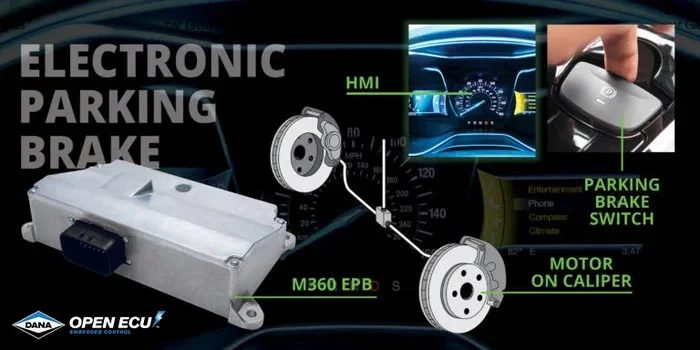
The electronic parking brake is controlled by a small computer called the Electronic Control Unit, or ECU. This unit monitors sensors on each rear wheel and engages the brake calipers when you pull the EPB switch or press the button. When the system detects a fault — such as a sensor error, a stuck caliper, or a wiring issue — it stores a trouble code and triggers a warning light on your dashboard.
Performing an EPB reset clears those trouble codes and tells the system to start fresh. In many cases, this restores normal operation without any expensive repairs. However, if the underlying problem is mechanical, a reset alone won’t fix it permanently.
How the EPB System Works
To understand why a reset works, it helps to know the basic parts of the system. Here’s a simple breakdown:
- EPB Switch or Button: This is what you press or pull inside the cabin to engage or release the parking brake.
- Electric Motors: Small motors attached to each rear brake caliper do the actual work of applying or releasing the brake.
- Sensors: These monitor the position of the calipers and send data back to the ECU.
- Control Module (ECU): The brain of the system. It processes sensor data and sends commands to the motors.
- Brake Pads and Rotors: The physical friction components that stop the wheels from turning.
When any of these components sends an abnormal signal, the ECU flags it as a fault. The EPB reset wipes that flag and gives the system a clean slate to operate correctly again.
Why Does Your EPB Need a Reset?
There are several reasons your electronic parking brake might need a reset. Understanding the cause helps you decide whether a DIY fix is safe or whether you need professional help.
Common Causes of EPB Errors
- Battery Voltage Drop: A weak or dying car battery can disrupt the EPB system’s power supply. When voltage dips, the ECU may store error codes even if nothing is physically wrong.
- Sensor Malfunction: Dirt, moisture, or wear can cause the wheel speed sensors to send incorrect readings to the ECU.
- Caliper Motor Sticking: Over time, brake dust and corrosion can cause the small electric motors in the calipers to stick or move slowly.
- Wiring or Connector Issues: Damaged wires or loose connectors between the ECU and the calipers can interrupt communication.
- Brake Pad Wear: When brake pads wear down significantly, the system may detect a discrepancy and throw an error.
- Software Glitch: Occasionally, a simple software bug causes the system to malfunction. A reset clears this type of error.
When a Reset Solves the Problem
A EPB reset works best when the issue is electrical or software-related rather than mechanical. For example, if your car sat unused for a long time and the battery drained, a reset often clears the stored codes and brings the system back online. Similarly, if a temporary voltage spike during a jump start confused the ECU, a reset usually fixes it right away.
However, if your brake caliper motor is physically damaged or your brake pads are completely worn out, no amount of resetting will solve the problem. You’ll need actual repairs in those cases.
Common EPB Warning Signs You Should Never Ignore
Your car gives you clues when something is wrong with the EPB system. Learning to recognize these signs early can prevent a small problem from turning into a big expense.
Dashboard Warning Lights
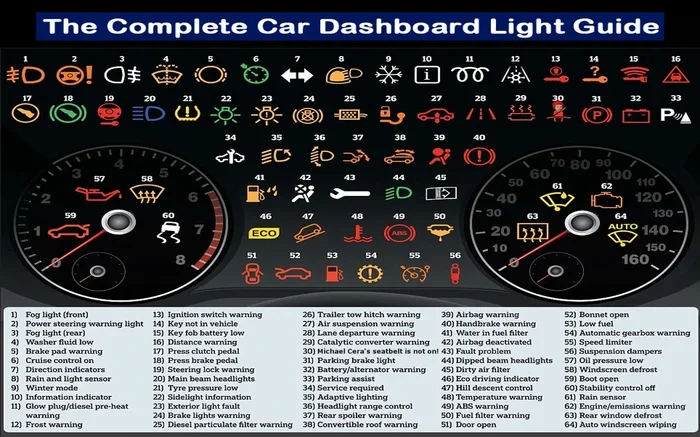
The most obvious sign is a dashboard warning light shaped like a “P” with a circle around it, often accompanied by an exclamation mark. This light means the ECU has detected a fault in the parking brake system. If it stays on after you start the car, don’t ignore it.
Unusual Sounds When Engaging or Releasing
Normal EPB operation is quiet. If you hear grinding, clicking, or buzzing when you press the EPB button, something is wrong. A stuck caliper motor or worn brake pad could be the culprit.
Parking Brake Won’t Release
This is one of the most serious EPB symptoms. If your parking brake stays engaged even after you press the release button, do not drive the car. A stuck parking brake can damage your brake pads, rotors, and even your transmission over time.
Parking Brake Won’t Engage
On the flip side, if the system fails to engage when you need it, your car could roll on a hill. This is a safety hazard that needs immediate attention.
Intermittent Warning Light
If the warning light comes and goes randomly, it could indicate a loose connector or a sensor that’s intermittently failing. Even if the light disappears, get the system checked. Intermittent problems often get worse over time.
How to Perform an EPB Reset: Step-by-Step Guide
Before you start, make sure you have a fully charged car battery. A weak battery can cause the reset to fail or introduce new errors. If your battery is more than three years old, consider charging it or replacing it before attempting the reset.
Step 1: Turn Off the Engine
Park your car on a flat, level surface. Engage the regular foot brake and shift the transmission into Park (for automatic) or Neutral (for manual). Turn the ignition off and remove the key or press the start/stop button to shut down the engine completely.
Step 2: Wait 30 Seconds
This gives the ECU time to fully power down. Wait at least 30 seconds before moving to the next step. Some mechanics recommend waiting a full minute for the system to completely discharge.
Step 3: Turn the Ignition to the “On” Position
Without starting the engine, turn the key to the “On” or “Accessory” position. You should see the dashboard lights come on. Do not start the engine yet.
Step 4: Press the EPB Button
Press and hold the EPB button for about 5 seconds. You may hear a clicking sound as the system initializes. Release the button, wait 3 seconds, then press it again for 5 seconds.
Step 5: Start the Engine
Turn the ignition to start the engine. Watch the dashboard for the EPB warning light. If the reset was successful, the light should turn off within a few seconds. If it stays on, try the process again once or twice.
Step 6: Test the System
Press the EPB button to engage the parking brake, then press it again to release it. Listen for normal operation and watch the dashboard. If the warning light stays off and the brake engages and releases smoothly, the reset worked.
If the light comes back on or the system still behaves abnormally, move on to the next section. You may need professional diagnostics.
When to See a Professional Mechanic
A DIY EPB reset is great for clearing temporary errors and software glitches. But there are situations where you should absolutely take your car to a qualified mechanic.
Signs You Need Professional Help
- The warning light returns immediately after a reset: This suggests a persistent hardware problem that a software reset can’t fix.
- You hear grinding or scraping noises: These sounds often mean your brake pads are worn down to the metal, which requires immediate replacement.
- The parking brake feels weak or spongy: This could indicate low brake fluid or air in the brake lines.
- The EPB button doesn’t respond at all: A non-responsive button could point to a wiring problem or a failed switch.
- You see multiple warning lights on the dashboard: If the EPB light comes with the ABS light or the check engine light, the problem may be more complex than a simple reset.
What to Expect at the Mechanic
A mechanic will connect a diagnostic scanner to your car’s OBD-II port and read the trouble codes stored in the ECU. These codes tell them exactly which component is failing. From there, they can inspect the calipers, sensors, wiring, and control module to pinpoint the root cause.
Common professional repairs for EPB issues include replacing brake caliper motors, cleaning corroded connectors, updating the ECU software, or replacing damaged wiring harnesses. Most of these repairs are straightforward and affordable when caught early.
If you’ve been putting off regular brake system maintenance, now is a great time to schedule a checkup. Routine inspections catch small problems before they become expensive repairs. Many drivers find that combining an EPB reset with a brake pad inspection and brake fluid check keeps the entire system running smoothly.
Preventing Future EPB Problems
The best way to deal with an EPB issue is to prevent one from happening in the first place. Here are some simple habits that keep your electronic parking brake system healthy.
Keep Your Battery in Good Shape
Your EPB system relies on stable electrical power. A weak battery causes voltage fluctuations that confuse the ECU. Have your battery tested at every oil change, and replace it every 3 to 5 years. If you notice dim headlights or slow cranking, don’t wait — get the battery checked immediately.
Drive Gently After Starting the Car
When you start your car, give the system a few seconds to initialize before driving. Avoid slamming on the brakes or pulling the EPB switch aggressively during the first few moments after startup. Let the sensors calibrate themselves.
Keep Brake Components Clean
Brake dust and road grime build up on the calipers and sensors over time. During regular car washes, spray the rear wheel wells with water to rinse away debris. If you notice excessive brake dust, consider having the calipers inspected during your next service visit.
Follow Your Manufacturer’s Maintenance Schedule
Every car comes with a recommended maintenance schedule. Following it ensures that your brake pads, rotors, and fluid are replaced at the right intervals. This simple habit dramatically reduces the chance of EPB problems.
Don’t Ignore Small Warning Signs
If you notice a faint warning light or a slight change in how the EPB behaves, don’t wait for it to get worse. Addressing small issues early is always cheaper and easier than fixing major problems later.
Learn Basic Diagnostic Procedures
Many modern cars allow you to check basic fault codes with an inexpensive OBD-II scanner you can buy for under $30. Plugging in the scanner and reading the codes gives you a head start when visiting a mechanic. It also helps you understand whether a problem is EPB-specific or related to another system like your ABS or traction control.
EPB Reset vs. Traditional Parking Brake: Key Differences
It’s helpful to understand how the electronic system differs from the traditional setup. Here’s a quick comparison:
- Traditional Parking Brake: Uses a cable connected to a lever or pedal. The driver manually applies tension to the brake shoes or pads. Simple, reliable, and easy to repair.
- Electronic Parking Brake (EPB): Uses electric motors and sensors controlled by a computer. It engages automatically in some vehicles, provides hill-hold assist, and integrates with other safety systems. More convenient but more complex.
The EPB system offers real convenience advantages. Features like auto-hold — which keeps the brake engaged when you stop at a light and releases it when you press the accelerator — make driving smoother, especially in stop-and-go traffic. But the added complexity means that when something goes wrong, a simple cable adjustment won’t fix it. You need a proper EPB reset or electronic diagnostics.
Can You Reset an EPB After Changing Brake Pads?
Yes, in many vehicles, replacing the rear brake pads requires an EPB reset. When you install new pads, the caliper pistons extend further, and the system needs to recalibrate its position sensors. Without a reset, the dashboard may continue to show a warning light even though the new pads are working perfectly.
The reset procedure is usually the same as the one described above. However, some manufacturers require a diagnostic tool for the recalibration. Check your owner’s manual or ask your mechanic if you’re unsure. If you’ve recently had brake work done and the warning light won’t go away, a reset is often the answer.
Quick Tips for a Successful EPB Reset
- Always start with a fully charged battery. A low battery is the number one cause of failed resets.
- Park on a flat surface. Hills can cause the system to engage the calipers during the reset process.
- Wait the full 30 seconds. Rushing this step means the ECU doesn’t fully power down.
- Repeat the process twice if needed. Sometimes the first attempt doesn’t clear the codes completely.
- Check for software updates. Some dealerships can update your ECU firmware, which fixes known EPB bugs.
- Keep your owner’s manual handy. Different brands have slightly different reset procedures, and your manual has the exact steps.
Common Mistakes People Make During an EPB Reset
Even simple procedures can go wrong if you’re not careful. Here are the most common mistakes drivers make:
- Skipping the battery check: A weak battery causes the reset to fail silently. You think it worked, but the codes never cleared.
- Not parking on level ground: On a slope, the system may re-engage the calipers as a safety measure, undoing your reset.
- Ignoring the warning light: If the light comes back after a reset, the problem isn’t gone. It’s just temporarily masked.
- Using the wrong procedure for your vehicle: A Honda EPB reset differs from a Ford EPB reset. Always follow the correct steps for your specific make and model.
- Trying to drive with a persistent warning light: This is risky. A malfunctioning EPB means your parking brake may not hold the car on a hill.
Expert Insights: What Mechanics Wish Drivers Knew
We spoke with several experienced mechanics about EPB issues, and they shared some valuable insights.
“Most EPB resets take less than two minutes,” says one veteran technician. “But drivers often wait months before addressing the warning light, and by then, a simple reset won’t fix a caliper that’s been stuck for weeks.”
“The number one thing I tell my customers is to pay attention to early symptoms,” adds another mechanic. “A faint clicking sound or a light that comes on briefly and then goes off — these are your car’s way of asking for help. Listen to it.”
Regular maintenance, including oil changes and brake inspections, keeps all your car’s systems running smoothly. If you’ve been wondering whether your next oil change should include a brake check, the answer is almost always yes. Many quick-lube services can inspect your brake components and EPB system at no extra charge.
Key Takeaways
- An EPB reset clears error codes and reboots your electronic parking brake system. It’s like restarting your car’s brain for the brake subsystem.
- Common causes include battery issues, sensor faults, and software glitches. Most are easy to fix without expensive repairs.
- Warning signs include dashboard lights, unusual sounds, and a brake that won’t engage or release. Never ignore these symptoms.
- You can perform a basic EPB reset at home by turning off the engine, waiting 30 seconds, cycling the ignition, and pressing the EPB button.
- See a professional if the reset doesn’t work or if you hear grinding noises. Persistent problems need expert diagnosis.
- Prevention is simple: Maintain your battery, follow your service schedule, and address small issues early.
- Learning about your car’s systems builds confidence. The more you understand, the better you can care for your vehicle and avoid costly surprises.
Conclusion
An EPB reset is one of the simplest and most effective things you can do when your electronic parking brake starts acting up. Whether it’s a dashboard warning light, a sticking caliper, or a system that won’t release, a reset often brings everything back to normal in just a few minutes.
The key is to act quickly. Don’t wait for a small glitch to become a major repair. If you notice the warning signs we covered — the dashboard light, unusual sounds, or a brake that won’t respond — try the reset procedure first. It costs nothing, takes almost no time, and works more often than you might expect.
Of course, not every problem is solved with a reset. If the warning light keeps coming back or you notice physical damage to your brake components, it’s time to visit a trusted mechanic. Regular maintenance, including brake inspections and battery health checks, goes a long way toward preventing EPB issues altogether.
Take care of your car, and it will take care of you. A working parking brake isn’t just about convenience — it’s about safety every time you park on a hill or leave your car on an incline. Now that you know how an EPB reset works, you have the power to handle one of the most common electronic brake issues confidently and safely.
Frequently Asked Questions
What does EPB stand for in a car?
EPB stands for Electronic Parking Brake. It replaces the traditional lever or pedal parking brake with a computerized system that uses electric motors and sensors to engage and release the parking brake automatically.
Can I drive my car with the EPB warning light on?
You can drive short distances carefully, but it’s not recommended. The warning light means the system has detected a fault, and your parking brake may not engage or release properly. Have the system checked as soon as possible.
How long does an EPB reset take?
A basic EPB reset takes less than two minutes. You turn off the engine, wait 30 seconds, cycle the ignition, and press the EPB button. If the reset doesn’t work the first time, repeating it once or twice often solves the problem.
Will an EPB reset fix a broken caliper motor?
No. A reset clears error codes and software glitches, but it cannot repair physical damage. If the caliper motor is broken or stuck due to mechanical failure, you’ll need a professional repair or replacement.
How much does it cost to have a mechanic reset an EPB?
Many dealerships and independent mechanics will perform an EPB reset for free or for a small diagnostic fee, typically between $20 and $50. If additional repairs are needed, the cost depends on the specific problem.
Is an EPB reset the same as resetting the TPMS sensor?
No, they are different systems. An EPB reset addresses the electronic parking brake, while a TPMS reset addresses the tire pressure monitoring system. However, both procedures follow a similar logic of clearing error codes and recalibrating sensors.