What Happens When You Press the SOS Button in a Car
Pressing the SOS button in your car connects you directly to emergency services or a roadside assistance team. The system sends your GPS location, vehicle details, and crash data to responders instantly. This car safety feature can save lives during accidents, breakdowns, or dangerous situations.
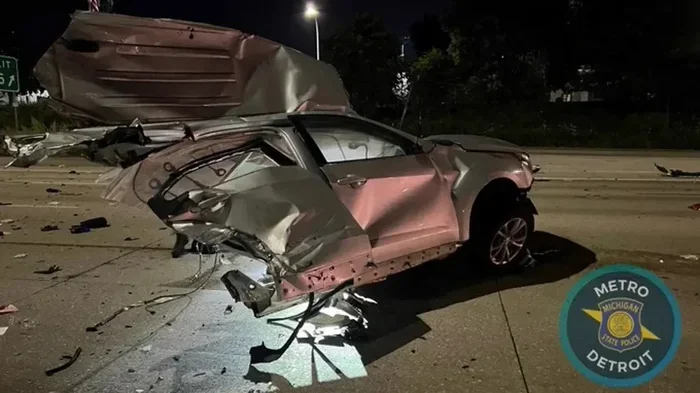
You are driving down a dark highway. Suddenly, your car slams into something. Your heart races. Your phone is across the seat. In that moment, you remember the red button on your dashboard. It is the SOS button. But what actually happens when you press it? Does someone really answer? Does help really come? These are questions every driver should know the answer to.
The SOS button in your car is one of the most important safety features you will ever have. Yet, many drivers never think about it until they need it. Understanding how this emergency response system works can make the difference between a quick rescue and a long, scary wait. Let us walk through everything you need to know about your car’s SOS feature.
Key Takeaways
- Instant Emergency Connection: The SOS button links you to live agents or emergency services within seconds.
- Automatic Crash Detection: Many modern systems detect accidents and trigger the SOS feature without you pressing anything.
- GPS Location Sharing: Your exact position is sent to responders, even if you cannot speak or describe your location.
- Wide Vehicle Coverage: Brands like OnStar, BMW Assist, Mercedes me, and Tesla all offer built-in emergency response systems.
- Beyond Emergencies: The SOS button also helps with flat tires, lockouts, towing, and medical issues on the road.
- Common Mistakes Exist: Accidental presses happen, and some drivers don’t know how to cancel or use the system properly.
- Know Your System: Reading your owner’s manual ensures you understand exactly how your specific car emergency button works.
📑 Table of Contents
What Is the SOS Button in a Car?
The SOS button is an emergency feature built into many modern vehicles. It connects you to a live agent, emergency services, or a roadside assistance team. The button is usually red and easy to find. You will often spot it on the overhead console, the steering wheel, or the center stack.
This car safety feature is part of a larger system called telematics. Telematics combines telecommunications and informatics. In simple terms, it means your car can send and receive data. When you hit the car emergency button, that data includes your GPS location, vehicle model, and sometimes even crash sensor readings.
Different car brands call this feature different names. General Motors uses OnStar. BMW has BMW Assist. Mercedes-Benz offers Mercedes me. Tesla has its own built-in emergency system. Ford uses SYNC with Alexa. But no matter the name, the purpose is the same. It gets you help fast.
Why Was the SOS Button Created?
The idea behind the SOS button came from a simple need. Drivers get into accidents. They get stranded. They get sick on the road. Before these systems existed, you had to find a phone, know your location, and describe where you were. That was not easy, especially on remote roads. The emergency SOS feature removes all of those problems. It does the work for you.
How Does the SOS Button Work?
The SOS button relies on a combination of hardware and software. Your car has a built-in modem, GPS receiver, and cellular connection. When you press the button, these components kick into action. Here is a step-by-step look at what happens behind the scenes.
Step 1: You Press the Button
The moment you press the SOS button, a signal is sent through your car’s cellular network. This is the same type of connection your phone uses, but it is built directly into the vehicle. The signal goes to a central emergency response center. These centers operate 24 hours a day, 7 days a week.
Step 2: Your Location Is Transmitted
Right after the signal is sent, your GPS location is transmitted. This is crucial. Even if you do not know where you are, the system does. It sends your exact coordinates to the response team. This means help can find you, even in areas with no cell phone signal or in unfamiliar locations.
Step 3: A Live Agent Connects With You
Within seconds, a live agent picks up the line. They can see your vehicle on a map. They know what type of car you have. They can see if your airbags deployed. The agent will ask you questions. Are you injured? Do you need police, fire, or medical help? The agent stays on the line with you until emergency services arrive.
Step 4: Help Is Dispatched
Based on the information you share, the agent dispatches the right help. This could be paramedics, police, a tow truck, or a roadside help team. Because your exact location is already known, responders do not waste time searching. This speed matters a lot in emergencies.
Step 5: Follow-Up and Support
After help arrives, the response center may follow up. They want to make sure you are okay. They also log the incident for your records. Some systems even send a summary to your emergency contact list if you have set one up.
What Happens When You Press the SOS Button in a Car?
Now let us get to the heart of the matter. What exactly happens when you press the SOS button? The answer depends on your vehicle and your situation. But here is a general breakdown of the sequence of events.
If You Are in a Serious Accident
Many modern cars have automatic crash response. This means the system can detect a severe collision. If your airbags deploy or your car experiences a sudden impact, the SOS feature may activate on its own. You do not even need to press the button. The car senses the crash and reaches out for help automatically.
The system sends your GPS location, the severity of the impact, and whether doors are open or locked. A live agent then tries to reach you through the car’s speakers and microphones. If you cannot respond, the agent dispatches emergency services to your last known location. This automatic accident detection is a game-changer.
If You Press the Button Manually
When you manually press the SOS button, you are telling the system you need help. The agent on the other end will ask what kind of help you need. Here are common reasons people use the SOS button:
- Medical emergency: You or a passenger feels chest pain, dizziness, or any serious symptom.
- Accident: You were in a crash and need police or paramedics.
- Breakdown: Your car stopped working and you are stranded.
- Flat tire: You need a roadside assistance team to change your tire.
- Lockout: You locked your keys inside the car.
- Feeling unsafe: You are in a dangerous area and need police sent to your location.
The agent will coordinate the right response based on your needs. This is why the SOS button is not just for life-threatening situations. It is for anything that puts you in danger or leaves you stuck.
What If You Press It by Accident?
Accidental presses happen more often than you might think. A stray elbow, a curious child, or a loose button can trigger the SOS feature. If this happens, stay calm. The agent will ask if everything is okay. Simply tell them you pressed the button by accident. They will end the call and log the incident. No police will be sent unless you indicate a real problem.
Some systems give you a short window to cancel. If you press the button and quickly realize it was a mistake, follow the prompts on your screen to cancel the request. Read your owner’s manual to learn how your specific vehicle handles accidental presses.
Which Cars Have SOS Emergency Features?
Not every car has a SOS button. But most new vehicles from major brands now include some form of emergency response system. Here is a look at the most popular systems.
OnStar (General Motors)
OnStar is one of the oldest and most well-known connected car technology systems. It has been around since 1996. GM vehicles including Chevrolet, Buick, GMC, and Cadillac come with OnStar. The system offers automatic crash response, roadside assistance, and vehicle diagnostics. You can also use it for navigation and internet connectivity.
BMW Assist
BMW vehicles come with BMW Assist. This telematics system includes automatic crash notification, emergency SOS, and concierge services. BMW Assist can also send vehicle diagnostics to service centers, helping mechanics prepare for your visit before you even arrive.
Mercedes me
Mercedes-Benz offers the Mercedes me system. It includes a car emergency button that connects you to Mercedes-Benz Emergency Care. The system provides automatic accident response, remote vehicle access, and concierge support. You can also use the Mercedes me app on your phone to trigger roadside help.
Tesla SOS
Tesla vehicles do not have a physical SOS button. Instead, the SOS feature is built into the touchscreen interface. You can access emergency services through the car’s built-in modem. Tesla also has automatic emergency calling, which activates after a collision. The car calls emergency services and shares your GPS location and crash data.
Ford SYNC with Alexa
Ford’s SYNC system includes emergency assistance features. With Alexa built in, you can voice-call for help. Ford also offers a roadside assistance plan that integrates with SYNC. The system can send your location to a service advisor or emergency services when needed.
| Brand | System Name | Auto Crash Detection | Roadside Help | Live Agent |
|---|---|---|---|---|
| Chevrolet | OnStar | Yes | Yes | Yes |
| BMW | BMW Assist | Yes | Yes | Yes |
| Mercedes-Benz | Mercedes me | Yes | Yes | Yes |
| Tesla | Built-in SOS | Yes | Yes | Yes |
| Ford | SYNC with Alexa | Yes | Yes | Yes |
| Toyota | Safety Connect | Yes | Yes | Yes |
| Honda | HondaLink | Yes | Yes | Yes |
As you can see, most major brands now offer emergency response systems. If you are buying a new car, this is one feature you should definitely check for. It is not a luxury. It is a necessity.
Common Mistakes People Make with the SOS Button
Even though the SOS button is designed to be simple, people still make mistakes. Here are the most common ones and how to avoid them.
Mistake 1: Not Reading the Owner’s Manual
Many drivers do not read the section about the SOS feature. They assume they will figure it out during an emergency. But emergencies are not the time to learn. Read your manual now. Know where the button is and how your specific system works.
Mistake 2: Ignoring Subscription Requirements
Some SOS systems require a paid subscription. OnStar, for example, offers a trial period. After that, you need an active plan. If your subscription has expired, the emergency SOS feature may not work. Check your subscription status regularly.
Mistake 3: Assuming the System Works Everywhere
Most connected car technology relies on cellular networks. If you are in a dead zone with no cell service, the SOS button may not be able to send your signal. This is rare but it does happen. Keep this in mind when driving in very remote areas.
Mistake 4: Not Setting Up Emergency Contacts
Many systems let you add emergency contacts. These are people who get notified when you use the SOS button. If you skip this setup, your loved ones will not know you are in trouble. Take five minutes to set this up in your car’s system or app.
Mistake 5: Pressing the Button for Non-Emergencies
The SOS button is for emergencies. Do not use it for minor inconveniences like wanting a restaurant recommendation or needing a ride to the airport. Misusing the system can overload emergency response centers and delay help for people who truly need it.
Mistake 6: Forgetting to Cancel an Accidental Press
If you accidentally press the car emergency button, cancel it immediately. Follow the on-screen prompts or tell the agent it was a mistake. This prevents unnecessary dispatches and keeps the system working smoothly for everyone.
Tips for Getting the Most Out of Your Car SOS Feature
The SOS button is a powerful tool. But like any tool, it works best when you use it correctly. Here are some practical tips to make sure you get the most from your emergency response system.
Keep Your System Updated
Car manufacturers release software updates for their telematics systems. These updates fix bugs and improve performance. Make sure your SOS feature is running the latest software. Check for updates through your car’s infotainment system or the companion app.
Test Your System Periodically
You do not need to call for help to test the system. Some brands offer a “test” or “check” mode. This lets you verify that your GPS location is accurate and your connection is working. Testing once every few months gives you peace of mind.
Know the Difference Between SOS and Roadside
Many systems offer two separate services. The SOS button connects you to emergency services for life-threatening situations. Roadside assistance helps with flat tires, lockouts, and towing. Know which service you need before you press the button. Using the wrong one can delay the right kind of help.
Keep Your Phone Charged as a Backup
While the SOS feature works through your car’s built-in modem, your phone is still a valuable backup. Keep your phone charged. Store important numbers in your phone. If your car’s system fails or you are in a vehicle without one, your phone is your lifeline.
Teach Your Passengers How It Works
If you have a teenage driver or often carry passengers, make sure they know where the SOS button is and how to use it. In an emergency, panic can set in fast. If everyone in the car knows the system, help will arrive faster.
Understand the Limitations
Connected car technology is impressive, but it has limits. The system depends on a cellular signal. It depends on the car’s battery being charged. It depends on the modem being active. Understand these limitations so you are not caught off guard.
Conclusion
The SOS button in your car is one of the most valuable safety features you will ever have. It connects you to emergency services, roadside assistance, and live agents who can guide you through difficult moments. Whether you are in a serious accident, stranded on the side of the road, or feeling unsafe, pressing that SOS button can change everything.
Understanding how the SOS feature works gives you confidence. It removes the fear of the unknown. You know that help is just a button press away. Your GPS location will be shared. Your emergency contacts will be notified. And a live agent will stay with you until the right help arrives.
Take the time to learn your specific system. Read the manual. Set up your emergency contacts. Check your subscription status. These small steps today could save your life tomorrow. The SOS button is not just a feature. It is a promise that help is always within reach.
Frequently Asked Questions
What happens if I press the SOS button by accident?
Nothing serious will happen. The agent on the other end will ask if everything is okay. Simply tell them it was an accidental press and they will end the call. No emergency services will be dispatched unless you indicate a real problem. Always cancel the request on-screen if your system gives you the option.
Does the SOS button work if I have no cell phone signal?
It depends on your vehicle’s system. Most SOS features rely on a built-in cellular modem, which works differently from your phone. However, if you are in a complete dead zone, the signal may not go through. This is rare but possible. Keeping your phone as a backup is always a smart idea.
Do I need a subscription for the SOS button to work?
Some brands require an active subscription for full SOS functionality. For example, OnStar and BMW Assist offer trial periods that expire after a set time. Check your vehicle’s subscription status regularly to make sure your emergency response system is active.
Can I use the SOS button for non-emergency roadside help?
Yes, in many cases. The SOS button can connect you to roadside assistance for flat tires, lockouts, and towing. However, some systems distinguish between emergency SOS and roadside help. Check your owner’s manual to understand how your specific vehicle handles different types of requests.
Does every new car come with an SOS button?
Most new cars from major brands now include some form of emergency SOS feature. Systems like OnStar, BMW Assist, Mercedes me, and Toyota Safety Connect are standard or optional on most new models. However, not every vehicle has one, especially older or budget models. Always check before buying.
How fast does help arrive after I press the SOS button?
Response times vary depending on your location and the nature of the emergency. In most cases, a live agent connects within 30 seconds to a minute. Emergency services are dispatched immediately after the agent assesses your situation. Your GPS location helps responders reach you as quickly as possible.
=== CONCLUSION ===
The SOS button is a life-saving car safety feature that every driver should understand. It uses connected car technology and telematics to send your GPS location, vehicle data, and emergency details to trained agents. From automatic crash response to roadside assistance, this feature covers a wide range of situations. Take a few minutes today to learn how your specific SOS feature works. Set up your emergency contacts. Check your subscription. These simple steps can give you real peace of mind on every drive.