What Happens to a Car After It Reaches 200K Miles
What happens to a car after 200K miles? At this milestone, major systems like the engine, transmission, and suspension show significant wear. Regular preventive maintenance can extend a vehicle’s life well beyond 200K miles. Understanding what to expect helps owners plan repairs, maintain value, and keep their car running safely for years to come.
You hit 200K miles. That is a big deal. Whether you own the car or are thinking about buying one, this milestone changes everything. A vehicle at 200K miles has lived a full life. It has endured thousands of trips to the grocery store, long road trips, and endless hours on the highway. At this point, the question everyone asks is simple: what happens next?
The truth is, a car after 200K miles is a completely different machine than when it rolled off the lot. Systems wear down. Parts fail more often. And the cost of ownership goes up. But here is the good news. With the right car maintenance after 200k routine, many vehicles keep running strong for another 50,000 or even 100,000 miles. Understanding what to expect is the first step toward making smart decisions.
In this guide, we break down exactly what happens to every major system in a car after 200K miles. We cover engine health, transmission problems, suspension wear, electrical gremlins, and body condition. We also answer the big question: is a 200K mile car still worth owning or buying? Let us get into it.
Key Takeaways
- Engine Wear Is Real: After 200K miles, internal components like piston rings and valve seals naturally degrade and may need attention.
- Transmission Matters Most: The transmission is one of the most expensive systems to repair on a high mileage car.
- Suspension and Brakes Need Frequent Checks: Shocks, struts, brake pads, and rotors wear out faster as mileage climbs.
- Electrical Issues Increase: Wiring, sensors, and modules become more prone to failure in older, high-mileage vehicles.
- Rust and Body Deterioration: Exposure over time leads to corrosion, especially on the undercarriage and wheel wells.
- A 200K Mile Car Can Still Be Worth It: With proper care, a well-maintained vehicle can easily surpass 250K or even 300K miles.
📑 Table of Contents
- What Happens to the Engine After 200K Miles
- Transmission and Drivetrain Wear After 200K Miles
- Suspension, Brakes, and Steering After 200K Miles
- Electrical and Interior Systems on a High Mileage Car
- Rust, Exhaust, and Body Condition
- Is a 200K Mile Car Still Worth Buying or Keeping?
- Maintenance Tips to Extend Your Car Beyond 200K Miles
- Common Mistakes People Make With High Mileage Cars
- Expert Insights on Vehicle Longevity
- Key Takeaways
- Conclusion
What Happens to the Engine After 200K Miles
The engine is the heart of any vehicle. After 200K miles, that heart has pumped millions of cycles of fuel and air. Over time, internal components naturally wear down. This is simply the reality of vehicle longevity. Understanding engine wear helps you catch problems early before they become expensive disasters.
Internal Component Wear
After hundreds of thousands of miles, several engine parts begin to degrade. Piston rings lose their tension. Valve seals become brittle. Cylinder walls develop micro-scoring. These issues lead to one common symptom: oil consumption. If you notice your car burning oil more frequently, worn internal components are likely the cause.
Another common issue is reduced compression. The engine may feel sluggish or lose power during acceleration. This happens because the seals and gaskets that keep combustion pressure contained are no longer perfect. A compression test at your mechanic can reveal exactly how your engine is holding up.
Timing Belt and Chain Concerns
The timing belt or chain is critical to engine operation. After 200K miles, a timing belt is well past its recommended replacement interval. If your car uses a timing belt and you never replaced it, this is a ticking time bomb. A broken timing belt can cause catastrophic engine damage in an instant.
Timing chains are more durable, but they stretch over time. A stretched chain causes rough idling, rattling noises, and poor engine performance. Replacing a timing chain is expensive, but it is far cheaper than rebuilding a wrecked engine.
Cooling System Degradation
The cooling system works overtime over 200K miles. The water pump, thermostat, radiator, and hoses all degrade with age. A failing water pump can cause the engine to overheat. Coolant leaks become more common as seals harden and crack. A coolant flush every 30,000 to 50,000 miles is essential for keeping the engine at a safe temperature.
One quick tip: never ignore the temperature gauge. If it reads hotter than normal, pull over safely and check your coolant level. Overheating even once can cause permanent engine damage.
Transmission and Drivetrain Wear After 200K Miles
If the engine is the heart, the transmission is the nervous system. It controls every shift, every gear change, and every bit of power that reaches the wheels. After 200K miles, the transmission takes a serious beating. This is often the most expensive repair on a high mileage car.
Automatic Transmission Problems
Automatic transmissions rely on thousands of moving parts. Clutch packs wear thin. Valve bodies develop grooves. Transmission fluid breaks down over time and loses its lubricating properties. After 200K miles, you may notice slipping gears, delayed shifting, or rough transitions between gears.
The key to avoiding a transmission rebuild is fluid maintenance. Change your transmission fluid every 60,000 to 80,000 miles. Use the type of fluid recommended by your manufacturer. This simple habit can add tens of thousands of miles to your transmission life.
Manual Transmission Challenges
Manual transmissions are generally more durable, but they are not immune to wear. The clutch disc wears down over time, especially if the driver rides the clutch. Synchros wear, making it harder to shift smoothly. A worn clutch will slip under load, reducing power and fuel efficiency.
Replacing a clutch is labor-intensive, but it is usually less expensive than rebuilding an automatic transmission. The key is to replace the clutch before it fails completely, which can damage the flywheel and add to the repair bill.
Drivetrain and Differential Wear
The drivetrain transfers power from the transmission to the wheels. After 200K miles, U-joints, CV joints, and differential gears all show wear. You might hear clicking noises during turns, which often signals worn CV joints. Differential fluid should be changed regularly to keep gears meshing smoothly.
Ignoring drivetrain symptoms leads to bigger problems. A failed CV joint can leave you stranded. A worn differential can cause uneven tire wear and reduced handling. Stay on top of drivetrain maintenance to avoid costly breakdowns.
Suspension, Brakes, and Steering After 200K Miles
Your car rides on its suspension system every single day. It absorbs bumps, maintains tire contact, and keeps you in control. After 200K miles, the suspension has taken a pounding. Brakes wear down. Steering components loosen. Understanding these issues helps you stay safe on the road.
Shocks and Struts
Shocks and struts are wear items. They do not last forever. After 200K miles, most shock absorbers are well past their useful life. Worn shocks cause a bouncy ride, poor handling, and increased tire wear. If your car bounces more than once after pressing down on the hood, it is time for new shocks.
Replacing shocks and struts is one of the most important preventive maintenance steps you can take. New suspension components dramatically improve ride quality, handling, and safety. They also protect your tires, which are expensive to replace.
Brake System Degradation
Brake pads, rotors, calipers, and brake lines all wear over 200K miles. Brake pads are the most frequently replaced component on any vehicle. After 200K miles, you have likely gone through several sets. Rotors warp and thin over time. Calipers can seize, causing uneven braking.
Watch for warning signs like squealing, grinding, or a spongy brake pedal. These indicate your brakes need immediate attention. Neglecting brake maintenance is dangerous and can lead to complete brake failure.
Steering System Wear
Steering racks, tie rods, and ball joints all wear with mileage. Loose steering feels vague or sloppy. You might notice clunking noises when turning the wheel. Worn tie rods are a safety hazard because they affect wheel alignment and tire contact.
A wheel alignment should be checked at least once a year on a high-mileage vehicle. Proper alignment reduces tire wear, improves fuel economy, and keeps the car tracking straight. It is a small investment that pays big dividends.
Electrical and Interior Systems on a High Mileage Car
Modern vehicles are packed with electronics. After 200K miles, electrical issues become increasingly common. These problems range from minor annoyances to serious safety concerns.
Sensor and Module Failures
Cars today rely on dozens of sensors. The oxygen sensor, mass airflow sensor, crankshaft position sensor, and camshaft sensor all wear over time. A failing sensor triggers check engine lights and reduces fuel efficiency. After 200K miles, sensor replacements are routine maintenance, not emergencies.
Engine control modules and transmission control modules can also fail. These repairs are expensive, often costing hundreds of dollars. However, many module failures are caused by simple issues like corroded connectors or water intrusion. A thorough inspection can sometimes save you from a full module replacement.
Interior Wear and Tear
The interior of a 200K mile car tells a story. Seats fade and crack. Dashboard plastics become brittle. Electrical windows, locks, and mirrors become intermittent. The carpet shows stains and wear patterns from years of use.
Some interior issues are cosmetic, but others affect safety and function. A failing power window motor or a broken seat adjustment motor may seem minor, but they add up. Budget for interior repairs as part of your overall car maintenance after 200k plan.
Battery and Charging System
The battery is the heart of the electrical system. After years of use, batteries lose their ability to hold a charge. The alternator works harder to compensate, and its brushes and diodes wear out over time. A weak charging system causes dim lights, slow cranking, and electrical gremlins.
Replace your battery every 3 to 5 years regardless of mileage. Have your alternator tested during every oil change. These simple steps prevent unexpected breakdowns and keep your electrical systems running properly.
Rust, Exhaust, and Body Condition
Time and mileage take a toll on the body and undercarriage. Rust and corrosion are the silent killers of high mileage cars. Understanding body condition helps you assess the true health of a vehicle.
Undercarriage Corrosion
The undercarriage takes the worst beating. Road salt, moisture, and debris attack metal surfaces constantly. After 200K miles, the frame, exhaust, and suspension components may show signs of rust. Frame rust is the most serious concern because it compromises structural integrity.
Have your mechanic inspect the undercarriage during every oil change. Look for holes, bubbling paint, or flaking metal on the frame and exhaust. Surface rust can be treated, but structural rust requires expensive repairs or renders the car unsafe.
Exhaust System Wear
The exhaust system handles hot, corrosive gases every time you drive. Mufflers, catalytic converters, exhaust pipes, and flex joints all degrade over 200K miles. Rust holes develop in the muffler and pipes. The catalytic converter can clog or fail.
A failing catalytic converter is expensive to replace, but a rusted-out muffler is a relatively simple fix. Listen for loud exhaust noises or a rattling sound from underneath the car. These are signs your exhaust system needs attention.
Body Panel and Paint Condition
Paint protects the metal beneath it. After 200K miles, chips and scratches expose bare metal to moisture. Rust spots develop quickly if left untreated. Small rust spots can be drilled out and filled, but large rust areas require panel replacement.
Keeping the paint sealed with wax and addressing chips promptly prevents rust from spreading. This is one of the cheapest ways to protect the long-term value of your vehicle.
Is a 200K Mile Car Still Worth Buying or Keeping?
This is the question most people want answered. The honest answer is: it depends. A 200K mile car can be a fantastic purchase or a money pit. The difference comes down to maintenance history, vehicle condition, and your budget.
Factors That Make a High Mileage Car Worth It
Certain vehicles are built to last. Brands like Toyota, Honda, and Lexus have models that routinely pass 200K miles with minimal issues. A well-documented maintenance schedule is the biggest indicator of a healthy car. If the previous owner changed oil regularly, flushed fluids on time, and addressed problems promptly, the car has a good chance of continuing for many more miles.
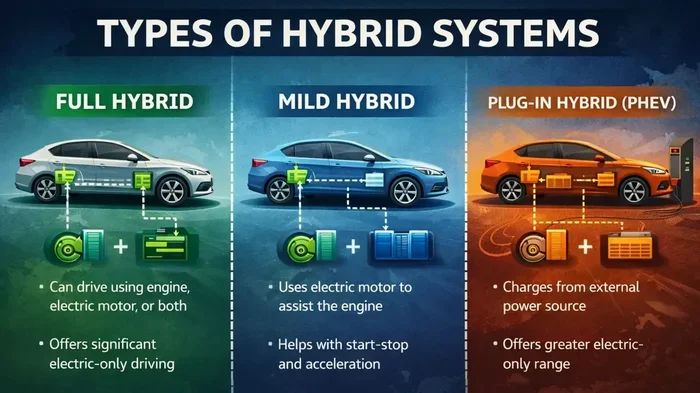
Fuel type matters too. Diesel engines often last significantly longer than gasoline engines. Many diesel vehicles comfortably exceed 300K miles with proper care. The drivetrain also plays a role. A simple, straightforward engine with accessible parts is much easier and cheaper to maintain than a complex turbocharged or hybrid system.
When a 200K Mile Car Becomes a Money Pit
Not all high-mileage cars are created equal. A vehicle with a neglected maintenance history is a gamble. If the timing belt was never replaced, the transmission fluid was never changed, or the cooling system was ignored, major repairs are likely imminent.
Also consider the car resale value and car depreciation curve. Most vehicles lose significant value after 200K miles. If you are buying, you need to factor in upcoming repair costs. If you are selling, understand that buyers will negotiate hard on price. The key is to price the car fairly based on its condition, not its mileage alone.
The Cost of Ownership at 200K Miles
Owning a car past 200K miles costs more than owning a newer vehicle. Repair bills increase. Parts become harder to find. You may need to visit the mechanic more frequently. However, these costs are often still lower than car payments on a new vehicle. The key is budgeting for repairs and staying on top of preventive maintenance.
One practical tip: set aside a monthly repair fund. Even $100 per month adds up quickly and gives you a cushion for unexpected repairs. This simple habit prevents financial stress and keeps your car on the road.
Maintenance Tips to Extend Your Car Beyond 200K Miles
If you want your car to keep running past 200K miles, a proactive approach is essential. Here are the most important steps to follow:
- Follow the maintenance schedule strictly. Do not skip oil changes, fluid flushes, or filter replacements. Every service interval exists for a reason.
- Use quality parts and fluids. Cheap parts fail faster and cause cascading problems. Invest in OEM or premium aftermarket components.
- Address small problems immediately. A small leak today becomes a major repair next month. Fix issues early to save money and prevent breakdowns.
- Keep detailed records. A service history builds trust with future buyers and helps your mechanic diagnose problems faster.
- Drive gently. Avoid aggressive acceleration and hard braking. Smooth driving reduces wear on the engine, transmission, and brakes.
- Store the car properly. Park in a garage when possible. Exposure to sun, rain, and temperature extremes accelerates wear on paint, seals, and rubber components.
These habits seem simple, but they make a massive difference over 200K miles and beyond. The cars that last the longest are not always the most expensive ones. They are the ones that were cared for consistently.
Common Mistakes People Make With High Mileage Cars
Avoiding common mistakes can save you thousands of dollars and extend your vehicle’s life significantly.
- Ignoring the check engine light. Even a minor sensor issue can reduce fuel efficiency and lead to bigger problems if left unchecked.
- Skipping oil changes. Dirty oil loses its lubricating properties and accelerates engine wear. This is the fastest way to kill an engine.
- Neglecting fluid flushes. Transmission fluid, coolant, and brake fluid all degrade over time. Flushing and replacing them on schedule prevents costly repairs.
- Driving on worn tires. Bald tires reduce traction, increase stopping distance, and wear out suspension components faster.
- Overlooking small leaks. Oil leaks, coolant leaks, and brake fluid leaks all worsen over time. A small drip today can become a major failure tomorrow.
These mistakes are easy to avoid with a little attention and discipline. Staying ahead of problems is always cheaper than reacting to them.
Expert Insights on Vehicle Longevity
Automotive experts agree that mileage alone does not determine a car’s health. The real factor is how the car was maintained. A well-cared-for 200K mile car is often in better shape than a neglected 100K mile car. This is a crucial insight for anyone shopping for used vehicles.
Mechanics with decades of experience emphasize one principle: preventive maintenance pays for itself. Every dollar spent on regular service saves multiple dollars in future repairs. The cars that reach 300K miles are not lucky. They are well-maintained.
Another expert tip: pay attention to how the car was driven. A highway-driven car with 200K miles often has less wear than a city-driven car with 100K miles. Stop-and-go traffic is harder on engines, transmissions, and brakes than steady highway cruising. When evaluating a high-mileage car, always ask about the driving conditions.
Key Takeaways
- Engine wear is natural at 200K miles: Piston rings, valve seals, and gaskets degrade, leading to increased oil consumption and reduced compression.
- Transmission health is critical: Regular fluid changes can prevent the most expensive repair on a high-mileage vehicle.
- Suspension and brakes need frequent attention: Shocks, brake pads, and steering components wear out faster as mileage climbs.
- Electrical issues increase with age: Sensors, modules, and wiring become more prone to failure after 200K miles.
- Rust and body corrosion are real threats: Regular undercarriage inspections help catch rust before it becomes structural.
- A 200K mile car can still be worth it: With proper care and a solid maintenance history, vehicles can easily surpass 300K miles.
- Preventive maintenance is the key: Consistent, timely service is the single biggest factor in vehicle longevity.
Conclusion
What happens to a car after 200K miles? A lot. Every major system shows its age. The engine, transmission, suspension, brakes, and electrical systems all require more attention and more frequent repairs. But here is the most important takeaway: a high mileage car does not have to be a problem car.
The difference between a car that dies at 200K miles and one that reaches 300K or beyond comes down to maintenance. A vehicle with a clean service history, fresh fluids, and well-maintained components can keep running for years. The key is knowing what to expect and staying ahead of problems before they become expensive emergencies.
Whether you own a 200K mile car or are considering buying one, the information in this guide gives you a clear picture of what lies ahead. Budget for repairs, stay on top of preventive maintenance, and drive with awareness. A car at 200K miles has earned its place on the road. With the right care, it has plenty of miles left to go.
Do not fear the 200K milestone. Respect it. Plan for it. And keep your car in the best possible shape. That is how you turn a high-mileage vehicle into a reliable, long-lasting machine that serves you well for years to come.
Frequently Asked Questions
Is a car with 200K miles still reliable?
A car with 200K miles can be very reliable if it has been well-maintained. Brands like Toyota and Honda are known for lasting well beyond 200K miles. The maintenance history matters more than the number on the odometer.
What is the most common repair needed after 200K miles?
The most common expensive repair is transmission failure. Other frequent issues include engine oil leaks, worn suspension components, and electrical sensor failures. Regular fluid changes help prevent many of these problems.
How much does it cost to maintain a car after 200K miles?
Maintenance costs increase after 200K miles, typically ranging from $1,000 to $3,000 per year depending on the vehicle and its condition. Setting aside a monthly repair fund helps manage these costs without stress.
Should I buy a used car with 200K miles?
It depends on the vehicle’s maintenance history and overall condition. A well-documented service record and a pre-purchase inspection are essential. A 200K mile car with full maintenance records can be a smart, cost-effective purchase.
Can a car last 300K miles?
Yes, many cars can last 300K miles or more with proper care. Consistent maintenance, gentle driving habits, and addressing small problems early are the keys to reaching this milestone.
What should I do first when my car hits 200K miles?
Start with a comprehensive inspection from a trusted mechanic. Check the engine, transmission, brakes, suspension, and electrical systems. Create a repair and maintenance plan based on the inspection results to stay ahead of future issues.