What Happens If You Overfill Your Engine Oil Too Much
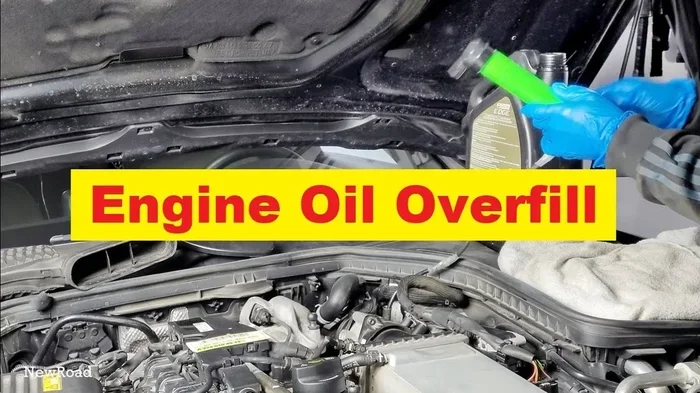
Overfilling your engine oil can cause serious damage to your car’s engine, from oil foaming and pressure buildup to blown head gaskets and catalytic converter failure. When you add too much oil, the crankcase can’t handle the extra volume, leading to blue smoke, oil leaks, and reduced engine performance. This guide covers the symptoms of overfilling, the damage it causes, and how to fix and prevent it.
Engine oil is the lifeblood of your vehicle. It keeps every moving part lubricated, reduces friction, and helps regulate engine temperature. But what happens when you add too much? Many car owners don’t realize that overfilling engine oil can be just as dangerous as running low. In this guide, we’ll walk you through exactly what happens when you overfill your engine, the warning signs to watch for, and how to fix the problem before it causes expensive damage.
Whether you just changed your oil at home or visited a quick-lube shop, too much oil is a real risk. The good news is that catching the problem early can save you from serious engine trouble. Let’s dive into the details of too much oil in engine and what you need to know to keep your car running smoothly.
Key Takeaways
- Overfilling engine oil creates excess pressure that can damage seals, gaskets, and internal engine components.
- Blue smoke from the exhaust is one of the most common signs that you have too much oil in your engine.
- Oil foaming reduces lubrication, which can cause overheating and accelerated wear on engine parts.
- Dipstick readings should be checked regularly to ensure your oil level sits between the minimum and maximum marks.
- Fixing an overfilled engine is usually simple — drain the excess oil or have a mechanic do it for you.
- Prevention is easy — add oil in small amounts and check the level frequently with the dipstick.
📑 Table of Contents
- What Happens When You Overfill Engine Oil
- Symptoms of Too Much Oil in Your Engine
- How Much Oil Does Your Engine Actually Need
- How to Fix an Overfilled Engine
- Common Mistakes That Lead to Overfilling
- Can You Still Drive With Overfilled Oil
- How to Prevent Overfilling in the Future
- Expert Insights on Oil Overfill Damage
- Key Takeaways
- Conclusion
What Happens When You Overfill Engine Oil
When you pour more oil into your engine than it needs, the crankcase becomes overfull. This creates a chain of problems that can affect everything from oil pressure to engine performance. Here is a closer look at what goes wrong inside your engine when the oil level is too high.
Increased Crankcase Pressure
The crankcase sits at the bottom of your engine and holds the oil. When the oil level rises above the recommended amount, the spinning crankshaft starts churning through the excess oil. This creates foam and increases pressure inside the crankcase. Over time, that extra pressure pushes past seals and gaskets, causing leaks. You might notice oil dripping from underneath your car or around engine joints.
Increased crankcase pressure also forces oil into places it should never go, like the combustion chamber. This leads to blue smoke from the exhaust and poor engine performance. If you ignore the problem, the pressure can eventually cause serious internal damage.
Oil Foaming and Loss of Lubrication
One of the biggest dangers of overfilling is oil foaming. When the crankshaft spins rapidly in too much oil, it whips the oil into a froth, similar to how a blender works. Foamed oil loses its ability to lubricate engine components properly. Instead of forming a smooth protective layer, the bubbly foam compresses and collapses under pressure.
This means metal parts are rubbing against each other without proper lubrication. The result is increased friction, heat buildup, and accelerated wear on bearings, camshafts, and other critical components. Over time, this can lead to expensive repairs or even engine failure. Oil foaming is one of the most overlooked consequences of overfilling.
Damage to the Catalytic Converter
When excess oil enters the combustion chamber, it burns along with the fuel. This creates thick, blue-tinged exhaust smoke that flows into your exhaust system. The catalytic converter is designed to clean exhaust gases, but it cannot handle burning oil. Over time, the oil residue clogs the converter and reduces its efficiency.
A clogged catalytic converter leads to poor fuel economy, reduced engine power, and eventually a check engine light. Replacing a catalytic converter is one of the most expensive repairs on any vehicle. This is why it is so important to address engine oil overfill as soon as you notice the symptoms.
Blown Head Gasket and Seal Failure
The extra pressure from overfilled oil puts stress on every seal and gasket in your engine. The head gasket sits between the engine block and the cylinder head. When pressure builds up from excess oil, it can cause the head gasket to fail. A blown head gasket is a serious and costly repair that can lead to coolant mixing with oil, white smoke from the exhaust, and engine overheating.
Seal failure around the crankshaft and valve cover is also common. These seals are not designed to handle the extra push of overfull oil. Once they fail, oil leaks become persistent and messy. In worst-case scenarios, the pressure can even crack engine blocks or warp cylinder heads.
Symptoms of Too Much Oil in Your Engine
Knowing the warning signs of overfilled oil can help you catch the problem early. Here are the most common symptoms to watch for:
Blue or White Smoke from the Exhaust
This is the most visible sign that something is wrong with your oil level. Blue smoke means oil is burning in the combustion chamber. White smoke can also appear if oil is mixing with coolant due to a failing seal or gasket. If you notice any unusual exhaust smoke, check your oil level immediately.
Oil Leaks Under the Vehicle
Excess oil pressure pushes past seals and gaskets, which leads to leaks. You might see oil spots on your driveway or garage floor. Oil leaks from overfilling often appear around the oil pan gasket, valve cover gasket, and crankshaft seals.
Unusual Engine Noises
Foamed oil does not lubricate properly. This can cause knocking, ticking, or rattling sounds from the engine. If you hear new or unusual noises after an oil change, the oil level might be the culprit.
Oil Pressure Warning Light
Some vehicles have an oil pressure warning light on the dashboard. Overfilling can cause erratic oil pressure readings, which triggers this light. Do not ignore it — pull over safely and check your oil level.
Reduced Engine Performance
Too much oil creates drag inside the engine. The crankshaft has to push through the excess liquid, which reduces efficiency. You might notice sluggish acceleration, rough idling, or a general decrease in engine power.
How Much Oil Does Your Engine Actually Need
Every engine has a specific oil capacity. This is the total amount of oil the crankcase can hold when the level is correct. To find your engine’s capacity, check your owner’s manual. The oil capacity is usually listed in quarts or liters.
When you add oil, always use the dipstick to check the level. The dipstick has two marks — a minimum line and a maximum line. Your oil level should sit between these two marks. Never pour oil until the dipstick hits the maximum line. Adding oil to just below the max mark gives you a safe buffer.
If you are unsure how much oil to add, start with a small amount. Add a quarter of a quart at a time, then recheck with the dipstick. This slow approach prevents overfilling and gives you better control. Many people make the mistake of dumping a whole quart in at once, which often leads to an overfilled crankcase.
Oil Capacity by Common Engine Types
- Small 4-cylinder engines: Typically 4 to 5 quarts
- Medium 6-cylinder engines: Typically 5 to 6 quarts
- Large V8 engines: Typically 6 to 8 quarts
- Diesel engines: Typically 8 to 12 quarts
These numbers are general guidelines. Always refer to your specific vehicle’s manual for the exact oil capacity. Using the correct amount of oil is one of the simplest ways to protect your engine.
How to Fix an Overfilled Engine
If you discover that you have overfilled your engine, do not panic. The fix is usually straightforward. Here is what you can do:
Step 1: Check the Oil Level with a Dipstick
First, park your car on a level surface and wait a few minutes for the oil to settle. Pull the dipstick, wipe it clean, reinsert it, and pull it out again. Read the level and compare it to the minimum and maximum marks. If the level is above the maximum line, you have too much oil.
Step 2: Drain the Excess Oil
If the oil level is significantly over the max mark, you will need to drain some oil out. You can do this yourself by placing a drain pan under the oil drain plug and removing just enough oil to bring the level down. Alternatively, you can use a suction pump through the dipstick tube to remove excess oil. Many auto parts stores sell affordable suction pumps for this exact purpose.
If you are not comfortable doing this yourself, take your car to a mechanic or quick-lube shop. Most technicians can drain the excess oil quickly and at a low cost. Can I add oil to my car if it is low? Absolutely — but the reverse is also true. You can remove oil if you added too much.
Step 3: Check for Damage
After draining the excess oil, run the engine for a few minutes and check for leaks. Listen for unusual noises and watch the exhaust for smoke. If everything looks normal, you are likely in good shape. However, if you drove for a long time with overfilled oil, it is a good idea to have a mechanic inspect the engine for any hidden damage.
Step 4: Monitor Oil Levels Going Forward
Make it a habit to check your oil level at least once a month. Regular checks help you catch problems early and keep your engine in top shape. Can low oil cause engine overheating? Yes, and overfilling can cause similar problems. Keeping your oil at the correct level is one of the most important parts of engine maintenance.
Common Mistakes That Lead to Overfilling
Understanding how overfilling happens in the first place can help you avoid it in the future. Here are the most common mistakes car owners make:
- Adding oil without checking the level first: Many people pour oil based on a guess rather than using the dipstick. Always check before you add.
- Pouring too fast: Dumping a large amount of oil quickly makes it hard to control the level. Add oil slowly and in small amounts.
- Ignoring the dipstick markings: The min and max lines on your dipstick are there for a reason. Never exceed the max line.
- Assuming the oil change shop did it right: Even professional shops can make mistakes. Always verify your oil level after an oil change.
- Not accounting for oil filter capacity: Some oil stays in the old oil filter when you replace it. This extra oil adds to the total volume in the system.
By avoiding these common mistakes, you can keep your oil level where it belongs and protect your engine from unnecessary wear and damage.
Can You Still Drive With Overfilled Oil
The short answer is yes, but only for a short distance and at low speeds. If your oil level is just slightly above the maximum line, you can drive carefully to a nearby shop or home to drain the excess. However, if the oil level is significantly overfilled, driving for a long distance can cause serious damage.
The extra oil creates more drag and pressure as the crankshaft spins. At highway speeds, this pressure increases dramatically. The risk of oil foaming, seal failure, and catalytic converter damage goes up the longer you drive with too much oil. If you notice any symptoms like blue smoke, oil leaks, or unusual engine noises, pull over and check your oil level right away.
For long trips or daily commuting, it is best to fix the oil level before driving. If you are unsure whether your oil level is safe, can you run diagnostics without a check engine light? Yes, and doing so can help identify pressure issues or sensor warnings related to overfilling.
How to Prevent Overfilling in the Future
Prevention is always better than cure when it comes to engine oil. Here are some simple tips to keep your oil level just right:
- Use the dipstick every time: Never add oil without checking the current level first.
- Add oil in small increments: A quarter quart at a time is the safest approach.
- Wait between checks: After adding oil, wait a minute for it to settle, then recheck the level.
- Keep records: Track how much oil you add each time. This helps you spot patterns and avoid overfilling.
- Get professional help if needed: If you are not comfortable checking or adding oil yourself, visit a trusted mechanic or quick-lube service.
Regular engine maintenance includes not just oil changes but also monitoring oil levels between services. Taking a few extra minutes to check your dipstick can save you hundreds of dollars in repairs down the road.
Expert Insights on Oil Overfill Damage
Experienced mechanics see the damage caused by overfilled oil more often than most car owners realize. According to automotive professionals, the most common type of damage from overfilling is crankshaft bearing wear. When the crankshaft spins in foamed oil, the protective oil film breaks down. Metal-on-metal contact accelerates wear on the bearings, which are expensive to replace.
Another expert tip is to always replace the oil filter when you change your oil. A clogged or old filter can hold excess oil that contributes to overfilling. If you are wondering, do oil filters really last 10 oil changes? Most manufacturers recommend replacing the filter with every oil change to ensure proper oil flow and prevent buildup.
Some mechanics also recommend checking the oil pressure sensor after an overfill incident. The extra oil can affect sensor readings and trigger false warnings. A quick diagnostic check can confirm whether the sensor is working correctly or needs replacement.
Finally, if you have ever wondered about the relationship between oil levels and other engine systems, consider this: can low oil cause engine overheating? Absolutely. And while overfilling does not cause overheating in the same way, it does create its own set of heat-related problems through friction from poorly lubricated components.
Key Takeaways
- Overfilling engine oil creates excess crankcase pressure that can blow seals, gaskets, and cause leaks.
- Oil foaming from overfilling destroys lubrication and accelerates engine wear on bearings and camshafts.
- Blue exhaust smoke is the #1 visible symptom of too much oil entering the combustion chamber.
- Always use the dipstick to verify oil level is between the min and max marks — never exceed max.
- Fix overfilling immediately by draining excess oil or visiting a mechanic to prevent costly damage.
- Add oil in small amounts (quarter-quart increments) to maintain precise control over the oil level.
Conclusion
Overfilling your engine oil is a surprisingly common mistake, but the consequences can be severe. From oil foaming and crankcase pressure buildup to blown head gaskets and catalytic converter damage, too much oil puts your engine at serious risk. The good news is that catching the problem early and fixing it quickly can prevent most of these issues.
Make it a habit to check your oil level regularly, add oil in small amounts, and never ignore the warning signs like blue smoke or oil leaks. Your engine works hard for you every day — give it the right amount of oil to keep it running strong for years to come. Whether you handle oil changes yourself or visit a dealership or quick-lube shop, staying on top of your oil level is one of the best things you can do for your vehicle.
Remember, engine maintenance is not just about how often you change the oil. It is also about getting the level right every single time. A few extra minutes with a dipstick can save you from thousands of dollars in engine repairs. Take care of your engine, and it will take care of you.
Frequently Asked Questions
What are the first signs of overfilled engine oil?
The first signs are usually blue or white smoke from the exhaust, oil leaks under the vehicle, and unusual engine noises like knocking or ticking. You might also notice reduced engine performance or an oil pressure warning light on your dashboard. If you see any of these symptoms after an oil change, check your oil level right away.
Can overfilling oil damage the engine?
Yes, overfilling oil can cause serious engine damage. Excess oil creates extra pressure in the crankcase, which leads to oil foaming, seal failure, and bearing wear. In severe cases, overfilling can blow the head gasket or clog the catalytic converter. These repairs can be very expensive, which is why it is important to fix the problem as soon as you notice it.
How do I know if my oil level is too high?
The easiest way to check is with the dipstick. Park your car on a level surface, wait a few minutes for the oil to settle, and pull the dipstick. The oil level should be between the minimum and maximum marks. If it is above the maximum line, you have too much oil and need to drain some out.
Is it safe to drive with too much oil in the engine?
Driving a short distance with slightly overfilled oil is usually okay, but it is not recommended for long trips or daily driving. The extra oil creates more pressure and friction, which can damage seals, gaskets, and engine bearings over time. If your oil is significantly overfilled, drain the excess before driving.
How much does it cost to fix an overfilled engine?
If caught early, fixing an overfilled engine is usually inexpensive. Draining excess oil at a quick-lube shop or mechanic typically costs between $50 and $100. However, if overfilling has caused damage like a blown head gasket or catalytic converter failure, repair costs can range from several hundred to several thousand dollars. This is why early detection is so important.
Can I just drain some oil myself to fix the overfill?
Yes, you can drain excess oil yourself if you have the right tools. You will need a drain pan, a wrench to remove the drain plug, and a safe place to work under your car. Alternatively, you can use a suction pump through the dipstick tube to remove oil without getting under the vehicle. If you are not comfortable doing either, a mechanic can handle it quickly and affordably.