What Happens If I Dont Reset My Dashboard Warning Light
Ignoring your dashboard warning light can lead to serious engine damage, costly repairs, and safety risks on the road. Many drivers assume the light will go away on its own, but that is rarely the case. This guide explains exactly what happens if you dont reset your dashboard warning light and how to avoid common mistakes.
You are driving down the road. Everything feels fine. Then you glance at the dash and see a light staring back at you. Maybe it is the check engine light. Maybe it is the wrench icon or the oil can symbol. Your first thought might be to ignore it. But what happens if you dont reset that light? The answer might surprise you.
Dashboard warning lights are not just annoying little icons. They are your cars way of communicating with you. Each light signals something specific about your vehicles health. Some are minor reminders. Others are urgent warnings that demand immediate action. In this article, we will walk you through exactly what happens when you ignore these alerts and why resetting them the right way matters.
Whether you have a maintenance required light or a flashing red engine warning, understanding what these lights mean can save you hundreds or even thousands of dollars. Let us break it all down.
Key Takeaways
- Ignoring warning lights can cause major engine damage: Small problems become big expensive repairs fast.
- Resetting the light is not the same as fixing the problem: You must address the root cause first.
- Some warning lights are more urgent than others: Red lights need immediate attention while yellow ones can wait briefly.
- Driving with an unresolved warning light can fail inspections: Your vehicle may not pass safety or emissions tests.
- Simple resets work for minor alerts: But only after the actual issue is resolved.
- Regular maintenance prevents most warning light issues: Staying on top of service keeps your car healthy.
📑 Table of Contents
- What Does Your Dashboard Warning Light Actually Mean?
- What Happens If You Ignore Your Dashboard Warning Light?
- Why You Should Reset the Light After Fixing the Problem
- How to Properly Reset Different Types of Warning Lights
- Common Mistakes People Make When Dealing With Warning Lights
- When You Should Seek Professional Help
- How Regular Maintenance Prevents Warning Lights
- Key Takeaways
- Frequently Asked Questions
- Final Thoughts
What Does Your Dashboard Warning Light Actually Mean?
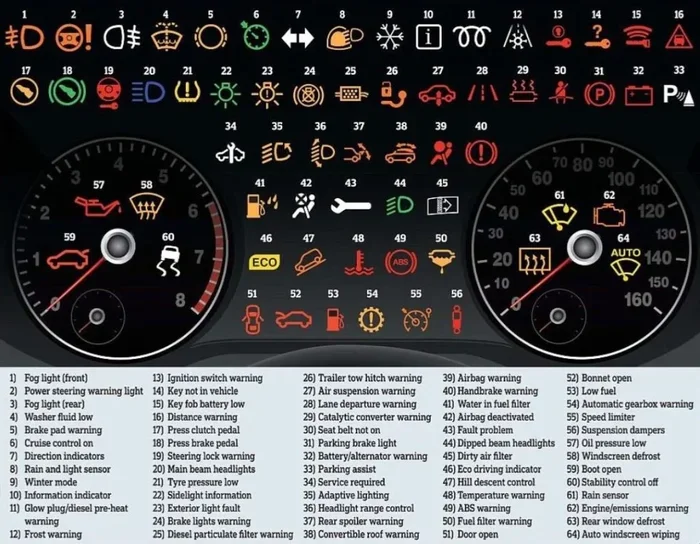
Before we talk about what happens if you dont reset a light, let us first understand what these lights actually mean. Not all warning lights are created equal. They come in different colors and each color tells you how serious the issue is.
Red Warning Lights: Stop Immediately
Red lights on your dash mean stop and address the issue right away. These are the most urgent signals your car can send. Common red lights include the oil pressure warning, the brake system alert, and the engine temperature gauge. If you see any of these, pull over safely and turn off the engine.
Driving with a red warning light active can cause catastrophic damage. For example, ignoring low oil pressure can destroy your engine within minutes. A red brake light could mean your brakes are failing. These are not situations where you want to wait and see what happens.
Yellow or Orange Lights: Schedule Service Soon
Yellow and orange lights are less urgent but still important. The check engine light is the most common yellow warning. It could indicate something as simple as a loose gas cap or as serious as a misfiring engine. Other yellow lights include the tire pressure monitoring system and the transmission warning.
While you can usually drive a short distance with a yellow light, you should get the issue diagnosed quickly. Leaving it unresolved can turn a small fix into a major repair bill.
Green and Blue Lights: Informational Only
Green and blue lights are not warnings at all. They simply let you know a system is active. Examples include the high beam indicator, the cruise control light, and the eco mode light. These do not need to be reset and do not indicate any problems.
What Happens If You Ignore Your Dashboard Warning Light?
Now let us get to the core question. What actually happens if you just keep driving with a warning light on and never reset it? The consequences depend on the type of light and the underlying issue.
Minor Issues Can Become Major Problems
Here is the thing about car problems. They rarely stay the same. A small issue like a loose sensor or low fluid level can snowball into something much worse. For instance, ignoring a low oil warning can lead to engine overheating. Overheating can warp engine components. Warped components can cause a complete engine failure. All of this from something that might have cost you twenty dollars to fix early on.
The same logic applies to tire pressure warnings. Driving on an underinflated tire wears it out faster. It also reduces fuel efficiency. Over time, it can cause a blowout. A simple reset after inflating the tire would have prevented all of this.
Your Car May Fail Inspections
If you live in a state that requires annual or biennial vehicle inspections, an unresolved warning light can be a dealbreaker. Most inspection stations will fail your vehicle if the check engine light is on. This is especially true for emissions testing. Even if your car drives fine, a lit warning light means it is not meeting regulatory standards.
This can be frustrating if you are trying to renew your registration or sell your vehicle. The light stays on until the root cause is fixed and the system is reset.
Safety Systems May Be Compromised
Many modern cars have sophisticated safety systems tied to their onboard computers. When a warning light stays on, it often means one of these systems is not functioning properly. This could include anti-lock brakes, traction control, or stability management.
Driving with compromised safety systems is risky. You might not notice the problem until you need these systems the most, like on a wet road or during emergency braking. This is one of the most dangerous reasons to never ignore a warning light.
Resale Value Takes a Hit
If you ever plan to sell your car, an unresolved warning light is a red flag for buyers. It signals that the vehicle has an untreated problem. Even if you fix the issue later, the fact that the light was on can lower the perceived value of your car.
Buyers often check the onboard diagnostic system before purchasing a used vehicle. A history of unresolved codes can make them walk away. Resetting the light without fixing the problem is not a good strategy either. Buyers with diagnostic tools will still see the stored codes.
Why You Should Reset the Light After Fixing the Problem
Once you have addressed the underlying issue, the next step is to reset the warning light. This is important for several reasons.
It Clears Stored Diagnostic Codes
When a warning light comes on, your cars computer stores a diagnostic trouble code. This code records what triggered the alert. Even after you fix the problem, the code stays in the system until you reset it. Leaving old codes in the system can confuse future diagnostics.
For example, if you had a loose gas cap trigger the check engine light, the code might still show up even after you tightened it. A reset clears these old codes and gives you a clean baseline for future troubleshooting.
It Turns Off the Dashboard Light
This might seem obvious, but a lit warning light on your dash is distracting and stressful. It can also make it harder to notice if a new, more serious issue arises. Resetting the light after a repair lets you monitor your dashboard more effectively going forward.
It Resets Maintenance Reminders
Some warning lights are tied to maintenance schedules. For instance, the maintenance required light in many Toyota vehicles tracks oil life and service intervals. After an oil change or other scheduled service, you need to reset this light so it can accurately track the next service date.
If you do not reset it, the light may stay on indefinitely or reset to the wrong interval. This defeats the purpose of the maintenance reminder system and can lead to missed services.
How to Properly Reset Different Types of Warning Lights
Resetting a warning light is not always a one-size-fits-all process. Different lights require different methods. Here is a breakdown of the most common types and how to handle them.
Resetting the Check Engine Light
The check engine light is one of the most common reasons drivers search for a reset method. To properly reset it, you must first identify and fix the root cause. Common triggers include a loose gas cap, a faulty oxygen sensor, or a misfiring spark plug.
Once the repair is complete, you can reset the light using one of these methods:
- Disconnect the battery: Remove the negative cable, wait for 15 minutes, and reconnect it. This clears the codes and resets the light.
- Use an OBD-II scanner: Plug the scanner into the diagnostic port under your dash. Read and clear the codes. This is the most precise method.
- Cycle the ignition: Turn the key to the on position three times in quick succession without starting the engine. This works on some vehicle models.
Keep in mind that if the underlying issue is not fixed, the light will likely come back. This is where many drivers make a mistake. They reset the light without addressing the problem. The light returns within days or even hours.
Resetting the Maintenance Required Light
The maintenance required light is different from the check engine light. It is a service interval reminder, not a problem indicator. To reset it, the process varies by vehicle brand and model. For Toyota vehicles, you typically hold the trip meter reset button while turning the ignition to the on position. For other brands, the procedure may differ.
If you are unsure about the reset process for your specific vehicle, consult your owners manual or visit a trusted service center. A mechanic can walk you through the steps quickly.
Resetting the Oil Change Light
The oil change light is similar to the maintenance required light. It tracks your oil life percentage and alerts you when it is time for a change. After getting your oil changed, you need to reset this light manually in most vehicles.
The reset process usually involves navigating through the dashboard menu or holding a specific button combination on the steering wheel. Again, check your owners manual for the exact steps for your vehicle model.
Common Mistakes People Make When Dealing With Warning Lights
When it comes to dashboard warning lights, drivers make several common mistakes. Understanding these pitfalls can help you avoid them.
Mistake 1: Resetting Without Fixing the Problem
This is the biggest mistake drivers make. They see a light, reset it, and drive on. The light comes back a few days later, and they reset it again. This cycle can continue for months while the actual problem gets worse and more expensive to fix.
Always diagnose the issue first. Use a scanner or visit a mechanic to read the codes. Fix the root cause. Then reset the light.
Mistake 2: Assuming All Lights Mean the Same Thing
Not all warning lights are equal. A check engine light is not the same as an oil pressure light. Treating them as interchangeable can lead to poor decisions. A red oil pressure light demands immediate action. A yellow check engine light gives you more time.
Learn the meaning of each light on your specific dashboard. The owners manual is your best resource for this.
Mistake 3: Waiting Too Long to Act
Some drivers see a warning light and decide to wait until their next scheduled service appointment. While this is fine for a minor yellow light, it is dangerous for any red light. Even a yellow light should be checked within a few days, not weeks.
The longer you wait, the more damage can occur. A small sensor issue can become a major engine problem if left unchecked.
Mistake 4: Using Cheap or Incompatible Parts
Sometimes a warning light comes on because of a faulty sensor or part. Replacing it with a cheap or incompatible part can trigger the same light again. Use quality parts that match your vehicles specifications. When in doubt, ask a professional mechanic for advice.
When You Should Seek Professional Help
While some warning lights are simple to address, others require professional diagnosis. Here are some situations where you should see a mechanic rather than trying to handle it yourself.
- The check engine light is flashing, not solid. A flashing light usually indicates a severe problem like an engine misfire that can damage the catalytic converter.
- You have checked the obvious things (gas cap, fluid levels) and the light still does not go away.
- Multiple warning lights are on at the same time. This could indicate a serious electrical or computer issue.
- You notice other symptoms like strange noises, vibrations, or a decrease in performance.
- Your vehicle is running rough or stalling.
A professional mechanic has the tools and expertise to read diagnostic codes accurately. They can pinpoint the exact cause of the warning light and recommend the right repair. This saves you time, money, and the frustration of guessing.
Also, if you recently had service done and a light appeared afterward, contact the service provider. Many shops will recheck their work at no extra charge if a warning light shows up shortly after a repair.
How Regular Maintenance Prevents Warning Lights
The best way to deal with dashboard warning lights is to prevent them from coming on in the first place. Regular maintenance is your strongest defense.
- Follow the recommended service schedule: Stick to the oil change intervals, tire rotations, and fluid checks outlined in your owners manual.
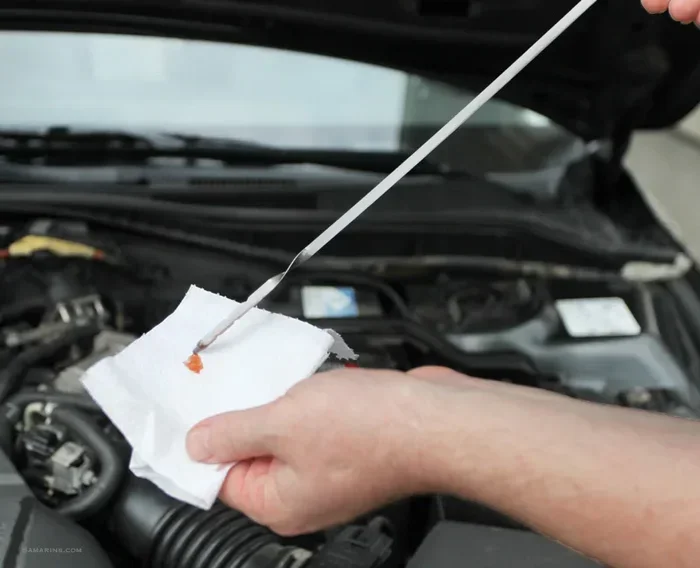
- Check fluid levels regularly: Engine oil, coolant, brake fluid, and transmission fluid should all be at proper levels.
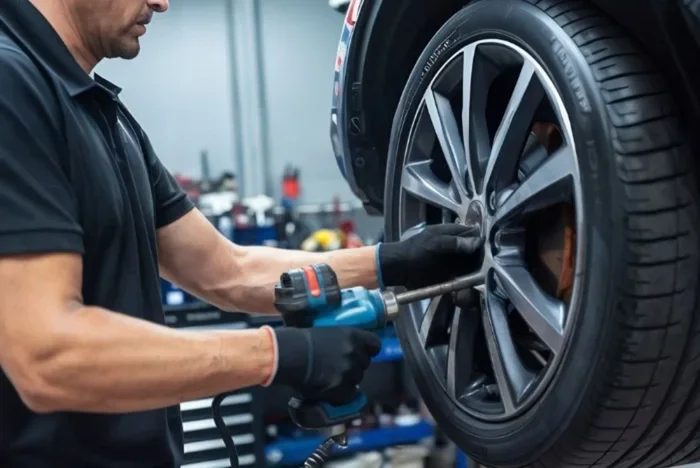
- Inspect tires monthly: Proper tire pressure prevents the TPMS light from coming on and improves fuel economy.
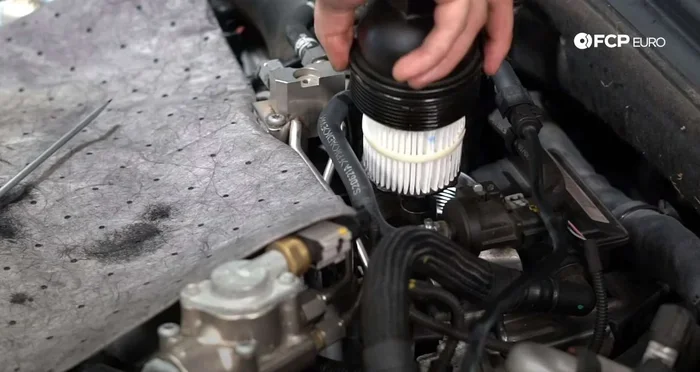
- Replace filters on schedule: Dirty air filters and cabin filters can trigger warning lights and reduce performance.
- Address small issues promptly: A small noise or slight change in performance today can become a big problem next week.
Staying proactive with your vehicle maintenance keeps your car running smoothly and keeps those annoying lights off. It also extends the life of your vehicle and saves you money in the long run.
Key Takeaways
- Dashboard warning lights are communication tools: They tell you something about your vehicle that needs attention.
- Ignoring lights leads to bigger problems: Small issues become expensive repairs when left unchecked.
- Reset the light only after fixing the root cause: Resetting without repairing is pointless and potentially dangerous.
- Red lights need immediate action: Do not drive with a red warning light active.
- Yellow lights should be checked within days: Do not let them linger for weeks or months.
- Regular maintenance prevents most warning light issues: Stay on top of your service schedule.
- When in doubt, see a professional: A mechanic can diagnose and fix issues properly, giving you peace of mind.
Frequently Asked Questions
Can I drive my car with the check engine light on?
It depends on the severity. If the light is solid and yellow, you can usually drive a short distance to a repair shop. However, if the light is flashing or red, you should stop driving immediately and get your vehicle towed. A flashing check engine light often indicates a serious problem that can damage your catalytic converter if you keep driving.
How do I know if a warning light is serious?
Color is your first clue. Red lights are urgent and require immediate attention. Yellow and orange lights are warnings that should be checked soon. Green and blue lights are purely informational. You can also refer to your owners manual, which lists every warning light and its meaning for your specific vehicle model.
Will my car pass inspection with a warning light on?
In most cases, no. A lit check engine light will typically cause your vehicle to fail an emissions or safety inspection. The exception is some older vehicles without an OBD-II system, but most cars made after 1996 will be flagged during inspection if a warning light is active.
Can I reset the warning light myself?
Yes, you can reset most warning lights yourself using an OBD-II scanner, by disconnecting the battery, or by following specific button sequences in your owners manual. However, always make sure the underlying issue is fixed first. Resetting without fixing the problem will only cause the light to return.
What is the difference between the maintenance required light and the check engine light?
The maintenance required light is a service reminder based on mileage or time intervals. It does not indicate a problem. The check engine light, on the other hand, signals an actual issue detected by your vehicles onboard diagnostics system. The maintenance light can be reset after service, while the check engine light requires the problem to be resolved first.
How often should I check my dashboard lights?
You should glance at your dashboard every time you start the car. All warning lights should illuminate briefly during the startup self-check and then turn off. If any light stays on after the self-check completes, you should investigate it. Make it a habit to scan your dash every time you get behind the wheel.
Final Thoughts
Your dashboard warning lights are there for a reason. They are not just decorative icons or random alerts. They are your vehicles way of telling you something needs attention. What happens if you dont reset your dashboard warning light? The short answer is that the light stays on, but the real question is what happens if you ignore the problem it represents.
The consequences can range from minor inconvenience to major mechanical failure. A simple maintenance reminder that goes unreset can cause you to miss important service intervals. A warning light tied to a real problem can lead to thousands of dollars in repairs if you ignore it long enough.
The best approach is always proactive. Pay attention to your dashboard. Address warning lights promptly. Fix the underlying issue first, then reset the light properly. Follow your recommended maintenance schedule and keep your vehicle in top shape. Your car will reward you with better performance, improved safety, and a longer lifespan.
Remember, a few minutes of attention today can save you hours of trouble tomorrow. Do not let a little dashboard light become a big problem. Stay informed, stay proactive, and keep driving with confidence.