What Does the H and C Mean on Your New Car Dashboard
The H and C on your car dashboard stand for Hot and Cold, representing the temperature range of your engine coolant. These simple letters help you monitor whether your engine is running too hot, too cold, or at the ideal temperature. Understanding what the H and C mean on a car can save you from costly repairs and keep you safe on the road. This guide breaks down everything you need to know about these dashboard symbols, from what they mean to what you should do when they appear.
You are driving down the road, minding your own business, when suddenly a letter pops up on your dashboard. It is a simple H or a C. You glance at it, scratch your head, and wonder what on earth it means. Is your car broken? Is it about to overheat? Should you pull over right now?
Here is the good news. The H and C on your car dashboard are not as scary as they seem. They are simply temperature indicators that tell you about your engine’s heat level. Once you understand what they mean, you will feel more confident behind the wheel. You will also know exactly what to do when one of them lights up. Let us break it all down in plain, simple terms.
Key Takeaways
- H and C stand for Hot and Cold: These markings show your engine temperature range on the dashboard gauge or warning light.
- The needle should sit between H and C: A normal operating temperature means the needle rests in the center, not near either letter.
- H lighting up is a warning: It signals your engine is overheating and needs immediate attention to prevent serious damage.
- C lighting up can mean a cold engine: This is normal when you first start the car, but persistent C light may indicate a thermostat issue.
- Ignoring these lights can be costly: Driving with an overheating engine can lead to blown head gaskets, warped engine parts, and expensive repairs.
- Regular maintenance helps prevent temperature issues: Checking coolant levels, hoses, and the radiator keeps your temperature system working properly.
- Know your specific car model: Different vehicles display H and C differently, so always check your owner manual for model-specific guidance.
📑 Table of Contents
- What Does the H and C Mean on a Car Dashboard
- Why the H and C Symbols Matter for Your Engine
- What to Do When the H Light Comes On
- What About the C Light on Your Dashboard
- Comparing H and C Symbols Across Different Car Brands
- Quick Tips for Monitoring Your Car Temperature
- Common Mistakes Drivers Make with Temperature Gauges
- Expert Insights on Car Temperature Monitoring
- When to Seek Professional Help for Temperature Issues
- How to Prevent Temperature Problems Before They Start
- Conclusion
What Does the H and C Mean on a Car Dashboard
The H and C on a car stand for Hot and Cold. These letters or symbols appear on your temperature gauge or as warning lights on the dashboard. They show you where your engine temperature sits in relation to the safe operating range. Most cars have a temperature gauge with an arc or a line that moves between an H on one end and a C on the other.
When the needle or indicator sits in the middle, your engine is at the perfect temperature. When it moves toward the H, the engine is getting too hot. When it drops toward the C, the engine is running too cold. Both extremes can cause problems, but the H side is usually the more urgent one to worry about.
How the Temperature Gauge Works
Your car has a temperature sensor that measures the heat of the coolant flowing through the engine. This sensor sends data to the dashboard, which then moves the needle or lights up a symbol. The coolant absorbs heat from the engine and carries it to the radiator, where it cools down. This cycle keeps your engine running smoothly.
The temperature sender unit is the part that actually reads the heat. If this part fails, your gauge may not show accurate readings. That is why understanding the H and C markings matters so much. You need to know what normal looks like so you can spot when something goes wrong.
Normal Operating Temperature Explained
Most car engines run best between 195 and 220 degrees Fahrenheit. When the needle is in the center of the gauge, between the H and C, your engine is in that sweet spot. The coolant is flowing properly, the thermostat is open, and everything is working as it should.
Here is a quick way to remember it:
- C side: Engine is cold or below normal temperature
- Middle: Engine is at normal operating temperature
- H side: Engine is getting too hot
If you just started your car, it is completely normal for the needle to sit near the C for a few minutes. The engine needs time to warm up. But if it stays near C even after driving for a while, that could signal a problem with the thermostat or coolant system.
Why the H and C Symbols Matter for Your Engine
The H and C dashboard symbols are not just decorative markings. They serve a very important purpose. Your engine generates a tremendous amount of heat during operation. Without proper cooling, metal parts can warp, seize, or even crack. The temperature gauge helps you monitor this critical system at a glance.
Many drivers ignore the temperature gauge until something goes wrong. That is a big mistake. Paying attention to the H and C markings regularly can help you catch small problems before they turn into expensive repairs. Think of it as a simple health check for your car every time you start the engine.
The Role of Coolant in Temperature Regulation
Coolant, also called antifreeze, is the lifeblood of your engine’s temperature system. It flows through channels in the engine block, absorbing excess heat. Then it travels to the radiator, where air flowing through the fins cools it down. The cooled coolant cycles back into the engine to do it all over again.
If your coolant level is low, the system cannot work properly. The engine will heat up faster, and the needle will move toward the H. This is one of the most common reasons drivers see the H light come on. A simple top-off of coolant can often solve the problem, but it is important to find out why the level dropped in the first place.
Thermostat Function and Temperature Control
The thermostat is a small valve that opens and closes to regulate coolant flow. When the engine is cold, the thermostat stays closed to help the engine warm up quickly. Once it reaches the normal temperature, the thermostat opens and allows coolant to flow through the radiator.
If the thermostat gets stuck closed, coolant cannot reach the radiator. The engine overheats, and the H symbol appears. If it gets stuck open, the engine takes too long to warm up and may never reach the right temperature. In either case, the H and C temperature range will not stay balanced.
What to Do When the H Light Comes On
Seeing the H light on your dashboard can be stressful, but panicking will not help. The most important thing is to stay calm and take the right steps immediately. Overheating can cause serious engine damage if you ignore it, so quick action matters.
Immediate Steps to Take
Follow these steps in order when the H light comes on while driving:
- Turn off the air conditioning: The AC puts extra load on the engine, which generates more heat.
- Turn on the heater: This may feel uncomfortable, but it helps pull heat away from the engine.
- Pull over safely: Find a safe spot to stop as soon as possible.
- Turn off the engine: Let the engine cool down for at least 15 to 20 minutes.
- Check the coolant level: Only open the radiator cap when the engine is cool to avoid burns.
Do not try to drive with the H light on for more than a few minutes. Continuing to drive an overheating engine can crack the engine block or blow the head gasket. Those repairs cost thousands of dollars, and in some cases, the engine may need to be replaced entirely.
Common Reasons the H Light Appears
The H light does not always mean your engine is on the verge of disaster. Sometimes the cause is simple and easy to fix. Here are the most common reasons the H symbol shows up on your dashboard:
- Low coolant level: A leak in the radiator, hoses, or water pump can cause coolant to drop.
- Broken thermostat: A stuck thermostat prevents coolant from circulating properly.
- Faulty temperature sensor: The sensor may give false readings even when the engine temperature is normal.
- Radiator fan failure: The fan that cools the radiator may not be working, especially at low speeds or when idling.
- Blocked radiator: Dirt, debris, or old coolant can block airflow or flow through the radiator.
- Water pump failure: The pump that circulates coolant may be worn out or broken.
If you check the coolant and it is full, but the H light still comes on, it is time to see a mechanic. Do not keep driving and hoping the problem goes away. That approach almost always makes things worse.
What About the C Light on Your Dashboard
While the H light gets most of the attention, the C light is important too. The C on your dashboard stands for Cold, and it tells you the engine temperature is below normal. When you first start your car, seeing the C is perfectly normal. The engine needs a few minutes to reach its ideal operating temperature.
However, if the C light stays on even after you have been driving for a while, that is a different story. It could mean the thermostat is stuck open, the coolant is overfilled, or the temperature sensor is malfunctioning. An engine that runs too cold does not burn fuel efficiently. It can also cause increased wear on engine parts because the oil does not reach the right temperature to lubricate properly.
Cold Engine vs. Overcooling
There is a big difference between a cold engine in the morning and an engine that stays cold all the time. A cold engine in the morning will warm up within a few minutes of driving. The needle will move from C toward the center. But if the needle never moves past C, even after 15 or 20 minutes of driving, something is wrong.
Overcooling can also happen in very cold weather if the thermostat is not working correctly. The engine may never reach the right temperature, which affects performance and fuel economy. If you notice the C light staying on for extended periods, get it checked out.
Comparing H and C Symbols Across Different Car Brands
Not all cars display the H and C markings the same way. Different manufacturers use different designs for their temperature gauges and warning lights. Some use letters, while others use icons or color-coded lights. Here is a quick comparison of how different brands handle temperature indicators.
| Brand | Temperature Display Type | H and C Markings | Warning Light Color |
|---|---|---|---|
| Toyota | Analog gauge with needle | H and C letters on gauge | Red (overheat) |
| Ford | Digital or analog gauge | H and C on gauge arc | Red or yellow |
| Honda | Digital temperature display | H and C on digital readout | Red (overheat) |
| Chevrolet | Analog gauge | H and C printed on face | Red warning light |
| BMW | Digital with color coding | Blue (cold) and red (hot) | Blue and red |
As you can see, the basic concept is the same across all brands. The H always means hot, and the C always means cold. But the way they display this information can vary. Some cars use a traditional needle gauge, while others use a digital display with color-coded warnings. Regardless of the format, the message is the same: keep the temperature in the middle range for best performance.
Quick Tips for Monitoring Your Car Temperature
Keeping an eye on your engine temperature does not have to be complicated. A few simple habits can help you stay on top of your car’s health and avoid temperature-related problems.
Quick Tips:
- Glance at your temperature gauge every time you start the car and during long drives.
- Check your coolant level at least once a month, especially before long trips.
- Watch for leaks under your car. Coolant leaks often appear as green, orange, or pink puddles.
- Replace coolant on schedule according to your owner manual. Old coolant loses its effectiveness.
- Listen for unusual sounds like knocking or bubbling from the engine area, which can signal overheating.
- Keep an eye on the temperature during hot weather, stop-and-go traffic, and towing, as these conditions increase heat.
- Never open the radiator cap when the engine is hot. The pressurized coolant can cause serious burns.
Common Mistakes Drivers Make with Temperature Gauges
Even experienced drivers sometimes make mistakes when it comes to reading their car’s temperature indicators. Avoiding these common errors can save you time, money, and headaches.
Common Mistakes:
- Ignoring the C light after the engine warms up: If the C light stays on, do not assume it is normal. Have a mechanic check the thermostat and sensor.
- Adding water instead of coolant: Water works in a pinch, but it does not protect against freezing or boiling as well as proper coolant does.
- Overfilling the coolant reservoir: Too much coolant can cause pressure buildup and lead to leaks or other issues.
- Driving with the H light just a little too long: Even a few extra minutes of driving with an overheating engine can cause permanent damage.
- Assuming the gauge is always right: A faulty temperature sensor can give false readings. If something feels off, trust your instincts and get a second opinion.
- Skipping regular maintenance: Routine oil changes and coolant flushes go a long way in preventing temperature problems.
The biggest mistake of all is not paying attention at all. Your dashboard is trying to talk to you. The H and C symbols are its way of communicating what is happening under the hood. Learning to listen is one of the best things you can do as a car owner.
Expert Insights on Car Temperature Monitoring
Expert Insight: Automotive technicians agree that most engine overheating problems are preventable. Regular maintenance of the cooling system is the single most effective way to avoid temperature-related breakdowns. According to certified mechanics, checking coolant levels, inspecting hoses for cracks, and replacing the thermostat at recommended intervals can extend the life of your engine significantly.
Expert Insight: Modern cars have become much more reliable when it comes to temperature monitoring. Many new vehicles now include digital displays that show the exact temperature in degrees, not just H and C markings. However, the basic principle remains the same. The engine needs to stay within a specific temperature range to perform at its best and last as long as possible.
Expert Insight: One thing many drivers do not realize is that extreme cold weather can also cause temperature problems. In freezing conditions, coolant can thicken and not flow properly. Using the right type of coolant for your climate is essential. Check your owner manual or ask your mechanic for the best recommendation for your area.
When to Seek Professional Help for Temperature Issues
Some temperature problems you can handle yourself, while others require a professional mechanic. Knowing the difference can save you time and prevent costly mistakes.
You can handle these issues yourself:
- Topping off low coolant levels
- Replacing a radiator cap that is not sealing properly
- Checking for obvious coolant leaks under the car
- Inspecting hoses for visible cracks or damage
You should see a mechanic for these issues:
- The H light comes on repeatedly even after topping off coolant
- The temperature gauge fluctuates wildly between C and H
- You notice coolant leaking from the bottom of the car
- The engine runs hot even in cool weather
- The temperature light comes on with no visible coolant loss
A professional mechanic has the tools and expertise to diagnose issues like a failing water pump, a clogged radiator, or a malfunctioning temperature sensor. Trying to fix these problems yourself without the right knowledge can make things worse and end up costing more in the long run.
How to Prevent Temperature Problems Before They Start
Prevention is always better than cure, and this is especially true when it comes to your car’s temperature system. A few proactive steps can keep your engine running smoothly and your temperature gauge steady between the H and C.
Steps to prevent temperature issues:
- Follow the maintenance schedule in your owner manual. This includes coolant flushes, hose inspections, and thermostat replacements.
- Use the right type of coolant for your vehicle and climate. Not all coolants are the same, and mixing them can cause problems.
- Keep the radiator clean and free of debris. Bugs, dirt, and leaves can block airflow and reduce cooling efficiency.
- Monitor your coolant level regularly. A sudden drop in coolant often indicates a leak that needs attention.
- Drive gently in extreme heat or when towing heavy loads. These conditions put extra strain on the cooling system.
- Address small problems early. A tiny coolant leak today can become a major engine failure tomorrow if left unchecked.
Taking these simple steps gives you peace of mind every time you get behind the wheel. You will know that your engine is protected, and you will be less likely to face a sudden temperature warning on the road.
Conclusion
The H and C on your car dashboard are simple but powerful tools for keeping your engine healthy. The H stands for Hot, and the C stands for Cold. Together, they show you the full temperature range of your engine and help you spot problems early. When the needle stays in the middle, you are in the clear. When it drifts toward the H, take action immediately. When it lingers near the C after warming up, do not ignore it either.
Understanding what these symbols mean gives you confidence as a driver. It also saves you money by helping you catch issues before they become expensive repairs. The next time you see the H and C temperature indicators on your dashboard, you will know exactly what they are telling you. Trust your gauges, stay proactive with maintenance, and your engine will thank you for years to come.
Remember, your car speaks to you through its dashboard. The H and C markings are just one part of that conversation. Learn to listen, and you will be a smarter, safer, and more prepared driver on every journey.
Frequently Asked Questions
What does the H mean on a car temperature gauge?
The H on a car temperature gauge stands for Hot. It marks the high end of the engine temperature range. When the needle moves toward the H or the H warning light comes on, it means the engine is overheating and needs immediate attention to prevent damage.
What does the C mean on a car temperature gauge?
The C stands for Cold and indicates the low end of the engine temperature range. It is normal to see the needle near C when you first start the car. The engine needs a few minutes to warm up. If the C light stays on after driving for a while, it could signal a thermostat or sensor problem.
Is it safe to drive when the H light comes on?
No, it is not safe to keep driving when the H light comes on. The H light means your engine is overheating. Continuing to drive can cause serious damage like a blown head gasket or a cracked engine block. Pull over safely, turn off the engine, and let it cool down before checking the coolant level or calling for help.
How do I know if my car is overheating?
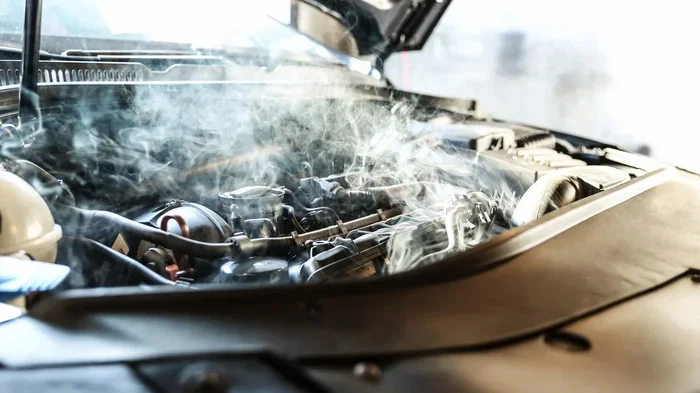
The most obvious sign is the H light or needle moving toward the H on the gauge. Other signs include steam or smoke coming from the hood, a sweet smell from coolant leaking, the engine running rough, or the heater blowing cold air. If you notice any of these signs, pull over and turn off the engine right away.
Can low coolant cause the H light to come on?
Yes, low coolant is one of the most common reasons the H light appears. When there is not enough coolant, the engine cannot cool itself properly. The temperature rises quickly, and the H warning activates. Check your coolant level if the H light comes on, but only do so after the engine has cooled down to avoid burns.
How often should I check my car’s coolant level?
You should check your coolant level at least once a month and always before a long trip. Make sure the engine is completely cool before opening the radiator cap. If you find yourself needing to top off coolant frequently, there may be a leak that needs professional attention.