What Car Gets 50 MPG These Models Will Surprise You
Many drivers assume that getting 50 MPG means sacrificing power or comfort, but that is no longer true. Several compact cars, hybrids, and even some unexpected models now deliver 50 MPG or better. In this guide, we will walk you through the top vehicles, real-world fuel economy tips, and honest comparisons so you can find the perfect fuel efficient car for your needs.
Fuel prices keep rising, and nobody wants to spend more than they have to at the pump. If you have been searching for a car that sips gas instead of guzzling it, you have probably wondered what car gets 50 MPG. The answer might surprise you. Several vehicles on the market today deliver 50 miles per gallon or better, and they do not all look like tiny econoboxes.
Whether you commute to work every day or just want to save money on fuel, finding a fuel efficient car that gets 50 MPG can change your daily driving experience. These vehicles combine smart engineering, lightweight materials, and clever technology to squeeze every drop of fuel from the tank. In this article, we will break down the best models, explain how they achieve such impressive fuel economy, and give you practical tips to maximize your own car’s mileage.
We will also look at real-world driving conditions, compare hybrid and traditional powertrains, and share honest advice on whether a 50 MPG vehicle fits your lifestyle. By the end, you will have a clear picture of what to look for and which models deserve your attention. Let us dive in.
Key Takeaways
- Multiple cars hit 50 MPG: From hybrids to compact sedans, several models surprise buyers with outstanding fuel economy.
- Hybrid vehicles lead the pack: Many hybrid cars achieve 50 MPG or more thanks to advanced powertrain technology.
- Maintenance matters: Regular upkeep like changing your air filter and spark plugs can help you reach or exceed 50 MPG.
- Driving habits count: Gentle acceleration, proper tire pressure, and smart cruising all boost your gas mileage.
- Fuel savings add up fast: A car that gets 50 MPG can save you hundreds of dollars per year compared to less efficient vehicles.
- Used cars can deliver too: You do not always need to buy new to find a high MPG vehicle that fits your budget.
📑 Table of Contents
Top Cars That Achieve 50 MPG
Finding a car that hits 50 MPG is easier than most people think. Automakers have invested heavily in fuel efficient technology, and the results speak for themselves. Here are some of the standout models that deliver outstanding gas mileage.
Toyota Prius
The Toyota Prius has long been the face of high MPG vehicles. This hybrid vehicle combines a gasoline engine with an electric motor to deliver excellent fuel economy. The latest Prius models consistently achieve around 50 to 57 MPG combined, making them one of the most popular choices for drivers who want to save on gas.
What makes the Prius special is its hybrid powertrain, which seamlessly switches between electric and gas power. You get smooth acceleration, quiet city driving, and impressive highway mileage all in one package. The interior has also improved dramatically over the years, so you no longer have to sacrifice comfort for efficiency.
Honda Civic
The Honda Civic is not just a fun car to drive. It also delivers strong fuel economy for a non-hybrid sedan. The Civic Hatchback and Civic LX models regularly achieve close to 40 MPG combined, and with the right trim and driving habits, some owners report pushing past the 50 MPG mark on long highway trips.
The Civic offers a perfect balance of style, performance, and gas mileage. It is a great option for drivers who want a compact car that feels modern and engaging while still being kind to their wallet. If you are looking for a best mileage vehicle that does not scream “hybrid,” the Civic is a strong contender.
Hyundai Ioniq
The Hyundai Ioniq is another fuel efficient car that deserves attention. Available in hybrid, plug-in hybrid, and fully electric versions, the Ioniq Hybrid delivers around 55 to 58 MPG combined. That makes it one of the most efficient sedans on the road today.
Hyundai has packed the Ioniq with modern features like a touchscreen infotainment system, advanced safety tech, and a surprisingly spacious interior. It proves that you do not need to buy a niche vehicle to get outstanding miles per gallon. This car offers a well-rounded driving experience that appeals to a wide range of buyers.
Kia Niro
The Kia Niro Hybrid is a versatile compact SUV that delivers around 50 MPG combined. It combines the practicality of a small SUV with the efficiency of a hybrid system, making it a great choice for families who want to save on fuel without giving up space.
The Niro also comes in a plug-in hybrid version, which adds even more electric-only range. Whether you choose the hybrid or plug-in hybrid, the Niro proves that SUVs can also be surprisingly fuel efficient. It is a strong competitor in the growing market of hybrid vehicles.
Toyota Corolla Hybrid
The Toyota Corolla Hybrid brings 50 MPG capability to one of the most popular sedans in the world. This is a remarkable achievement for a car that also offers a comfortable ride, modern tech, and Toyota’s legendary reliability. The Corolla Hybrid is a great option for buyers who want a familiar name with outstanding fuel economy.
Many drivers already trust the Corolla for its durability and low cost of ownership. Adding a hybrid powertrain simply makes it even better. The Corolla Hybrid proves that you do not need a fancy luxury sedan to achieve impressive miles per gallon.
How to Maximize Your Car’s Fuel Economy
Even if your current car does not officially get 50 MPG, you can take steps to improve your gas mileage significantly. Small changes in how you drive and maintain your vehicle can add up to big savings over time.
Keep Up with Regular Maintenance
One of the easiest ways to improve your fuel economy is to stay on top of routine maintenance. For example, a dirty air filter can restrict airflow to your engine and cause it to work harder, which wastes fuel. Replacing your air filter on schedule helps your engine breathe easier and run more efficiently.
Similarly, old or worn spark plugs can cause incomplete combustion, reducing your miles per gallon. If you have ever noticed your engine running rough or your fuel economy dropping, it might be time to check your spark plugs. Most manufacturers recommend replacing them every 30,000 to 100,000 miles depending on the type. You can also check at what mileage spark plugs go bad for your specific vehicle to stay ahead of the problem.
Check Your Tire Pressure
Underinflated tires create more rolling resistance, which forces your engine to work harder and burn more fuel. Keeping your tires at the recommended pressure is one of the simplest ways to boost your fuel economy. You can find the correct tire pressure on the sticker inside your driver’s door.
Worn or unbalanced tires can also cause your car to vibrate or shake, which is a sign that your tires need attention. If you notice shaking, check whether bad tires are making your car shake and address the issue promptly. Proper tire care not only improves your gas mileage but also extends the life of your tires.
Drive Smoothly and Avoid Aggressive Habits
Your driving style has a huge impact on your fuel economy. Rapid acceleration, hard braking, and speeding all burn more fuel than smooth, steady driving. Try to accelerate gently and maintain a consistent speed on the highway. Using cruise control on long trips can also help you stay at a steady pace and improve your miles per gallon.
Another tip is to avoid excessive idling. If you are parked for more than a minute, turn off your engine. Idling wastes fuel and produces unnecessary emissions. These small habits may seem minor, but they add up over weeks and months of driving.
Hybrid vs. Traditional Cars for 50 MPG
When most people think about cars that get 50 MPG, they think of hybrid vehicles. And for good reason. Hybrids combine a gasoline engine with an electric motor to maximize efficiency. But can a traditional, non-hybrid car also reach 50 MPG? The answer is more nuanced than you might expect.
Hybrid cars generally have an advantage when it comes to fuel economy because they can switch between electric and gas power. In city driving, the electric motor handles low-speed cruising, which saves a significant amount of fuel. On the highway, the gas engine takes over, and the electric motor assists when extra power is needed.
Traditional gasoline cars can also achieve impressive mileage, especially smaller compact cars and efficient sedans with turbocharged engines. However, reaching a true 50 MPG in a non-hybrid is rare and usually requires specific driving conditions, such as steady highway cruising at moderate speeds.
If your goal is to consistently hit 50 MPG in everyday driving, a hybrid vehicle is your best bet. But if you prefer a conventional car, choosing a lightweight compact sedan with a fuel-efficient engine and driving conservatively can get you surprisingly close.
| Vehicle Type | Avg. Combined MPG | Best For |
|---|---|---|
| Hybrid Sedan | 50-58 MPG | City commuting, daily driving |
| Hybrid SUV | 45-52 MPG | Families, road trips |
| Compact Gasoline Sedan | 35-45 MPG | Budget buyers, fun driving |
| Plug-in Hybrid | 40-55 MPG (electric + gas) | Short commutes, eco-conscious drivers |
What Factors Affect Your MPG?
Several factors influence how many miles you get per gallon. Understanding these can help you set realistic expectations and make smarter choices about your vehicle and driving habits.
Vehicle weight plays a big role. Lighter cars require less energy to move, which means better fuel economy. This is why compact cars and small sedans tend to get better mileage than larger trucks and SUVs.
Engine type and size also matter. Smaller displacement engines with turbochargers can deliver strong performance while sipping fuel. Hybrid powertrains add an electric motor that assists the gas engine, further improving efficiency. If you are curious about how your car’s engine is performing, and you are experiencing issues, you might want to check whether you can still drive your car when it says maintenance required soon to avoid further fuel economy loss.
Driving conditions are another major factor. Stop-and-go city traffic tends to lower your MPG because of constant acceleration and braking. Highway driving at steady speeds generally yields better fuel economy. Weather also plays a role, as cold temperatures can reduce engine efficiency and increase warm-up time.
Air conditioning and accessories draw power from the engine, which can reduce your miles per gallon. Using the AC at full blast on a hot day will lower your fuel economy compared to driving with the windows down at lower speeds. Being mindful of these factors can help you get closer to that 50 MPG goal.
Quick Tips to Boost Your MPG
- Remove excess weight from your car. Extra cargo makes your engine work harder.
- Use the recommended grade of motor oil for your engine.
- Keep your windows closed at highway speeds to reduce drag.
- Avoid heavy braking by anticipating traffic flow ahead.
- Warm up your car gently rather than revving the engine.
- Combine errands into one trip to reduce total driving time.
Is 50 MPG Right for You?
Now that you know which cars get 50 MPG and how to maximize your fuel economy, the real question is whether a high-efficiency vehicle fits your life. The answer depends on several factors, including your daily commute, budget, and driving preferences.
If you have a long commute through city traffic, a hybrid vehicle is an excellent choice. The electric motor will handle low-speed driving efficiently, and you will see significant savings at the pump over time. A compact hybrid sedan or hybrid SUV can easily deliver 50 MPG in these conditions.
On the other hand, if you mostly drive on highways and prefer a larger vehicle, a fuel efficient sedan or a compact crossover with a turbocharged engine might be a better fit. These vehicles may not hit 50 MPG in all conditions, but they can come close with careful driving.
Budget is also an important consideration. Hybrid vehicles sometimes cost more upfront than their gasoline counterparts. However, the fuel savings over several years can offset that difference. Many buyers find that the long-term savings on fuel costs make the higher initial price well worth it.
You should also consider your local climate and driving terrain. If you live in a hilly area or experience extreme temperatures, your actual fuel economy may be lower than the EPA-rated numbers. Setting realistic expectations will help you choose a car that truly meets your needs.
Common Mistakes That Hurt Your Fuel Economy
Even the most fuel efficient car will deliver poor mileage if you make avoidable mistakes. Here are some common habits that hurt your gas mileage and what you can do about them.
Ignoring dashboard warning lights is one of the biggest mistakes drivers make. If your check engine light comes on, it could indicate a problem that is reducing your fuel economy. A faulty oxygen sensor, for example, can lower your MPG by up to 40 percent. Addressing warning lights promptly keeps your car running efficiently.
Using the wrong fuel is another costly error. Always use the grade of gasoline recommended by your manufacturer. Using a lower octane fuel than required can cause engine knocking and reduce performance, while using a higher octane fuel than needed wastes money without any benefit.
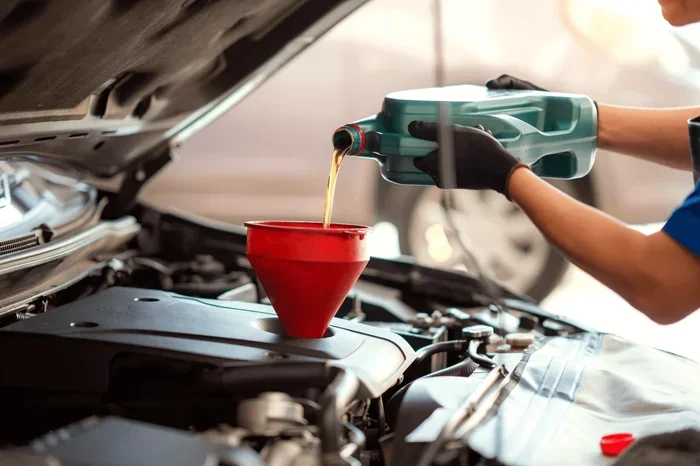
Skipping oil changes might seem minor, but old or dirty oil increases engine friction and reduces efficiency. Staying current with your oil change schedule helps your engine run smoothly and maintains your miles per gallon. You can also read about whether you can add oil to your car if it is low to handle minor issues between service appointments.
Expert Insights on 50 MPG Vehicles
Automotive experts agree that 50 MPG is no longer a magic number reserved for tiny economy cars. Advances in hybrid technology, lightweight materials, and aerodynamic design have made it possible for a wide range of vehicles to achieve this milestone.
“The biggest shift we have seen is that fuel efficiency no longer means compromise,” says one industry analyst. “Drivers today can have a comfortable, well-equipped car that also delivers outstanding miles per gallon. The Toyota Prius, Hyundai Ioniq, and even the Honda Civic prove that point every day.”
Experts also emphasize that real-world MPG can vary from EPA estimates. Your actual fuel economy will depend on how you drive, where you drive, and how well you maintain your vehicle. The best approach is to use EPA ratings as a guide, but also track your own fuel consumption over several tanks to get a realistic picture.
Final Thoughts
Finding a car that gets 50 MPG is more achievable than ever before. From the Toyota Prius and Hyundai Ioniq to the Honda Civic and Toyota Corolla Hybrid, there are many options that deliver outstanding fuel economy without sacrificing comfort or performance. Whether you choose a hybrid vehicle or a fuel-efficient gasoline car, the key is to match your choice to your driving habits and lifestyle.
Remember, achieving 50 MPG is not just about the car you buy. It is also about how you drive and maintain it. Regular maintenance, smooth driving habits, and attention to details like tire pressure and air filters all contribute to better gas mileage. By combining the right vehicle with smart driving practices, you can enjoy the benefits of 50 MPG and keep more money in your wallet.
Take the time to research your options, test drive a few models, and think about what matters most to you. Whether it is saving on fuel, reducing your environmental impact, or simply enjoying a more efficient driving experience, a 50 MPG car is a smart investment that pays off for years to come.
Frequently Asked Questions
What is the easiest car to get 50 MPG?
The Toyota Prius is widely considered the easiest car to achieve 50 MPG consistently. Its hybrid powertrain is specifically designed for fuel efficiency, and the latest models deliver 50 to 57 MPG combined in real-world driving conditions.
Can a non-hybrid car get 50 MPG?
It is rare but possible. Some compact sedans with very efficient engines and lightweight bodies can approach 50 MPG under ideal highway driving conditions. However, most non-hybrid cars max out in the 40 to 45 MPG range in everyday driving.
Does driving style really affect MPG that much?
Yes, absolutely. Aggressive acceleration, speeding, and hard braking can reduce your fuel economy by 15 to 30 percent. Smooth, anticipatory driving is one of the most effective ways to improve your miles per gallon.
Are hybrid cars more expensive to maintain?
Not necessarily. Hybrid vehicles often have lower maintenance costs for brakes and engines because the electric motor reduces wear on these components. However, hybrid battery replacement can be expensive if it occurs outside of warranty coverage.
How accurate are EPA fuel economy ratings?
EPA ratings provide a useful baseline, but real-world fuel economy can vary based on driving conditions, weather, and personal driving habits. Many drivers find their actual MPG is within 10 percent of the EPA estimate.
Can poor maintenance lower my MPG significantly?
Yes, poor maintenance can have a dramatic effect on your gas mileage. Dirty air filters, worn spark plugs, underinflated tires, and ignored warning lights can all reduce your fuel economy by significant margins. Staying on top of maintenance is the simplest way to protect your MPG.