Is My Car Overheating 7 Signs and Symptoms You Need
Is My Car Overheating? Recognizing the early signs of engine overheating can save you from costly repairs and keep you safe on the road. This guide covers 7 clear overheating car symptoms to watch for, from steam under the hood to a rising temperature gauge. You will learn what causes overheating, how to react in the moment, and simple steps to prevent it from happening again.
You are driving down the road, and suddenly a strange smell fills the car. Or maybe you glance at the dashboard and see the temperature needle climbing into the red zone. That sinking feeling in your stomach is something every driver has experienced. So, is my car overheating? The answer matters more than most people realize.
Engine overheating is one of the most common car problems drivers face. It can happen on a hot summer day, during a long road trip, or even on a short commute. The good news is that your car gives you plenty of warning signs before things get really bad. The key is knowing what to look for and what to do when you spot them.
In this guide, we will walk through 7 clear signs and symptoms of a car overheating. We will also cover what causes these problems, how to check your cooling system, and what steps to take right away. Whether you are a new driver or a seasoned commuter, this information will help you stay safe and avoid expensive repairs.
Key Takeaways
- Steam or smoke from the hood is one of the most obvious signs your car is overheating and needs immediate attention.
- A rising temperature gauge on your dashboard is a clear overheating car warning that should never be ignored.
- Coolant leaks, a faulty thermostat, or a broken water pump are among the top causes of engine overheating.
- Acting fast when you notice symptoms can prevent severe engine damage like a blown head gasket or warped engine block.
- Regular maintenance such as checking coolant levels and inspecting hoses keeps your car cooling system in top shape.
- Never ignore unusual smells or noises coming from the engine bay, as they often signal overheating problems.
- Knowing what to do in the moment can protect both you and your vehicle from serious harm.
📑 Table of Contents
What Happens When Your Car Overheats
Before we dive into the signs, let us talk about what overheating actually means for your vehicle. Your car engine runs hot. It generates a tremendous amount of heat during combustion. The cooling system is designed to manage that heat and keep the engine at a safe operating temperature.
When the cooling system fails or something goes wrong, the engine temperature rises beyond safe limits. This is what we call engine overheating. Left unchecked, it can cause serious internal damage. Parts warp, seals break, and in the worst cases, the engine can seize up entirely.
The cooling system relies on several key components working together. The radiator, water pump, thermostat, hoses, and coolant all play a role. If any one of these fails, the whole system suffers. Understanding how these parts work helps you make sense of the warning signs.
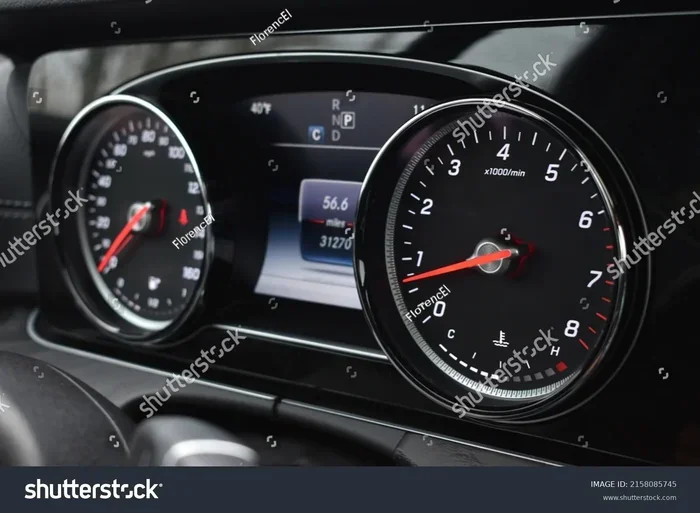
Most modern cars have a temperature gauge on the dashboard. This gauge gives you a real-time reading of your engine temperature. When the needle starts climbing into the hot zone, that is your first clue. But there are many other signs that show up before or alongside the gauge. Let us look at each one in detail.
7 Signs and Symptoms Your Car Is Overheating
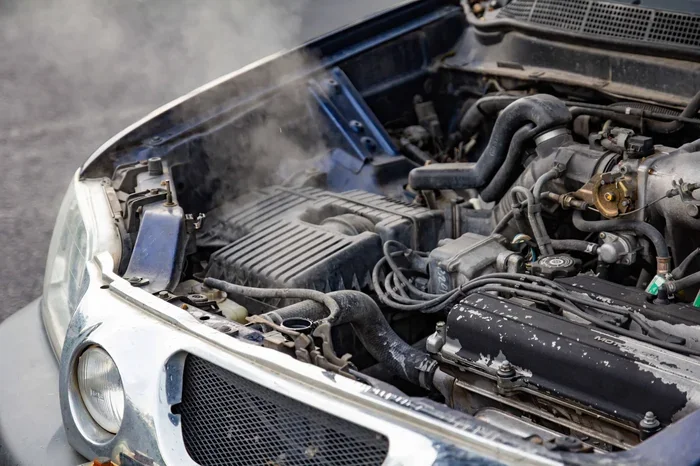
1. Steam or Smoke Coming From Under the Hood
This is the most dramatic and obvious sign. If you see steam or white smoke billowing from under the hood, your engine is likely overheating. The steam comes from coolant leaking onto hot engine parts. It can look scary, but it is your car telling you something is very wrong.
Do not panic, but do pull over safely as soon as you can. Turn off the air conditioning and turn on the heater. This helps pull some heat away from the engine. But the real fix requires identifying the source of the coolant leak or the overheating cause.
Some people mistake steam for normal air conditioning condensation. That is a common mistake. AC condensation is usually clear and light. Steam from overheating is thicker, whiter, and often smells sweet. If you are unsure, it is always better to stop and check.
2. Temperature Gauge Reading in the Red Zone
The temperature gauge is your best friend when it comes to monitoring engine heat. Most cars show a normal range in the middle of the gauge. When the needle starts moving toward the red zone or the “H” mark, your engine is getting too hot.
Sometimes the gauge rises slowly. Other times, it spikes suddenly. A sudden spike is especially alarming and usually means a serious problem. A slow rise might point to a smaller issue like a low coolant level or a weak radiator fan.
Check your gauge regularly, even on short drives. Many drivers ignore it until something goes wrong. Making it a habit to glance at the gauge takes only a second and can save you a lot of trouble down the road.
3. Unusual Smells Coming From the Engine
Your nose can be a powerful diagnostic tool. Different smells signal different problems with an overheating car. A sweet, syrupy smell often means coolant is leaking and hitting hot engine surfaces. This is a very common overheating symptom that many drivers overlook.
On the other hand, a burning or acrid smell might indicate oil leaking onto a hot exhaust manifold. Both smells are bad news and warrant immediate investigation. Neither one should be ignored or brushed off as “nothing to worry about.”
If you smell something unusual while driving, safely pull over and open the hood. Let the engine cool for a few minutes before checking anything. Use caution. Hot coolant can cause burns if you touch it without waiting.
4. Coolant Leaks Under the Car
Finding a puddle under your parked car is never a good sign. Coolant leaks are one of the leading causes of engine overheating. Coolant is usually bright green, orange, or pink. It has a slightly slippery feel and a sweet smell.
Check under your car after it has been parked for a while. A small drip might not seem like much, but even a slow leak can drain your coolant reservoir over time. Once the coolant level drops too low, the engine loses its ability to regulate temperature.
Common places for coolant leaks include the radiator, hoses, water pump, and heater core. A visual inspection can often help you narrow down the source. If you are not sure, a mechanic can perform a pressure test to find even small leaks.
5. Ticking or Thumping Noises From the Engine
Engines make all kinds of sounds, but some noises are a clear sign of trouble. A ticking or tapping sound that gets louder as you drive can mean the engine oil is too hot. Hot oil loses its lubricating ability, and metal parts start ticking against each other.
A thumping sound is even more concerning. It can indicate that the coolant has boiled and is creating steam pockets inside the engine block. These steam pockets disrupt the flow of coolant and make the overheating worse.
Any new or unusual engine noise deserves your attention. Do not try to “power through” it. Pull over, turn off the engine, and let it cool down. Continuing to drive on a ticking or thumping engine can lead to catastrophic damage.
6. Reduced Airflow or Hot Air From the Vents
Your car’s heating system actually doubles as part of the cooling system. When the heater core is working properly, it helps pull excess heat from the coolant. If you notice that the air from your vents suddenly becomes very hot, even with the AC on full blast, that is a red flag.
On the flip side, if your heater stops blowing air altogether, the coolant level might be too low to reach the heater core. Both situations point to a cooling system problem that needs attention.
This symptom is especially common in older vehicles or cars that have not had regular maintenance. If your heater starts acting up along with any other symptom on this list, take it seriously.
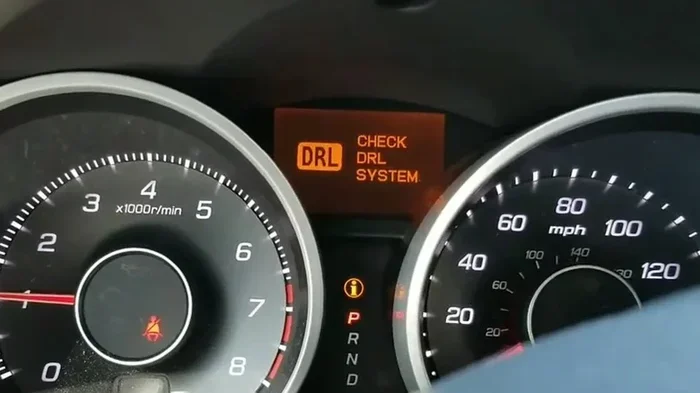
7. Dashboard Warning Lights
Modern cars are equipped with a network of sensors and warning lights. The check engine light and the temperature warning light are two of the most important indicators on your dashboard. When either one comes on, it is your car speaking directly to you.
The temperature warning light often looks like a thermometer or a temperature gauge symbol. When it illuminates, it means the engine temperature has exceeded safe limits. Some cars also display a message on the digital display panel.
Do not wait to see if the light goes away on its own. It will not. A warning light means something needs your immediate attention. Pull over safely, turn off the engine, and assess the situation. Continuing to drive with the warning light on can cause irreversible engine damage.
Common Causes of Engine Overheating
Knowing the signs is only half the battle. Understanding what causes overheating helps you prevent it from happening in the first place. Here are the most common culprits behind a car that keeps overheating.
Low Coolant Levels
Coolant, also called antifreeze, is the lifeblood of your car cooling system. It flows through the engine block and absorbs heat. Then it carries that heat to the radiator, where it cools down and cycles back again.
When coolant levels drop too low, this cycle breaks down. The engine does not get cooled properly, and temperatures rise quickly. Low coolant is often caused by leaks in the hoses, radiator, or water pump. Regularly checking your coolant reservoir is one of the simplest things you can do.
Thermostat Failure
The thermostat is a small valve that controls the flow of coolant through the engine. It opens and closes based on the engine temperature. When the thermostat gets stuck closed, coolant cannot flow to the radiator. The engine overheats within minutes.
Thermostat failure is more common in older vehicles but can happen at any age. Replacing a thermostat is usually an affordable repair. But if you ignore it, the cost of the repair grows fast because of the damage that follows.
Water Pump Problems
The water pump is responsible for circulating coolant through the engine and radiator. If the water pump fails, the coolant stops moving. Even if you have plenty of coolant in the system, it will not do any good if it is not circulating.
Water pump failures can be caused by worn bearings, damaged impellers, or leaks. Some water pumps are driven by the serpentine belt, so a broken belt can also stop the pump from working. Regular belt inspections help catch this issue early.
Radiator Issues
The radiator is the heart of the cooling system. It releases heat from the coolant into the air. When the radiator gets clogged, damaged, or develops leaks, it cannot do its job effectively.
Debris, rust, and old coolant can clog the radiator over time. A clogged radiator reduces airflow and heat exchange. This leads to gradual overheating that gets worse over time. Flushing the radiator during regular maintenance helps prevent this buildup.
Broken Radiator Fan
The radiator fan kicks in when the car is moving slowly or idling. It pulls air through the radiator to cool the coolant. When the fan stops working, the engine can overheat especially in stop-and-go traffic or at idle.
Fan failures can be caused by a faulty fan motor, a broken fan relay, or a blown fuse. If you notice the engine overheating in traffic but cooling down on the highway, a broken radiator fan is a likely suspect.
How to Check if Your Car Is Overheating
If you suspect your car is overheating, there are a few quick checks you can do. These steps help you confirm the problem and decide on the next action.
First, look at the temperature gauge. Is it in the red zone? If yes, your engine is definitely running too hot. Next, look under the hood for any visible steam or coolant puddles. A visual inspection takes less than a minute and can reveal a lot.
Then, check the coolant level in the reservoir. Never open the radiator cap when the engine is hot. The system is under pressure, and opening it can cause hot coolant to spray out and cause serious burns. Wait at least 15 to 20 minutes after turning off the engine before checking anything.
Finally, listen for unusual sounds. Ticking, thumping, or hissing noises from the engine bay are all warning signs. If you notice any combination of these symptoms, it is time to take action.
What to Do When Your Car Starts Overheating
Discovering that your car is overheating on the road can be stressful. But staying calm and following the right steps makes all the difference. Here is what you should do in the moment.
- Turn off the air conditioning. The AC puts extra strain on the engine. Turning it off reduces the heat load immediately.
- Turn on the heater to full blast. This might feel uncomfortable, but it helps pull heat away from the engine. It acts as a secondary cooling system in an emergency.
- Pull over safely and turn off the engine. Do not keep driving. Continuing to drive with an overheating engine can cause the head gasket to blow or the engine block to crack.
- Let the engine cool for at least 15 to 20 minutes. Do not try to open the hood or check anything while the engine is still hot.
- Check the coolant level once it has cooled. If the coolant is low, you can add a mixture of coolant and water to the reservoir. But only do this if the engine has cooled enough to be safe.
- Call for roadside assistance if needed. If you cannot identify or fix the problem, get professional help. Towing is always cheaper than replacing a destroyed engine.
Following these steps can protect both you and your vehicle. The most important thing to remember is this: do not ignore the signs. Acting quickly is the difference between a small repair and a total engine replacement.
Preventing Car Overheating Before It Happens
The best way to deal with car overheating is to prevent it from happening in the first place. Regular maintenance and simple habits go a long way toward keeping your engine cool and running smoothly.
Start by checking your coolant level regularly. Most cars have a transparent coolant reservoir with minimum and maximum markers. Make it a habit to check it once a month. If the level is consistently low, that is a sign of a leak that needs professional attention.
Next, inspect your hoses and belts. Look for cracks, swelling, or soft spots in the hoses. Check the tension on the serpentine belt. A worn belt can snap without warning and take the water pump with it. These simple inspections take just a few minutes each month.
Flush and replace your coolant according to your owner manual. Old coolant loses its effectiveness over time. It can become acidic and start eating away at the inside of the cooling system. Fresh coolant keeps everything running smoothly and protects against corrosion.
Also, keep an eye on your radiator fan. If you notice the fan is not coming on when the engine is warm, get it checked. A working radiator fan is essential for preventing overheating in everyday driving conditions.
Finally, do not ignore small symptoms. A slight rise in the temperature gauge or a faint coolant smell today can become a major engine failure tomorrow. Catching problems early is always cheaper and easier than fixing them after the damage is done.
When to See a Mechanic
Some overheating problems can be handled with basic checks and top-ups. But there are times when professional help is essential. If you have checked the coolant level and it is fine, but the engine still overheats, something deeper is going on.
A mechanic can perform a full cooling system inspection. They can pressure test the system to find hidden leaks. They can also check the water pump, thermostat, and radiator fan for proper operation. These are jobs that require specialized tools and expertise.
If you notice any of the following, it is time to see a mechanic: repeated overheating despite having enough coolant, steam that does not go away after cooling down, or a temperature gauge that fluctuates wildly. These symptoms often point to internal engine damage or a failing component that needs replacement.
Ignoring these signs can lead to a blown head gasket, a cracked engine block, or even a complete engine failure. The cost of a repair visit is always far less than the cost of a new engine. Do not wait until it is too late.
Conclusion
So, is my car overheating? Now you know the 7 key signs and symptoms to watch for. From steam under the hood to a rising temperature gauge, your car gives you plenty of warnings. The key is paying attention and acting quickly when you notice something wrong.
Engine overheating is a serious issue, but it is also very manageable when caught early. Regular maintenance, simple checks, and a basic understanding of your car cooling system can keep you safe and save you hundreds or even thousands of dollars in repair bills.
Do not let a small problem turn into a big one. Stay alert, stay proactive, and take care of your car. It will take care of you in return. Remember these signs, share this information with fellow drivers, and keep your engine running cool for miles to come.
Frequently Asked Questions
Can I keep driving if my car is overheating?
No. Driving an overheating car can cause severe and permanent engine damage. Pull over safely, turn off the engine, and let it cool down. Continuing to drive risks a blown head gasket or a cracked engine block, both of which are expensive repairs.
How long can I drive before engine damage occurs?
It depends on the temperature and the cause. In some cases, just a few minutes of driving with an overheating engine can cause damage. It is never worth the risk. If the temperature gauge is in the red, stop driving immediately and address the problem.
What is the most common reason a car overheats?
The most common reason is a low coolant level, usually caused by a leak somewhere in the cooling system. Other frequent causes include a faulty thermostat, a broken water pump, or a malfunctioning radiator fan. Regular maintenance helps prevent most of these issues.
How much does it cost to fix an overheating car?
The cost varies widely depending on the cause. A simple coolant top-up might cost very little, while a water pump or radiator replacement can range from $300 to $800 or more. A blown head gasket repair can cost over $1,000. Early detection always keeps costs lower.
Does car overheating damage the engine permanently?
Yes, prolonged overheating can cause permanent damage. It can warp the engine block, blow the head gasket, or even crack the cylinder head. In severe cases, the engine may need to be replaced entirely. This is why acting quickly at the first sign of overheating is so important.
How can I prevent my car from overheating?
Regular maintenance is the best prevention. Check your coolant level monthly, inspect hoses and belts for wear, flush the coolant on schedule, and keep an eye on the temperature gauge while driving. These simple habits help your cooling system work properly all year long.