Is Leasing a Car a Good Idea for Your Next Purchase
Is leasing a car a good idea? It depends on your budget, driving habits, and goals. This guide breaks down the real pros and cons of leasing a car, so you can decide if a car lease fits your next purchase. You will learn how payments work, when leasing wins, and the mistakes to avoid.
Is leasing a car a good idea? It is a question many car buyers ask before they sign a contract. Leasing a car means you pay to use a vehicle for a set period instead of buying it outright. You make monthly payments, and at the end of the lease, you return the car. For some people, this works perfectly. For others, buying makes more sense. This guide will help you understand how a car lease works, the real benefits and drawbacks, and whether it fits your life. We will cover everything from monthly lease payments to lease mileage limits. By the end, you will know exactly what to do.
Leasing is not just for luxury cars anymore. Many families lease affordable sedans, SUVs, and even trucks. The process is simple, but the details matter. A small mistake can cost you hundreds of dollars. That is why we broke this down into easy sections. You will learn the pros, the cons, and the tips that dealers do not always tell you. Let us dive in.
Key Takeaways
- Lower monthly payments: Leasing often costs less each month than a car loan.
- Drive a new car often: You can switch to a newer model every 2–3 years.
- No selling hassle: Return the car and walk away when the lease ends.
- Mileage limits matter: Going over your limit adds extra fees.
- No equity built: You never own the vehicle at the end.
- Fees can add up: Acquisition fees, disposition fees, and wear-and-tear charges are common.
- Best for low-mileage drivers: If you drive under 10,000 miles a year, leasing shines.
📑 Table of Contents
What Is Leasing a Car, and How Does It Work?
Understanding the Basics of a Car Lease
A car lease is a long-term rental agreement. You choose a vehicle, agree to a lease term, and pay a monthly lease payment. Most lease terms last 24 to 36 months. During that time, you drive the car up to a set mileage limit. At the end of the lease, you return the vehicle to the dealer. You do not own it. You can then lease a new car or buy one. The whole process is designed to keep you in a new vehicle often.
Think of it like renting an apartment. You pay for the right to live there for a set time. When the lease is up, you move out. A car lease works the same way. The dealer still owns the car. You just pay for the depreciation—the loss in value—plus some fees. This is why monthly lease payments are usually lower than loan payments.
How Lease Payments Are Calculated
Lease payments depend on a few key numbers. The first is the capitalized cost, or cap cost. This is the price of the car, just like the sticker price when you buy. You negotiate this down, just like a purchase. The second is the residual value. This is what the car is expected to be worth at the end of the lease. The third is the money factor. This is like the interest rate on a loan, but it is shown as a small decimal. The lease term also matters. A longer term means smaller payments, but you may pay more overall.
Here is a simple example. Let us say you lease a car with a cap cost of $30,000. The residual value is $18,000 after 36 months. The money factor is 0.00125. You would pay for the $12,000 difference, plus fees, spread over 36 months. The result is a monthly lease payment around $350 before taxes. That is often much lower than a loan payment on the same car.
The Pros of Leasing a Car
Lower Monthly Payments
The biggest draw of a car lease is the lower monthly payment. Because you are only paying for depreciation, not the full price, your payment drops. In many cases, a lease payment is 30% to 50% lower than a loan payment for the same car. This frees up cash each month. You can use that money for savings, travel, or other bills. If you want a nicer car for less money, leasing can make that possible.
Always Drive a Newer Vehicle
Leasing lets you drive a new car every few years. Most people switch leases every 2 to 3 years. That means you always have the latest safety features, technology, and fuel efficiency. New cars also come with full manufacturer warranties. During the lease term, most repairs are covered at no cost to you. You never have to worry about an old car breaking down. This is a huge benefit for people who love new technology.
Minimal Maintenance Worries
New cars need less maintenance. Tires are fresh, brakes are new, and the engine is under warranty. Many lease agreements also include scheduled maintenance. You just bring the car in for oil changes and inspections. This keeps your routine simple. You do not have to track repair costs or find a trusted mechanic. The car stays reliable throughout the lease.
No Hassle with Selling
When you buy a car, selling it later can be a headache. You have to list it, deal with buyers, and handle paperwork. With a lease, you simply return the car. The dealer handles the resale. You walk away clean, as long as you did not damage the vehicle. This is a big time-saver. You do not have to worry about market value or price drops.
The Cons of Leasing a Car
Mileage Limits and Fees
Every lease comes with a mileage limit. Most limits are 10,000 or 12,000 miles per year. If you drive more than that, you pay a fee for every extra mile. These fees can add up fast. They often range from 15 to 30 cents per mile. If you have a long commute or love road trips, this can become expensive. Before you lease, check your average annual mileage. Be honest with yourself. If you go over often, leasing may not be the best choice.
No Ownership Equity
When you lease, you never build equity. The car is not yours at the end of the term. You have nothing to sell or trade in. Some people call this “renting forever.” If you like the idea of owning an asset, leasing might feel empty. A car loan builds value over time. You eventually own the vehicle free and clear. A lease never gives you that. This is a mental factor many people overlook.
Lease-End Costs Can Surprise You
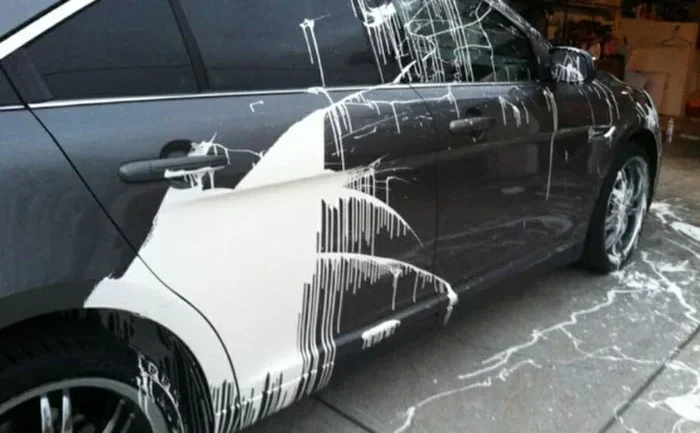
Returning a leased car is not always free. Dealers inspect the vehicle for excess wear and tear. If you have scratches, dents, or worn tires, you pay a fee. There is also a disposition fee, which covers the cost of preparing the car for sale. Some leases have a lease termination fee if you end early. These costs can range from a few hundred to over a thousand dollars. Read the fine print before you sign.
Higher Insurance Costs
Leasing a car often requires higher insurance coverage. Lenders want full coverage with low deductibles to protect their investment. This can raise your monthly insurance bill. In some cases, you may also need gap insurance. Gap insurance covers the difference between what you owe and what the car is worth if it is totaled. While not always required, it is a smart add-on. Check your insurance quotes before you commit to a lease.
Lease vs Buy: Which Makes More Sense?
Deciding between a lease and a loan is a big choice. Both have clear advantages. The right answer depends on your priorities. Let us compare them side by side.
| Factor | Leasing | Buying |
|---|---|---|
| Monthly Payment | Lower | Higher |
| Ownership | No equity | You own the car |
| Mileage | Limited (10k–12k/year) | Unlimited |
| Maintenance | Low (under warranty) | Higher as car ages |
| Long-Term Cost | Higher (never own) | Lower (pay once, drive forever) |
| Flexibility | Return or lease again | Sell or trade in anytime |
When Leasing Wins
Leasing is a great idea if you want a lower monthly payment. It is also ideal if you enjoy driving a new car every few years. People who drive under 10,000 miles a year often save money with a lease. If you want the latest safety tech and never worry about repairs, leasing fits well. It is also smart for business owners who can deduct lease payments. For many, the simplicity of returning the car is a huge win.
When Buying Is Better
Buying makes more sense if you drive a lot of miles. It is also better if you want to keep a car for a long time. If you dislike restrictions, a loan gives you freedom. You can modify the car, sell it anytime, and use it for ridesharing. Over 5 to 10 years, buying often costs less overall. Once the loan is paid off, your payment drops to zero. That is a powerful financial advantage.
Tips for Getting the Best Lease Deal
Negotiate the Capitalized Cost
Many people forget that the cap cost is negotiable. Treat it like a purchase price. Research the fair market value of the car before you go to the dealer. Use sites that show what others pay in your area. Start your negotiation below the sticker price. A lower cap cost means a lower monthly lease payment. Do not let the dealer rush you. Take your time and be firm.
Check the Money Factor
The money factor is hidden in the lease contract. It is the equivalent of an interest rate. To convert it to an APR, multiply by 2,400. For example, a money factor of 0.00125 equals a 3% APR. If the dealer gives you a high money factor, negotiate it down. You can also check your credit score beforehand. A higher credit score usually gets you a better money factor. This can save you hundreds of dollars over the lease term.
Understand the Residual Value
A high residual value is good for you. It means the car holds its value well. That leads to lower monthly payments. Look for cars with strong residual percentages. Brands like Toyota, Honda, and Subaru often have high residuals. Ask the dealer for the residual value percentage. Compare it across different models. A car with a 60% residual is generally better than one with 50%.
Get Everything in Writing
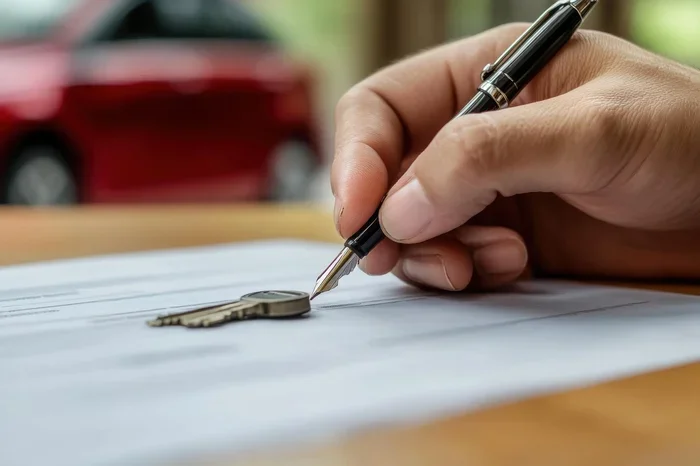
Never rely on verbal promises. Every detail must be in the lease contract. This includes the cap cost, monthly payment, lease term, mileage limit, and all fees. Read every line before you sign. If something is unclear, ask. A good dealer will explain everything. If they do not, walk away. There are always other options.
Common Leasing Mistakes to Avoid
Leasing a car is simple on the surface, but mistakes happen. Here are the most common ones.
- Underestimating mileage: Many people pick a 10,000-mile limit when they actually drive 15,000. This leads to huge over-mileage fees. Be honest about your driving habits.
- Skipping the gap insurance check: If the car is totaled early, regular insurance may not cover the full lease balance. Gap insurance fills that gap. Ask if it is included or if you need to add it.
- Ignoring wear-and-tear rules: The lease defines what is considered normal wear. Excessive wear means extra charges. Get the car detailed before you return it. Fix small dents and replace worn tires.
- Focusing only on the monthly payment: A low payment can hide high fees or a low residual. Always look at the total cost of the lease over its full term.
- Not negotiating the lease terms: Dealers often have set lease programs, but the cap cost and fees are still negotiable. Treat the lease like a purchase, not a take-it-or-leave-it offer.
- Leasing a car you cannot afford: Just because the payment is low does not mean you should stretch your budget. Factor in insurance, fuel, and maintenance costs.
Is Leasing a Car a Good Idea for Your Situation?
So, is leasing a car a good idea for you? It really comes down to your lifestyle and finances. If you want a lower monthly payment, love new technology, and drive fewer than 10,000 miles a year, leasing is a strong choice. You get to enjoy a new car often without the hassle of selling. If you prefer ownership, drive long distances, or want to keep a car for years, buying is the better path.
Think about your long-term goals. Do you want to always have a car payment? Leasing can create that cycle. Do you want to be payment-free eventually? A car loan builds equity and ends. There is no right or wrong answer. The best choice is the one that fits your budget and needs. Use this guide to weigh your options carefully.
Leasing a car can be a smart financial move when done right. It offers flexibility, lower payments, and a worry-free experience. Just remember to read the contract, negotiate hard, and stay within your mileage limit. With the right approach, a car lease can work beautifully for your next purchase.
Conclusion
Is leasing a car a good idea? The answer is not a simple yes or no. Leasing a car offers real benefits like lower monthly payments and always driving a newer vehicle. But it also comes with mileage limits, fees, and no ownership equity. The key is to understand how a car lease works before you sign. Use the tips in this guide to negotiate a fair deal. Check your mileage needs, review all fees, and compare leasing vs buying honestly. Whether you lease or buy, the goal is the same: a car that fits your life and budget without stress. Take your time, do your homework, and you will make the right choice.
Frequently Asked Questions
Is leasing a car a good idea if I drive a lot of miles?
Generally, no. Leasing comes with mileage limits, usually 10,000 to 12,000 miles per year. If you drive more than that, you pay extra fees per mile. These fees can quickly add up and erase the savings of a lower monthly payment. If you have a long commute or love road trips, buying is often the better choice.
What happens at the end of a car lease?
You return the car to the dealer. They inspect it for excess wear and tear and check the mileage. You pay any fees for overages or damage. Then you can walk away, lease a new car, or sometimes buy the leased vehicle at a pre-set price. It is a clean, simple process if you stayed within the rules.
Can I negotiate the monthly lease payment?
Yes. The monthly lease payment is based on the capitalized cost, residual value, and money factor. You can negotiate a lower cap cost, just like a purchase price. You can also ask the dealer to improve the money factor or waive certain fees. Every number is open for discussion.
Do I need gap insurance when leasing a car?
Gap insurance is not always required, but it is highly recommended. It covers the difference between what you owe on the lease and what the car is actually worth if it is totaled or stolen. Without gap insurance, you could owe thousands of dollars even after the insurance payout. Check if your lease includes gap coverage before adding it separately.
Is it cheaper to lease or buy a car in the long run?
Buying is usually cheaper over the long run. When you buy, you eventually own the car and have no more payments. Leasing means you always have a payment if you keep switching leases. However, leasing offers lower monthly costs upfront. The best choice depends on whether you prioritize short-term savings or long-term ownership.
What is a good lease term length?
Most experts recommend a 24- to 36-month lease term. This aligns with manufacturer warranties, which often cover 3 years or 36,000 miles. A shorter term means you pay less overall, but the monthly payment is higher. A longer term lowers the payment but may include higher fees once the warranty expires. Pick the term that fits your budget and coverage needs.