How to Turn On the Heat in a Volvo XC90 the Easy Way
Turning on the heat in your Volvo XC90 is simple once you know the right steps. This guide walks you through every setting, from temperature control to fan speed, so you can stay warm all winter long. We also cover common heating problems and quick fixes that save you time and money. Whether you drive a 2015 model or a brand-new 2024 XC90, these tips work for all years.
Winter mornings can be brutal, especially when you climb into your Volvo XC90 and expect a blast of warm air. But sometimes the heat just refuses to cooperate. Maybe the air stays cold, or the system makes strange noises, or nothing happens at all. Whatever the problem, knowing how your heating system works makes all the difference.
This guide shows you exactly how to turn on the heat in a Volvo XC90 the easy way. We break it down into simple steps that anyone can follow. You will learn about the controls, common problems, and maintenance tips that keep your cabin warm all season long. No confusing jargon, no wasted time. Just clear, practical advice that works.
The Volvo XC90 comes with a modern climate control system that is designed to be intuitive. But intuitive does not always mean obvious. Many drivers miss a simple setting or two that makes a huge difference. By the end of this article, you will know exactly what to do every single time you need heat. Let us get you warm.
Key Takeaways
- Start with the temperature dial: Turn it clockwise toward the red zone to get warm air flowing.
- Set the fan speed correctly: Low speeds work best after the engine warms up.
- Choose the right airflow direction: Point vents toward your feet or face for maximum comfort.
- Check your coolant level: Low coolant is one of the top reasons heat fails in cold weather.
- Replace your cabin filter regularly: A clogged filter blocks warm air from reaching the cabin.
- Use recirculation mode wisely: It heats the cabin faster but can fog up windows if overused.
- Know when to see a mechanic: Persistent heating issues may signal a failing thermostat or heater core.
📑 Table of Contents
Understanding Your Volvo XC90 Heating System
Before you touch any controls, it helps to understand what is happening under the hood. Your Volvo XC90 heating system works alongside the engine cooling system. This might sound backwards, but hear us out. The engine generates a lot of heat while running, and your heating system borrows some of that heat to warm your cabin.
How the Heating System Works
Here is the basic idea. Hot coolant flows from the engine through a small radiator called the heater core. Air blows over the heater core, picks up heat, and then enters your cabin through the vents. The temperature dial controls a valve that adjusts how much hot coolant flows through the heater core. More hot coolant means warmer air. Simple as that.
The fan blower pushes air across the heater core and through the vent system. You control the speed of this fan with the fan dial. The airflow direction vents let you choose where the warm air goes. This is why understanding each control matters so much.
Key Components You Should Know
Your Volvo XC90 has several important parts that work together to produce heat. Here are the ones you should be aware of:
- Heater Core: This small radiator transfers heat from the coolant into the cabin air.
- Thermostat: This valve regulates engine temperature and affects how quickly heat becomes available.
- Blend Door Actuator: This motor controls the mix of hot and cold air coming through the vents.
- Cabin Filter: This filter cleans the air before it enters the cabin. A dirty filter can block airflow and reduce heat output.
- Fan Blower Motor: This motor pushes air through the system and into your cabin.
- Temperature Control Dial: This is the dial or digital slider you use to set your desired cabin temperature.
Knowing these parts helps you understand why heat might not work properly. For example, if the can low coolant cause a car to shake question comes up, the same low coolant level could also stop your heater from working. Coolant is the lifeblood of your heating system, so keeping it at the right level is essential.
Step-by-Step Guide to Turning On the Heat
Now let us get into the practical part. Here is exactly how to turn on the heat in your Volvo XC90, step by step. These steps work for most model years, including the XC90 T5, T6, and T8 variants.
Step 1: Start the Engine and Let It Warm Up
First, start your engine. Do not rush to turn the heat on full blast right away. The engine needs a minute or two to reach operating temperature. When the temperature gauge on your dashboard moves from the cold range to the normal range, your engine is ready. At that point, the coolant is hot enough to produce warm air.
During cold starts, the heat might feel weak or even blow cold air for the first few minutes. This is completely normal. The system is waiting for the engine to warm up. Be patient and let the engine do its job.
Step 2: Adjust the Temperature Dial
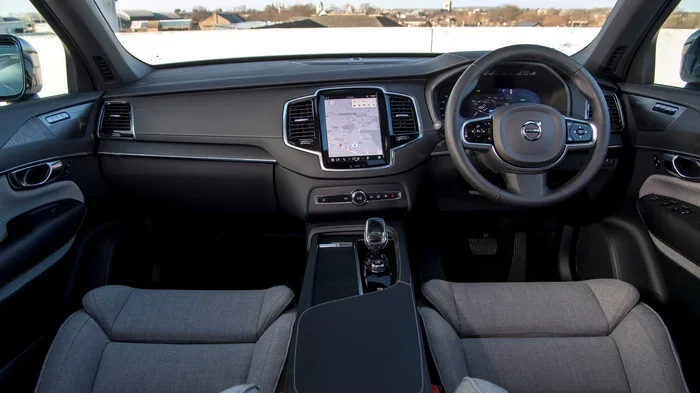
Once the engine is warm, turn the temperature dial clockwise toward the red zone. On older XC90 models, this is a physical dial on the center console. On newer models with automatic climate control, you use the touchscreen or digital controls to set your preferred temperature.
Turn it to your desired warmth level. Most people find that a setting between 72 and 76 degrees Fahrenheit keeps the cabin comfortable. If you have automatic climate control, simply set your target temperature and the system will do the rest.
Step 3: Set the Fan Speed
Next, adjust the fan speed. Start with a low or medium setting. A high fan speed right away can blow cold air before the system is fully ready. Once you feel warm air coming through the vents, you can increase the speed if needed.
On the Volvo XC90, fan speed is controlled by a separate dial or slider, usually marked with fan icons. Some models let you set the fan speed through the digital climate interface. Choose a speed that feels comfortable without being too noisy.
Step 4: Choose the Right Airflow Direction
This step makes a big difference in how warm you feel. Use the airflow direction controls to point the vents where you want the heat. Here are your options:
- Feet Setting: Directs warm air toward the floor. This is great for warming your legs and letting heat rise naturally through the cabin.
- Face Setting: Blows warm air toward your face and chest. Good for quick warmth on cold mornings.
- Defrost Setting: Directs air to the windshield. This is essential for clearing fog and ice but uses more energy.
- Feet and Defrost: A combination setting that warms the cabin while keeping the windshield clear.
For the warmest cabin experience, use the feet setting combined with a low fan speed. This lets the heat build up naturally and keeps everyone comfortable.
Step 5: Use the Recirculation Button
Press the recirculation button to trap warm air inside the cabin. When recirculation is on, the system stops pulling in cold outside air and instead reuses the warm air already inside. This makes the cabin heat up faster and uses less energy.
However, use recirculation in moderation. Leaving it on for too long can cause foggy windows, especially in humid conditions. If you notice fog forming, switch back to fresh air mode for a few minutes.
Common Reasons the Heat Might Not Work
Sometimes you follow all the steps and still no heat. This is frustrating, but it happens. Here are the most common reasons your Volvo XC90 heater might not work properly.
Low Coolant Levels
Your heating system depends on hot coolant flowing through the heater core. If your coolant level is low, there is not enough hot fluid to produce heat. This is one of the most common reasons for no heat in any vehicle, and the Volvo XC90 is no exception.
Check your coolant reservoir when the engine is cool. If the level is below the minimum line, top it off with the correct type of coolant for your XC90. You can also check for leaks around the hoses, radiator, and water pump. A drop in coolant level over time usually means there is a leak somewhere that needs attention.
Keep in mind that low coolant does not just affect your heating. It can also cause engine overheating, which leads to serious damage. If you notice your temperature gauge climbing, pull over safely and check the coolant level right away.
Clogged Cabin Filter
The cabin filter sits behind the glove box and filters the air that enters your cabin. Over time, it collects dust, pollen, leaves, and other debris. A clogged cabin filter restricts airflow, which means less warm air reaches you. This is a very common cause of weak heat in the Volvo XC90.
Replacing the cabin filter is one of the easiest maintenance tasks you can do. Most owners can do it themselves in about 15 minutes. If you are unsure whether your cabin filter needs replacing, check it. A dirty filter will look dark and clogged with debris. For more details on how cabin filters affect airflow, you can read about whether a dirty cabin filter can stop the AC, since the same principle applies to your heating system.
Faulty Blend Door Actuator
The blend door actuator is the small motor that controls how much hot and cold air mixes before reaching the vents. If this actuator fails, it can get stuck in the cold position. You might notice that no matter how far you turn the temperature dial toward hot, the air stays cold.
A clicking or grinding noise from the dashboard area often signals a failing blend door actuator. This is a relatively common issue on Volvo XC90 models and can be repaired by a mechanic. The fix usually involves replacing the actuator, which is not too expensive or time-consuming.
Thermostat Problems
The thermostat regulates the flow of coolant through the engine. If it gets stuck in the open position, the engine runs too cool and never produces enough heat. If it gets stuck closed, the engine overheats. Either way, a bad thermostat can mess up your heating system.
Watch for signs like a temperature gauge that takes a long time to climb or fluctuates between hot and cold. These are clues that your thermostat might need replacing.
Tips for Getting Maximum Heat Fast
Sometimes you need heat right now, not in five minutes. Here are some quick tips to get your Volvo XC90 cabin warm as fast as possible.
Use the Defrost Setting at Startup
When you first start the car in freezing weather, set the system to defrost mode. This directs all the airflow to the windshield, which helps clear frost and fog quickly. Once the windows are clear, switch to your preferred airflow direction and temperature setting.
Warm Up the Engine Before Cranking the Heat
Give your engine about 3 to 5 minutes to warm up before turning the heat to maximum. This lets the coolant reach the right temperature so the heater core can produce genuinely warm air. Turning the heat on too early just blows cold air and can actually slow down the warm-up process.
Keep Your Windows Slightly Cracked at First
In very cold and humid conditions, warm air can fog up the windows quickly. If you crack the windows slightly for the first minute or two, the moisture escapes and your visibility stays clear. Then close them up and enjoy the warmth.
Park in a Garage When Possible
This one is simple but effective. Parking in a garage keeps your Volvo XC90 warmer, which means the engine reaches operating temperature faster and the heating system starts working sooner. It also protects your vehicle from snow and ice buildup on the windows and vents.
Pre-Heat Using the Volvo App
If your XC90 supports remote start or pre-conditioning through the Volvo app, use it. You can start the engine and turn on the heat from your phone before you even walk out the door. This is especially useful on freezing winter mornings when you want a warm cabin right away.
Maintaining Your Volvo XC90 Heating System
Prevention is always better than repair. Regular maintenance keeps your heating system working reliably year after year. Here is what you should do.
Check Coolant Levels Regularly
Make it a habit to check your coolant level every few weeks during the winter months. Low coolant is the number one cause of heating problems, and it can also lead to engine damage if left unchecked. Use the correct coolant type recommended for your Volvo XC90, which is usually a pink or green extended-life coolant depending on your model year.
Replace the Cabin Filter on Schedule
The cabin filter should be replaced every 15,000 to 20,000 miles, or at least once a year. If you drive in dusty or polluted areas, you may need to replace it more often. A clean cabin filter ensures good airflow and strong heat output. Keeping your air filter clean also supports overall engine health. For more on this, check out whether a dirty air filter can cause your car to overheat, since a clogged filter affects engine performance and temperature regulation.
Inspect the Heater Hoses
The hoses that carry coolant to and from the heater core can degrade over time. Look for cracks, soft spots, or coolant leaks near the hoses. Replacing a heater hose early prevents bigger problems like coolant loss and heating failure.
Flush the Cooling System
Over time, coolant breaks down and loses its effectiveness. Flushing the cooling system and replacing the coolant according to your Volvo maintenance schedule keeps the system running efficiently. Fresh coolant transfers heat better and protects the engine and heating system from corrosion.
When to See a Mechanic
Some heating problems are simple fixes you can handle yourself. But others need professional attention. Here are signs that it is time to visit a mechanic.
- No heat at all: If you get cold air no matter what settings you try, the problem could be a broken thermostat, a failed water pump, or a clogged heater core.
- Sweet smell inside the cabin: A sweet, syrupy smell often means coolant is leaking into the cabin through the heater core. This needs immediate attention.
- Foggy windows that will not clear: If the defrost system does not clear your windows, the airflow or heater core may be malfunctioning.
- Coolant puddles under the car: This indicates a leak somewhere in the cooling system that is affecting your heat output.
- Temperature gauge reading abnormal: If your engine runs too hot or too cold, the thermostat or water pump may be failing.
A qualified mechanic can diagnose these issues quickly and get your Volvo XC90 heating system back in working order. Do not ignore heating problems, especially in winter. Driving without proper heat is not just uncomfortable, it can also be unsafe.
Final Thoughts
Learning how to turn on the heat in a Volvo XC90 the easy way is something every owner should know. The process is straightforward once you understand the controls and the system behind them. Start the engine, let it warm up, adjust the temperature dial, set the fan speed, and choose your airflow direction. It really is that simple.
But staying warm is not just about the controls. It is also about maintenance. Check your coolant levels, replace your cabin filter on schedule, and pay attention to warning signs. A well-maintained heating system keeps you comfortable and safe through the coldest months of the year.
If you run into problems that simple steps cannot fix, do not hesitate to see a mechanic. A professional diagnosis can save you time, money, and a lot of shivering. Your Volvo XC90 is built to perform in all conditions, and with the right care, the heat will keep you warm no matter how cold it gets outside.
Stay warm, stay safe, and enjoy every drive in your XC90 this winter season.
Frequently Asked Questions
Why is my Volvo XC90 heater blowing cold air even when it is warm outside?
This usually means the thermostat is stuck open, preventing the engine from reaching the right temperature. It can also be caused by a low coolant level or a faulty blend door actuator. Check your coolant level first, and if that is fine, have a mechanic inspect the thermostat and blend door.
How long does it take for the heat to work after starting a Volvo XC90?
In normal conditions, you should feel warm air within 3 to 5 minutes of driving. In very cold weather, it may take 5 to 10 minutes. If you still get no heat after 10 minutes, there may be an underlying issue with your coolant level or heating system components.
Can a dirty cabin filter cause weak heat in a Volvo XC90?
Yes, absolutely. A clogged cabin filter restricts airflow, which reduces the amount of warm air that reaches the cabin. Replacing the cabin filter is an easy and inexpensive fix that can restore strong heat output. Most owners should replace it at least once a year.
Is it normal for the Volvo XC90 heat to fluctuate between hot and cold?
Slight fluctuations are normal, especially if the thermostat is cycling. However, large swings between hot and cold air often indicate a failing thermostat, low coolant, or a problem with the blend door actuator. Have a mechanic check the system if the fluctuations are severe or persistent.
Does the Volvo XC90 have a manual or automatic heating system?
It depends on your model and trim level. Many XC90 models come with automatic climate control that lets you set a target temperature and the system adjusts the fan, airflow, and temperature mix automatically. Older or base models may have manual controls with separate dials for temperature and fan speed. Both systems work the same way at their core.
How much does it cost to repair a Volvo XC90 heating system?
The cost varies widely depending on the problem. Replacing a cabin filter costs around 30 to 75 dollars. A thermostat replacement typically runs 150 to 300 dollars. A blend door actuator repair usually costs between 200 and 400 dollars. More complex issues like a heater core leak can cost 500 dollars or more. Always get a quote from a trusted mechanic before proceeding with repairs.
=== CONCLUSION ===
Now you know exactly how to turn on the heat in a Volvo XC90 the easy way. From understanding your heating system to following the step-by-step guide, you are fully equipped to stay warm all winter long. Remember to maintain your coolant levels, replace your cabin filter regularly, and pay attention to warning signs. With the right care, your Volvo XC90 heating system will keep you comfortable in any weather. Stay warm and enjoy the drive.