How to Reset the Tire Pressure Sensor on a Nissan Murano
Resetting the tire pressure sensor on a Nissan Murano is a simple process you can do at home in minutes. Whether your TPMS light stays on after filling your tires or you just replaced a sensor, this guide walks you through every method. We cover the manual reset, the dashboard button method, and when to seek professional help for your Nissan Murano maintenance.
This is a comprehensive guide about How to Reset the Tire Pressure Sensor on a Nissan Murano.
Key Takeaways
- Quick Reset: You can reset the TPMS light on a Nissan Murano using the dashboard button in under five minutes.
- Multiple Methods: There are three main ways to reset the sensor, including manual, ignition, and scanner-based methods.
- Common Causes: Temperature changes, slow leaks, and dead sensor batteries are the top reasons the light comes back on.
- Safety First: Always check your tire pressure reading before resetting the system to ensure your tires are properly inflated.
- Know When to Seek Help: If the light persists after a reset, it may signal a deeper issue like a faulty sensor or tire pressure sensor battery replacement.
[FEATURED_IMAGE_PLACEHOLDER]
How to Reset the Tire Pressure Sensor on a Nissan Murano
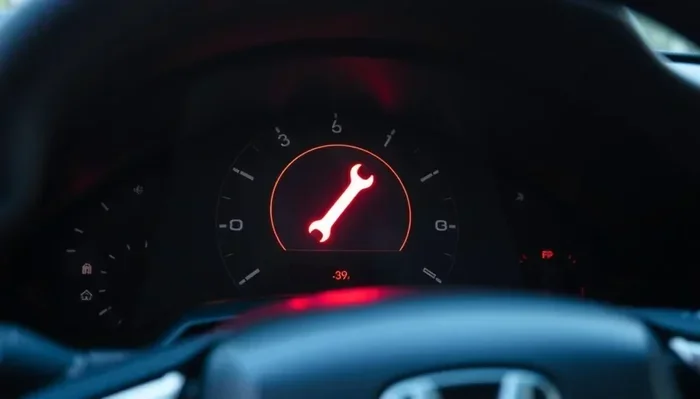
That little yellow light on your dashboard shaped like a horseshoe with an exclamation mark can really throw you off. One minute you are driving just fine, and the next, your Nissan Murano is telling you something is wrong with the tires. It is a scary moment for any driver, but here is the good news. Most of the time, this is something you can fix yourself without visiting a mechanic. In this guide, we will walk you through exactly how to reset the tire pressure sensor on a Nissan Murano, step by step. We will also cover why the light comes on in the first place, what tools you need, and how to keep your tire pressure monitoring system running smoothly for miles to come.
The TPMS reset process on a Murano is straightforward, but it helps to understand what you are dealing with first. Your Nissan Murano uses a tire pressure monitoring system that keeps an eye on the air pressure inside each tire. When the pressure drops below the recommended level, the system triggers a warning. Sometimes the light stays on even after you fix the problem. That is where the reset comes in. Think of it like clearing a notification on your phone. The issue is resolved, but the system needs a nudge to know everything is okay again.
Before we dive into the reset methods, let us talk about why this matters. Driving on underinflated tires is dangerous. It reduces fuel efficiency, wears out your tires unevenly, and increases the risk of a blowout. According to the National Highway Traffic Safety Administration, underinflated tires contribute to thousands of accidents every year. So when that tire pressure warning light comes on, do not ignore it. Check your tires first, then reset the system. This simple routine can save you money, keep you safe, and extend the life of your tires.
Why Does the Tire Pressure Light Come On?
Understanding the root cause helps you know whether a simple reset will do the trick or if something deeper is going on. The low tire pressure light on a Nissan Murano can activate for several reasons. Let us break them down so you know exactly what to look for.
Temperature Changes
This is the most common culprit, especially during seasonal shifts. When the temperature drops, the air inside your tires contracts. This causes the pressure to decrease, which triggers the TPMS light. A cold morning in winter is the classic scenario. You wake up, walk out to your Murano, and there it is. The good news is that adding a little air often fixes this, followed by a quick reset.
Slow Leaks
A slow leak is harder to spot but just as problematic. A tiny puncture from a nail, a worn valve stem, or a poor seal between the tire and rim can all cause a gradual loss of air. Over a few days or weeks, the pressure drops enough to trigger the warning. If you find yourself resetting the light frequently, grab a tire pressure gauge and check each tire. You might be dealing with a leak that needs professional repair.
Dead Sensor Battery
Each tire pressure sensor has a small battery inside. These batteries typically last between five and ten years. When the battery dies, the sensor cannot communicate with the Murano TPMS module, and the warning light stays on. A reset will not fix this. You will need to replace the sensor battery or the entire sensor unit. This is a common reason the light persists even after a proper reset.
Recent Tire Changes
Did you just get new tires, rotate your tires, or change a flat? The system might need a recalibration. After any tire work, the sensors may need to be reprogrammed so the tire pressure monitoring system recognizes the new pressure levels. This is a perfect time to perform a TPMS reprogram to keep everything in sync.
Tools You Will Need
Before you start the reset process, gather a few simple items. You do not need anything fancy or expensive. Here is what you will want to have on hand:
- Tire pressure gauge: A basic handheld gauge lets you check the actual pressure in each tire before you reset. This ensures you are not clearing a warning that is still valid.
- Air compressor or air pump: You may need to add air to one or more tires before the reset. Gas stations often have coin-operated air pumps that work perfectly.
- Owner’s manual: Your Nissan Murano owner’s manual has the exact recommended tire pressure for your specific model year. Check the sticker on the driver’s side door jamb as well.
- Flat-head screwdriver or TPMS tool: Some reset procedures require accessing a button under the dashboard or using a specialized TPMS reset tool.
Having these tools ready saves time and frustration. It also ensures you are following the correct tire pressure reset procedure for your vehicle. If you are someone who likes to stay on top of Nissan Murano maintenance, keeping these items in your garage or trunk is a smart move.
Method 1: Dashboard Button Reset (Most Common)
This is the most popular method for resetting the TPMS light on a Nissan Murano. Most models from 2011 onward use this approach. It is simple, fast, and requires no special equipment.
Step-by-Step Instructions
- Check and inflate your tires: Before anything else, make sure all four tires are at the recommended pressure. You can find the exact number on the driver’s side door jamb sticker or in your owner’s manual. Use your tire pressure gauge to verify each tire.
- Turn the ignition to the ON position: Do not start the engine. Just turn the key or press the start button so the dashboard lights up.
- Locate the TPMS reset button: On most Nissan Murano models, this button is located beneath the steering column on the left side. It may be labeled “TPMS” or have a tire icon. If you are having trouble finding it, refer to your owner’s manual.
- Press and hold the reset button: Press and hold the button until the tire pressure warning light on the dashboard blinks three times. This confirms the system has entered reset mode.
- Start the engine: Turn the key to start the car or press the start button. Let the engine idle for about 20 minutes. During this time, the system recalibrates and learns the current tire pressure levels.
- Check the dashboard: After 20 minutes, the warning light should turn off. If it stays on, you may need to repeat the process or try a different method.
This method works well for most situations where the light comes on due to a minor pressure drop or temperature change. It is the go-to method for many Murano owners who want a quick tire pressure reset without any hassle.
Method 2: Ignition Cycle Reset
If the dashboard button method does not work, or if your specific Murano model does not have a dedicated TPMS button, the ignition cycle method is your next best option. This approach uses the ignition switch to trigger the reset sequence.
Step-by-Step Instructions
- Make sure your tires are properly inflated: This is non-negotiable. You must have the correct tire pressure reading in all four tires before attempting this reset.
- Turn the ignition to the OFF position: Make sure the engine is completely off and the car is stationary.
- Turn the ignition to the ON position (do not start): Wait for the dashboard lights to illuminate fully.
- Turn the ignition back to OFF: Wait about five seconds.
- Repeat the cycle two more times: ON, OFF, ON, OFF, ON. On the third time you turn it to ON, the TPMS light should blink and then turn off after the system completes its recalibration.
- Start the engine and drive: Drive the Murano for about 10 to 15 minutes. The system should relearn the tire pressure values and the warning light should remain off.
This method is especially useful for older Murano models or situations where the reset button is hard to access. It takes a bit more patience, but it gets the job done. Many owners who have dealt with a stubborn tire pressure light flashing find that this second method clears the warning effectively.
Method 3: Using a TPMS Scanner Tool
For more persistent issues or if you want a professional-level reset, a TPMS scanner tool is the way to go. These devices connect to your Murano’s onboard diagnostic system and allow you to reprogram the tire pressure monitoring system directly.
When to Use a Scanner Tool
You should consider using a TPMS scanner in the following situations:
- The light keeps coming back after a manual reset
- You have replaced a tire pressure sensor battery
- You have installed new sensors after a tire service
- The dashboard displays individual tire pressure readings that seem incorrect
- You want to check the battery health of each sensor
How to Use the Scanner
- Purchase or borrow a TPMS scanner: You can find affordable scanners at auto parts stores or online. Some OBD2 scanners also support TPMS functions.
- Connect the scanner to the OBD2 port: The port is usually located under the dashboard on the driver’s side. Plug the scanner in and turn the ignition to ON.
- Follow the on-screen prompts: Select the TPMS menu, choose your vehicle model (Nissan Murano), and select the reset or reprogram option.
- Drive the vehicle: After the scanner completes the reset, drive for 10 to 15 minutes to allow the system to relearn the tire pressures.
This method gives you the most control over the TPMS reprogram process. It is especially helpful if you are dealing with a dead tire sensor battery or if the system needs a full recalibration after significant tire work.
Common Mistakes to Avoid
Resetting the tire pressure sensor seems simple enough, but people make mistakes that cause frustration and even safety issues. Here are the most common errors to watch out for.
Resetting Without Checking Tire Pressure First
This is the number one mistake. If you reset the system without first ensuring your tires are properly inflated, you are just hiding a real problem. The light will come right back on, and you will be right back where you started. Always verify your tire pressure reading with a gauge before attempting any reset.
Ignoring a Flashing Light
A steady TPMS light usually means the pressure is low. A flashing light often indicates a malfunction with the sensor itself. If your light is flashing, do not just reset it. Have the sensors inspected by a professional. A flashing light can signal a damaged sensor or a communication problem that a simple reset will not fix.
Using the Wrong Tire Pressure
Every vehicle has a specific recommended tire pressure. Using the wrong pressure, even if it is close, can trigger the warning light and affect your vehicle’s handling and fuel economy. Always refer to the sticker on the driver’s door jamb or your owner’s manual for the exact specifications for your Nissan Murano.
Skipping the Drive Cycle
After performing a reset, you need to drive the vehicle for the system to recalibrate. If you turn off the car immediately after a reset, the system may not fully relearn the tire pressures. The light might come back the next time you start the car. Give yourself 10 to 15 minutes of driving after every reset.
Not Replacing Dead Sensor Batteries
If the light persists despite a proper reset and correctly inflated tires, the sensor battery is likely dead. A reset will not fix a dead battery. You will need to replace the battery or the entire sensor. Ignoring this can lead to inaccurate readings and a permanently illuminated warning light.
Preventing Future TPMS Alerts
Once you have successfully reset the tire pressure sensor on your Nissan Murano, you probably want to keep that light off for good. The good news is that a little regular maintenance goes a long way. Here are some tips to help you avoid future TPMS warnings.
- Check your tire pressure monthly: Get into the habit of checking all four tires at least once a month. A tire pressure gauge costs just a few dollars and can save you a lot of headaches.
- Monitor seasonal temperature changes: Cold weather is the most common trigger for low-pressure warnings. During winter months, check your tires more frequently and add air as needed.
- Inspect your tires regularly: Look for visible damage, uneven wear, or objects embedded in the tread. Catching a slow leak early prevents it from triggering the TPMS light.
- Replace sensor batteries on schedule: If your Murano is more than five years old, consider having the sensor batteries checked during routine tire services. Proactive replacement prevents unexpected failures.
- Keep your tires properly rotated: Regular tire rotation helps ensure even wear and consistent pressure across all four tires. This supports healthy tire pressure monitoring system performance.
Taking care of your tires is one of the simplest forms of Nissan Murano maintenance. It keeps you safe, improves fuel economy, and prevents those annoying dashboard warnings. Many Murano owners who stay on top of their tire care go months or even years without a TPMS issue.
When to See a Professional
Most TPMS resets are DIY-friendly, but there are times when professional help is the right call. If you have tried all three reset methods and the light keeps coming back, something deeper may be going on. Here are the signs that it is time to see a mechanic:
- The warning light stays on after a complete reset and properly inflated tires
- You see a specific tire showing low pressure that you cannot locate the leak for
- The dashboard displays a sensor malfunction message
- You have recently replaced sensors and the system will not recognize them
- The tire pressure sensor battery needs replacement but you are not comfortable doing it yourself
A certified mechanic or tire specialist has the tools and expertise to diagnose issues that go beyond a simple reset. They can scan the system for error codes, test individual sensors, and replace faulty components. If you are unsure, it is always better to get a professional opinion than to keep driving with a persistent warning light.
How Resetting the TPMS Relates to Overall Car Health
It is easy to think of the TPMS as just another dashboard nuisance, but it is actually an important part of your vehicle’s overall health. Properly inflated tires improve handling, braking, and fuel efficiency. They also help your car last longer. Regular tire pressure checks and timely resets are small actions that contribute to the longevity of your Nissan Murano. Just as you would not ignore an overheat warning or a check engine light, you should not ignore the TPMS light either.
Taking care of the small things is what separates drivers who get 200,000 miles out of their vehicles from those who need a new car every five years. Checking your tire pressure and resetting the TPMS when needed is a perfect example of this mindset. It is quick, easy, and incredibly effective at keeping your Murano running its best.
Conclusion
Resetting the tire pressure sensor on a Nissan Murano is a straightforward process that most owners can handle in under ten minutes. Whether you use the dashboard button method, the ignition cycle method, or a TPMS scanner tool, the key is to always check your tire pressure first. A reset is only effective when the underlying issue is resolved. By following the steps in this guide, you can clear the warning light, drive safely, and keep your tire pressure monitoring system functioning properly.
Remember, the TPMS light is your car trying to communicate with you. It is not something to ignore or dismiss. Take it seriously, check your tires, and reset the system when needed. With a little regular attention, you can keep your Nissan Murano running smoothly and safely for many miles ahead. For more tips on Nissan Murano maintenance and keeping your vehicle in top shape, explore our other guides on car care and repair.
If you are dealing with related issues like understanding what other dashboard warnings mean or learning more about your vehicle’s maintenance schedule, staying informed is the best approach. Regular Nissan Murano maintenance keeps everything running smoothly, from the tire pressure sensor to the engine and beyond. Take the time to learn your vehicle, and it will take care of you for years to come.
Frequently Asked Questions
How do I know if my tire pressure is low on a Nissan Murano?
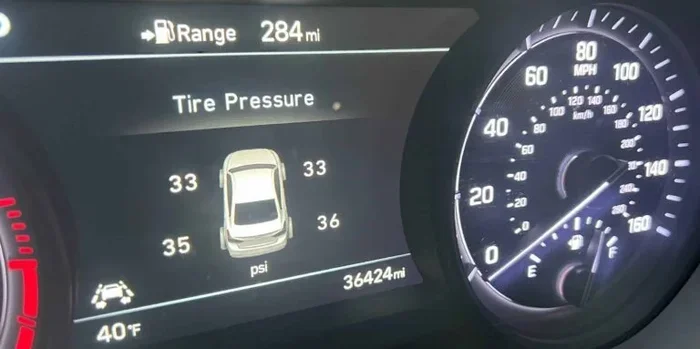
The easiest way is to use a tire pressure gauge to check each tire. You can also look at the dashboard display if your Murano has a digital tire pressure readout. The recommended pressure is listed on the driver’s side door jamb sticker or in the owner’s manual.
Can I drive with the TPMS light on?
You can drive short distances, but it is not recommended. The tire pressure warning light means your tires are underinflated, which affects handling, braking, and fuel economy. Check your tire pressure as soon as possible and add air if needed.
How often should I reset the TPMS on my Nissan Murano?
You should only reset the TPMS after addressing the cause of the warning. If you add air to a low tire or adjust the pressure, then a reset is appropriate. Resetting without fixing the underlying issue will not solve the problem and the light will return.
What does a flashing TPMS light mean on a Nissan Murano?
A flashing TPMS light usually indicates a malfunction with the sensor itself, not just low pressure. This could mean a dead sensor battery, a damaged sensor, or a communication error. Have the system inspected by a professional as soon as possible.
How much does it cost to replace a tire pressure sensor on a Nissan Murano?
The cost varies depending on the model year and whether you replace just the battery or the entire sensor unit. Individual sensors typically range from $50 to $100 each, plus labor if you have a professional install them. Some Nissan Murano maintenance shops offer bundle pricing for all four sensors.
Will the TPMS light reset itself after I fill my tires?
In some cases, yes. After you inflate your tires to the correct pressure, the system may reset automatically after a few minutes of driving. If the light does not turn off on its own, you can use the dashboard button method or ignition cycle method to manually trigger a TPMS reset.