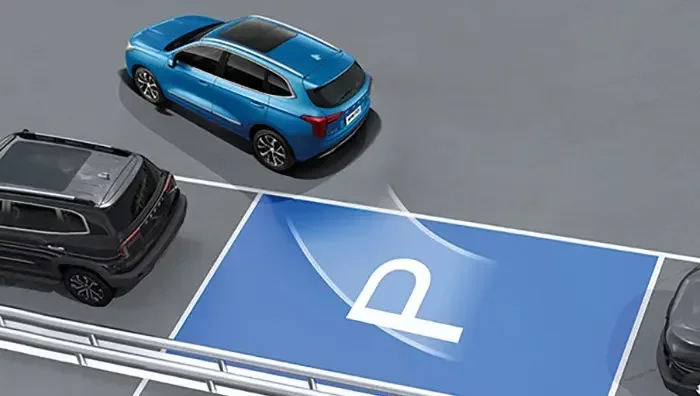
Master How to Park a Haval Easily With These Simple Tips
Parking a Haval doesn’t have to be stressful. This guide covers easy parking techniques, sensor usage, and mirror adjustments to help you park your Haval with confidence in any situation. Whether you’re a new Haval owner or just looking to improve your parking skills, these simple tips will make your daily driving smoother and safer.
Parking a Haval can feel tricky at first. The vehicle is wider than many cars, and the blind spots can catch you off guard. But here’s the good news. With the right approach, you can park your Haval easily and confidently every single time.
This guide walks you through everything you need to know. From basic mirror adjustments to advanced reverse parking techniques, we’ve got you covered. You’ll learn how to use your Haval’s built-in parking tech, avoid common mistakes, and park smoothly in tight spaces. Let’s get started.
Key Takeaways
- Adjust your mirrors and seat position before parking to gain full visibility around your Haval.
- Use your parking sensors and cameras wisely, but don’t rely on them alone for safe parking.
- Master reverse parking first because it gives you better control and visibility when exiting.
- Practice parallel parking in empty lots until it becomes second nature.
- Know your Haval’s dimensions so you can judge spaces accurately every time.
- Use steering assist features carefully and understand when to turn them off for manual control.
- Regular maintenance keeps parking systems working properly, so keep up with service schedules.
📑 Table of Contents
- Why Parking a Haval Requires Special Attention
- Set Up Your Vehicle Before Parking
- Master the Basic Parking Techniques
- Use Parking Technology Wisely
- Common Parking Mistakes to Avoid
- Keep Your Parking Systems in Good Shape
- Parking in Different Situations
- Build Confidence Through Practice
- Final Thoughts
Why Parking a Haval Requires Special Attention
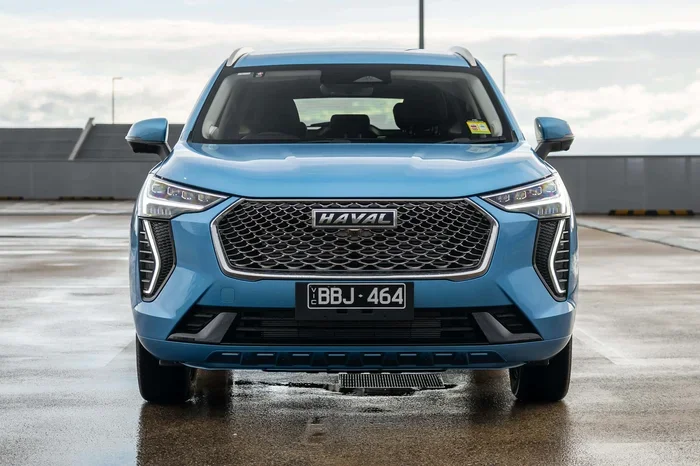
Haval SUVs are popular for good reason. They offer great space, strong performance, and solid build quality. But their size also means parking takes a bit more awareness than a compact car. Understanding this upfront sets you up for success.
The Haval H6, for example, is a mid-size SUV with a longer wheelbase. This gives you room inside but can make tight parking spots feel smaller. The good news is that once you learn the basics, parking becomes automatic. You just need practice and the right mindset.
Know Your Haval’s Dimensions
Before you practice any parking technique, learn your Haval’s length, width, and turning radius. You can find these numbers in your owner’s manual. Knowing how big your vehicle is helps you judge parking spaces quickly.
For instance, the Haval H6 is about 186 inches long and 76 inches wide. That’s roughly 15 feet long and over 6 feet wide. When you’re scanning a parking lot, picture those numbers in your head. It makes finding a good spot much easier.
Set Up Your Vehicle Before Parking
Great parking starts before you even turn the wheel. A few simple adjustments make a huge difference. Take these steps every time you park.
Adjust Your Seat and Mirrors
Sit in your driver’s seat and adjust it so you can see the road clearly. Your mirrors should give you a wide view of both sides. Here’s a quick checklist.
- Center your rearview mirror to see the full back window.
- Adjust the left side mirror to reduce the blind spot on your left.
- Adjust the right side mirror the same way.
- Make sure your seat position lets you reach the pedals comfortably.
When your mirrors are set right, you see more of the space around you. This alone cuts down parking stress by a lot.
Understand Your Parking Sensors and Camera
Most newer Haval models come with parking sensors and a rear camera. These tools are helpful, but they’re not perfect. The sensors beep when you’re close to objects, and the camera shows you what’s behind you.
Use them as guides, not replacements for your own eyes. Sometimes sensors don’t pick up low objects like curbs or small poles. Keep your hands on the wheel and stay alert at all times.
Master the Basic Parking Techniques
There are three main types of parking you’ll use every day. Each one works best in different situations. Let’s break them down.
Perpendicular Parking (Head-In)
This is the most common type of parking. You drive straight into a space, usually in a parking lot. It’s the easiest method for most drivers.
Here’s how to do it with a Haval. First, slow down as you approach the row of parked cars. Pick a space that gives you a few extra feet on each side. Turn your signal on so other drivers know what you’re doing.
As you enter the space, turn the wheel toward the spot. Guide the car in slowly. Use your side mirrors to check the gap between your Haval and the cars next to you. Stop when you’re centered and straight.
Reverse Parking (Back-In)
Reverse parking means you back into a space. It might feel scarier at first, but it’s actually one of the best methods. When you leave, you drive forward, which gives you better visibility.
To reverse park, pull up past the space you want. Turn on your right blinker if you’re parking on the right side. Check your mirrors and over your shoulder. Then, slowly back in, turning the wheel toward the space.
Once the front of your Haval clears the car behind the space, straighten the wheel. Keep backing up slowly until you’re centered. This method works great in tight lots and is a skill worth practicing.
Parallel Parking
Parallel parking is the trickiest for most people. But it’s a must-know skill, especially in city driving. The good news is that Haval models have enough length to make this easier than you think.
Find a space that’s about one and a half times the length of your Haval. Pull up alongside the car in front of the open space. Leave about two feet between your vehicles. Check your mirrors, then start backing up slowly.
Turn the wheel toward the curb as you reverse. Keep checking all around you. When your Haval is at a 45-degree angle, turn the wheel the other way to straighten out. Adjust forward or backward until you’re flush with the curb.
Use Parking Technology Wisely
Modern Haval vehicles come packed with parking technology. These features make parking easier, but you need to know how to use them properly.
Parking Assist Systems
Some Haval models offer active parking assist. This system can actually steer the car into a spot for you. You just control the speed with the brake pedal.
Here’s what to keep in mind. The system works well in standard parking lots. But it might struggle in tight or unusual spaces. Always stay alert and keep your hands near the wheel. If the system asks you to take over, do it right away.
It’s also worth noting that you can turn off steering assist features if you prefer manual control. For more details on managing steering assist, check out this guide on Can You Turn Off Steering Assist In A Toyota. While it’s Toyota-specific, the general concept of disabling assist features applies across many brands.
360-Degree Camera Systems
If your Haval has a 360-degree camera, use it whenever possible. This system gives you a bird’s-eye view of the space around your vehicle. It’s especially helpful in tight parking garages.
The camera combines feeds from multiple cameras into one view. You can see walls, poles, and other cars that you might miss from the driver’s seat. Use it as your parking buddy, especially in unfamiliar areas.
Common Parking Mistakes to Avoid
Everyone makes parking mistakes sometimes. But knowing what to avoid saves you from dents, scratches, and frustration.
Rushing the Process
Hurry is the enemy of good parking. When you rush, you misjudge distances and make sloppy turns. Take your time. There’s no prize for being the fastest parker in the lot.
If someone is waiting behind you, just let them know you’re parking carefully. Most people understand. And if they don’t, that’s their problem, not yours.
Ignoring Your Mirrors
Your mirrors are your best friends when parking. Too many drivers rely only on the front and rear windows. But mirrors show you the sides of your Haval that you can’t see directly.
Make it a habit to check all mirrors before and during every parking move. This one simple change prevents a lot of accidents.
Parking Without Checking for Obstacles
Always walk around your Haval before parking. Look for kids, pets, shopping carts, or any object that might be in your path. This takes five seconds and saves you from costly damage.
Also, check the ground surface. Wet pavement, gravel, or slopes change how your car moves. Adjust your parking approach accordingly.
Keep Your Parking Systems in Good Shape
Your Haval’s parking features need regular care to work properly. Just like any other part of your vehicle, they need attention.
Clean Your Sensors and Cameras
Parking sensors sit on your bumpers. They can get dirty from road grime, mud, or snow. When they’re dirty, they might not beep correctly or at all.
Wipe your sensors down regularly with a soft cloth. Clean your camera lens too, especially in winter or after driving through rain. A quick wipe keeps everything working smoothly.
Stay Current on Service
Regular maintenance keeps your Haval running at its best. If your parking systems start acting up, get them checked right away. You can visit any authorized service center for help. For more on service options, this article on Can I Take My Toyota To Any Dealer For Service offers helpful general advice about service flexibility.
Also, keep your tires properly inflated. Tire pressure affects how your vehicle handles in tight spaces. A well-maintained Haval parks much easier than one that’s been neglected.
Parking in Different Situations
Not all parking situations are the same. Here are a few common scenarios and how to handle them with your Haval.
Parking on a Hill
Hill parking requires extra caution. Always turn your wheels toward the curb when parking facing uphill. If you’re facing downhill, turn your wheels away from the curb. This way, if your brakes fail, the car rolls into the curb instead of into traffic.
Engage your parking brake every time you park on a hill. It’s a simple habit that keeps your Haval safe.
Parking in Tight Garages
Garages can be very narrow. Know the height clearance before you drive in. Haval SUVs are tall, so low ceilings can be a problem.
Use your 360-degree camera if you have one. Go slow. It’s better to inch in carefully than to scrape the walls or ceiling. If the space feels too tight, don’t force it. Find another spot.
Parking in Snow or Ice
Winter parking comes with its own challenges. Clear all snow and ice from your windows, mirrors, and sensors before you drive off. This gives you full visibility.
When backing out of a snowy spot, go very slow. Your tires might slip on ice. Gentle steering and smooth braking keep you in control. If you’re stuck, rock the car gently rather than spinning the wheels.
Build Confidence Through Practice
The best way to park a Haval easily is to practice regularly. Find an empty parking lot and set up cones or chairs as mock obstacles. Practice perpendicular parking, reverse parking, and parallel parking until it feels natural.
You don’t need to practice for hours. Even 15 minutes a week makes a big difference. Over time, parking becomes something you do without thinking. It just becomes part of your driving routine.
Remember, every expert was once a beginner. Don’t get frustrated if you don’t get it right away. Keep practicing, stay patient, and you’ll master it in no time.
Final Thoughts
Parking a Haval doesn’t have to be a headache. With the right setup, good techniques, and a little practice, you can park with ease and confidence. Use your mirrors, trust your sensors, and never rush the process.
Take care of your parking systems through regular maintenance. And always stay aware of your surroundings. These habits protect your Haval and keep you safe every time you park.
Start using these tips today. You’ll notice a difference right away. Happy parking!
Frequently Asked Questions
What is the easiest way to park a Haval?
Perpendicular parking (head-in) is the easiest method for most Haval drivers. It requires the fewest maneuvers and gives you the most visibility when pulling out. Practice this first before trying reverse or parallel parking.
Do Haval models come with parking sensors?
Yes, most newer Haval models include parking sensors and a rear camera as standard or optional features. Higher trims may also offer a 360-degree camera system and active parking assist for even easier parking.
How do I clean my Haval’s parking sensors?
Use a soft cloth and warm water to gently wipe the sensors on your bumpers. Avoid harsh chemicals that could damage the sensor surface. Clean them regularly, especially after driving through mud or snow.
Can I use parking assist in all Haval models?
Parking assist availability depends on your specific Haval model and trim level. Check your owner’s manual or ask your dealer about which parking features your vehicle includes. Not all models have active steering assist.
How often should I have my parking systems checked?
Have your parking sensors and cameras inspected during your regular service appointments. If you notice the sensors beeping incorrectly or the camera showing a blurry image, get them checked right away.
Is reverse parking better than forward parking?
Reverse parking is often considered better because you drive forward when leaving, which gives you better visibility. It also makes exiting the spot safer and easier, especially in busy parking lots.
=== INTERNAL LINKS ===