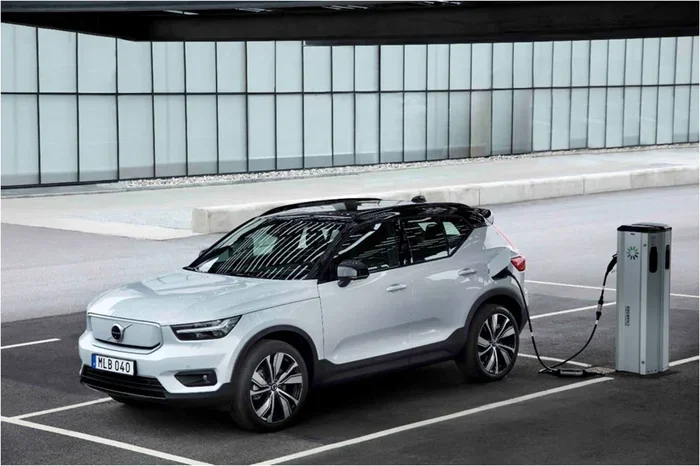
How to Charge a Volvo XC40 at Home and on the Road
Charging a Volvo XC40 is simple once you know your options. This guide covers home charging setups, public stations, and road trip tips. You will learn the charging times, costs, and best practices to keep your Volvo XC40 ready to go.
Key Takeaways
- Home Charging Is the Easiest Option: A Level 2 wallbox charger gives you full overnight charging every night.
- Public Charging Stations Are Widely Available: DC fast charging can add significant range in under an hour.
- Charging Time Varies by Method: Level 1 is slow, Level 2 is ideal for home, and DC fast is best for road trips.
- Battery Longevity Depends on Habits: Avoid frequent fast charging and keep your battery between 20% and 80%.
- Cost Savings Are Real: Home charging costs far less than gasoline over time.
- The Volvo XC40 Recharge Offers Great Range: You can comfortably handle daily commutes and weekend trips.
📑 Table of Contents
- How to Charge a Volvo XC40: The Complete Guide
- Understanding Your Volvo XC40 Charging Options
- Setting Up Home Charging for Your Volvo XC40
- Using Public Charging Stations on the Road
- Charging Time and Cost: What to Expect
- Tips to Maximize Your Volvo XC40 Battery Life
- Common Charging Mistakes to Avoid
- The Future of Volvo XC40 Charging and EV Infrastructure
- Final Thoughts on Charging Your Volvo XC40
How to Charge a Volvo XC40: The Complete Guide
Owning a Volvo XC40 Recharge means you never need to visit a gas station again. But charging an electric vehicle can feel confusing at first. Where do you plug in? How long does it take? Is home charging even worth it?
This guide answers all of those questions and more. We will walk you through every charging option for the Volvo XC40. Whether you charge at home, at work, or on a road trip, you will find clear steps and practical advice here.
The Volvo XC40 is a compact electric SUV that blends style with strong performance. Its battery offers a solid range for daily driving and weekend adventures. Understanding how to charge it properly helps you get the most out of every mile.
Let us start with the basics and work our way through everything you need to know about Volvo XC40 charging.
Understanding Your Volvo XC40 Charging Options
The Volvo XC40 Recharge supports multiple charging methods. Each option has its own speed, cost, and convenience level. Knowing what is available helps you choose the right setup for your lifestyle.
Level 1 Charging: The Slow but Simple Option
Level 1 charging uses a standard household outlet. You plug the included charging cable directly into a regular wall outlet. This requires no special equipment or installation.
However, Level 1 charging is very slow. It adds about 3 to 5 miles of range per hour. A full charge from empty can take over 24 hours. This method works best for plug-in hybrids with smaller batteries or as an emergency backup.
For most Volvo XC40 owners, Level 1 is not practical for daily use. It is better suited for occasional top-ups or short commutes.
Level 2 Charging: The Best Choice for Home
Level 2 charging is the gold standard for home EV charging. It uses a 240-volt outlet, similar to what your dryer or oven uses. You will need a wallbox charger installed by a licensed electrician.
Level 2 charging adds about 25 to 30 miles of range per hour. A full charge typically takes 7 to 10 hours. This means you can plug in when you get home from work and have a full battery by morning.
The convenience of Level 2 home charging is hard to beat. You wake up every day with a full tank, so to speak. Most EV owners consider this the best investment they make after buying the car.
DC Fast Charging: Power on the Road
DC fast charging uses high-powered public stations. These stations can add up to 100 miles of range in about 30 minutes. The Volvo XC40 supports DC fast charging through its CCS (Combined Charging System) port.
DC fast charging is perfect for road trips and quick pit stops. However, it costs more per kilowatt-hour than home charging. Frequent use can also slightly reduce battery longevity over time.
When you are on the road, public EV charging stations are becoming more common every year. Major highway corridors now have fast chargers in many locations.
Setting Up Home Charging for Your Volvo XC40
Home charging is the most convenient way to power your Volvo XC40. It is also the most affordable. Setting up a home charging station involves a few simple steps.
Step 1: Choose Your Charging Equipment
You need a Level 2 wallbox charger for home installation. Volvo offers its own recommended home charger, but third-party options work too. Look for a charger that supports the J1772 connector standard.
Most wallbox chargers range from 7.4 kW to 11 kW. A higher kW rating means faster charging. For the Volvo XC40, a 7.4 kW charger is usually sufficient and works with most home electrical setups.
Step 2: Hire a Licensed Electrician
Do not attempt to install the charger yourself. A licensed electrician will assess your home’s electrical panel and wiring. They will install a dedicated 240-volt circuit for the charger.
Installation costs typically range from $500 to $1,500. This includes the electrician’s labor and any needed electrical upgrades. Some regions offer rebates or incentives that can reduce this cost.
Step 3: Install and Test Your Charger
Once installed, your electrician will test the charger to make sure it works safely. You will plug your Volvo XC40 into the wallbox using the provided charging cable. An LED indicator on the charger shows the charging status.
Most wallbox chargers connect to Wi-Fi. This lets you monitor charging through a smartphone app. You can schedule charging during off-peak electricity hours to save even more money.
Quick Tips for Home Charging
- Install the charger in your garage or covered driveway to protect it from weather.
- Set a charging schedule to take advantage of lower nighttime electricity rates.
- Keep the charging cable organized and protected from damage.
- Label your charging station so family members know how to use it.
Using Public Charging Stations on the Road
Even with home charging, you will sometimes need to charge away from home. Public charging stations make this easy and convenient.
Finding Charging Stations Near You
Several apps help you locate public EV charging stations. PlugShare, ChargePoint, and Electrify America are popular options. These apps show real-time availability, charger types, and pricing.
You can also use your car’s built-in navigation system. The Volvo XC40 displays nearby charging stations on the map. It even shows whether a charger is available or in use.
How Public Charging Works
Most public stations require an app or RFID card to start charging. Some stations accept credit cards directly at the plug. You simply connect the cable to your Volvo XC40’s charging port and follow the on-screen instructions.
The charging port on the Volvo XC40 is located on the front driver side. It has a flap that opens to reveal the connector. Use the CCS connector for DC fast charging.
Charging on Road Trips
Road trips in an electric Volvo XC40 are very doable with a little planning. Map out your route and identify charging stops along the way. Plan to charge every 150 to 200 miles to stay comfortable.
Fast charging speeds mean you spend less time waiting. A 20 to 30 minute stop gives you enough range to reach the next station. Think of it like stopping for coffee and a snack.
If you are comparing EV charging options, you might wonder how different vehicles handle charging. For example, can you charge a Prius Prime at a Tesla station? The answer depends on the connector type, and it is a great example of how EV charging compatibility varies across brands.
Charging Time and Cost: What to Expect
Understanding charging time and cost helps you plan your routine. Here is a breakdown of what to expect with each method.
| Charging Method | Power Level | Time to Full (0-100%) | Cost per Charge |
|---|---|---|---|
| Level 1 (Home Outlet) | 1.4 kW | Over 24 hours | $5 – $10 |
| Level 2 (Home Wallbox) | 7.4 kW | 7 – 10 hours | $8 – $15 |
| DC Fast Charging (Public) | 50 – 150 kW | 30 – 50 minutes | $15 – $30 |
Home charging is by far the most affordable option. The average cost of electricity in the United States is about $0.13 per kilowatt-hour. Charging your Volvo XC40 at home costs roughly $8 to $15 per full charge.
Compare that to gasoline. The average driver spends $40 to $60 per week on fuel. Over a year, EV charging saves thousands of dollars.
DC fast charging costs more per session but saves valuable time. It is best reserved for road trips or situations where you need a quick boost.
Tips to Maximize Your Volvo XC40 Battery Life
Your battery is the most expensive component of your electric Volvo XC40. Taking care of it extends its lifespan and maintains range over time.
Follow the 20-80 Rule
Avoid charging your battery to 100% every day. Keeping the charge between 20% and 80% reduces stress on the battery cells. This simple habit can add years of healthy life to your battery.
Use scheduled charging to stop at 80% overnight. Most wallbox chargers let you set a charge limit through the app.
Minimize Fast Charging
DC fast charging is convenient but generates more heat in the battery. Excess heat over time can degrade battery health. Use fast charging only when you need it, such as on long road trips.
For daily driving, stick with Level 2 home charging. It is gentler on the battery and much cheaper.
Manage Temperature Exposure
Extreme heat and cold affect battery performance. Park in a garage or shaded area when possible. In very cold weather, pre-condition the cabin while the car is still plugged in.
The Volvo XC40 has a battery thermal management system. It helps regulate temperature, but you can support it with smart parking habits.
Keep Software Updated
Volvo regularly releases over-the-air software updates. These updates can improve battery management and charging efficiency. Keep your car connected to Wi-Fi to receive the latest improvements.
Taking care of your battery pays off in the long run. Many Volvo owners report excellent battery health even after several years of ownership.
Common Charging Mistakes to Avoid
Even experienced EV drivers sometimes make charging mistakes. Avoid these common pitfalls to get the best performance from your Volvo XC40.
Leaving the Battery at 100% for Too Long
Storing your car at full charge for extended periods stresses the battery. If you are not driving for a few days, charge to about 80% and unplug. This keeps the battery in a healthy state.
Using the Wrong Charging Cable
Always use the cable that came with your car or one approved by Volvo. Using an incompatible cable can damage the charging port or the battery management system. Check the connector type before plugging in at a public station.
Ignoring Charging Port Maintenance
Keep the charging port clean and dry. Dirt and moisture can cause charging errors or slow charging speeds. A quick wipe-down during your regular car wash routine goes a long way.
Waiting Until the Battery Is Completely Empty
Do not let your battery drain to 0% regularly. Deep discharges put extra strain on the battery cells. Plug in when the charge drops to around 20% for the best long-term health.
Overlooking Charging Cost Differences
Not all public charging stations have the same pricing. Some charge by the minute, others by the kilowatt-hour. Use an app to compare rates and find the best deal. Home charging almost always wins on cost.
The Future of Volvo XC40 Charging and EV Infrastructure
Electric vehicle infrastructure is growing rapidly. More fast chargers are being installed every month across the country. The Volvo XC40 benefits from this expanding network.
Volvo is also investing in charging technology. The company is working on faster charging speeds and improved battery chemistry. Future Volvo XC40 models may offer even better range and shorter charging times.
Home energy systems are another exciting development. Some owners pair their wallbox charger with solar panels. This reduces charging costs to nearly zero and makes your EV even more eco-friendly.
As EV adoption grows, charging becomes easier and more accessible. Owning a Volvo XC40 today means you are positioned well for the future of driving.
Final Thoughts on Charging Your Volvo XC40
Charging a Volvo XC40 is straightforward and rewarding. Home charging with a Level 2 wallbox gives you the best daily experience. Public fast charging keeps you moving on longer trips.
Follow the tips in this guide and you will enjoy years of efficient, cost-effective electric driving. Take care of your battery, plan your charging stops, and embrace the electric lifestyle.
The Volvo XC40 Recharge is a fantastic electric SUV. With the right charging setup, it delivers everything you need for commuting, errands, and adventures. Start your EV journey with confidence.
Frequently Asked Questions
How long does it take to charge a Volvo XC40 at home?
With a Level 2 wallbox charger, a full charge takes about 7 to 10 hours. Most owners plug in overnight and wake up to a full battery every morning. Level 1 charging using a standard outlet takes much longer, over 24 hours for a full charge.
Can I use a Tesla charging station with my Volvo XC40?
No, Tesla Superchargers use a proprietary connector that is not compatible with the Volvo XC40. The XC40 uses the CCS (Combined Charging System) connector for DC fast charging. However, adapters are being developed for cross-brand compatibility as EV standards evolve.
How much does it cost to charge a Volvo XC40 at home?
Home charging costs roughly $8 to $15 per full charge, depending on your local electricity rates. At an average of $0.13 per kilowatt-hour, a full charge costs significantly less than filling a gas tank. Over a year, EV owners save thousands compared to gasoline vehicles.
What is the driving range of a Volvo XC40 on a full charge?
The Volvo XC40 Recharge offers a range of approximately 220 to 230 miles on a full charge. Actual range varies based on driving habits, weather conditions, and terrain. Highway driving at high speeds tends to reduce range compared to city driving.
Is it safe to charge my Volvo XC40 in the rain?
Yes, it is completely safe. EV charging equipment is designed and tested to withstand wet conditions. The Volvo XC40 charging port has built-in safety features that prevent electrical hazards. Always inspect the cable and connector for damage before charging in wet weather.
How often should I charge my Volvo XC40 battery?
You can charge daily without harming the battery. Most owners plug in every night at home. Following the 20-80 rule by setting a charge limit helps preserve long-term battery health. Avoid letting the battery drop below 20% regularly.