How Much Is Car Insurance in Colorado for Residents
Car insurance in Colorado typically costs between $1,400 and $2,100 per year for a standard policy. Rates depend on your driving record, location, age, and the type of coverage you choose. This guide breaks down everything you need to know about Colorado car insurance cost, from minimum requirements to money-saving tips.
If you live in Colorado and are shopping for auto insurance, you are probably wondering what kind of price tag you are looking at. The truth is, car insurance in Colorado varies a lot from one person to the next. Your rate could be very different from your neighbor’s even if you both drive the same vehicle.
Understanding how much you will pay is the first step toward finding a policy that fits your budget and your needs. In this guide, we break down the average costs, the factors that drive those numbers, and practical ways to save. Whether you are a new driver or shopping for a better deal, this article has you covered.
Key Takeaways
- Average Cost: Colorado drivers pay around $1,400 to $2,100 per year for full coverage auto insurance.
- Minimum Requirements: Colorado requires 25/50/15 liability coverage as its financial responsibility standard.
- Key Factors: Your age, driving record, credit score, and location heavily influence your premium.
- Coverage Types: Full coverage includes liability, collision, and comprehensive policies for better protection.
- Savings Tips: Bundling policies, raising deductibles, and asking for discounts can lower your rate significantly.
- Colorado-Specific Risks: Weather events like hail and flooding can impact rates and coverage needs.
📑 Table of Contents
- Average Car Insurance Costs in Colorado
- Minimum Car Insurance Requirements in Colorado
- Factors That Affect Your Colorado Car Insurance Rate
- Types of Coverage You Should Consider
- How to Find the Best Car Insurance in Colorado
- Common Mistakes Colorado Drivers Make with Car Insurance
- Expert Insights on Colorado Car Insurance
- Key Takeaways
- Conclusion
Average Car Insurance Costs in Colorado
The average driver in Colorado pays somewhere between $1,400 and $2,100 per year for a full coverage policy. That works out to roughly $120 to $175 per month. For a basic liability-only policy, the cost drops to around $600 to $900 per year.
These numbers come from national averages and industry data. Your actual rate could be higher or lower depending on several factors we will cover below. The key takeaway is that Colorado car insurance cost is close to the national average, which is good news for your wallet.
Full Coverage vs. Minimum Coverage
Full coverage means you carry liability, collision, and comprehensive insurance. Minimum coverage means you only carry what the state requires. Here is a quick comparison:
- Full Coverage: $1,400 to $2,100 per year
- Minimum Coverage (Liability Only): $600 to $900 per year
- Liability Only (State Minimum): $500 to $750 per year
Full coverage costs more upfront, but it protects you from a much wider range of expenses. If you have a loan on your vehicle or a newer car, full coverage is usually worth the extra cost.
Minimum Car Insurance Requirements in Colorado
Colorado is not a no-fault insurance state. That means fault matters after an accident. The state requires drivers to carry a specific amount of liability coverage. This is called the financial responsibility law.
The minimum requirements in Colorado are 25/50/15. Here is what that means in plain language:
- $25,000 for bodily injury per person
- $50,000 for bodily injury per accident
- $15,000 for property damage per accident
These numbers represent the lowest amount of coverage you can legally carry. However, they may not be enough to cover the full cost of a serious accident. Medical bills and vehicle repairs can easily exceed these limits. Many experts recommend carrying well above the minimum.
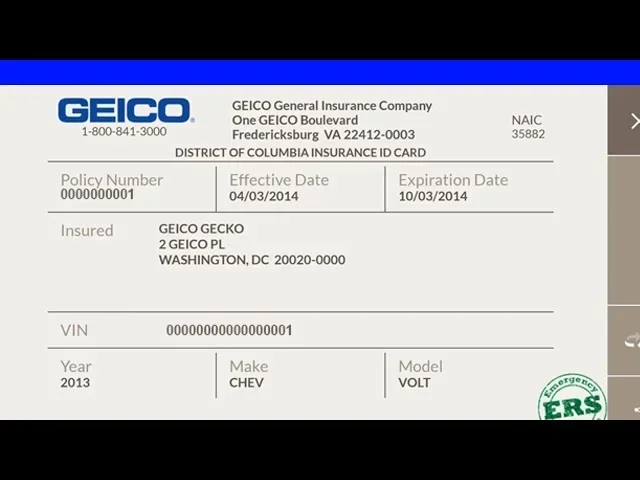
Colorado also accepts SR-22 insurance as proof of financial responsibility for drivers who have had serious violations. If you need an SR-22 filing, expect your rates to go up. An SR-22 is not a type of insurance itself but a certificate your insurer files with the state.
Factors That Affect Your Colorado Car Insurance Rate
Why does your neighbor pay less than you for the same type of coverage? Insurance companies look at many factors when setting your auto insurance rates Colorado drivers pay. Let us go through the big ones.
Your Driving Record
A clean driving record is your best friend when it comes to insurance. If you have tickets, accidents, or DUI violations on your record, your premium will go up. Colorado takes DUI offenses seriously, and a DUI conviction can stay on your record for years. If you want to learn more about how DUI accidents are handled by insurance, check out this guide on does car insurance cover DUI accidents.
Even a single speeding ticket can add $200 to $400 to your annual premium. Safe driving pays off in more ways than one.
Your Age and Experience
Young drivers pay the highest rates. If you are under 25, expect to pay more than someone in their 40s. Insurance companies view younger drivers as higher risk. As you gain experience and maintain a clean record, your rates will naturally come down.
Senior drivers may also see rate changes, especially after age 70. But overall, middle-aged drivers with good records get the best rates.
Your Location Within Colorado
Where you live in Colorado matters. Drivers in Denver and Colorado Springs typically pay more than those in smaller towns. Urban areas have more traffic, more accidents, and higher theft rates. Rural areas tend to have lower premiums.
Even your zip code can make a difference. A neighborhood with a high claim rate will push your premium up. On the flip side, living in a low-crime area can help you save.
Your Credit Score
In Colorado, insurers can use your credit score to help set your rate. A higher credit score usually means lower premiums. This is because studies show a correlation between credit scores and claim frequency.
If your credit score is not where you want it to be, focus on improving it over time. Even a small boost can lead to noticeable savings on your car insurance premium Colorado drivers pay.
Your Vehicle Type
The car you drive plays a role too. A brand new SUV will cost more to insure than a older sedan. Sports cars and luxury vehicles also come with higher premiums. Insurance companies look at the vehicle’s value, repair costs, and safety ratings when calculating your rate.
If you are curious about how much a specific vehicle might cost to insure, knowing the car price in the US is a helpful starting point. For example, you can check the cost of vehicles like this how much is a brand new car guide to get a sense of the bigger picture.
Types of Coverage You Should Consider
Colorado’s minimum requirements are just the starting point. Most experts recommend adding extra layers of protection. Here are the key types of coverage to consider for your Colorado car insurance policy.
Liability Coverage
This is the coverage Colorado requires by law. It pays for injuries and property damage you cause to others in an accident. It does not cover your own injuries or vehicle damage.
Think of liability coverage as protecting other people from your driving. It is essential, but it is not enough on its own for most drivers.
Collision Coverage
Collision coverage pays for damage to your vehicle after an accident, regardless of who is at fault. This is especially important if you have a car loan or lease. Without it, you would have to pay out of pocket for repairs.
Your car insurance deductible Colorado drivers choose affects this coverage. A higher deductible lowers your premium but means you pay more at the time of a claim.
Comprehensive Coverage
Comprehensive coverage protects your vehicle from non-accident damage. This includes theft, vandalism, hail, flooding, and falling objects. Colorado’s weather can be harsh, with hailstorms causing significant damage every year.
For example, if a severe storm causes flooding in your area, having comprehensive coverage can save you thousands. To understand what flood-related damage is covered, read more about does car insurance cover flood damage.
Uninsured and Underinsured Motorist Coverage
This coverage kicks in when the other driver does not have enough insurance or none at all. Unfortunately, not everyone on the road carries adequate coverage. In Colorado, about 13% of drivers are uninsured.
This type of coverage protects your medical bills and vehicle repairs when the other driver is at fault but cannot pay. It is one of the most overlooked but valuable additions to any policy.
Medical Payments Coverage
Colorado does not require personal injury protection (PIP), but medical payments coverage is a good alternative. It covers your medical expenses after an accident, regardless of fault. This can help with hospital bills, ambulance costs, and rehabilitation.
How to Find the Best Car Insurance in Colorado
Shopping for insurance does not have to be overwhelming. With a clear plan, you can find a policy that offers great coverage at a fair price. Here is how to approach it.
Get Multiple Quotes
The single best way to save money is to compare quotes from several insurers. Each company uses its own formula to set rates. What one company charges, another might offer for much less.
Use online comparison tools, or contact agents directly. Get at least three quotes before making a decision. The savings can be significant.
Ask About Discounts
Most insurers offer discounts you may not know about. Here are some common ones:
- Safe Driver Discount: For drivers with clean records
- Bundling Discount: For combining auto and home insurance
- Good Student Discount: For students with decent grades
- Low Mileage Discount: For drivers who put few miles on the odometer
- Defensive Driving Discount: For completing a certified driving course
Do not be afraid to ask your agent about every available discount. Even one discount can save you $100 or more per year.
Consider Raising Your Deductible
A higher deductible means you pay more out of pocket if you file a claim. But it also means a lower monthly premium. If you have enough savings to cover a $1,000 or $2,000 deductible, this strategy can save you real money over time.
Just make sure the deductible amount is something you can comfortably afford in an emergency.
Review Your Policy Regularly
Your insurance needs change over time. If you pay off your car loan, move to a new area, or add a teen driver, your policy should reflect those changes. Reviewing your coverage annually ensures you are not paying for things you do not need.
Also, removing unnecessary coverage can lower your car insurance rate Colorado residents deal with. Talk to your agent about adjustments every year or two.
Common Mistakes Colorado Drivers Make with Car Insurance
Avoiding common pitfalls can save you money and headaches. Here are mistakes many Colorado drivers make when buying or maintaining their insurance.
Choosing the Cheapest Policy Without Reading the Fine Print
A low price sounds great until you need to file a claim. Cheap policies often come with high deductibles, low coverage limits, or missing coverage types. Always read the full policy details before signing.
Not Reporting Changes to Your Insurer
If you move, get a new vehicle, or add a driver to your household, you need to update your policy. Failing to do so can lead to denied claims or even policy cancellation.
Dropping Coverage After Your Loan Is Paid Off
Once your car loan is paid off, you might be tempted to drop collision and comprehensive coverage. But if your vehicle still has significant value, keeping this coverage protects your investment.
On the other hand, if your car is old and not worth much, dropping full coverage might make sense. Use a car insurance comparison tool to weigh the costs and benefits.
Ignoring the Impact of a Hit and Run Incident
Colorado has a notable number of hit and run incidents, especially in urban areas. If you are ever involved in one, your insurance coverage matters. Understanding how hit and run cases are handled by insurers can help you navigate the process. Learn more about does car insurance cover hit and run accidents to be prepared.
Forgetting About Gap Insurance
If you have a car loan and your vehicle is totaled, your insurance payout might not cover the remaining loan balance. Gap insurance fills that gap. If you are curious about whether you need gap insurance on a used car, check out this do I need gap insurance on a used car guide.
Gap insurance is especially important in the first few years of a car loan when the loan balance exceeds the vehicle’s actual cash value.
Expert Insights on Colorado Car Insurance
Insurance professionals in Colorado often share the same advice: do not just look at the price tag. The cheapest policy is not always the best value. Consider the insurer’s customer service reputation, claims processing speed, and financial stability.
Colorado’s unique geography and weather patterns also play a role. Hailstorms in the Front Range are common and can cause extensive vehicle damage. Make sure your comprehensive coverage includes hail damage. Similarly, if you live near mountain areas, consider the impact of wildlife collisions, which are also covered under comprehensive policies.
Experts also recommend maintaining continuous coverage. Lapses in your policy can lead to higher rates and even difficulty getting insured in the future. Set up automatic payments or calendar reminders to avoid any gaps.
Key Takeaways
- Average Cost: Colorado drivers pay around $1,400 to $2,100 per year for full coverage.
- State Minimum: Colorado requires 25/50/15 liability coverage, but higher limits are recommended.
- Major Rate Factors: Your driving record, age, location, credit score, and vehicle type all matter.
- Coverage Types: Liability, collision, comprehensive, uninsured motorist, and medical payments coverage each serve a different purpose.
- Savings Strategies: Bundle policies, ask for discounts, raise deductibles, and shop around for the best quotes.
- Avoid Common Mistakes: Do not skip coverage, ignore policy updates, or choose a policy based on price alone.
Conclusion
Car insurance in Colorado does not have to break the bank. With the right knowledge and a proactive approach, you can find a policy that offers solid protection at a fair price. Start by understanding the state’s minimum requirements, then evaluate your personal needs. Consider your driving habits, your vehicle, and the risks specific to your area.
Take the time to compare quotes, ask about discounts, and review your coverage at least once a year. Small efforts today can lead to significant savings over the life of your policy. The best insurance is the one that protects you when you need it most, not just the cheapest one on the shelf.
Use the tips in this guide to make confident decisions about your Colorado car insurance. Stay informed, stay protected, and drive with peace of mind knowing you have the right coverage in place.
Frequently Asked Questions
What is the average cost of car insurance in Colorado?
The average driver in Colorado pays between $1,400 and $2,100 per year for full coverage. For minimum liability-only coverage, the cost drops to around $500 to $900 per year. Your exact rate depends on your driving record, age, location, and the coverage levels you choose.
Is Colorado a no-fault insurance state?
No, Colorado is not a no-fault state. It follows a tort system, which means the at-fault driver is responsible for paying damages after an accident. Colorado requires drivers to carry minimum liability coverage of 25/50/15 to meet financial responsibility laws.
What is the minimum car insurance required in Colorado?
Colorado requires 25/50/15 liability coverage. This means $25,000 for bodily injury per person, $50,000 for bodily injury per accident, and $15,000 for property damage per accident. While this is the legal minimum, most experts recommend carrying higher limits for better protection.
How can I lower my car insurance rate in Colorado?
You can lower your rate by bundling auto and home insurance, raising your deductible, maintaining a clean driving record, and asking for all available discounts. Comparing quotes from multiple insurers is also one of the most effective ways to find a lower premium.
Does car insurance cover hail damage in Colorado?
Yes, hail damage is covered under comprehensive coverage. Colorado’s Front Range area is known for frequent hailstorms, so comprehensive coverage is especially important for drivers in this region. Without comprehensive coverage, hail damage repairs would come out of your pocket.
Do I need gap insurance if I have a car loan in Colorado?
Gap insurance is highly recommended if you have a car loan, especially in the first few years. It covers the difference between your vehicle’s actual cash value and the remaining loan balance if your car is totaled. Without gap insurance, you could owe thousands on a loan for a vehicle that is no longer drivable.