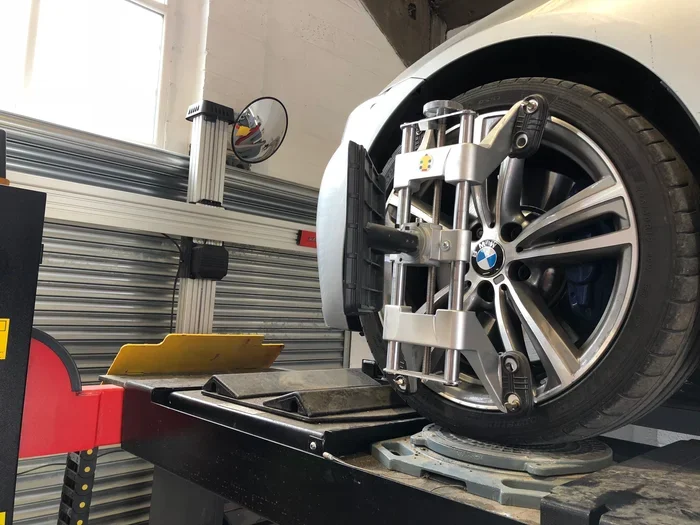
How Much Does an Alignment Cost for a BMW Right Now
The BMW alignment cost typically ranges from $150 to $400, depending on the model, type of alignment, and where you get the service done. A standard two-wheel alignment costs less, while a four-wheel alignment on newer BMW models can push the price higher. Understanding what drives the BMW wheel alignment cost helps you budget smartly and avoid unnecessary repairs down the road.
Let’s talk about something every BMW owner deals with eventually — alignment. Whether you just bought a used 3 Series or you’re keeping your shiny new X5 for the long haul, your BMW wheel alignment plays a huge role in how the car drives, how your tires wear, and even how safe your ride feels. But here’s the question on everyone’s mind: how much does an alignment cost for a BMW?
The short answer? It depends. The BMW alignment cost can swing quite a bit based on your model, the type of alignment you need, and where you take the car. In this guide, I’m going to walk you through everything. We’ll break down the numbers, explain why prices differ, and show you how to spot the signs that your car is begging for an alignment service. By the end, you’ll know exactly what to expect — and how to avoid getting overcharged.
So grab a coffee, settle in, and let’s dive into the world of BMW maintenance costs. This is one of those topics where a little knowledge goes a long way toward keeping your wallet happy and your car running right.
Key Takeaways
- Average BMW alignment cost: $150 to $400 depending on alignment type and model
- Two-wheel vs. four-wheel alignment: The type of alignment significantly impacts the final price
- BMW dealer vs. independent shop: Dealers charge more but use OEM equipment and certified technicians
- Common signs of misalignment: Pulling to one side, uneven tire wear, and a crooked steering wheel
- DIY risks: Attempting alignment without proper tools can damage your suspension and cost more in the long run
- Regular alignment checks: Every 6,000 miles or after hitting a pothole can extend tire life and improve safety
📑 Table of Contents
- What Is a BMW Wheel Alignment and Why Does It Matter?
- How Much Does an Alignment Cost for a BMW?
- Signs Your BMW Needs an Alignment
- Factors That Affect BMW Alignment Cost
- Quick Tips to Save Money on BMW Alignment
- Common Mistakes People Make With BMW Alignment
- BMW Alignment: DIY vs. Professional Service
- Conclusion
What Is a BMW Wheel Alignment and Why Does It Matter?
Understanding the Basics of Alignment
When we talk about wheel alignment, we’re referring to the precise adjustment of your BMW’s suspension system. This system connects your car to its wheels. The goal is to set the wheels at the correct angles so they make proper contact with the road. Think of it like adjusting the feet on a wobbly table — small tweaks make a big difference.
A proper alignment procedure adjusts three key angles:
- Camber: The inward or outward tilt of the tire when viewed from the front
- Caster: The angle of the steering axis when viewed from the side
- Toe: Whether the tires point inward or outward when viewed from above
When these angles are off — even by a small amount — you start noticing problems. Your car might pull to one side, your steering wheel might sit crooked, or your tires might wear down faster than they should. And nobody wants to replace BMW tires early because of a simple alignment issue.
Two-Wheel vs. Four-Wheel Alignment
Not all BMW tire alignment jobs are the same. Here’s the difference:
- Two-wheel alignment (front-end alignment): The technician adjusts only the front wheels. This is common for older BMW models with a solid rear axle. It’s also the more affordable option.
- Four-wheel alignment: All four wheels get adjusted. This is standard for most modern BMWs with independent rear suspension. It gives you the best results and is recommended after suspension work or accidents.
The type of alignment your car needs directly affects the tire alignment cost. More adjustments mean more time and more precision, which means a higher price tag.
How Much Does an Alignment Cost for a BMW?
BMW Alignment Cost Breakdown by Model
The BMW wheel alignment cost varies from model to model. Here’s a general breakdown to give you a ballpark:
- BMW 3 Series (F30/G20): $180 to $300 for a four-wheel alignment
- BMW 5 Series (F10/G38): $200 to $350 for a four-wheel alignment
- BMW X3 (F25/G01): $200 to $350 for a four-wheel alignment
- BMW X5 (F15/G05): $220 to $400 for a four-wheel alignment
- BMW 7 Series (G11): $250 to $400 for a four-wheel alignment
- BMW M Series: $250 to $400 depending on the model and suspension setup
These numbers reflect typical alignment price ranges at both BMW dealers and quality independent shops. The wide range exists because several factors come into play, which we’ll cover next.
Alignment Cost Comparison Table
Here’s a side-by-side look at what you might pay at different service locations:
| Service Location | Two-Wheel Alignment | Four-Wheel Alignment |
|---|---|---|
| BMW Dealer | $180 – $250 | $250 – $400 |
| Independent Shop | $100 – $175 | $150 – $300 |
| Chain Auto Shop (e.g., Firestone) | $80 – $120 | $120 – $200 |
| DIY Alignment Kit | $50 – $100 (tools only) | $50 – $100 (tools only) |
As you can see, the BMW service cost for alignment can differ quite a bit depending on where you go. The BMW dealer will charge a premium, but they also use factory-grade equipment and have technicians trained specifically on BMW systems. Independent shops often offer competitive rates with solid quality. Chain shops are the most budget-friendly but may not have the specialized BMW knowledge.
Why BMW Alignment Costs More Than Regular Cars
You might wonder why a BMW alignment costs more than, say, a Honda Civic alignment. Here are the main reasons:
- Complex suspension systems: BMWs use advanced multi-link suspension setups that require more precise adjustments
- Specialized equipment: BMW dealers and top-tier shops use alignment machines programmed for BMW specifications
- Certified technicians: Trained BMW technicians command higher labor rates
- Electronic systems integration: Many modern BMWs have adaptive cruise control and lane-keeping systems tied to alignment. Getting it right matters more
So when you’re paying a bit more for a BMW wheel alignment, you’re paying for precision and expertise. That precision pays off in better handling, longer tire life, and fewer surprises down the road.
Signs Your BMW Needs an Alignment
Warning Signs You Shouldn’t Ignore
How do you know it’s time for an alignment check? Your car usually gives you plenty of warning. Here are the most common signs:
- Your car pulls to one side: If you take your hands off the steering wheel on a flat road and the car drifts left or right, that’s a red flag
- Uneven tire wear: Check your tires regularly. If the inside or outside edges are wearing faster than the rest, your alignment is off
- Crooked steering wheel: When driving straight, your steering wheel should sit level. If it’s tilted, get it checked
- Vibrating steering wheel: A vibrating or shaking steering wheel can indicate alignment issues, especially at highway speeds
- Squealing tires: Tires that squeal when turning may not be making proper contact with the road due to misalignment
- Recent suspension work or accident: Any work on your suspension or a hard impact like a pothole or curb can knock your alignment out of spec
Catching these signs early can save you from expensive BMW repair cost down the line. Misaligned wheels don’t just affect steering — they also put extra stress on your suspension components, shocks, and even your brakes.
How Often Should You Get a BMW Alignment?
Most BMW experts recommend getting an alignment service every 6,000 miles or at least once a year. However, certain situations call for more frequent checks:
- After hitting a large pothole or curb
- After a minor accident or fender bender
- When you notice any of the warning signs above
- After installing new tires
- After suspension or steering repairs
Sticking to a regular alignment schedule is one of the best BMW maintenance habits you can build. It keeps your car driving straight, your tires wearing evenly, and your ride feeling smooth and confident.
Factors That Affect BMW Alignment Cost
Model and Year of Your BMW
The specific BMW model you drive plays a big role in the final price. Older models with simpler suspension setups generally cost less to align. Newer models with advanced adaptive suspension and air ride systems require more time and specialized knowledge, which drives up the BMW alignment cost.
For example, aligning a 2006 BMW 3 Series is a different job than aligning a 2023 BMW X5 M. The newer car has more sensors, more electronic components, and tighter tolerances that the technician must account for.
Type of Alignment Needed
As we covered earlier, a two-wheel alignment is cheaper than a four-wheel alignment. But the type of adjustment needed also matters:
- Standard adjustment: The suspension is within normal range and just needs minor tweaks
- Heavy adjustment: Components have shifted significantly and require more work to bring back to spec
- Performance alignment: Some BMW enthusiasts want custom alignment settings for track driving or improved handling, which adds to the cost
Where You Get the Service Done
Your choice of service location is one of the biggest factors in the final tire alignment cost. BMW dealers charge the most but offer OEM-level expertise. Independent shops offer a great balance of quality and affordability. Chain shops are the most budget-friendly but may lack BMW-specific knowledge.
Here’s a pro tip: ask if the shop offers a BMW alignment coupon or seasonal promotion. Many independent shops run deals, especially during tire change seasons in spring and fall.
Additional Repairs or Adjustments
Sometimes, when you bring your BMW in for an alignment, the technician discovers other issues. Worn tie rod ends, bad ball joints, or damaged control arms can all affect alignment. If these components need replacement before the alignment can be done properly, the total BMW repair cost will increase significantly.
This is exactly why regular alignment checks are so important. Catching worn parts early keeps the repair bill lower and prevents further damage to your suspension and tires.
Quick Tips to Save Money on BMW Alignment
Smart Ways to Reduce Your Alignment Costs
Nobody wants to overspend on car maintenance. Here are some practical tips to keep your BMW alignment cost as low as possible:
- Get quotes from multiple shops: Call at least three places — a dealer, an independent BMW specialist, and a reputable chain shop. Compare prices and services
- Look for coupons and promotions: Many shops offer seasonal discounts or first-time customer deals. Check their websites or call ahead
- Bundle services: If you need an alignment and other work done, ask about package pricing. Shops often offer discounts when you combine services
- Check for BMW loyalty programs: Some dealers and independent shops offer loyalty discounts or membership programs that save you money on repeat visits
- Prevent misalignment: Avoid potholes, drive slowly over speed bumps, and get regular tire rotations. Prevention is always cheaper than correction
Expert Insight
According to certified BMW technicians, the best time to get an alignment is when you’re already having work done on your car. If you’re replacing brakes, shocks, or tires, have the alignment done at the same time. You’ll save on labor costs since the car is already on the lift and the technician is already set up.
The Real Cost of Skipping Alignment
Here’s something many BMW owners don’t think about: skipping alignment doesn’t save money — it costs you more. Misaligned wheels cause uneven tire wear, which means you’ll need to replace tires sooner. A set of BMW tires can easily cost $800 to $1,200 or more. Compare that to a $200 alignment that extends your tire life by thousands of miles. The math is clear.
Misalignment also affects fuel economy. When your wheels aren’t properly aligned, your BMW has to work harder to maintain speed. Over time, that extra effort adds up at the pump. So an alignment service isn’t just about steering — it’s about overall efficiency and long-term savings.
Common Mistakes People Make With BMW Alignment
Mistake 1: Only Aligning the Front Wheels
Many owners assume a front-end alignment is enough. On older BMWs with a solid rear axle, this might be true. But on modern BMWs with independent rear suspension, a four-wheel alignment is essential. Skipping the rear wheels can leave handling and tire wear issues unresolved.
Mistake 2: Choosing the Cheapest Option Without Research
It’s tempting to go with the lowest price you find online. But cheap alignment services sometimes use outdated equipment or employ technicians who aren’t trained on BMW-specific systems. A poor alignment job can actually make your handling worse and cause more damage. Always check reviews and ask about the technician’s experience with BMWs.
Mistake 3: Ignoring the Warning Signs
We mentioned the warning signs earlier, but this one deserves its own section because it’s so common. So many BMW owners notice their car pulling to one side and just learn to live with it. They adjust the steering wheel and keep driving. This habit accelerates tire wear, strains the suspension, and makes the eventual repair more expensive.
If your car is telling you something is off, listen to it. A quick alignment check takes less than an hour and can prevent hundreds of dollars in future repairs.
Mistake 4: Not Getting Alignment After New Tires
New BMW tires are an investment — often $1,000 or more for a full set. But many owners skip the alignment after installation. Without proper alignment, your new tires will wear unevenly and won’t last as long. Always get an alignment when you install new tires to protect that investment.
BMW Alignment: DIY vs. Professional Service
Can You Do a BMW Alignment Yourself?
The short answer is no — not properly. BMW wheel alignment requires specialized alignment machines that connect to your wheels and measure angles with extreme precision. These machines cost thousands of dollars and require training to operate correctly.
There are aftermarket alignment tools and apps that claim to help you check alignment at home, but these are rough indicators at best. They can’t replace the precision of a professional alignment machine. And attempting a DIY alignment without the right tools can actually make your alignment worse.
Save your time and money. Leave alignment service to the professionals who have the right equipment and expertise for your BMW.
What to Look for in a BMW Alignment Shop
When choosing where to get your BMW aligned, look for these qualities:
- Experience with BMW specifically, not just general auto repair
- Factory-grade or OEM-compatible alignment equipment
- Certified technicians with BMW training
- Good online reviews and reputation in the community
- Warranty on their alignment work
- Transparent pricing with no hidden fees
A quality shop will walk you through the process, explain what they found, and give you a clear estimate before starting any work. If a shop seems rushed or vague about their process, that’s a red flag.
Conclusion
The BMW alignment cost is one of those car maintenance expenses that’s easy to put off but really shouldn’t be. As we’ve covered, a standard alignment runs between $150 and $400 depending on your model, the type of alignment, and where you go. That’s a small price to pay for better handling, longer tire life, and a safer ride.
Remember to watch for the warning signs — pulling, uneven tire wear, a crooked steering wheel — and don’t wait until the problem gets worse. Regular alignment checks every 6,000 miles or after any suspension work will keep your BMW running the way it was designed to.
Whether you choose a BMW dealer or a trusted independent shop, the key is finding a place with the right equipment and expertise. Get quotes, ask questions, and don’t be afraid to shop around. Your BMW is a precision machine, and it deserves precision care.
So the next time someone asks you how much does an alignment cost for a BMW, you’ll have the answer — and the knowledge to make the best decision for your car and your budget.
Frequently Asked Questions
Is a BMW alignment worth the cost?
Absolutely. A proper BMW wheel alignment improves handling, extends tire life, and enhances safety. The cost is small compared to the expense of replacing prematurely worn tires or repairing suspension damage caused by prolonged misalignment.
How long does a BMW alignment take?
A standard alignment service typically takes between 30 minutes and one hour. However, if additional repairs are needed — such as replacing worn suspension components — the process may take longer. Always ask your shop for a time estimate before dropping off your car.
Can I drive with a bad alignment?
You can, but you shouldn’t for long. Driving with a misaligned BMW steering wheel causes uneven tire wear, reduces fuel efficiency, and can make your car pull to one side. Over time, it leads to more expensive repairs and unsafe driving conditions.
Does BMW warranty cover alignment costs?
Generally, no. BMW wheel alignment is considered routine maintenance and falls outside the factory warranty. However, if the misalignment is caused by a manufacturing defect or a covered repair, the warranty may apply. Check with your dealer to confirm your specific coverage.
How can I tell if my BMW needs a two-wheel or four-wheel alignment?
A qualified technician can determine this based on your BMW model and suspension type. Most modern BMWs with independent rear suspension benefit from a four-wheel alignment. Older models or those with solid rear axles typically only need a two-wheel alignment. When in doubt, ask the shop to explain which type your car needs and why.
What’s the difference between an alignment and a wheel balancing?
Alignment adjusts the angles of your wheels so they sit correctly relative to the road and each other. Wheel balancing ensures the weight is evenly distributed around each tire and wheel assembly. Both are important for a smooth ride, but they address different issues. Your BMW may need one or both depending on the symptoms you’re experiencing.