How Much Does a Maserati Cost Per Month to Maintain
Owning a Maserati costs between $1,500 and $3,500 per month depending on the model, financing, and your driving habits. From insurance and maintenance to fuel and depreciation, luxury car ownership adds up fast. This guide breaks down every monthly expense so you know exactly what to expect before you drive off the lot.
Thinking about buying a Maserati? That sleek Italian styling and powerful engine might have your heart racing. But before you sign anything, you need to understand how much a Maserati costs per month. It is not just about the sticker price. The real cost of ownership goes way beyond what you pay at the dealer.
Many people fall in love with the look and feel of a Maserati. They picture themselves cruising in style. But the Maserati maintenance cost can surprise even excited new buyers. Insurance, fuel, repairs, and depreciation all play a role. This article breaks down every monthly expense so you can make a smart, informed decision.
Whether you are considering a lease or a loan, this guide covers it all. You will learn about luxury car monthly payment options, hidden costs, and practical tips to keep your expenses in check. Let us dive in.
Key Takeaways
- Monthly costs range widely: A Maserati can cost $1,500 to $3,500+ per month depending on the model and payment method.
- Insurance is a big factor: Luxury car insurance runs $200 to $500+ per month, often more than standard vehicles.
- Lease vs buy matters a lot: Leasing may lower monthly payments but comes with mileage limits and no ownership.
- Maintenance adds up quickly: Oil changes, brake pads, and tires cost significantly more on a Maserati than on a regular car.
- Fuel costs are higher: Premium gasoline and lower fuel economy increase your monthly gas bill.
- Depreciation hits hard: Maseratis lose value faster than many other luxury brands, affecting resale and trade-in value.
- Smart habits save money: Regular upkeep, bundled insurance, and careful driving can reduce your total monthly cost.
📑 Table of Contents
Why Maserati Ownership Costs So Much
A Maserati is not an everyday car. It is a luxury vehicle built with high-performance parts and premium materials. That means every service, every part, and every repair costs more than it would on a standard sedan. Understanding why these cars are expensive is the first step to managing your budget.
Premium Parts and Labor
Maserati uses high-end components that are not found in regular cars. The engine, transmission, and braking systems are engineered for performance. When something breaks, the parts cost a fortune. And not every mechanic can work on a Maserati. You need specialized technicians, which drives up labor costs significantly.
For example, a simple brake job on a Maserati Ghibli can cost $800 to $1,200. The same job on a Honda Accord might run $300 to $500. That is a huge difference. Over time, these costs add up fast.
Limited Service Network
Maserati has fewer dealers and service centers than brands like BMW or Mercedes. This limited service network means fewer options for repairs. You may need to travel farther to find a certified technician. In some areas, you might be the only Maserati owner for hundreds of miles. That lack of competition can push service costs even higher.
Depreciation Hits Hard
Luxury cars lose value faster than most vehicles. A new Maserati can lose 20% to 30% of its value in the first year alone. This rapid depreciation is a hidden cost that many buyers overlook. If you finance the car, you might end up owing more than the car is worth. This is called being “underwater” on your loan, and it is a common problem with exotic car ownership.
How Much Does a Maserati Cost Per Month: Full Breakdown
Now let us get into the numbers. The monthly cost of a Maserati depends on several factors. Your model choice, financing method, insurance plan, and driving habits all matter. Here is a detailed look at what you will pay each month.
Financing and Lease Payments
If you are buying a Maserati with a loan, your monthly payment depends on the model, the down payment, and your interest rate. A Maserati Ghibli starts around $78,000 new. With a 60-month loan and a 10% down payment, you could pay around $1,400 to $1,700 per month. A Maserati Quattroporte starts around $110,000, pushing monthly payments higher.
Leasing can lower your monthly Maserati payment. A lease on a Ghibli might run $1,100 to $1,400 per month. But leases come with mileage limits, usually 10,000 to 15,000 miles per year. If you drive more, you pay extra fees. Leasing also means you never own the car.
| Model | New Price (Approx.) | Loan Payment (60 mo) | Lease Payment (36 mo) |
|---|---|---|---|
| Maserati Ghibli | $78,000 | $1,400 – $1,700 | $1,100 – $1,400 |
| Maserati Grecale | $87,000 | $1,550 – $1,900 | $1,250 – $1,550 |
| Maserati Levante | $105,000 | $1,850 – $2,200 | $1,500 – $1,800 |
| Maserati Quattroporte | $110,000 | $1,950 – $2,400 | $1,600 – $1,950 |
| Maserati MC20 | $210,000 | $3,700 – $4,500 | $3,000 – $3,700 |
These numbers are estimates. Your actual payment depends on your credit score, dealer incentives, and current interest rates. Always get pre-approved before visiting a dealer so you know your budget.
Insurance Costs
Maserati insurance cost is one of the biggest monthly expenses. Luxury cars cost more to insure because they are expensive to repair and more likely to be stolen. Full coverage on a Maserati can run $250 to $500 per month or more.
Your rates depend on several factors:
- Your age and driving history: Younger drivers or those with accidents pay more.
- Your location: Urban areas with higher theft rates increase premiums.
- Coverage levels: Full coverage with low deductibles costs more.
- Annual mileage: More miles driven means higher risk and higher premiums.
Pro tip: Bundle your Maserati insurance with your home or renters insurance. Many companies offer multi-policy discounts that can save you 10% to 20% each month.
Fuel Costs
Maseratis are not known for fuel efficiency. Most models require premium gasoline, which costs more than regular fuel. The Ghibli gets around 22 mpg combined, while the Levante SUV gets closer to 20 mpg. If you drive 1,000 miles per month and gas averages $4.50 per gallon, you will spend around $200 to $225 on fuel each month.
That is double what a hybrid or efficient sedan would cost. If you have a long commute or drive frequently, fuel costs can really add up. Consider your driving habits before committing to a high-performance luxury car.
Routine Maintenance
Keeping a Maserati in top shape requires regular maintenance. Here is what you can expect for common services:
- Oil change: $300 to $500 (compared to $50 to $100 for a regular car)
- Tire rotation and replacement: $1,200 to $2,500 for a full set
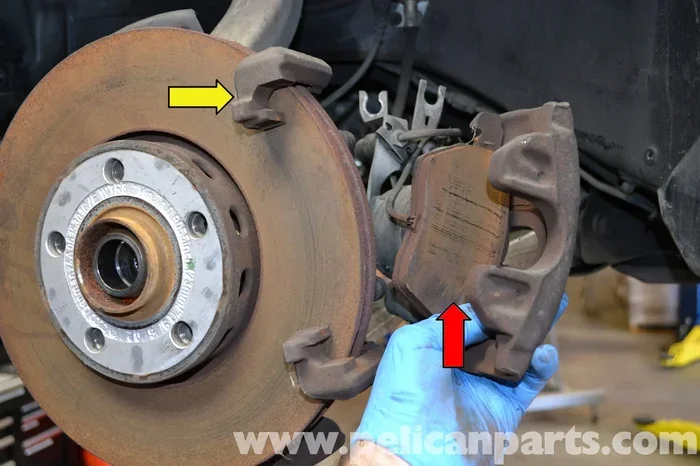
- Brake pads and rotors: $800 to $1,500 per axle
- Air filter and cabin filter: $150 to $300
- Spark plugs: $400 to $800 for a full set
- Annual inspection: $300 to $600
On average, budget at least $200 to $400 per month for routine Maserati service. This assumes you follow the recommended maintenance schedule and do not skip any services. Skipping maintenance might save money short-term, but it leads to bigger, more expensive problems down the road.
Unexpected Repairs
Even with perfect maintenance, things break. A Maserati repair cost can range from a few hundred dollars for minor issues to several thousand for major problems. The turbocharger, electronic systems, and air suspension are common trouble spots on older models.
Setting aside $100 to $200 per month into a repair fund is a smart move. This way, you are prepared when something unexpected comes up. It is much better than being caught off guard with a $3,000 repair bill.
Maserati Lease vs Buy: Which Costs Less Per Month?
One of the biggest decisions is whether to lease or buy your Maserati. Each option has pros and cons, and the monthly cost can vary significantly.
Leasing a Maserati
Leasing typically offers lower monthly payments because you are only paying for the car’s depreciation during the lease term. Most leases last 36 months with mileage caps of 10,000 to 15,000 miles per year.
Benefits of leasing include:
- Lower monthly payments
- New car every few years
- Warranty covers most repairs
- No hassle with selling or trading in
Drawbacks include mileage limits, no ownership, and potential fees for excess wear and tear. If you love driving a new car every couple of years, leasing can be a great fit.
Buying a Maserati
Buying with a loan means higher monthly payments, but you build equity and own the car at the end. You can drive as many miles as you want without extra fees. You also have the freedom to modify or sell the car whenever you choose.
Benefits of buying include:
- Ownership and equity
- No mileage restrictions
- Freedom to sell or modify
- Potentially lower long-term cost if you keep the car for years
Drawbacks include higher monthly payments, responsibility for all repairs after warranty expires, and dealing with depreciation and resale.
Which Option Saves More?
Over a 6-year period, leasing two Maseratis back-to-back might cost more in total than buying one and keeping it. But if you want the lowest monthly Maserati cost and love driving new cars, leasing wins. Here is a quick comparison:
| Factor | Leasing | Buying (Loan) |
|---|---|---|
| Typical Monthly Payment | $1,100 – $1,950 | $1,400 – $4,500 |
| Ownership | No | Yes |
| Mileage Limit | Yes (10k-15k/year) | No |
| Repair Coverage | Usually under warranty | Varies by age |
| Flexibility | Low | High |
| Long-Term Cost | Higher (continuous payments) | Lower (no payments after loan ends) |
Common Mistakes Maserati Owners Make
Even the most excited new Maserati owners can make costly mistakes. Avoiding these errors can save you hundreds or even thousands of dollars over time.
Skipping Regular Maintenance
Some owners skip oil changes or delay brake inspections to save money. This is a terrible idea. A Maserati maintenance cost that seems high now is nothing compared to a $5,000 engine repair caused by neglected oil changes. Stick to the maintenance schedule religiously.
Choosing the Wrong Financing
Rolling negative equity into a new loan or choosing a long loan term with low monthly payments might feel good now. But you will pay much more in interest over time. And if the car depreciates faster than you pay it off, you end up underwater. Always aim for a loan term of 48 to 60 months maximum.
Ignoring Insurance Shopping
Many Maserati owners just go with whatever insurance their dealer recommends. That is a mistake. Shopping around can save you $50 to $150 per month. Get quotes from at least three different providers before committing.
Underestimating Fuel Costs
It is easy to forget about fuel when you are focused on payments and insurance. But premium gas adds up quickly, especially if you drive a lot. Track your fuel spending for a month and adjust your budget accordingly.
Quick Tips to Reduce Your Monthly Maserati Costs
You do not have to accept the highest possible costs. There are smart ways to reduce your monthly Maserati expenses without sacrificing the experience.
1. Negotiate Everything
Never accept the first price from a dealer. Negotiate the purchase price, the interest rate, and any add-ons. Even a small reduction in the car price can lower your monthly payment by $50 or more.
2. Buy Extended Warranty
A Maserati warranty covers repairs for the first few years. But an extended warranty can protect you from costly repairs in years four through seven. This can save thousands in unexpected repair costs.
3. Maintain a Good Credit Score
Your credit score directly impacts your interest rate. A score of 750 or higher can qualify you for rates 1% to 2% lower than someone with a 650 score. That difference can save you hundreds of dollars per month on a large loan.
4. Drive Smoothly
Aggressive driving hurts your fuel economy and wears out parts faster. Smooth acceleration, gentle braking, and steady speeds improve gas mileage and reduce maintenance frequency.
5. Join a Maserati Owner Community
Other Maserati owners are a goldmine of money-saving tips. They know which dealers offer the best service rates, which parts are overpriced, and which DIY repairs are safe to attempt. Online forums and local clubs are great resources.
Expert Insights on Luxury Car Ownership
We spoke with several automotive financial advisors about the true cost of owning a Maserati. Their advice was consistent and valuable.
Budget at least 10% of the car’s value annually for maintenance and repairs, says one advisor. On a $100,000 Maserati, that is $10,000 per year or about $833 per month. This includes insurance, fuel, maintenance, and a repair fund.
Another expert recommends considering certified pre-owned models. A 2- to 3-year-old Maserati has already taken the biggest depreciation hit. You get the same driving experience at a significantly lower monthly cost. Plus, many certified pre-owned vehicles still carry a partial warranty, reducing repair expenses.
The consensus among experts is clear: luxury car ownership is a lifestyle choice that requires financial planning. If you understand and accept the costs, a Maserati can bring years of joy. But going in blind is a recipe for financial stress.
Conclusion
How much does a Maserati cost per month to maintain? The answer is not a single number. It ranges from about $1,500 to $3,500 or more, depending on your model, financing choice, insurance, and driving habits. The key takeaway is that Maserati ownership cost goes far beyond the monthly payment. Insurance, fuel, maintenance, repairs, and depreciation all factor into the total picture.
If you are serious about buying a Maserati, plan ahead. Budget for every expense, shop around for the best insurance and financing rates, and commit to regular maintenance. The more prepared you are, the more enjoyable your ownership experience will be.
A Maserati is a beautiful, thrilling machine. It deserves a thoughtful owner who understands the full cost of the dream. Armed with the information in this guide, you are ready to make that dream a reality without any unpleasant surprises.
Frequently Asked Questions
Is a Maserati expensive to maintain every month?
Yes, Maseratis are more expensive to maintain than most cars. Routine services like oil changes and brake jobs cost two to five times more than on a standard vehicle. Budget at least $200 to $400 per month for maintenance alone, and more if you drive frequently or put high mileage on the car.
What is the cheapest way to own a Maserati each month?
Leasing a Maserati typically offers the lowest monthly payment. A 36-month lease on a Ghibli or Grecale can run $1,100 to $1,500 per month. Buying a certified pre-owned model is another cost-effective option, as the steepest depreciation has already occurred. Both approaches reduce your monthly financial burden compared to buying new with a long loan term.
How much does Maserati insurance cost per month?
Full coverage insurance for a Maserati typically costs $250 to $500 per month. Rates vary based on your age, driving record, location, and coverage levels. Bundling your auto insurance with home or renters insurance can help bring the cost down. Always compare quotes from multiple providers to find the best rate.
Can I reduce my Maserati fuel costs?
Yes, you can reduce fuel costs by driving smoothly, avoiding aggressive acceleration, and keeping your tires properly inflated. Choosing a model with better fuel economy, like the Ghibli sedan over the Levante SUV, also helps. Using the recommended premium fuel is essential, but driving habits play a big role in how much you spend at the pump each month.
Are Maserati repairs covered under warranty?
New Maseratis come with a basic warranty that covers most repairs for the first 3 years or 36,000 miles. The powertrain warranty extends to 5 years or 60,000 miles. After the warranty expires, you are responsible for all repair costs. Purchasing an extended warranty is a smart way to protect yourself from expensive out-of-pocket repairs in later years.
Should I buy a new or used Maserati to lower monthly costs?
Buying a 2- to 3-year-old certified pre-owned Maserati can significantly lower your monthly costs. The car has already lost its fastest value, and the purchase price is much lower than a new model. Many certified pre-owned vehicles still carry a warranty, which reduces repair expenses. This is often the smartest financial move for luxury car buyers.