How Many Miles Can a Toyota Corolla Go Without an Oil Change
Most Toyota Corolla models can go between 5,000 and 10,000 miles without an oil change, depending on the oil type and driving conditions. Modern Corollas equipped with synthetic oil and an oil life monitoring system can often stretch to the 10,000-mile mark. Ignoring oil changes can lead to serious engine damage, reduced fuel efficiency, and costly repairs down the road.
H2: How Many Miles Can a Toyota Corolla Go Without an Oil Change?
H3: The Short Answer
The answer depends on a few factors. Most Toyota Corolla owners can expect to go between 5,000 and 10,000 miles before needing an oil change. The exact number comes down to the type of oil you use, your driving habits, and the model year of your car. Older models with conventional oil typically need service every 5,000 miles. Newer models using synthetic oil can push that number much higher.
Toyota has designed the Corolla to be a reliable daily driver. The company knows owners want low maintenance costs. That is why they built in some flexibility. But flexibility does not mean you should ignore the oil. Skipping oil changes is one of the fastest ways to destroy an engine.
H3: Why Oil Changes Matter
Engine oil does three important jobs. It lubricates moving parts. It reduces friction. It pulls heat away from the engine. Over time, oil breaks down. It gets dirty. It loses its ability to do these jobs. When oil fails, metal parts grind against metal. This causes wear. Eventually, it causes engine failure.
Think of oil like the blood in your car’s body. Just like you need fresh blood to stay healthy, your engine needs fresh oil. The oil filter catches dirt and metal particles. But the filter can only hold so much. After a while, both the oil and the filter need replacing.
H2: Understanding Oil Change Intervals for the Toyota Corolla
H3: Conventional Oil vs. Synthetic Oil
Toyota recommends different oil types for different Corolla models. The choice matters a lot for your mileage between changes.
Conventional oil is the standard option. It works well for most daily driving. With conventional oil, plan for an oil change every 5,000 miles. This is the safest bet for older Corolla models.
Synthetic oil is a step up. It lasts longer. It handles extreme temperatures better. It flows more smoothly in cold weather. With full synthetic oil, you can stretch the interval to 7,500 or even 10,000 miles. Many newer Corolla models come filled with synthetic oil from the factory.
Here is a quick comparison table:
- Oil Type: Conventional Oil | Interval: Every 5,000 miles
- Oil Type: Synthetic Blend | Interval: Every 6,000 to 7,500 miles
- Oil Type: Full Synthetic | Interval: Every 7,500 to 10,000 miles
Always check the oil cap or owner’s manual to confirm which oil your Corolla uses. Using the wrong oil type can void your Toyota warranty. It can also cause engine problems.
H3: What the Toyota Owner’s Manual Says
The owner’s manual is your best friend. It has the official oil change schedule for your specific model year. Toyota does not use a one-size-fits-all approach. The interval varies by engine type and model year.
For most recent Corolla models, Toyota suggests an oil change every 10,000 miles or 12 months, whichever comes first. But older models may recommend 5,000 miles or six months. The manual also lists the correct oil viscosity. For most Corollas, that is 0W-20. Using the right viscosity ensures proper engine protection.
If you do not have your manual anymore, you can find the information online. Toyota’s website has owner’s manuals for every model year. You can also ask your dealer. They will look it up for free.
H2: What Happens When You Skip an Oil Change?
H3: Short-Term Effects
Missing one oil change by a few hundred miles probably will not destroy your engine. But you will start to notice small problems. The oil gets darker. It becomes less effective. You might hear a little more engine noise. Fuel economy could dip slightly.
These short-term effects are easy to ignore. That is the danger. Many drivers push too far. They tell themselves it is just a little overdue. But every mile counts when the oil is breaking down.
H3: Long-Term Damage From Neglect
Skipping oil changes over a long period causes serious harm. Here is what can happen:
- Sludge Buildup: Old oil turns into sludge. This sticky substance clogs oil passages. It restricts flow to critical engine parts.
- Increased Wear: Without proper lubrication, metal components wear down faster. Bearings, camshafts, and cylinder walls suffer the most.
- Overheating: Fresh oil helps cool the engine. Old oil cannot do this job well. The engine runs hotter. Over time, this causes warping and cracking.
- Engine Failure: In the worst case, the engine seizes. This means a full engine replacement. The cost can be thousands of dollars.
The good news is that all of this is preventable. A simple oil change costs a fraction of an engine repair. Staying current with your maintenance schedule saves money in the long run.
H2: How to Know When Your Toyota Corolla Needs an Oil Change
H3: The Maintenance Required Light
Most Toyota Corollas built after 2014 have an oil life monitoring system. This system tracks your driving patterns. It measures things like engine temperature, driving time, and rpm. When the system determines the oil needs changing, it triggers a light on the dashboard.
The light usually looks like a small wrench. When you see it, do not ignore it. You can reset the light after an oil change. Just follow the steps in your owner’s manual.
Some drivers wonder if they can reset the light and keep driving. The answer is no. The light comes on for a reason. Resetting it without changing the oil just clears the warning. It does not fix the problem.
If you are unsure about what the light means, check out this guide on how your car signals when it needs an oil change. Understanding these warnings can save you from costly repairs.
H3: Physical Signs Your Oil Needs Changing
The dashboard light is not the only indicator. You can also check the oil yourself. Here is what to look for:
- Dark Color: Fresh oil is amber or golden. Old oil turns dark brown or black. If your oil looks very dark, it is time for a change.
- Rough Texture: Rub a drop of oil between your fingers. If it feels gritty or rough, it has too many contaminants.
- Low Level: Check the oil dipstick regularly. If the level is consistently low, you may have a leak or burning oil issue.
- Burning Smell: A burnt odor from the engine bay can mean overheating oil. This is a red flag.
- Engine Noise: Fresh oil keeps engine parts quiet. If you hear more knocking or ticking, the oil may be worn out.
H2: Factors That Affect Oil Change Frequency
H3: Driving Conditions
Not all driving is the same. Toyota classifies certain driving patterns as “severe.” If you drive in any of these conditions, you should shorten your oil change interval:
- Stop-and-Go Traffic: City driving with lots of idling puts more stress on oil.
- Extreme Temperatures: Very hot or very cold weather breaks down oil faster.
- Towing or Hauling: Extra weight makes the engine work harder. The oil degrades more quickly.
- Short Trips: Frequent short drives under 10 miles do not let the oil reach full operating temperature. Moisture and fuel contaminate the oil faster.
- Dusty or Dirty Roads: More particles enter the engine. This dirties the oil quicker.
If any of these apply to your daily routine, stick with the 5,000-mile interval. Do not try to stretch it. Your engine will thank you.
H3: Age and Mileage of Your Vehicle
Older Corollas with high mileage need more attention. As a car ages, engine tolerances widen. Oil leaks past seals more easily. The oil breaks down faster in older engines. If your Corolla has over 100,000 miles, consider sticking to the shorter 5,000-mile interval.
Younger cars with low mileage can often go longer between changes. But do not use age as an excuse to skip oil changes. Even a car that sits in the garage needs fresh oil. Oil degrades over time, even if you do not drive much.
H2: How to Change Your Toyota Corolla’s Oil at Home
H3: Tools You Will Need
Changing your own oil is easier than most people think. Here is what you need:
- New engine oil (check your manual for the correct amount and type)
- New oil filter
- Oil filter wrench
- Jack and jack stands or ramps
- Drain pan
- Socket wrench and appropriate socket
- Funnel
- Rags or paper towels
If you are unsure about oil capacity, a model like the GR86 takes a specific number of quarts. While the Corolla is different, this shows why checking your specific model matters. Always double-check the exact amount before you start.
H3: Step-by-Step Process
Follow these steps for a clean oil change:
- Warm up the engine for about 3 to 5 minutes. This helps the oil flow out faster.
- Lift the car using a jack and secure it with jack stands.
- Place the drain pan under the oil drain plug.
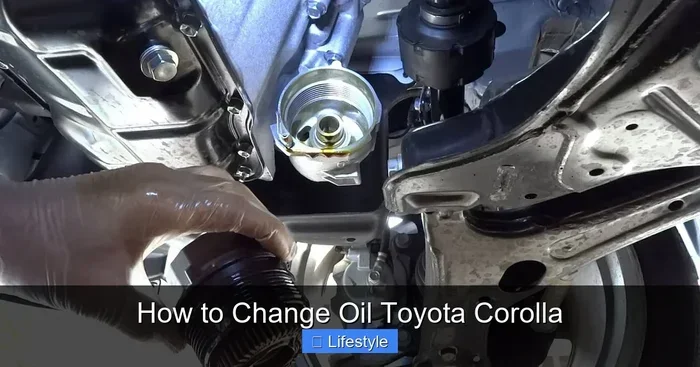
- Remove the drain plug and let the old oil drain completely.
- Replace the oil filter. Use a new one and lightly coat the gasket with fresh oil.
- Reinstall the drain plug and tighten it securely.
- Add new oil through the oil fill cap on top of the engine.
- Check the oil level with the dipstick. Add more if needed.
- Start the engine and let it run for a minute. Check for leaks underneath.
- Reset the maintenance light if your model has one.
Always dispose of old oil properly. Take it to a recycling center or auto parts store. Never pour it down the drain or into the ground.
H2: Can You Go Too Long Between Oil Changes?
H3: The Risk of Over-Extending
Some drivers push oil changes well past the recommended interval. They want to save money or avoid the hassle. But going too long is risky.
Oil loses its additives over time. The detergent properties fade. The viscosity breaks down. Even if the oil looks fine on the surface, it may not be protecting your engine anymore.
Toyota engineers set the oil change intervals for a reason. They tested the oil under many conditions. They know how long it lasts. Going beyond those limits voids the engineering margin of safety.
H3: How to Stay on Track
The easiest way to stay on track is to set a reminder. Use your phone calendar. Write it on the dashboard visor. Or use a maintenance app. Some Toyota models even send oil change reminders to your phone through the Toyota app. You can use the Toyota app to stay connected with your vehicle’s maintenance needs.
Another good habit is to check the oil every two weeks. It takes about 30 seconds. You will catch problems early. You will also get a feel for how quickly your car burns oil.
H2: How Regular Oil Changes Help Your Corolla Last Longer
H3: The Long-Term Benefits
Toyota Corollas are known for lasting a long time. Many owners push their cars past 200,000 miles. But that does not happen by accident. It happens because of consistent maintenance.
Regular oil changes are the single most important thing you can do for your engine. Fresh oil keeps all the internal parts clean and lubricated. It prevents the buildup of harmful deposits. It maintains proper engine temperature. Over hundreds of thousands of miles, this adds up to a huge difference.
Think of it this way. A $50 oil change every 5,000 miles costs about $10,000 over 200,000 miles. An engine replacement costs $5,000 to $10,000. The math is simple. Stay current with oil changes and save thousands in the long run.
If you are curious about how far your Toyota can go in general, this guide on how many miles a car can last offers great insights into maximizing your vehicle’s lifespan.
H2: Common Oil Change Myths
H3: Myth 1: You Must Change Oil Every 3,000 Miles
This is the most common myth. Thirty years ago, 3,000 miles was the standard. But modern oils and engines are much better. Most Toyota Corollas today can go 5,000 miles or more. Check your manual before you believe the 3,000-mile rule.
H3: Myth 2: Synthetic Oil Causes Leaks
Some drivers worry that synthetic oil will leak through old seals. This is not true. Synthetic oil is actually cleaner and more refined. It does not cause leaks. If your car already has leaks, synthetic oil will not make them worse.
H3: Myth 3: You Do Not Need to Change the Oil Filter
The oil filter catches contaminants. It fills up over time. Reusing an old filter defeats the purpose of fresh oil. Always replace the oil filter with every oil change.
H2: Frequently Asked Questions
How many miles can a Toyota Corolla go without an oil change?
Most Toyota Corollas can go between 5,000 and 10,000 miles without an oil change. The exact number depends on whether you use conventional or synthetic oil. Newer models with synthetic oil and an oil life monitor can often reach the 10,000-mile mark. Always check your owner’s manual for the specific recommendation for your model year.
What happens if you go too long without an oil change?
Going too long without an oil change causes the oil to break down. It loses its lubricating and cooling properties. This leads to increased engine wear, sludge buildup, and eventually engine failure. The cost of ignoring oil changes far exceeds the cost of a routine oil change. Stay on schedule to protect your engine.
Can I use 5W20 instead of 0W20 in my Toyota Corolla?
Toyota recommends 0W-20 for most modern Corolla models. Using 5W-20 in an emergency will not cause immediate damage, but it is not ideal for long-term use. The viscosity difference affects how the oil flows at different temperatures. Always use the oil grade specified in your owner’s manual for best engine protection.
How do I know when my Corolla needs an oil change?
Your Corolla will tell you in a few ways. The maintenance required light on the dashboard will come on. You may notice dark or gritty oil on the dipstick. Engine noise, reduced fuel economy, and a burning smell are also warning signs. Check your oil level and condition every two weeks to catch problems early.
Is it okay to change oil every 10,000 miles in a Toyota Corolla?
Yes, for most newer Toyota Corollas using full synthetic oil, a 10,000-mile interval is acceptable. However, this assumes normal driving conditions. If you drive in severe conditions like extreme heat, stop-and-go traffic, or dusty roads, you should shorten the interval to 5,000 or 7,500 miles. Always follow the guidelines in your owner’s manual.
How much does an oil change for a Toyota Corolla cost?
A Toyota Corolla oil change typically costs between $50 and $100 at a dealership or independent shop. If you do it yourself, the cost drops to around $30 to $50 for oil and a filter. Synthetic oil costs a bit more than conventional oil, but it lasts longer and provides better engine protection. Many Toyota dealerships also offer multi-point inspections with an oil change.
H2: Final Thoughts
Taking care of your Toyota Corolla’s oil is one of the simplest and most important things you can do. Stick to the recommended oil change interval. Use the right type of oil. Pay attention to the warning signs. These small habits add up to a engine that runs smoothly for hundreds of thousands of miles.
Your Corolla is built to last. Give it the maintenance it deserves. The time and money you invest in regular oil changes will pay back tenfold in reliability, fuel efficiency, and long-term value. Do not wait for a warning sign. Stay ahead of your next oil change and keep your Toyota Corolla running strong for years to come.
Key Takeaways
- Standard Interval: Most Toyota Corollas need an oil change every 5,000 to 7,500 miles with conventional oil.
- Synthetic Oil Advantage: Synthetic oil can extend the interval up to 10,000 miles or more.
- Oil Life Monitor: Modern Corollas have a system that tracks driving habits and alerts you when an oil change is due.
- Driving Conditions Matter: Severe driving like stop-and-go traffic, towing, or extreme heat shortens the interval.
- Warning Signs: Dark oil, engine noise, and the maintenance light are clear signals your car needs attention.
- Long-Term Benefits: Staying on top of oil changes helps your Toyota Corolla last well over 200,000 miles.
- Check Your Manual: Always refer to your owner’s manual for the manufacturer-recommended schedule.
Frequently Asked Questions
What is How Many Miles Can a Toyota Corolla Go Without an Oil Change??
How Many Miles Can a Toyota Corolla Go Without an Oil Change? is an important topic with many practical applications.