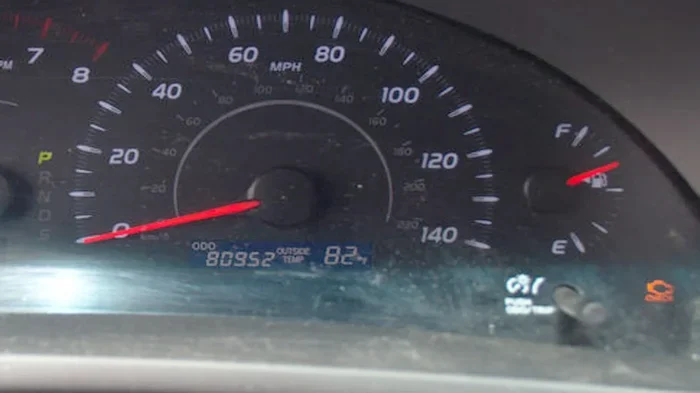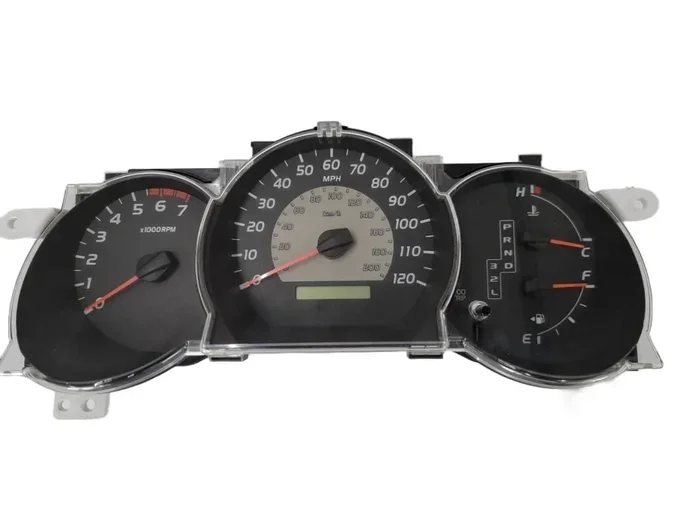
How Do You Reset the Fuel Gauge on a 2006 Toyota Tacoma
Resetting the fuel gauge on a 2006 Toyota Tacoma is a straightforward process you can do at home. A faulty fuel gauge can leave you guessing about how much gas you have, which is stressful and potentially dangerous. This guide walks you through the causes, the reset process, and tips to keep your gauge accurate for years to come.
Your fuel gauge is one of those things you take for granted until it stops working. Suddenly, you are driving around a 2006 Toyota Tacoma not knowing if you have a full tank or just a quarter left. That is a scary feeling, especially on a long drive or in bad weather. If you are wondering how to reset the fuel gauge on a 2006 Toyota Tacoma, you are in the right place.
This article will walk you through everything you need to know. We will cover why your gauge might be acting up, the step-by-step reset process, and how to prevent the problem from coming back. Whether you are a seasoned DIYer or a complete beginner, this guide is for you. Let us get your fuel gauge working right again.
Key Takeaways
- Easy DIY Fix: Most fuel gauge resets on a 2006 Tacoma can be done without a mechanic.
- Common Culprits: A stuck float, bad sender, or loose wiring often causes gauge problems.
- Quick Process: The reset itself takes just a few minutes with basic tools.
- Preventive Care: Regular checks can stop fuel gauge issues before they start.
- Know When to Call a Pro: Some problems need a trained technician, and that is okay.
- Fuel Awareness: Understanding how much gas you have helps with trip planning and safety.
📑 Table of Contents
- Understanding the Fuel Gauge System in a 2006 Toyota Tacoma
- Why You Need to Reset the Fuel Gauge
- How to Reset the Fuel Gauge on a 2006 Toyota Tacoma
- When to Seek Professional Help
- Preventing Future Fuel Gauge Issues
- Understanding Your Fuel Gauge and Safety
- Final Thoughts on Resetting Your 2006 Tacoma Fuel Gauge
Understanding the Fuel Gauge System in a 2006 Toyota Tacoma
Before you dive into the reset process, it helps to understand how the fuel gauge works. The system is actually pretty simple once you break it down. There are three main parts that work together to show you the fuel level on your dashboard.
How the Fuel Gauge Works
The fuel gauge system has three key components. First, there is the fuel sender unit inside the tank. This is a float attached to a resistor that moves up and down with the fuel level. Second, there is the wiring that sends the signal from the sender to the gauge. Third, there is the gauge itself on your dashboard cluster.
When the fuel level changes, the float moves. This changes the resistance in the circuit. The gauge reads this resistance and moves the needle up or down. If any part of this system fails, your gauge will give you wrong readings or no reading at all.
Common Fuel Gauge Problems on the 2006 Tacoma
The 2006 Toyota Tacoma is a solid truck, but like any vehicle, it can have fuel gauge issues. Some owners report the needle stuck on full, stuck on empty, or bouncing around randomly. These problems usually come from a few common sources.
- Faulty fuel sender: The float can wear out or get stuck over time.
- Bad grounding: A loose or corroded ground wire can mess up the signal.
- Wiring issues: Frayed or damaged wires between the sender and the gauge.
- Gauge cluster failure: The gauge itself can wear out internally.
- Fuel pump module problems: The sender is often part of the fuel pump assembly.
Knowing these potential issues helps you figure out what is going on. Sometimes a simple reset fixes everything. Other times, you might need a replacement part.
Why You Need to Reset the Fuel Gauge
You might be asking yourself why a reset is even necessary. The truth is, the fuel gauge on your Tacoma relies on accurate electrical signals. Over time, these signals can get skewed. A reset clears out any errors and brings the system back to a known baseline.
Think of it like recalibrating a scale. If the scale is off, you need to reset it to zero before you can trust the readings. The same idea applies to your fuel gauge. A reset ensures that the needle matches the actual fuel level in your tank.
There are a few situations where a reset is especially helpful. After you replace the fuel sender, the gauge needs to recalibrate. After a battery disconnect, the system may need a fresh start. And sometimes, the gauge just gets confused for no clear reason. In all these cases, a reset can do the trick.
How to Reset the Fuel Gauge on a 2006 Toyota Tacoma
Now let us get into the actual process. Resetting the fuel gauge on your 2006 Tacoma is something you can do at home with basic tools. You do not need to be a mechanic to handle this. Just follow these steps carefully, and you should be back on the road with an accurate reading in no time.
Step 1: Turn Off the Engine and Gather Your Tools
Start by parking your Tacoma on a flat surface and turning off the engine. Let the truck sit for a few minutes so the fuel settles. You will need a few basic tools for this job:
- A screwdriver set (both flathead and Phillips)
- A multimeter (optional but helpful)
- A clean rag or cloth
- Your vehicle owner’s manual
Having your owner’s manual handy is a great idea. It will have specific details about your truck’s fuel system that can help if you run into any surprises. You can also check how many gallons are left when the light comes on to get a sense of your reserve fuel level while you work.
Step 2: Locate the Fuel Sender Unit
The fuel sender unit is located inside the fuel tank. On the 2006 Tacoma, you will typically access it from under the truck. You may need to lift the vehicle with a jack and support it with jack stands for safety.
Once you are underneath, look for the fuel pump assembly. The sender unit is part of this assembly. It is a cylindrical component with a float arm sticking out of it. Take a moment to inspect it visually. Look for any obvious damage, corrosion, or loose connections.
Step 3: Disconnect the Electrical Connector
Carefully disconnect the electrical connector from the fuel sender. This is a small plug that sends the signal from the float to the gauge. Press the release tab and gently pull it free. Use your rag to clean any dirt or debris around the connector before you proceed.
With the connector disconnected, the gauge should read empty. If it does not, that tells you there may be a problem with the gauge itself or the wiring. This simple test can help you narrow down the issue.
Step 4: Reconnect and Cycle the Ignition
Now reconnect the electrical connector to the fuel sender. Make sure it clicks into place securely. Next, turn the ignition key to the “ON” position without starting the engine. You should hear the fuel pump hum for a few seconds. This primes the system.
Turn the ignition back to “OFF.” Wait about 10 seconds. Then turn it back to “ON” again. Repeat this cycle two or three times. This process allows the gauge to recalibrate and read the fuel level accurately. After the final “ON” cycle, the needle should settle at the correct level.
If your gauge still seems off after this, do not worry. There are a few more things you can try. Let us look at those next.
Step 5: Check the Ground Wire
A bad ground is one of the most common reasons a fuel gauge gives wrong readings. The ground wire connects the sender to the truck’s chassis. Over time, it can corrode or loosen.
Find the ground wire on the fuel sender. Use a wire brush to clean the connection point. Make sure the wire is tight and secure. A clean, solid ground can make a huge difference in gauge accuracy.
Step 6: Test Drive and Verify
Once you have completed the reset, start the engine and take your Tacoma for a short test drive. Watch the fuel gauge carefully. It should move smoothly as you drive. If the needle jumps around or stays stuck, there may be a deeper issue to address.
After your test drive, fill up your tank and note the fuel gauge reading. Does it match what you expect? If so, you have successfully reset the gauge. If not, you may want to try the reset process again or move on to troubleshooting.
When to Seek Professional Help
There is no shame in calling a professional. Some fuel gauge issues are beyond a simple reset. If you have tried the steps above and your gauge is still not working right, it is time to get expert help.
Here are some signs that you need a mechanic:
- The gauge needle does not move at all, even after a reset.
- You notice a fuel leak near the tank area.
- The check engine light is on along with gauge issues.
- You have replaced the sender and the gauge still reads incorrectly.
- You are not comfortable working under the vehicle.
A trained technician has the tools and experience to diagnose complex fuel system problems. They can also check whether your how far can a car go on empty warning light is functioning properly, which is an important safety feature.
Preventing Future Fuel Gauge Issues
The best way to deal with fuel gauge problems is to prevent them from happening in the first place. A little regular maintenance goes a long way toward keeping your gauge accurate and your truck running smoothly.
Regular Maintenance Tips
- Keep your tank at least a quarter full: Running the tank too low can overwork the fuel pump and sender.
- Check the ground wire periodically: A quick visual inspection every few months can catch corrosion early.
- Address warning signs quickly: If you notice the gauge acting strange, do not ignore it. Early intervention prevents bigger problems.
- Use quality fuel: Clean fuel helps keep the entire fuel system healthy.
- Follow the maintenance schedule: Your owner’s manual has recommended service intervals for a reason.
These simple habits can save you a lot of trouble down the road. They also help you get the most out of your 2006 Tacoma, which is built to last for hundreds of thousands of miles.
Quick Tips for Accurate Fuel Readings
Here are a few extra tips to keep your fuel readings as accurate as possible:
- Always fuel up with the engine off to avoid vapor lock issues.
- Do not “top off” the tank after the nozzle clicks off. This can saturate the charcoal canister and affect readings.
- Reset your trip meter after each fill-up to track your actual fuel economy.
- If you notice the gauge reading inconsistently, try the reset process before assuming the worst.
- Keep a small notebook of your fill-ups to spot any trends in fuel consumption.
These tips may seem small, but they add up. They help you stay in tune with your truck and catch potential problems before they become expensive repairs.
Understanding Your Fuel Gauge and Safety
Your fuel gauge is not just a convenience. It is a safety feature. Driving with an inaccurate fuel reading can lead to unexpected breakdowns, which are dangerous on busy roads or in remote areas. Taking the time to reset and maintain your gauge is a small investment that pays off in peace of mind.
If you ever find yourself stranded because of a fuel gauge failure, you know how frustrating it can be. The truck may still run fine, but you are left guessing about every mile. That is why addressing gauge issues promptly is so important. A quick reset today can save you from a big headache tomorrow.
Also, remember that your Tacoma’s how do you uncap gas process is straightforward, but always make sure you are working in a well-ventilated area and away from open flames when dealing with fuel system components. Safety should always come first.
Final Thoughts on Resetting Your 2006 Tacoma Fuel Gauge
Resetting the fuel gauge on your 2006 Toyota Tacoma is one of those simple repairs that can save you time, money, and stress. Whether your gauge is stuck, bouncing, or giving you incorrect readings, the reset process outlined in this guide gives you a great starting point. Most of the time, the problem is a simple calibration issue that a few minutes of work can fix.
Remember to take your time with each step. Do not rush the process, and always prioritize safety. If you are ever unsure about something, it is perfectly fine to consult a professional. Your truck is a valuable investment, and taking care of it properly keeps it running strong for years to come.
With a working fuel gauge, you can drive with confidence. You will always know exactly how much fuel you have, and you can plan your trips without worry. That is the kind of peace of mind every truck owner deserves. So grab your tools, follow the steps, and get your 2006 Tacoma’s fuel gauge back on track today.
Frequently Asked Questions
Why is my fuel gauge stuck on full on my 2006 Toyota Tacoma?
A gauge stuck on full usually means the fuel sender float is stuck in the raised position or there is a short in the wiring. Try disconnecting the sender connector and see if the gauge drops to empty. If it does, the sender is likely the problem. If it stays on full, the gauge cluster itself may need attention.
How long does it take to reset the fuel gauge on a 2006 Tacoma?
The reset process takes about 10 to 15 minutes for most people. This includes locating the sender, disconnecting and reconnecting the connector, and cycling the ignition a few times. If you also need to check the ground wire or clean connections, it may take a little longer.
Can a bad ground wire cause the fuel gauge to read incorrectly?
Yes, absolutely. A corroded or loose ground wire is one of the most common causes of fuel gauge problems. The ground wire completes the circuit between the sender and the gauge. Without a solid connection, the signal gets disrupted and the reading becomes inaccurate.
Do I need any special tools to reset the fuel gauge?
No special tools are required. A basic screwdriver set and a clean rag are all you need. A multimeter can be helpful if you want to test the sender’s resistance, but it is not necessary for a basic reset. Your owner’s manual is also a great tool to have on hand.
Is it safe to work on the fuel system myself?
It is generally safe if you follow proper safety precautions. Always work in a well-ventilated area, keep away from open flames, and make sure the engine is off and cool before you start. If you are not comfortable working underneath the vehicle, it is best to have a professional handle it.
What should I do if the fuel gauge reset does not fix the problem?
If the reset does not work, the issue may be a faulty fuel sender, a problem with the gauge cluster, or damaged wiring. In these cases, it is best to visit a qualified mechanic. They can run diagnostic tests and pinpoint the exact cause. Sometimes the sender needs to be replaced entirely, which is a more involved repair.