How Many Miles Can a 2018 Toyota Camry Go on a Full Tank
The 2018 Toyota Camry can travel between 400 and 550 miles on a full tank, depending on the trim, engine type, and driving conditions. With a 15.8-gallon fuel tank and an EPA rating of up to 32 MPG on the highway, the Camry delivers impressive fuel efficiency for a midsize sedan. Whether you drive mostly in the city or on the highway, this guide breaks down everything you need to know about maximizing your driving range.
Key Takeaways
- Tank Capacity: The 2018 Camry holds 15.8 gallons of fuel, giving it a solid foundation for long trips.
- MPG Ratings: The four-cylinder engine delivers 28 MPG city and 39 MPG highway, while the V6 offers 22 city and 33 highway.
- Real-World Range: Expect 400 to 550 miles per tank depending on driving style and conditions.
- Trim Matters: Different trims like the SE, XLE, and XSE have slightly different fuel economy figures.
- Hybrid Option: The Camry Hybrid offers even better fuel economy, stretching your range further per gallon.
- Maintenance Tips: Keeping tires properly inflated and following a regular service schedule helps maximize MPG.
📑 Table of Contents
- How Many Miles Can a 2018 Toyota Camry Go on a Full Tank?
- Understanding the 2018 Toyota Camry Fuel Tank
- MPG Ratings for the 2018 Toyota Camry
- Real-World Driving Range: What to Expect
- Trim Levels and Their Impact on Fuel Range
- Tips to Maximize Your 2018 Camry’s Fuel Range
- How the 2018 Camry Compares to Competitors
- Common Mistakes That Reduce Your Camry’s Range
- Expert Insights on the 2018 Camry’s Fuel Economy
- Final Thoughts
How Many Miles Can a 2018 Toyota Camry Go on a Full Tank?
If you own a 2018 Toyota Camry, you have probably wondered how far you can really go before needing to fill up. The answer depends on several factors, including the engine type, driving conditions, and your personal driving habits. But here is the quick answer: a 2018 Toyota Camry on a full tank can cover anywhere from 400 to 550 miles. That is a solid range for a midsize sedan.
The 2018 Camry comes with a 15.8-gallon fuel tank, which is one of the larger tanks in its class. Combined with the engine’s fuel economy ratings, this means you can go several days between fill-ups for most drivers. Whether you commute to work or take long road trips, the Camry is built to go the distance. how many miles can a car last often depends on how well you maintain it, and the Camry is known for reliability.
In this article, we will break down the exact miles per tank for every trim level and engine option. We will also share practical tips to help you squeeze more miles out of every gallon. Let us dive in.
Understanding the 2018 Toyota Camry Fuel Tank
The 2018 Camry comes with a 15.8-gallon fuel tank. This is a generous size that contributes directly to the car’s overall range. But how does this compare to other vehicles? When you ask how many gallons is a full tank of gas for a midsize sedan, the Camry sits right in the sweet spot. It is not too small, and it is not unnecessarily large.
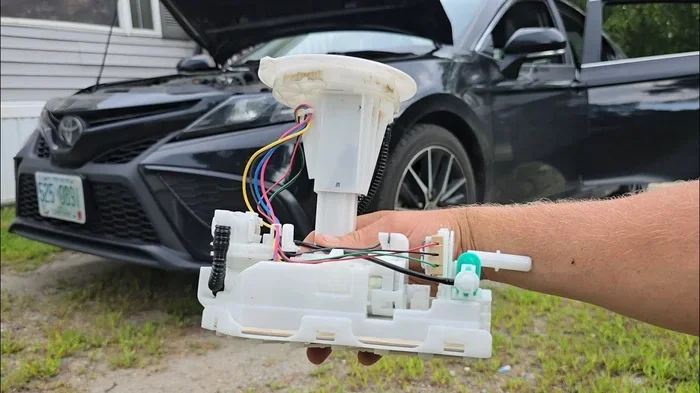
The fuel tank is located under the rear seat area and is designed with safety features like a rollover valve and a pressurized cap. Toyota engineered the 2018 Camry to maximize every drop of fuel. The tank shape and placement help balance the car’s weight distribution, which also improves handling.
Here is a quick look at the fuel tank specs for the 2018 Camry:
- Tank Capacity: 15.8 gallons
- Fuel Type: Regular unleaded (87 octane)
- Tank Material: High-density polyethylene
- Fuel Gauge: Electronic with reserve indicator
One thing many Camry owners want to know is how many gallons are left when the light comes on. On the 2018 Camry, the low fuel warning typically activates when you have about 2 to 3 gallons remaining. This gives you a buffer of roughly 40 to 60 miles of driving, depending on your MPG. It is always best to refuel as soon as the light comes on, though.
Why Tank Size Matters for Driving Range
A larger fuel tank means fewer stops. If you are planning a long road trip, the 15.8-gallon tank on the 2018 Camry is a real advantage. You can cover significant distance without constantly searching for gas stations. This is especially true if you drive primarily on the highway, where the Camry achieves its best fuel economy numbers.
MPG Ratings for the 2018 Toyota Camry
The miles per gallon rating is the most important factor in determining how far you can go on a full tank. The 2018 Camry offers two engine options, and each has different fuel economy ratings. Let us look at both.
2.5L Four-Cylinder Engine
The base 2.5-liter four-cylinder engine is the most popular choice for Camry buyers. It produces 203 horsepower and pairs with either a six-speed automatic or an eight-speed automatic transmission. The EPA fuel economy ratings for this engine are:
- City: 28 MPG
- Highway: 39 MPG
- Combined: 32 MPG
With a 15.8-gallon tank and 39 MPG on the highway, the math is simple. You can expect to travel about 616 miles on a full tank in ideal highway conditions. In city driving, the range drops to around 442 miles. Most real-world drivers will land somewhere in between, at around 500 miles per tank.
3.5L V6 Engine
The optional 3.5-liter V6 engine delivers 301 horsepower and is available on the XSE and TRD trims. This engine is more powerful but also less fuel-efficient. The EPA ratings are:
- City: 22 MPG
- Highway: 33 MPG
- Combined: 26 MPG
With the V6 engine, your full tank range drops to about 520 miles on the highway and around 350 miles in the city. The V6 is a great choice if you need the extra power, but it does cost more at the pump over time.
Fuel Economy Comparison Table
| Engine | City MPG | Highway MPG | Combined MPG | Range (Highway) | Range (City) |
|---|---|---|---|---|---|
| 2.5L 4-Cylinder | 28 | 39 | 32 | ~616 miles | ~442 miles |
| 3.5L V6 | 22 | 33 | 26 | ~521 miles | ~348 miles |
Keep in mind that these are EPA estimates. Your actual fuel economy will vary based on how you drive, road conditions, weather, and vehicle maintenance. Many Camry owners report that their real-world miles per gallon is close to or even better than the EPA numbers, especially on the highway.
Real-World Driving Range: What to Expect
Theoretical numbers are helpful, but what does the range look like in everyday driving? Most Camry owners report a real-world range of 450 to 550 miles per full tank. This assumes a mix of city and highway driving, which is typical for most people.
Several factors influence your actual range. Let us break them down.
Driving Habits
Your driving style has a big impact on fuel economy. If you accelerate quickly and brake hard, you will burn more fuel. Smooth, steady driving helps you get the most out of every gallon. Maintaining a consistent speed on the highway, ideally between 55 and 65 miles per hour, is the sweet spot for fuel efficiency.
Road Conditions
Highway driving is always more fuel-efficient than city driving. Stop-and-go traffic kills your MPG because you are constantly accelerating and braking. If your commute involves a lot of city driving, expect your range to be on the lower end of the spectrum.
Weather and Temperature
Cold weather can reduce your fuel economy by 10 to 20 percent. The engine takes longer to warm up, and you may use the heater more. Hot weather can also affect MPG, especially if you use the air conditioning frequently. Summer driving with the AC on full blast can drop your highway MPG by a few miles.
Vehicle Load and Aerodynamics
Carrying heavy cargo on your roof rack or hauling extra weight in the trunk reduces fuel economy. The 2018 Camry is aerodynamically designed, but adding roof boxes or bikes creates drag that forces the engine to work harder. Keep your load light and inside the car whenever possible.
Trim Levels and Their Impact on Fuel Range
The 2018 Camry comes in several trim levels, and each one has a slightly different weight and aerodynamic profile. These differences can affect your fuel economy and overall range.
LE and SE Trims
The LE and SE trims come with the standard 2.5L four-cylinder engine. The SE trim has a sportier suspension and slightly different gearing, which can affect MPG by a small margin. Most drivers will see similar fuel economy across these two trims, with the SE averaging around 32 MPG combined.
XLE and XSE Trims
The XLE and XSE trims add more comfort and convenience features, which adds a few pounds of weight. The XSE with the V6 engine will have a shorter range than the base four-cylinder models. The XLE with the four-cylinder engine is a great balance of comfort and fuel efficiency.
The Hybrid Option
The 2018 Camry Hybrid is worth mentioning for anyone who wants maximum fuel economy. The hybrid system combines a 2.5L four-cylinder engine with an electric motor to deliver an impressive 51 MPG city and 53 MPG highway. On a full tank, the hybrid Camry can theoretically travel over 700 miles on the highway. This makes it one of the most fuel-efficient midsize sedans on the market.
If you are considering a hybrid, it is worth noting that the hybrid battery adds weight to the car. However, the electric motor assist more than makes up for this by reducing fuel consumption during acceleration and cruising. how far can a car go on empty is also an interesting topic for hybrid owners, as the electric motor can sometimes push the car a short distance even after the gas tank is nearly empty.
Tips to Maximize Your 2018 Camry’s Fuel Range
Want to get the most miles out of every tank? Here are some practical tips that real Camry owners swear by.
1. Keep Your Tires Properly Inflated
Underinflated tires create rolling resistance, which forces the engine to work harder. Check your tire pressure at least once a month and before long trips. The recommended pressure for the 2018 Camry is 32 PSI for all four tires. You can find this number on the sticker inside the driver’s door jamb.
2. Use the Right Oil
Using the recommended 0W-20 synthetic oil helps the engine run more efficiently. Thick or dirty oil creates more friction inside the engine, which reduces fuel economy. Stick to the factory-recommended oil weight and change it on schedule.
3. Remove Unnecessary Weight
Every extra pound in your car costs you fuel. Clear out your trunk and back seat of items you do not need. If you carry a spare tire kit and jack, that is fine, but remove anything else that is just taking up space.
4. Use Cruise Control on the Highway
Cruise control helps you maintain a steady speed, which is the most fuel-efficient way to drive on the highway. Avoid using cruise control on hilly or winding roads, as the system may downshift and burn more fuel trying to maintain speed on inclines.
5. Keep Up with Maintenance
Regular maintenance keeps your Camry running at peak efficiency. Replace air filters, spark plugs, and oxygen sensors on schedule. A clogged air filter or a failing oxygen sensor can significantly reduce your fuel economy. If you are curious about long-term reliability, many owners ask can a Camry last 300 thousand miles, and the answer is absolutely yes with proper care.
6. Plan Your Fuel Stops
If you are on a long trip, plan your fuel stops around the 100-mile mark before you hit empty. Running on fumes can strain the fuel pump and reduce its lifespan. It is also a good idea to know how many gallons are left when the light comes on so you can make informed decisions about when to stop.
How the 2018 Camry Compares to Competitors
The 2018 Toyota Camry competes with several popular midsize sedans, including the Honda Accord, Nissan Altima, and Hyundai Sonata. When it comes to fuel range, the Camry holds its own very well.
The Accord offers similar MPG numbers with its four-cylinder engine, but the Camry’s slightly larger fuel tank gives it a small edge in total range. The Altima has a smaller tank and lower MPG, which means it needs more frequent fill-ups. The Sonata is competitive but falls slightly short in highway fuel economy.
One thing that sets the Camry apart is its reputation for reliability. When you consider how many miles can a car last overall, the Camry consistently ranks at the top. Many owners push their Camrys well past 200,000 miles with proper maintenance. This longevity means the fuel range advantage compounds over the life of the vehicle.
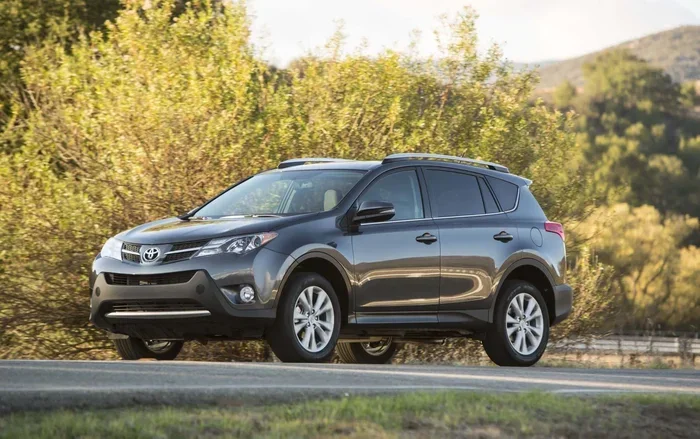
If you are comparing the Camry to a Toyota SUV like the RAV4 or Highlander, the Camry still wins on fuel economy. The Highlander, for example, has a larger tank but also uses more fuel per mile. The Camry’s balance of tank size and efficiency makes it one of the best choices for drivers who want both range and economy.
Common Mistakes That Reduce Your Camry’s Range
Avoiding these common mistakes can help you get the most out of every tank of gas.
- Ignoring the Check Engine Light: A glowing check engine light can indicate problems that hurt fuel economy, such as a faulty oxygen sensor or misfiring spark plug.
- Using the Wrong Fuel: The 2018 Camry requires regular unleaded 87 octane. Using premium fuel will not improve performance or MPG.
- Aggressive Driving: Speeding, rapid acceleration, and hard braking can lower your highway MPG by up to 33 percent.
- Excessive Idling: Idling for long periods wastes fuel. If you are parked for more than a minute, turn off the engine.
- Ignoring Tire Pressure: Even a few PSI below the recommended level can reduce fuel economy by 2 to 3 percent.
Expert Insights on the 2018 Camry’s Fuel Economy
Automotive experts consistently praise the 2018 Camry for its fuel efficiency and range. According to Consumer Reports and Edmunds testing, the Camry’s real-world MPG is very close to its EPA ratings, which is not always the case with every vehicle. This reliability in fuel economy is one reason the Camry remains one of the best-selling sedans in America.
Engineers at Toyota focused on aerodynamics and weight reduction for the 2018 model year. The body structure uses high-strength steel that is lighter than previous generations, which directly contributes to better fuel economy. The aerodynamic profile of the Camry, with its sleek roofline and carefully designed underbody, reduces drag and improves highway MPG.
For owners who want to track their fuel economy, the 2018 Camry does not have a built-in trip computer that displays real-time MPG. However, you can use a handheld fuel economy monitor or a smartphone app to track your MPG and range. This can help you identify driving habits that are costing you fuel.
Many Camry owners also ask how many miles a lot is for a Toyota Camry. The answer is that the Camry is built to last well beyond 200,000 miles with proper care. Fuel economy may decrease slightly as the car ages, but the overall reliability of the powertrain means you can expect many years of dependable service.
Final Thoughts
The 2018 Toyota Camry is an excellent choice for anyone who wants a reliable, fuel-efficient midsize sedan with a great driving range. With a 15.8-gallon tank and EPA ratings of up to 39 MPG on the highway, you can expect to travel between 400 and 550 miles on a full tank in everyday driving. The hybrid version pushes that range even further, making it one of the best options for fuel-conscious buyers.
By following the tips in this guide, you can maximize your Camry’s fuel range and save money at the pump. Keep your tires inflated, use the right oil, drive smoothly, and stay on top of maintenance. These simple steps add up to significant fuel savings over time.
Whether you are commuting to work or embarking on a cross-country road trip, the 2018 Camry has the range to get you there comfortably. It is a car that rewards careful driving and regular maintenance with excellent fuel economy and long-term reliability.
So the next time you fill up, take a moment to appreciate how far this car can go. The 2018 Toyota Camry is a true workhorse that combines style, comfort, and efficiency in one package. You can confidently plan your trips knowing that your Camry will get you where you need to go.
Frequently Asked Questions
How far can a 2018 Toyota Camry go on empty?
Most 2018 Camry models can travel an additional 40 to 60 miles after the low fuel light comes on. This assumes you still have about 2 to 3 gallons of fuel remaining in the 15.8-gallon tank. However, it is best not to push the car to the limit, as running on fumes can damage the fuel pump over time.
What is the fuel tank size on a 2018 Toyota Camry?
The 2018 Toyota Camry has a fuel tank capacity of 15.8 gallons. This is a standard size for midsize sedans and provides a good balance between range and vehicle weight. The tank is made from high-density polyethylene and includes safety features like a rollover valve.
Does the 2018 Camry Hybrid get better MPG than the gas-only models?
Yes, the 2018 Camry Hybrid significantly outperforms the gas-only models in fuel economy. The hybrid achieves 51 MPG in the city and 53 MPG on the highway, compared to 28 MPG city and 39 MPG highway for the base four-cylinder. This means the hybrid can travel much farther on a single tank of gas.
How can I improve my 2018 Camry’s fuel economy?
You can improve your Camry’s fuel economy by keeping tires properly inflated, using the recommended 0W-20 synthetic oil, removing unnecessary weight from the car, and driving at steady speeds on the highway. Regular maintenance like changing air filters and spark plugs also helps keep MPG at its best.
Is 300,000 miles a lot for a Toyota Camry?
300,000 miles is considered high mileage, but the Toyota Camry is well-known for its durability. Many Camry owners reach and exceed 300,000 miles with proper maintenance. The 2018 model benefits from Toyota’s proven engineering and reliability track record, making it a smart long-term investment.
Can I use 5W-30 oil in my 2018 Toyota Camry?
Toyota recommends 0W-20 synthetic oil for the 2018 Camry. Using 5W-30 oil is not ideal and may reduce fuel economy slightly. Always check your owner’s manual for the recommended oil weight to ensure optimal engine performance and longevity.
=== CONCLUSION ===
The 2018 Toyota Camry offers an impressive driving range of 400 to 550 miles on a full tank, depending on your engine choice and driving conditions. With its 15.8-gallon fuel tank and excellent fuel economy ratings, the Camry proves that you do not need to sacrifice efficiency for comfort or performance. Whether you choose the base four-cylinder or the powerful V6, this sedan delivers the range you need for daily commutes and long road trips alike.
By following the maintenance and driving tips outlined in this guide, you can maximize every gallon and get the most out of your Camry. The 2018 Camry is a car built to last, and with proper care, it will keep you moving reliably for hundreds of thousands of miles to come.