Car Gear and Speed Limit Explained for Everyday Drivers
Understanding car gear and speed limit basics helps you drive safer, save fuel, and protect your engine. This guide breaks down how gears work, why speed limits exist, and how your gear choices impact every drive. You will learn practical tips, common mistakes, and expert advice to become a smarter driver.
Every time you turn the key and start your car, a simple yet powerful system kicks into action. Your car gear and speed limit work together to determine how fast you go, how much power your engine produces, and how efficiently you use fuel. Yet most everyday drivers never think twice about this connection until something goes wrong.
Whether you drive a manual transmission or an automatic transmission, understanding how your gears interact with speed limits can transform your driving experience. You will notice better fuel economy, smoother acceleration, and greater control on the road. This guide walks you through everything you need to know in plain, simple language.
We will cover how gears actually work, why speed limits exist, how your gear choices affect your car, and practical tips you can use starting today. By the end, you will have a clear picture of the relationship between gear selection and safe driving speeds. Let us dive in.
Key Takeaways
- Gears control your car’s speed and power: Choosing the right gear keeps your engine running efficiently and prevents strain.
- Speed limits are designed for safety: They account for road conditions, traffic, and driver reaction times.
- Wrong gear selection wastes fuel: Driving in too high or too low a gear can hurt your fuel economy significantly.
- Downshifting helps in many situations: It gives you engine braking, which reduces wear on your brakes and improves control.
- Automatic and manual transmissions work differently: Each has its own best practices for gear and speed management.
- Small habits make a big difference: Simple changes in how you shift gears can extend your car’s lifespan and save money.
📑 Table of Contents
- What Is Car Gear and Speed Limit?
- How Gears Work in Your Car
- Speed Limits and Why They Matter
- How Gear Selection Affects Your Speed and Fuel Economy
- Common Gear and Speed Mistakes Drivers Make
- Practical Tips for Managing Gear and Speed Every Day
- Gear and Speed Tips for Different Driving Situations
- Expert Insights on Gear and Speed Management
- Conclusion
What Is Car Gear and Speed Limit?
Before we get into the details, let us define what we mean. Your car’s gear system is the mechanism that transfers power from the engine to the wheels. Gears let you adjust how much power goes to the wheels at any given speed. A low gear gives you more power but less speed. A high gear gives you more speed but less power.
The speed limit is the maximum legal speed allowed on a particular road. Speed limits are set by traffic engineers based on road design, traffic patterns, and safety data. They are not random numbers. They are carefully calculated to keep everyone on the road safe.
Why Gear and Speed Limit Go Hand in Hand
Here is the key idea: your gear determines what engine speed (measured in RPM) you are running at. And your engine speed directly affects how fast your car goes. When you drive at or near the speed limit, your car is usually in the right gear for that speed. When you go too fast for your gear, or too slow, problems start to appear.
Think of it like riding a bicycle. You use a low gear when climbing a hill and a high gear when cruising on flat ground. Your car works the same way. The gear ratio inside your transmission decides how much of the engine’s power reaches the wheels.
How Gears Work in Your Car
Understanding the basics of your transmission system makes everything clearer. Let us break it down into simple terms that any driver can understand.
The Basics of Gear Ratios
Every gear in your car has a specific ratio. This ratio determines how many times the driveshaft turns for each turn of the engine. Here is a simple breakdown:
- First gear: The highest power, lowest speed gear. It gets the car moving from a stop.
- Second gear: A stepping stone for acceleration. Used for low-speed driving and gentle starts.
- Third gear: A mid-range gear for moderate speeds and city driving.
- Fourth and fifth gears: Higher gears for highway driving and fuel efficiency.
- Overdrive (often sixth or seventh gear): The highest gear. It reduces engine RPM for better fuel economy at steady speeds.
When you shift from a low gear to a high gear, you are telling the engine to work less hard at a given speed. This is why your engine runs quieter and smoother on the highway in top gear. The torque (twisting force) decreases, but the speed increases.
Manual vs. Automatic Transmissions
Not all cars are the same. Your gear type matters when thinking about speed and control.
- Manual transmission: You choose every gear yourself using a clutch pedal and gear stick. This gives you full control over gear selection and speed.
- Automatic transmission: The car chooses gears for you based on your speed and throttle input. Modern automatics are very smart and shift smoothly.
- Continuously Variable Transmission (CVT): This type has no fixed gears. It uses a belt and pulley system to provide an endless range of gear ratios.
No matter which type you drive, the core idea remains the same. Your car gear and speed limit must be in harmony for the best performance. A manual transmission driver has more direct control, but an automatic driver can still learn to use their transmission more wisely.
Speed Limits and Why They Matter
Speed limits are not just rules to follow. They are carefully designed safety tools. Let us look at why they exist and how they connect to your gear choices.
The Purpose of Speed Limits
Traffic engineers set speed limits based on several factors:
- Road design: Curves, intersections, and lane width all play a role.
- Traffic volume: Busier roads often have lower limits to account for frequent stops.
- Pedestrian activity: Residential areas and school zones have lower limits to protect people on foot.
- Visibility and road conditions: Sharp turns or steep hills may require lower speeds for safe driving.
When you respect the speed limit, you give yourself enough time to react to unexpected situations. You also reduce the severity of any potential accident. This is the most basic reason speed limits matter for everyday drivers.
How Speed Limits Affect Your Gear Choices
Here is something many drivers overlook. Your speed limit directly influences which gear you should be in. Driving in the right gear for the legal speed keeps your engine in its optimal operating range.
For example, if the speed limit is 55 mph on a highway, your car should typically be in fifth or sixth gear (or overdrive). If you are stuck in fourth gear at 55 mph, your engine is working harder than it needs to. This leads to higher fuel consumption and more engine wear over time.
How Gear Selection Affects Your Speed and Fuel Economy
The connection between your car gear and speed limit goes beyond just staying legal. Your gear choices have a real impact on your wallet and your car’s health.
Fuel Economy and Gear Choice
Your engine has a sweet spot. It operates most efficiently at a certain RPM range, usually between 1,500 and 2,500 RPM for most cars. When you are in the right gear for your speed, your engine stays in this efficient range.
Here is what happens when your gear choice is off:
- Too low a gear at high speed: The engine revs high, burning more fuel and creating extra noise. This is called “over-revving.”
- Too high a gear at low speed: The engine struggles, which can cause lugging. This wastes fuel and puts strain on the engine.
Studies show that proper gear selection can improve fuel economy by up to 15%. That is real money saved at the pump over time.
Engine Strain and Wear
Driving in the wrong gear does more than waste fuel. It causes extra wear on your engine components. Constant over-revving wears out your pistons, bearings, and timing belt faster. Constant lugging (running in too high a gear at low speed) causes the engine to work harder than designed.
The speed limit on most roads gives you a natural guide for which gear to use. If you stay at or near the speed limit, you are almost always in the correct gear for your car.
Comparison Table: Gear Selection at Different Speeds
| Speed (mph) | Recommended Gear | Typical RPM Range | Fuel Efficiency |
|---|---|---|---|
| 0-15 | 1st or 2nd gear | 1,000-2,500 | Low (city driving) |
| 15-30 | 2nd or 3rd gear | 1,500-3,000 | Moderate |
| 30-45 | 3rd or 4th gear | 1,500-2,500 | Good |
| 45-65 | 4th or 5th gear | 1,500-2,500 | Very Good |
| 65+ | 5th, 6th, or Overdrive | 1,200-2,000 | Best (highway) |
Keep in mind that these numbers vary by car model and engine size. Always refer to your owner’s manual for the best guidance on your specific vehicle.
Common Gear and Speed Mistakes Drivers Make
Even experienced drivers make mistakes with their car gear and speed limit choices. Here are the most common errors and how to avoid them.
Staying in Too Low a Gear on the Highway
This is one of the most common mistakes. Some drivers stay in a lower gear even when they are cruising at highway speeds. The engine revs higher than it should, which wastes fuel and creates unnecessary noise. If your engine is loud at highway speeds, you are probably in too low a gear.
Riding the Clutch (Manual Transmission)
In manual cars, “riding the clutch” means keeping your foot partially on the clutch pedal while driving. This causes excessive wear on the clutch disc. It also means you are not fully engaging your gears, which reduces power transfer and efficiency.
Ignoring Overdrive
Many drivers do not use overdrive or turn it off and forget about it. Overdrive is your car’s highest gear, and it is designed for steady highway driving. Using overdrive at appropriate speeds reduces engine RPM, which improves both fuel economy and engine longevity.
Speeding Up in the Wrong Gear
Some drivers try to accelerate quickly while staying in a high gear. This puts a heavy load on the engine and can cause damage over time. The right approach is to downshift first, then accelerate smoothly. This gives the engine the power it needs without straining it.
Quick Tips to Avoid Common Gear Mistakes
- Listen to your engine. If it sounds strained or overly loud, check your gear.
- Watch your RPM gauge. Stay in the recommended range for your current speed.
- Use cruise control on highways to maintain a steady speed in the right gear.
- Do not skip gears when upshifting in a manual car. Shift through them one at a time.
Practical Tips for Managing Gear and Speed Every Day
Now that you understand the basics, here are practical tips you can use on your next drive. These tips apply to both manual and automatic transmission vehicles.
Tip 1: Match Your Gear to the Speed Limit
The simplest rule of thumb is to match your gear to the posted speed limit. If the limit is 30 mph in a residential area, stay in third or fourth gear. If you are on a highway with a 65 mph limit, use your top gear or overdrive. This keeps your engine in its happy zone.
Tip 2: Use Engine Braking When Going Downhill
Instead of riding your brakes on a long downhill slope, shift to a lower gear and let the engine slow you down. This is called engine braking, and it is a game-changer for your brake pads and your overall control. It works especially well in manual cars, but many automatics also have a manual or sport mode that allows you to downshift.
Tip 3: Accelerate Smoothly
Jackrabbit starts waste fuel and put stress on your engine and transmission. Instead, accelerate smoothly and shift gears at moderate RPM. You will get to the speed limit just as quickly, but with far less strain on your car.
Tip 4: Slow Down Before Shifting Down
When you need to downshift, ease off the gas pedal first and let your car slow down slightly before engaging the lower gear. This prevents a jerky shift and reduces wear on your transmission.
Tip 5: Use Cruise Control Wisely
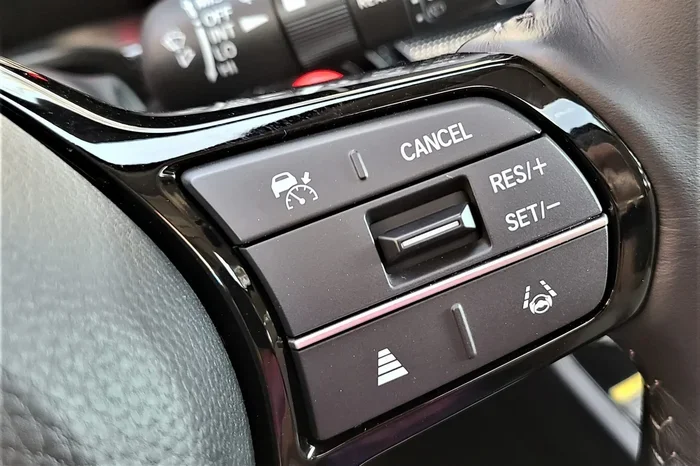
Cruise control is great for maintaining a steady speed limit on highways. It helps you stay in the right gear and avoid unnecessary acceleration and braking. However, do not use cruise control in heavy traffic, on winding roads, or in wet or icy conditions.
Tip 6: Know Your Car’s Power Band
Every engine has a power band, which is the RPM range where it produces the most power and torque. For most everyday cars, this is between 2,000 and 4,000 RPM. When you keep your engine in this range through proper gear selection, you get the best balance of power and efficiency.
Tip 7: Pay Attention to Road Conditions
The speed limit is a maximum, not a target. In rain, fog, or icy conditions, you should drive well below the posted limit. Adjust your gear accordingly. Sometimes driving in a slightly lower gear gives you better control in slippery conditions because the engine provides more resistance and smoother power delivery.
Gear and Speed Tips for Different Driving Situations
Different driving situations call for different approaches to your car gear and speed limit management. Here is how to handle the most common scenarios.
City Driving
City driving means frequent stops, low speeds, and lots of traffic. In this environment, you will use lower gears more often. Stay in second or third gear for most city driving. Keep your speed close to the posted limit, which is usually 25 to 35 mph in urban areas. Avoid staying in first gear for too long, as it causes the engine to over-rev.
Highway Driving
Highway driving is where your overdrive gear shines. Use your highest gear to keep RPM low and fuel economy high. Most cars are most efficient at 55 to 65 mph in top gear. If you are towing a trailer, you may need to stay in a lower gear to avoid overheating your engine.
Mountain Driving
Mountain roads require more attention to gear selection. Going uphill, downshift to a lower gear to maintain power and avoid straining the engine. Going downhill, use a lower gear for engine braking. The speed limit on mountain roads is often lower for good reason, and you should adjust your gear to match the conditions.
Stop-and-Go Traffic
In heavy traffic, you will be shifting frequently. In a manual car, use first and second gear most of the time. In an automatic, let the transmission do its job but avoid riding the brake pedal too hard. Keep a safe distance from the car ahead so you can coast to stops rather than braking hard.
Expert Insights on Gear and Speed Management
We spoke with automotive instructors and driving safety experts to get their top advice on managing car gear and speed limit effectively.
What Driving Instructors Say
Professional driving instructors emphasize one key point: smooth gear changes save lives and save money. Abrupt shifts wear out your transmission and can cause loss of control. The best drivers make gear changes feel seamless, almost unnoticeable to passengers.
What Mechanics Recommend
Experienced mechanics say the number one cause of premature transmission failure is poor gear habits. Staying in too low a gear at high speeds, shifting without the clutch (in manuals), and ignoring warning signs like grinding or slipping all contribute to early transmission wear. Regular maintenance and good gear habits can extend your transmission life by years.
What Safety Experts Advise
Safety experts remind us that the speed limit is the maximum speed for ideal conditions. When conditions are not ideal, you should drive slower. Proper gear selection helps you maintain control and respond quickly to hazards. A car in the right gear responds better and feels more predictable to the driver.
Conclusion
Your car gear and speed limit are more connected than most drivers realize. The right gear at the right speed means better fuel economy, less engine wear, smoother driving, and greater safety on the road. It is not complicated. It just requires a little awareness and a few smart habits.
Start by paying attention to your RPM gauge and how your car feels at different speeds. Match your gear to the speed limit and road conditions. Avoid the common mistakes we covered, and use the practical tips to improve your driving starting today. Over time, these habits will become second nature.
The best drivers are not the fastest ones. They are the ones who understand their car, respect the road, and make smart choices every time they get behind the wheel. Your gear and speed management skills are a big part of that. Drive smart, stay safe, and enjoy the ride.
Frequently Asked Questions
What happens if I drive in the wrong gear for my speed?
Driving in the wrong gear can cause your engine to over-rev or lug, which wastes fuel and creates extra wear. In too low a gear at high speed, your engine works harder than it needs to. In too high a gear at low speed, the engine struggles and may strain. Over time, this can lead to costly repairs.
Does driving in the correct gear really save fuel?
Yes, absolutely. When your car gear and speed limit are matched properly, your engine runs in its most efficient RPM range. This can improve fuel economy by up to 15%. Proper gear selection is one of the simplest ways to save money at the pump.
Should I use overdrive all the time on the highway?
For most highway driving, yes. Overdrive is your car’s highest gear, and it is designed to reduce engine RPM at steady speeds. This improves fuel economy and reduces engine noise. However, turn it off when towing heavy loads or driving in hilly terrain where you need more engine braking.
How do I know which gear to use at a certain speed?
A good rule of thumb is to match your gear to the posted speed limit. For speeds under 15 mph, use first or second gear. For 15 to 30 mph, use second or third. For 30 to 45 mph, use third or fourth. For 45 to 65 mph, use fourth or fifth. Above 65 mph, use your top gear or overdrive. Always check your RPM gauge to confirm you are in the right range.
Is it bad to skip gears when shifting in a manual car?
Skipping gears occasionally is not harmful, but it should not become a habit. Smooth, sequential shifting reduces wear on your transmission and clutch. Skipping gears can cause a jerky ride and put extra stress on drivetrain components. For the smoothest and longest-lasting performance, shift through gears one at a time.
Can wrong gear selection damage my car’s transmission?
Yes, consistently using the wrong gear can cause serious transmission damage. Over-revving in too low a gear wears out clutch components and bands. Lugging in too high a gear puts strain on the engine and transmission internals. Combined with the wrong speed limit behavior, poor gear habits are a leading cause of premature transmission failure.