Ever Wondered How Many Honda Civics Have Been Made
The Honda Civic is one of the best-selling cars in history, with over 27 million units sold worldwide since 1972. Honda has produced the Civic across 11 generations, and its production numbers continue to grow each year. Understanding how many Honda Civics have been made gives you a clear picture of its incredible global impact.
The Honda Civic is a name that almost everyone knows. It has been around for over 50 years, and how many Honda Civics have been made is a question that car lovers ask all the time. The answer might surprise you. Honda has built more than 27 million Civics since the very first one rolled off the assembly line in 1972. That is a staggering number, and it speaks volumes about the car’s place in automotive history.
So why has the Civic been made in such huge numbers? The answer comes down to a few key factors. The Civic is reliable, fuel-efficient, affordable, and fun to drive. These qualities have made it a top choice for millions of buyers around the world. In this article, we will dive deep into the production history of the Honda Civic. We will look at each generation, the global factories that build them, and the reasons behind its massive popularity.
Whether you are a current Civic owner or just curious about one of the most iconic cars ever built, this guide has everything you need. We will cover production numbers, sales figures, and fun facts that you probably have never heard before. Let us get started.
Key Takeaways
- Over 27 million Honda Civics have been sold globally since production began in 1972.
- The Civic has gone through 11 distinct generations, each bringing new technology and design.
- Honda produces the Civic in multiple countries, including the US, Japan, and the UK.
- The Civic has been the best-selling car in the US multiple times throughout its history.
- Fuel efficiency and reliability are the main reasons the Civic has such high production numbers.
- The 1.5-liter turbo engine found in modern Civics is one of the most popular powertrains in the segment.
- Honda continues to expand Civic production to meet growing global demand.
📑 Table of Contents
- The History of Honda Civic Production
- How Many Honda Civics Have Been Made Across All Generations
- Where Are Honda Civics Manufactured?
- Why the Honda Civic Has Been So Popular
- Honda Civic Production Numbers by Market
- The Future of Honda Civic Production
- Common Mistakes to Avoid with Your Honda Civic
- Quick Tips for Honda Civic Owners
- Expert Insights on Honda Civic Production
- Conclusion
The History of Honda Civic Production
The Honda Civic first appeared in July 1972. Honda designed it as a compact, economical car for everyday drivers. At the time, fuel prices were rising, and people wanted smaller, more efficient vehicles. The Civic fit the bill perfectly. The first generation Civic was a simple two-door sedan, and it quickly gained a loyal following.
First Generation (1972-1979)
The first-generation Civic started with a 1.2-liter engine that produced about 50 horsepower. It was not powerful, but it was incredibly efficient. Honda sold over 1.5 million units of the first generation worldwide. This early success set the stage for what would become one of the longest-running nameplates in automotive history.
One of the reasons the first Civic sold so well was its CVCC engine technology. This system helped the Civic meet strict emissions standards without needing a catalytic converter. That was a big deal in the 1970s. It gave Honda a major competitive advantage, and sales soared as a result.
Second Through Fourth Generations (1980-1991)
The second generation arrived in 1980 with a more modern design. Honda expanded the Civic lineup to include a three-door hatchback and a five-door wagon. The third generation, introduced in 1984, brought fuel injection to the Civic lineup. This improved both performance and fuel economy.
By the fourth generation in 1988, the Civic had become a global phenomenon. Honda built Civics in Japan, the United States, and the United Kingdom. The total production numbers for these three generations combined exceeded 8 million units. The Civic was no longer just a compact economy car. It had become a mainstream favorite.
Fifth Through Seventh Generations (1992-2000)
The fifth-generation Civic arrived in 1992 with a sleeker, more aerodynamic design. Honda introduced the Civic Si variant, which gave enthusiasts a sporty option. The sixth generation, launched in 1996, focused on refinement and quality. Interior materials improved, and the driving experience became more polished.
The seventh generation Civic came out in 2001. It was larger than its predecessors, which drew some criticism from enthusiasts. However, it appealed to a broader audience. Honda sold over 3 million seventh-generation Civics worldwide. The global demand for Honda Civics continued to grow during this period.
How Many Honda Civics Have Been Made Across All Generations
When we look at the total production numbers, the Honda Civic stands out. Honda has produced more than 27 million Civics across 11 generations. Let us break that down by generation to understand the scale of production.
| Generation | Years | Approximate Units Sold |
|---|---|---|
| 1st | 1972-1979 | 1.5 million+ |
| 2nd | 1980-1983 | 1.2 million+ |
| 3rd | 1984-1987 | 1.6 million+ |
| 4th | 1988-1991 | 1.8 million+ |
| 5th | 1992-1995 | 1.5 million+ |
| 6th | 1996-2000 | 1.7 million+ |
| 7th | 2001-2005 | 3.0 million+ |
| 8th | 2006-2011 | 3.5 million+ |
| 9th | 2012-2015 | 3.2 million+ |
| 10th | 2016-2021 | 4.0 million+ |
| 11th | 2022-present | 1.5 million+ (est.) |
These numbers show a clear trend. Honda Civic production has grown over the decades. The eighth, ninth, and tenth generations were the highest-selling, each moving over 3 million units. The current eleventh generation is off to a strong start as well.
If you are wondering about the 2012 Honda Civic specifically, it was part of the ninth generation. Many owners ask whether the 2012 Honda Civic has Bluetooth, and the answer is yes, it was available on higher trims. This shows how Honda has continually updated the Civic to meet modern driver expectations.
Where Are Honda Civics Manufactured?
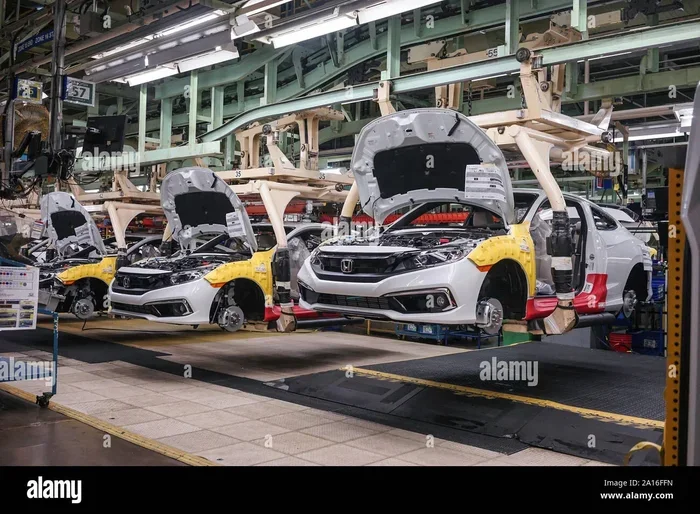
Honda builds Civics in several factories around the world. This global production strategy helps the company meet massive demand. Let us look at the key manufacturing locations.
United States
The Honda Civic has been built in the United States since 1980. The primary plant is in Marysville, Ohio. This facility produces the majority of Civics sold in North America. Honda also operates plants in Greensburg, Indiana, and East Liberty, Ohio, which contribute to Civic production.
Building Civics in the US helps Honda avoid import tariffs and shipping costs. It also creates thousands of American jobs. The Marysville plant alone employs over 6,000 workers. When you buy a Honda Civic built in the US, you are supporting American manufacturing.
Japan
Japan remains Honda’s home base, and several Japanese factories produce Civics for the global market. The Suzuka plant and the Yorii plant are the primary facilities. Japanese-built Civics are often exported to Asia, Europe, and other regions.
Honda’s Japanese operations have been a backbone of Civic production since the very beginning. The company’s engineering roots are in Japan, and that influence shows in the precision and quality of every Civic that rolls off the line.
United Kingdom and Mexico
Honda also manufactures Civics in Swindon, England, and Celaya, Mexico. The UK plant primarily serves European markets, while the Mexico plant supplies Latin America and nearby regions. This global network allows Honda to produce Civics close to where they are sold, reducing logistics costs and delivery times.
With production spread across multiple continents, Honda can respond quickly to changes in demand. If one factory faces a disruption, the others can pick up the slack. This is a big reason Honda has been able to maintain such high production volumes for decades.
Why the Honda Civic Has Been So Popular
The Civic’s incredible production numbers do not happen by accident. Several factors have driven its popularity for more than 50 years. Let us explore the main reasons why so many people choose the Honda Civic.
Reliability
Honda Civics are known for lasting a long time. Many owners report crossing the 200,000-mile mark with regular maintenance. In fact, the average Honda Civic can last over 200,000 miles if you take care of it properly. This reliability is a huge selling point for used car buyers as well.
When a car lasts this long, it saves owners thousands of dollars in replacement costs. That is a big reason the Civic has such a loyal fan base. People buy Civics knowing they will not need to replace the car anytime soon.
Fuel Efficiency
Fuel economy has always been a core strength of the Honda Civic. Even the base models offer impressive mileage. Modern Civics get around 32 miles per gallon in the city and 42 miles per gallon on the highway. For a compact sedan, that is excellent fuel economy.
With gas prices fluctuating, buyers always look for cars that save money at the pump. The Civic delivers on this front every time. Its efficient engines and lightweight design make it one of the most fuel-efficient cars in its class.
Affordability
Honda positioned the Civic as an affordable car from day one. Today, a new Honda Civic starts around $24,000. That is competitive in the compact sedan segment. Used Civics are even more affordable, making them accessible to a wide range of buyers.
When you compare the Civic to similar cars from other brands, it often comes out ahead on value. The combination of low purchase price, strong fuel economy, and low maintenance costs makes the Civic a smart financial choice.
Fun to Drive
The Civic is not just practical. It is also fun to drive. Honda has always tuned the Civic with a sporty feel. The Civic Si and Type R variants take this to the next level with powerful engines and sharp handling.
Even the base Civic offers a responsive steering feel and a well-balanced chassis. This driving dynamics sets the Civic apart from many competitors in the compact car segment. People who enjoy driving appreciate the Civic for this reason.
Honda Civic Production Numbers by Market
Honda sells Civics in more than 160 countries worldwide. The largest markets for the Civic are the United States, Japan, and China. Let us look at how Civic production and sales break down by region.
- United States: The US is Honda’s largest Civic market. Over 10 million Civics have been sold in the US alone since 1972. Honda sells more than 300,000 Civics in America every year.
- Japan: Honda’s home market remains strong. The Civic is one of the best-selling cars in Japan, with over 3 million units sold domestically.
- China: China has become a major Civic market in recent years. Honda sells the Civic through joint ventures with local manufacturers. Sales in China have grown steadily over the past decade.
- Europe: The Civic has a strong presence in Europe, particularly in the UK and Germany. Honda’s Swindon plant has been a key supplier for European buyers.
- Other Markets: Honda also sells Civics in Southeast Asia, the Middle East, and South America. The global reach of the Civic is truly impressive.
With such a wide global footprint, Honda has been able to keep Civic production running at high levels for decades. The demand shows no signs of slowing down. In fact, Honda recently announced plans to expand Civic production capacity to meet growing interest in the eleventh generation.
The Future of Honda Civic Production
Honda continues to invest in the Civic lineup. The eleventh-generation Civic, introduced in 2022, features a modern design and advanced technology. Honda is also exploring hybrid powertrains for the Civic to meet tightening emissions regulations.
In the coming years, we can expect Honda to increase Civic production in key markets. The company is building new EV factories, but the Civic will remain a core part of the lineup. Honda believes there will always be a place for affordable, efficient, and fun compact cars.
The Civic’s production numbers tell a compelling story. Over 27 million units is a testament to the car’s enduring appeal. As long as buyers continue to value reliability, efficiency, and affordability, the Honda Civic will remain a staple of the automotive world.
If you are considering a Honda Civic, now is a great time to buy. Whether you are looking at a brand-new model or a used one, the Civic offers incredible value. And when you think about how many Honda Civics have been made, you are joining a massive global community of Civic owners. That is something to be proud of.
One thing to keep in mind is that the longevity of any car depends on how well you maintain it. Regular oil changes, tire rotations, and timely repairs will keep your Civic running strong for years. If you ever need to replace parts like bumpers or body panels, the cost of labor varies, so it is good to research how much labor costs before scheduling any repairs.
The Civic also holds its value well in the used car market. A 2012 Honda Civic, for example, still commands a strong resale price thanks to its reputation for reliability. Many of these older models come with modern features like Bluetooth connectivity, which makes them attractive to budget-conscious buyers.
When you think about how far your Civic can go on a single tank, that is another factor that adds to its appeal. Understanding your fuel range helps with road trips and daily commutes alike. The Civic’s efficient fuel consumption means fewer trips to the gas station and more money in your pocket.
In short, the Honda Civic is more than just a car. It is a global icon. Its production numbers reflect decades of innovation, quality, and customer satisfaction. Whether you drive a first-generation classic or a brand-new eleventh-generation model, you are part of the Honda Civic legacy.
Common Mistakes to Avoid with Your Honda Civic
Owning a Honda Civic is relatively simple, but there are a few common mistakes that owners should avoid. These small errors can lead to bigger problems down the road.
- Skipping oil changes: Regular oil changes are essential for engine longevity. Do not push beyond the recommended interval.
- Ignoring warning lights: If a dashboard warning light comes on, address it promptly. Early detection prevents costly repairs.
- Using the wrong fuel: Most Civics run on regular unleaded gasoline. Using premium fuel will not improve performance and wastes money.
- Neglecting tire maintenance: Proper tire pressure and alignment improve fuel economy and safety. Check your tires monthly.
- Overloading the car: Exceeding the vehicle’s weight capacity strains the engine and suspension. Stay within the recommended limits.
Avoiding these mistakes will help your Civic last for many years. The Civic is built to last, but it still needs proper care and attention.
Quick Tips for Honda Civic Owners
- Check your owner’s manual for the recommended maintenance schedule.
- Keep a record of all service appointments and repairs.
- Use genuine Honda parts for replacements to ensure quality and fit.
- Wash your Civic regularly to protect the paint and undercarriage from rust.
- Join online Honda Civic communities to connect with other owners and share tips.
- Consider purchasing an extended warranty if you plan to keep the car for a long time.
- Stay updated on recalls by registering your vehicle with Honda’s official website.
Expert Insights on Honda Civic Production
Automotive analysts have long praised Honda’s approach to Civic production. The company’s strategy of building the Civic in multiple countries allows it to serve diverse markets efficiently. This global manufacturing model has been a key factor in the Civic’s success.
Experts also point to Honda’s commitment to continuous improvement. Each new generation of the Civic incorporates lessons learned from the previous one. This iterative approach has kept the Civic relevant for over five decades. The result is a car that consistently meets the evolving needs of buyers around the world.
According to industry reports, Honda plans to maintain strong Civic production levels in the coming years. The compact car segment remains competitive, but the Civic’s combination of value and quality gives it a clear edge. With over 27 million units produced and counting, the Civic’s production story is far from over.
For those interested in the broader Honda lineup, it is worth noting that the company also produces other popular models. Understanding how much a brand new car costs in different segments can help you make informed purchasing decisions. The Civic’s position as an affordable compact sedan makes it an excellent entry point into Honda ownership.
The Civic’s impact extends beyond just sales numbers. It has shaped the compact car segment and influenced competitors around the world. Other automakers have followed Honda’s lead in producing reliable, efficient, and affordable small cars. The Civic’s legacy is evident in every modern compact sedan on the road today.
Conclusion
The Honda Civic is one of the most produced cars in automotive history. With over 27 million Honda Civics made since 1972, it has earned its place as a global icon. From its humble beginnings as a compact economy car to its current status as a best-selling sedan worldwide, the Civic has never stopped evolving.
Each of the 11 generations has brought something new to the table. Improved technology, better fuel economy, and refined design have kept buyers coming back for more. Honda’s global manufacturing network ensures that Civics are built efficiently and delivered to customers worldwide.
If you are a Civic owner, you are part of a massive community of drivers who value reliability, efficiency, and affordability. And if you are considering buying one, you can feel confident knowing that the Civic has a proven track record spanning more than half a century.
The numbers tell a clear story. The Honda Civic is here to stay. Its production will continue to grow as Honda meets the needs of drivers around the world. And for those who love this car, there has never been a better time to be a part of the Civic family.
Frequently Asked Questions
How many Honda Civics have been sold worldwide?
Honda has sold over 27 million Honda Civics worldwide since production began in 1972. This makes the Civic one of the best-selling cars in automotive history. The numbers continue to grow with each new generation.
Which Honda Civic generation sold the most units?
The eighth-generation Civic (2006-2011) and the tenth-generation Civic (2016-2021) are among the highest-selling. Each moved over 3.5 million units globally. The tenth generation benefited from strong demand in the US and international markets.
Where are Honda Civics manufactured?
Honda builds Civics in several countries including the United States, Japan, the United Kingdom, and Mexico. The Marysville, Ohio plant is the largest producer of Civics for the North American market. Honda’s global production network helps meet demand in over 160 countries.
How long has Honda been making the Civic?
Honda has been producing the Civic since 1972. That means the Civic has been around for over 50 years. The car has gone through 11 generations during that time, each bringing updates in design and technology.
Is the Honda Civic still being produced today?
Yes, Honda is currently producing the eleventh-generation Civic, which was introduced in 2022. Production continues at multiple factories worldwide. Honda has confirmed that the Civic will remain a key part of its lineup for years to come.
What makes the Honda Civic so popular worldwide?
The Civic’s popularity comes from its reliability, fuel efficiency, affordability, and fun-to-drive nature. These qualities have made it a top choice for millions of buyers across different markets. Honda’s commitment to continuous improvement keeps the Civic competitive in every generation.


