How Long Do You Have To Drive To Reset Check Engine Light
You typically need to drive between 50 and 100 miles across multiple trips to fully reset your check engine light. The exact distance depends on your vehicle model, the fault code stored, and how many readiness monitors need to run. Understanding the drive cycle process helps you avoid unnecessary trips to the mechanic and saves time and money.
That little yellow warning light on your dashboard can send anyone into a panic. You see it glow, and suddenly your mind races with worst-case scenarios. But here is the good news. In many cases, the check engine light is not a sign of a catastrophic failure. Sometimes it just needs a reset. And the key question most drivers ask is: how long do you actually need to drive before that light goes away for good?
The answer is not as simple as a single number. It depends on your vehicle, the type of fault code stored, and how many diagnostic monitors your car needs to run. Most vehicles require between 50 and 100 miles of driving spread across several trips. Some reset faster. Others take more time. This guide breaks down everything you need to know about resetting your check engine light through driving alone.
Whether you just tightened a loose gas cap or fixed a more serious issue, understanding the reset process helps you drive with confidence. You will learn what readiness monitors are, how drive cycles work, and what to do if the light refuses to turn off. Let us get into it.
Key Takeaways
- Drive 50-100 miles: Most vehicles need this distance across several trips to reset the check engine light completely.
- Readiness monitors matter: Your car has multiple emission monitors that must all pass before the light resets.
- A loose gas cap is a common fix: Tightening or replacing it often resolves the issue quickly.
- An OBD-II scanner helps: You can check if all monitors have run without driving endlessly.
- Some faults need professional repair: If the underlying problem isn’t fixed, the light will come back on.
- Drive cycles vary by vehicle: Each make and model has its own specific reset requirements.
📑 Table of Contents
- What Happens When Your Check Engine Light Comes On
- What Is a Drive Cycle and Why Does It Matter
- How Long Do You Actually Need to Drive
- Can You Reset the Light Without Driving at All
- Quick Tips to Help the Reset Process Along
- When to See a Professional Instead of Driving It Off
- Final Thoughts on Resetting Your Check Engine Light
What Happens When Your Check Engine Light Comes On
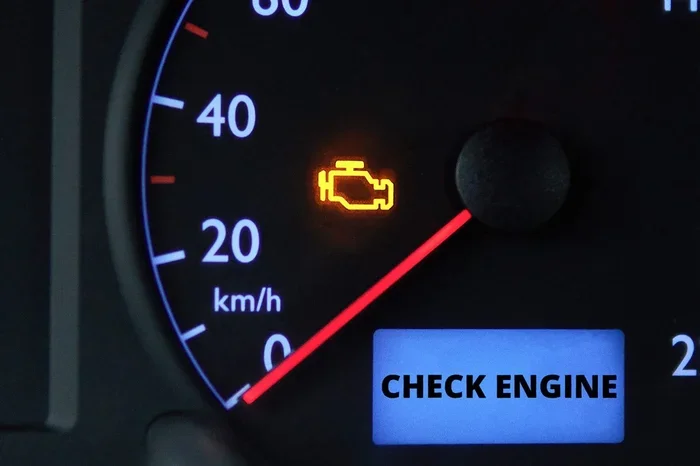
Your car is packed with sensors. These sensors constantly monitor engine performance, emissions, and fuel efficiency. When something falls outside the normal range, the powertrain control module (PCM) stores a diagnostic trouble code (DTC). That code triggers the malfunction indicator lamp, which is the official name for your check engine light.
The light does not just turn on randomly. It signals that your vehicle’s emission system or another critical component needs attention. Common reasons include:
- Loose or faulty gas cap — This is the most common and easiest fix of all.
- Oxygen sensor failure — This sensor measures unburned oxygen in your exhaust.
- Catalytic converter issues — A failing converter affects your car’s emissions output.
- Engine misfire — When a cylinder misfires, unburned fuel enters the exhaust system.
- Mass airflow sensor problems — This sensor measures the air entering your engine.
- Spark plug or ignition coil wear — Old spark plugs can cause misfires and trigger the light.
Once a code is stored, your car enters what is known as a not-ready status for the affected monitor. The system will not reset until that monitor completes a full drive cycle. This is exactly why simply turning the light off does not work. The vehicle needs to verify that the problem is resolved through actual driving.
What Is a Drive Cycle and Why Does It Matter
A drive cycle is a specific sequence of driving conditions that your vehicle goes through. It allows the onboard diagnostics system to test various components under controlled scenarios. Think of it as a self-test that your car runs while you drive normally.
How the OBD-II System Monitors Your Vehicle
Your car uses the OBD-II (On-Board Diagnostics II) system. This system was standardized in 1996 for all vehicles sold in the United States. It runs multiple readiness monitors that check different systems:
- Catalyst monitor — Tests the efficiency of your catalytic converter.
- Oxygen sensor monitor — Checks the oxygen sensor response time.
- EVAP monitor — Tests for fuel vapor leaks in the evaporative emission system.
- EGR monitor — Checks the exhaust gas recirculation system.
- Misfire monitor — Detects engine misfires in real time.
- Fuel system monitor — Verifies that fuel trim values are within range.
Each monitor has its own conditions for completing. Some need highway driving. Others need idling or cold starts. This is why there is no single magic number for miles. Your vehicle needs enough varied driving to run each monitor at least once.
Why the Light Comes Back After a Reset
If you clear a fault code and the light goes off, but you have not completed a full drive cycle, the light may return. The system sees that the monitors have not run. It interprets this as incomplete testing and reactivates the warning. This is one of the most common reasons drivers get frustrated with the reset process.
The key is patience. You need to let your car do its job. Drive normally for several days. Avoid aggressive acceleration. Let the engine reach full operating temperature. These simple steps help the monitors complete their tests.
How Long Do You Actually Need to Drive
This is the question everyone wants answered. The truth is that it varies. But here are some general guidelines based on common vehicle types and scenarios.
Typical Drive Distance for Most Vehicles
For most cars, trucks, and SUVs, you will need to drive between 50 and 100 miles total. However, this does not mean one continuous trip. You should spread the driving across 3 to 5 separate trips. Each trip should include:
- A cold start — meaning you start the car after it has been sitting for at least 6 hours.
- City driving at moderate speeds for 10 to 15 minutes.
- Highway driving at steady speeds for 15 to 20 minutes.
- Cool-down periods where the engine idles before shutting off.
This pattern gives your vehicle the variety it needs to run all the different readiness monitors. A single long highway trip is not enough because you miss the cold start and city driving conditions.
Vehicles That Reset Faster
Some newer vehicles have more advanced OBD-II monitors that complete faster. For example:
- 2015 and newer Toyota models often reset within 30 to 50 miles.
- Honda vehicles from 2016 onward may complete monitors in just a few days of normal driving.
- Ford vehicles typically need 50 to 75 miles across multiple trips.
- Older vehicles (pre-2010) often take longer, sometimes up to 100 miles or more.
What If the Light Won’t Turn Off
Sometimes you drive the recommended distance and the light stays on. This usually means one of two things. Either the underlying problem was not fully resolved, or one or more monitors still have not completed. If you fixed the issue but the light remains, try these steps:
- Double-check that the repair was done correctly.
- Drive for an additional 50 miles and monitor the behavior.
- Use an OBD-II scanner to check which monitors are still not ready.
- Make sure you are completing cold starts between trips.
If the light keeps coming back after a reset, there is likely a persistent issue that needs further diagnosis. In this case, visiting a trusted mechanic is the smart move.
Can You Reset the Light Without Driving at All
Technically, yes. You can disconnect the battery for 15 to 30 minutes to clear the codes. However, this approach comes with drawbacks. Disconnecting the battery may:
- Reset your radio presets and clock settings.
- Cause the transmission to relearn shift patterns.
- Delete stored adaptation values that your engine uses for optimal performance.
- Not actually complete the readiness monitors — the monitors still need to run through driving.
Many people ask, “can a check engine light go off by itself” after a battery disconnect. The answer is yes, it will turn off temporarily. But unless the monitors run and pass, the light will likely return once the system detects incomplete testing. Driving remains the most reliable method for a permanent reset.
Quick Tips to Help the Reset Process Along
Want to make the reset process smoother and faster? Follow these practical tips:
- Fix the root cause first. Do not clear the light until the actual problem is repaired. Otherwise, the light will just come back.
- Check your gas cap. A loose gas cap triggers many check engine lights. Tighten it until you hear it click, then drive for a few days.
- Avoid short trips only. Short trips under 10 minutes do not allow the engine to reach full operating temperature. This prevents monitors from completing.
- Include highway driving. Steady-speed highway driving helps the catalyst and oxygen sensor monitors run efficiently.
- Use an OBD-II scanner. You can check monitor status at any time without driving more. This tells you exactly which monitors are still pending.
- Be patient. Some monitors take several days to complete. Give your car time to do its thing.
Common Mistakes People Make When Resetting the Light
Avoid these common pitfalls that waste time and frustration:
- Clearing the code before fixing the problem. This just masks the real issue and the light returns quickly.
- Taking one long trip and expecting a reset. A single highway trip does not cover all driving conditions needed for the monitors.
- Ignoring the light after a reset. If the light comes back, there is still an unresolved problem.
- Using cheap code readers that only clear codes. Basic scanners clear the code but do not show you monitor status. Invest in a scanner that displays readiness flags.
When to See a Professional Instead of Driving It Off
Not every check engine light situation can be solved by driving. You should see a professional if:
- The light is flashing — a flashing light indicates a severe problem, often a misfire that can damage the catalytic converter.
- You notice a significant drop in power or performance.
- The vehicle goes into limp mode or restricts engine power.
- The same code returns immediately after a reset.
- You have a bad battery or electrical issue that may be causing false codes.
Sometimes the issue is simpler than you think. For instance, a weak battery can cause voltage fluctuations that trigger warning lights. If you recently had battery work done and the light appeared, it may be worth checking whether a bad battery can cause the wrench light to come on or similar electrical-related warnings. Electrical issues often mimic sensor failures and lead to unnecessary repairs.
Also, if you want to verify your vehicle’s status without driving more, you can ask a mechanic to run vehicle diagnostics with a professional-grade scanner. This tool reads not just the codes but also the status of every readiness monitor. It gives you a clear picture of where you stand in the reset process.
Final Thoughts on Resetting Your Check Engine Light
Resetting your check engine light through driving is a straightforward process once you understand how it works. Most vehicles need 50 to 100 miles of mixed driving across several trips. The key is letting your car’s readiness monitors complete their self-tests. Be patient, drive normally, and avoid aggressive habits.
If the light stays off after completing the drive cycle, you are in the clear. If it returns, there is still an issue that needs attention. In those cases, using a quality OBD-II scanner or visiting a trusted mechanic will help you get to the bottom of the problem.
Remember, the check engine light is your car’s way of communicating with you. It is not something to ignore, but it is also not always something to fear. With the right approach, you can reset the light, drive with confidence, and keep your vehicle running smoothly for miles to come.
Frequently Asked Questions
How long does it take for the check engine light to reset after fixing the problem?
After you fix the issue, you typically need to drive 50 to 100 miles across several trips for the light to reset. The exact time depends on your vehicle model and how many readiness monitors need to complete their tests.
Can I reset the check engine light by disconnecting the battery?
Yes, disconnecting the battery for 15 to 30 minutes can clear the codes temporarily. However, the readiness monitors still need to run through driving to permanently reset the light. The light may return if the monitors have not completed.
What happens if I drive but the check engine light stays on?
If the light stays on after driving the recommended distance, it usually means the underlying problem was not fully resolved or one or more monitors have not completed. Use an OBD-II scanner to check which monitors are still pending and verify the repair was successful.
Do I need to use a special scanner to check if the reset is complete?
A standard OBD-II scanner can show you the status of your readiness monitors. When all monitors display “ready” or “complete,” the reset process is finished. You do not need a professional-grade tool, but it helps to have one that shows monitor status.
Is it safe to drive with the check engine light on?
If the light is steady and not flashing, it is generally safe to drive to a repair shop. However, if the light is flashing, you should stop driving immediately as it often indicates a serious issue like an engine misfire that can cause catalytic converter damage.
Can a loose gas cap cause the check engine light to come on?
Yes, a loose or faulty gas cap is one of the most common reasons for a check engine light. It triggers the EVAP monitor because it allows fuel vapors to escape from the fuel system. Tightening the cap or replacing it often resolves the issue quickly.
=== CONCLUSION ===
Resetting your check engine light does not require a trip to the dealership or a costly diagnostic fee. Most vehicles need between 50 and 100 miles of driving spread across multiple trips to complete all readiness monitors and turn the light off for good. The process relies on your car’s OBD-II system running its self-tests under different driving conditions.
Be patient, drive normally, and let your vehicle do its job. If the light returns after a reset, address the underlying issue before trying again. With the right approach and a little time, you can handle most check engine light situations on your own. Safe driving!