How Long Do Camry Transmissions Last and What Affects Them
The Toyota Camry transmission is built to last, but its lifespan depends on several key factors. Most Camry transmissions can handle between 200,000 and 300,000 miles with proper care. Regular transmission fluid changes, gentle driving habits, and timely repairs play a huge role in how long your Camry transmission stays healthy.
If you own a Toyota Camry or are thinking about buying one, you probably wonder how long the transmission will last. The Camry has a strong reputation for reliability. Many owners report crossing the 200,000-mile mark without major transmission issues. But the truth is, transmission lifespan varies a lot depending on how you care for the vehicle.
The Toyota Camry transmission is one of the most trusted drivetrains on the road. Whether you drive a older model or a newer one, understanding what affects transmission life helps you make smarter decisions. This guide breaks down everything you need to know about how long Camry transmissions last, what shortens their lifespan, and how to keep yours running strong for hundreds of thousands of miles.
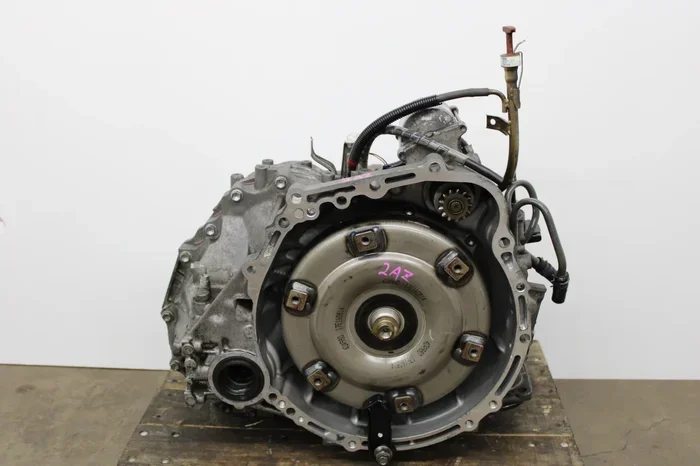
Think of your transmission as the bridge between your engine and your wheels. It takes the power your engine creates and delivers it to the wheels at the right speed. Without a healthy transmission, your Camry simply cannot move properly. That is why paying attention to this critical component matters so much.
So how long can you really expect your Camry transmission to last? The short answer is a long time. But the detailed answer depends on your driving style, maintenance habits, and the specific Camry model you own. Let us dive into the details.
Key Takeaways
- Average Lifespan: A well-maintained Camry transmission can last 200,000 to 300,000 miles or more.
- Fluid Changes Matter: Regular transmission fluid and filter changes are the single most important maintenance task.
- Driving Habits Count: Aggressive driving, towing, and stop-and-go traffic all shorten transmission life.
- Warning Signs Exist: Slipping gears, strange noises, and fluid leaks are early signals of trouble.
- Maintenance Schedule: Following the recommended service interval keeps your transmission running smoothly for years.
- Repair vs Replace: Knowing when to repair versus replace saves money and prevents further drivetrain damage.
📑 Table of Contents
- Understanding Your Camry Transmission
- How Long Do Camry Transmissions Last on Average?
- What Affects Camry Transmission Lifespan?
- Warning Signs Your Camry Transmission Needs Attention
- How to Extend Your Camry Transmission Life
- Transmission Repair vs Replacement: What You Need to Know
- Common Mistakes That Shorten Transmission Life
- Expert Insights on Camry Transmission Longevity
- Key Takeaways
- Conclusion
Understanding Your Camry Transmission
The Toyota Camry has used several different transmission types over the years. Older models often came with a 5-speed automatic or a 4-speed automatic. Newer models feature 6-speed, 8-speed, and even continuously variable transmissions (CVTs). Each type has its own strengths and weaknesses.
Automatic vs Manual Transmissions
Most Camry owners drive an automatic. Automatics are convenient and easy to use. They also tend to be more popular in the family sedan market. Manual transmissions were available on some Camry models in the past, but they are rare now.
Automatic transmissions generally last a long time when properly maintained. Manual transmissions can also last a very long time, but they wear differently. Clutch replacement is the most common issue with manual Camrys. For most owners, the automatic transmission is the main concern when thinking about long-term reliability.
The Role of Transmission Fluid
Transmission fluid is the lifeblood of your drivetrain. It lubricates all the moving parts inside the transmission. It also helps with cooling and hydraulic pressure. Without clean fluid, internal components grind against each other and wear out faster.
Over time, transmission fluid breaks down. It gets dirty and loses its ability to protect internal parts. This is why fluid changes are so important. Fresh fluid keeps everything running smooth and cool inside the transmission housing.
How Long Do Camry Transmissions Last on Average?
When properly maintained, a Toyota Camry transmission can last between 200,000 and 300,000 miles. Some owners have reported their Camry transmissions going well beyond 300,000 miles with no major issues. This is one reason the Camry is considered one of the most reliable sedans on the market.
If you are curious about overall Camry longevity, you might also want to check out Can A Toyota Camry Last 500,000 Miles and Can A Camry Last 300,000 Miles. These articles cover the broader picture of Camry reliability, including the transmission.
Transmission Life by Generation
Different Camry generations have different transmission setups. Here is a quick look at what to expect:
- 2007 and Older: These models often used 4-speed or 5-speed automatics. With good care, they can last 200,000+ miles.
- 2007 to 2011: The 5-speed automatic in these models is known for durability. Many reach 250,000 miles without a rebuild.
- 2012 to 2017: The 6-speed automatic is a solid unit. It handles the power well and tends to last a long time.
- 2018 and Newer: The 8-speed automatic is the latest evolution. It is still relatively new, but early reports are very positive.
How Many Miles Can a Car Last Overall?
It is worth noting that transmission life is closely tied to overall vehicle longevity. If you want to understand the bigger picture of car lifespan, check out how many miles a car can last. The transmission is one of the most important pieces of that puzzle.
On average, a Camry that receives regular maintenance and is driven gently will outlast many other sedans in its class. The transmission is a big reason for this. Toyota engineers designed these transmissions with longevity in mind.
What Affects Camry Transmission Lifespan?
Not all Camry transmissions last the same amount of time. Several factors play a role in determining how long yours will go. Understanding these factors helps you take control of your transmission health.
Driving Habits
How you drive has a huge impact on transmission life. Aggressive driving wears out internal components faster. Here are some habits that can shorten your transmission lifespan:
- Hard acceleration from stoplights
- Riding the brakes on downhill slopes
- Shifting from drive to reverse before the car fully stops
- Towing heavy loads beyond the vehicle capacity
- Revving the engine high in neutral
Gentle, smooth driving is the best thing you can do for your transmission. Ease off the gas pedal when slowing down. Come to a full stop before shifting gears. These small habits add up over hundreds of thousands of miles.
Maintenance Schedule and Fluid Changes
Skipping transmission fluid changes is the number one killer of Camry transmissions. Dirty, old fluid causes friction and heat inside the transmission. Over time, this leads to worn gears, slipping, and eventual failure.
Toyota recommends changing transmission fluid every 60,000 miles for most Camry models. Some newer models can go longer between changes. But sticking to a regular schedule is always a smart move. Use the correct type of fluid specified in your owner manual. Using the wrong fluid can cause serious damage.
A transmission flush is another option some owners choose. This replaces all the old fluid rather than just draining and refilling. A flush can be more thorough, but check with a trusted mechanic to see if it is right for your specific Camry model.
Climate and Driving Conditions
Where you live and how you drive also matter. Hot climates put extra stress on transmissions because the fluid heats up faster. Stop-and-go city driving creates more heat and wear than steady highway driving.
If you live in a hot area or do a lot of city driving, consider changing your transmission fluid more frequently. Shortening the interval to every 40,000 miles can help protect your transmission in tough conditions.
Previous Repair History
If you buy a used Camry, the transmission history matters a lot. A transmission that has been rebuilt or repaired may not last as long as a factory-original one. Always ask for service records and get a pre-purchase inspection when buying a used Camry.
Manufacturing Defects and Recalls
Some Camry models have had known transmission issues. Toyota has issued recalls and technical service bulletins for certain transmission problems over the years. Staying up to date on any recalls for your specific model year is important. Check the NHTSA website or ask your dealer about any known issues for your Camry.
Warning Signs Your Camry Transmission Needs Attention
Catching transmission problems early can save you from expensive repairs. Your Camry will usually give you warning signs before a major failure. Here are the most common signals that something is wrong with your transmission.
Slipping Gears
If your Camry feels like it is shifting on its own or the engine RPMs spike without a corresponding increase in speed, your transmission may be slipping. This is one of the most common signs of internal wear. Slipping often means the clutch packs or bands inside the transmission are worn out.
Delayed or Rough Shifting
A healthy Camry transmission shifts smoothly and quickly. If you notice a delay when shifting from park to drive, or if the shifts feel harsh or jerky, do not ignore it. Rough shifting often points to low fluid levels or worn internal components.
Unusual Noises
Listen to your transmission. A whining, buzzing, or clunking noise is never a good sign. These sounds often indicate worn bearings, gears, or other internal parts. Pay attention to any new noises, especially when in gear or when shifting.
Transmission Fluid Leaks
Check under your Camry regularly for red or brown fluid spots. Transmission fluid leaks are a clear sign of a problem. Low fluid levels cause the transmission to overheat and wear out faster. If you notice a leak, get it checked right away.
Warning Lights on the Dashboard
Modern Camrys have transmission warning lights and check engine lights. If the check engine light comes on, do not ignore it. A diagnostic scan can reveal transmission-related codes early, giving you time to address the issue before it becomes a major repair.
How to Extend Your Camry Transmission Life
Taking care of your transmission does not have to be complicated. A few simple habits can add years of life to your drivetrain. Here is what you can do starting today.
Follow the Maintenance Schedule
Stick to the factory-recommended service intervals. Change your transmission fluid on time. Replace the filter if your model has one. These small investments pay off big over the life of the vehicle.
Check Fluid Levels Regularly
Get under the hood and check your transmission fluid once a month. The fluid should be red and smell slightly sweet. If it is dark brown or smells burnt, it is time for a change. Low fluid levels also indicate a leak that needs attention.
Warm Up Your Car Before Driving
In cold weather, give your Camry a minute or two to warm up before driving. This allows the transmission fluid to circulate and reach the right temperature. Cold fluid is thicker and does not lubricate as well.
Avoid Overloading the Vehicle
Every Camry has a maximum towing and payload capacity. Exceeding these limits puts extra strain on the transmission. Check your owner manual for the exact numbers and stay within them.
Address Small Problems Immediately
Do not wait for a small issue to become a big one. If you notice a slight slip, a minor leak, or a subtle change in shifting feel, get it checked. Early intervention often means a simple fix instead of a full transmission replacement.
Transmission Repair vs Replacement: What You Need to Know
When transmission problems do occur, you face a big decision: repair or replace? The answer depends on the severity of the issue, the age of the vehicle, and your budget.
When Repair Makes Sense
Small repairs like replacing a solenoid, fixing a leak, or changing the valve body can restore transmission function. These repairs are much less expensive than a full rebuild or replacement. If the transmission still has a lot of life left, repair is usually the way to go.
When Replacement or Rebuild Is Necessary
Major internal damage like worn gears, damaged torque converters, or a burned transmission often requires a rebuild or full replacement. A rebuild involves taking the transmission apart, replacing worn parts, and reassembling it. A replacement means installing a remanufactured or used transmission.
Transmission repairs and replacements can be expensive. Costs can range from $1,500 for a solenoid replacement to $4,000 or more for a full rebuild. This is why prevention and regular maintenance are so important.
If you are buying a used Camry and want to understand the overall cost of ownership, knowing how much to put down on a car helps you budget for potential repairs like transmission work.
Common Mistakes That Shorten Transmission Life
Many Camry owners unknowingly shorten their transmission lifespan. Here are the most common mistakes to avoid.
- Ignoring fluid changes: This is the biggest mistake. Old fluid does not protect the transmission properly.
- Overheating the transmission: Towing in hot weather or riding the brakes on long downhill stretches causes overheating.
- Using the wrong fluid: Not all transmission fluids are the same. Using the wrong type can damage internal components.
- Ignoring warning signs: Slipping, noise, or leaks are your Camry telling you something is wrong. Ignoring these signs leads to bigger problems.
- Skipping regular inspections: A transmission inspection every 30,000 miles can catch small issues before they become expensive repairs.
Expert Insights on Camry Transmission Longevity
Toyota has built a reputation for building transmissions that last. The Camry is consistently ranked among the most reliable sedans for a reason. According to data from Consumer Reports and J.D. Power, the Camry transmission has above-average reliability ratings compared to competitors in the midsize sedan segment.
Experienced mechanics often say that the key to a long-lasting Camry transmission is simple: change the fluid, drive gently, and address issues early. The transmission is a robust unit that can handle a lot of miles when treated well.
Many Camry owners who follow a strict maintenance schedule report transmissions that last well beyond 250,000 miles. Some have even pushed past 300,000 miles with only minor repairs along the way. This is a testament to Toyota engineering and the importance of consistent care.
Key Takeaways
- Average Lifespan: A well-maintained Camry transmission can last 200,000 to 300,000 miles or more.
- Fluid Changes Matter: Regular transmission fluid and filter changes are the single most important maintenance task.
- Driving Habits Count: Aggressive driving, towing, and stop-and-go traffic all shorten transmission life.
- Warning Signs Exist: Slipping gears, strange noises, and fluid leaks are early signals of trouble.
- Maintenance Schedule: Following the recommended service interval keeps your transmission running smoothly for years.
- Repair vs Replace: Knowing when to repair versus replace saves money and prevents further drivetrain damage.
Conclusion
The answer to how long do Camry transmissions last is reassuring for most owners. With proper care and maintenance, your Camry transmission can easily last 200,000 to 300,000 miles. The key is staying on top of fluid changes, driving gently, and addressing any warning signs early.
Your transmission is one of the most expensive components to repair or replace. Treating it well pays off in the long run. Follow the maintenance schedule in your owner manual, check your fluid levels regularly, and listen to your Camry when it tells you something is wrong.
The Toyota Camry has earned its reputation as one of the most reliable cars on the road. A big part of that reliability comes from a well-built transmission that is designed to last. By taking a few simple precautions, you can enjoy your Camry for many years and miles to come. Keep up with the maintenance, drive responsibly, and your transmission will keep you rolling for a very long time.
Frequently Asked Questions
How often should I change the transmission fluid in my Camry?
Toyota recommends changing transmission fluid every 60,000 miles for most Camry models. However, if you drive in hot climates or do a lot of stop-and-go city driving, consider changing it every 40,000 miles. Always use the fluid type specified in your owner manual for the best results.
Can a Camry transmission last 300,000 miles?
Yes, a Camry transmission can last 300,000 miles or more with proper maintenance. Regular fluid changes, gentle driving habits, and timely repairs are the key factors that determine whether your transmission reaches this milestone. Many Camry owners have reported transmissions that far exceed the average lifespan.
What is the most common cause of Camry transmission failure?
The most common cause is neglected maintenance, specifically skipped or delayed transmission fluid changes. Old, dirty fluid loses its lubricating and cooling properties, causing internal components to wear out faster. Overheating from towing or aggressive driving is another major contributor to premature failure.
How much does it cost to replace a Camry transmission?
Transmission replacement costs for a Camry typically range from $3,000 to $5,000 for a full rebuild or replacement. Smaller repairs like replacing a solenoid or fixing a leak can cost between $500 and $1,500. Regular maintenance is the best way to avoid these expensive costs.
Are Camry transmissions reliable compared to other brands?
Yes, Camry transmissions are widely considered reliable. Toyota has consistently ranked above average in transmission reliability ratings. The Camry is often praised for its drivetrain longevity, and many owners report minimal transmission issues even after 200,000 miles of ownership.
What are the early warning signs of a failing Camry transmission?
Early warning signs include slipping gears, delayed shifting, unusual whining or grinding noises, transmission fluid leaks, and a burning smell. If you notice any of these symptoms, have your Camry inspected by a qualified mechanic as soon as possible to prevent further damage.