How Long Can a Toyota Highlander Go Without an Oil Change
A Toyota Highlander can typically go between 5,000 and 10,000 miles without an oil change, depending on the model year, engine type, and driving conditions. Most newer Highlanders with synthetic oil can stretch closer to the 10,000-mile mark, while older models or those using conventional oil may need service sooner. Ignoring your oil change schedule can lead to serious engine damage, so staying on top of this basic maintenance task is essential.
Let’s talk about something every Toyota Highlander owner needs to know: how long can a Toyota Highlander go without an oil change. This is one of those maintenance tasks that seems simple but really matters. Skip it, and you could be looking at a very expensive repair bill. Keep up with it, and your Highlander can run smoothly for hundreds of thousands of miles.
Whether you just bought a new Highlander or have been driving one for years, understanding your oil change interval is critical. Oil is the lifeblood of your engine. It reduces friction, cleans away debris, and keeps everything cool. Over time, oil breaks down and loses its effectiveness. When that happens, your engine starts suffering.
In this guide, we will walk you through everything you need to know about Toyota Highlander oil change schedules. We will cover recommended intervals, the different types of oil, warning signs that mean you are overdue, and how driving habits affect your maintenance needs. By the end, you will feel confident about keeping your Highlander in top shape.
Key Takeaways
- Standard Interval: Most Toyota Highlanders need an oil change every 5,000 to 10,000 miles based on the oil type and model year.
- Synthetic Oil Lasts Longer: Synthetic oil allows for extended intervals, often up to 10,000 miles, compared to 5,000 miles for conventional oil.
- Warning Signs Matter: Dark or gritty oil, engine noise, and dashboard alerts are clear signals your Highlander needs an oil change soon.
- Driving Conditions Count: Severe driving conditions like towing, extreme heat, or stop-and-go traffic shorten oil change intervals significantly.
- Neglecting Oil Changes Causes Damage: Skipping oil changes can lead to engine wear, reduced fuel efficiency, and costly repairs down the road.
- Check Your Owner’s Manual: Always refer to your specific Toyota Highlander manual for the manufacturer-recommended oil change schedule.
📑 Table of Contents
- Understanding Oil Change Intervals for the Toyota Highlander
- How Driving Conditions Affect Your Oil Change Needs
- Warning Signs Your Toyota Highlander Needs an Oil Change
- How Many Miles Can a Toyota Highlander Last With Proper Maintenance?
- Oil Change Cost and Where to Get It Done
- Common Mistakes to Avoid With Toyota Highlander Oil Changes
- Expert Tips for Maximizing Your Toyota Highlander’s Engine Life
- How Toyota’s Oil Life System Works
- Final Thoughts on Toyota Highlander Oil Changes
Understanding Oil Change Intervals for the Toyota Highlander
The oil change interval for a Toyota Highlander depends on several factors. These include your model year, the type of engine, and the kind of oil you use. There is no single answer that fits every Highlander, so let us break it down.
Toyota’s Recommended Oil Change Schedule
Toyota provides specific guidelines for each model. For most Toyota Highlander models, the manufacturer recommends an oil change every 5,000 to 7,500 miles when using conventional oil. If you use synthetic oil, the interval can extend to 10,000 miles. These numbers come straight from Toyota’s maintenance schedule, and they are a great starting point.
However, these are general guidelines. Your actual needs may vary based on how you drive and where you live. We will get into that in a moment. For now, just know that Toyota maintenance schedule recommendations are designed to keep your engine healthy under normal conditions.
Oil Type and Its Impact on Change Frequency
The type of oil you put in your Highlander makes a big difference. Let us look at the three main options:
- Conventional Oil: This is the standard oil type. It works well for older models and standard driving. You will need to change it more often, typically every 5,000 miles. It is also the most affordable option.
- Synthetic Blend Oil: This is a mix of conventional and synthetic oil. It offers better protection than conventional oil and can last between 5,000 and 7,500 miles. It is a good middle-ground choice for many Highlander owners.
- Full Synthetic Oil: This is the best option for engine protection. It lasts the longest, up to 10,000 miles in many cases. Synthetic oil handles extreme temperatures better and keeps your engine cleaner. It does cost more upfront, but the extended interval can save you money over time.
Always check your owner’s manual to confirm which oil type your specific Highlander model requires. Using the wrong oil can void your Toyota warranty oil change coverage and potentially harm your engine.
How Driving Conditions Affect Your Oil Change Needs
Here is something many Highlander owners do not realize: your driving habits directly impact how often you need an oil change. Toyota actually defines two categories of driving conditions: normal and severe. Let us explore what each means.
Normal Driving Conditions
Normal driving means you are mostly cruising on highways at steady speeds. You are not dealing with extreme temperatures, and your trips are relatively short but not extremely short. If this sounds like your daily routine, you can stick close to Toyota’s standard recommended interval.
For example, if you drive your Highlander 1,000 miles per month on mostly highway roads, a synthetic oil change every 7,500 to 10,000 miles should work well. This is the ideal scenario for most drivers.
Severe Driving Conditions
Severe driving conditions are much more common than people think. You may be in this category if you:
- Do a lot of stop-and-go city driving
- Frequently tow a trailer or carry heavy loads
- Drive in extreme heat or extreme cold
- Take very short trips under five miles
- Drive on dusty or gravel roads regularly
- Sit in traffic for long periods
If any of these sound familiar, you should shorten your oil change interval by about 25 to 50 percent. That means instead of waiting 10,000 miles, you might need service at 5,000 to 7,500 miles. This is because severe conditions cause oil to degrade faster and accumulate contaminants more quickly.
Oil degradation is a real concern. As oil breaks down, it loses its ability to lubricate and protect engine components. Metal-on-metal contact increases, and wear accelerates. Over time, this leads to reduced performance and potentially costly repairs.
Warning Signs Your Toyota Highlander Needs an Oil Change
Even if you track your mileage, it is smart to watch for warning signs. Your Highlander will tell you when something is off. The key is knowing what to look for.
Dashboard Warning Lights
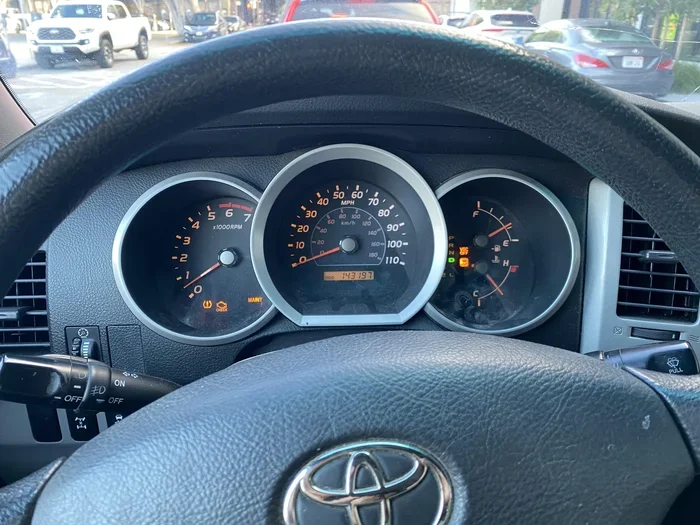
Modern Toyota Highlanders come equipped with an oil life monitoring system. This system tracks your driving habits and automatically alerts you when it is time for an oil change. If you see the maintenance required light on your dashboard, do not ignore it. This is your vehicle asking for service.
Some owners wonder, does your car say when you need an oil change? The answer is yes, in most cases. The oil life monitor uses algorithms to estimate when your oil is no longer performing effectively. However, it is still a good idea to check your oil manually every few weeks.
Visual and Physical Signs
Beyond dashboard alerts, there are physical signs that your Highlander needs an oil change. Here are the most common ones to watch for:
- Dark or Dirty Oil: Fresh oil is amber in color. As it ages, it turns dark brown or black. If you check your dipstick and the oil looks very dark and gritty, it is time for a change.
- Engine Noise: Clean oil keeps engine parts lubricated. When oil breaks down, you may hear increased knocking or ticking sounds from the engine compartment.
- Reduced Fuel Efficiency: Old oil causes more friction, which means your engine works harder and uses more fuel. If you notice your gas mileage dropping, worn oil could be the culprit.
- Oil Smell Inside the Car: If you smell oil inside your cabin, this could indicate a leak or severely degraded oil that needs immediate attention.
- Exhaust Smoke: While some exhaust vapor is normal in cold weather, persistent blue or gray smoke can signal oil burning in the engine.
If you notice any of these signs, schedule an oil change right away. Delaying could put your engine at risk.
How Many Miles Can a Toyota Highlander Last With Proper Maintenance?
This is a question many Highlander owners ask, and the answer is encouraging. With regular maintenance, including timely oil changes, a Toyota Highlander can last a very long time. So how many miles can a car last with proper care? The answer for a well-maintained Highlander is often 250,000 to 300,000 miles or more.
Can a Toyota Highlander last 300 thousand miles? Absolutely. Many owners report reaching this milestone when they stay consistent with their maintenance schedule. Oil changes are the foundation of that longevity. Clean oil keeps the engine running smoothly, reduces wear on internal components, and prevents the buildup of harmful sludge.
Think of it this way: you would not run a marathon without drinking water. Your engine should not run without fresh oil. It is that simple. Regular oil changes are one of the cheapest and most effective ways to protect your investment.
Some owners also ask, how many miles can a car last in general? The answer varies widely by make and model, but Toyota vehicles consistently rank among the longest-lasting cars on the road. The Highlander is no exception. Its reputation for reliability is well earned, and proper maintenance plays a huge role in that.
Oil Change Cost and Where to Get It Done
Let us talk about the practical side of things: cost. Nobody wants to overspend on an oil change, and thankfully, this is a relatively affordable maintenance task.
Average Oil Change Cost for a Toyota Highlander
The oil change cost for a Toyota Highlander typically ranges from $65 to $125, depending on the type of oil used and where you go. Here is a quick breakdown:
- Conventional Oil Change: Around $65 to $85. This is the most budget-friendly option.
- Synthetic Blend Oil Change: Around $85 to $100. A solid step up in protection for a modest price increase.
- Full Synthetic Oil Change: Around $100 to $125. The best protection and longest interval, which can save you money in the long run.
These prices can vary by location and service center. Dealerships tend to charge a bit more, but they use genuine Toyota parts and follow the manufacturer’s specifications exactly. Independent shops often offer lower prices and can be just as reliable if you find a trustworthy one.
Can You Get a Lexus Oil Change at Toyota?
If you own a Lexus, you might wonder about service options. Can I get my Lexus oil change at Toyota? In many cases, yes. Both brands are part of the Toyota family, and many dealerships service both Toyota and Lexus vehicles. However, it is always best to call ahead and confirm before you go.
For Highlander owners, sticking with a Toyota dealership or a certified service center ensures that your Toyota warranty oil change requirements are met. This is especially important if your vehicle is still under warranty.
Common Mistakes to Avoid With Toyota Highlander Oil Changes
Even well-meaning owners sometimes make mistakes when it comes to oil changes. Let us look at the most common ones so you can avoid them.
Waiting Too Long Between Changes
This is the biggest mistake. Some owners push their oil change way past the recommended interval because they are busy or trying to save money. The problem is that old oil loses its lubricating properties. It becomes contaminated with dirt, metal particles, and combustion byproducts. Over time, this leads to increased engine wear and potential engine failure.
Think of it as brushing your teeth. You would not skip it for months and expect your teeth to stay healthy. Your engine needs the same consistent care.
Using the Wrong Oil Type
Not all oil is created equal. Using the wrong viscosity or type of oil can reduce engine performance and even cause damage. Always use the oil weight and type specified in your Toyota Highlander owner’s manual. If you are unsure, ask a service advisor at your local dealership.
Forgetting to Change the Oil Filter
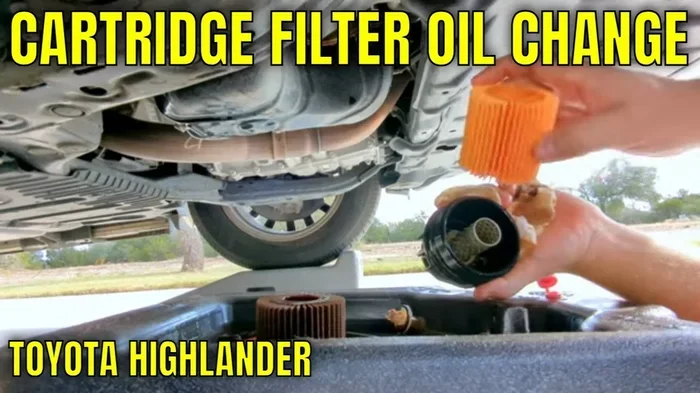
Every time you change your oil, the oil filter should be replaced too. The filter catches contaminants and prevents them from circulating through your engine. A clogged filter defeats the purpose of fresh oil and can lead to premature engine wear.
Ignoring the Oil Life Monitor
Some owners reset the oil life monitor without actually getting the oil changed. This is a bad habit. The monitor is a helpful tool, but it does not replace the physical act of draining old oil and adding new oil. Always follow through with the actual service.
Expert Tips for Maximizing Your Toyota Highlander’s Engine Life
You have learned the basics. Now let us share some expert tips that go above and beyond the standard oil change advice. These small habits can make a big difference over the life of your Highlander.
Check Your Oil Monthly
Get into the habit of checking your oil level once a month. Pull out the dipstick, wipe it clean, reinsert it, and pull it out again. Look at both the level and the color. If the oil is low, top it off with the correct type. If it looks very dark or has a burnt smell, it is time for a change.
Keep a Maintenance Log
Write down every oil change, including the date, mileage, and type of oil used. This log helps you track your miles between oil changes and provides a record if you ever need to prove maintenance history. It is also helpful when selling your Highlander, as a well-documented maintenance record increases resale value.
Warm Up Your Engine Before Driving Hard
When you start your Highlander in the morning, give it a minute or two to warm up before hitting the road. Cold oil is thicker and does not flow as well. Letting it warm up allows it to circulate properly and protect all the engine components from the start.
Address Oil Leaks Immediately
If you notice oil spots under your parked Highlander or a drop in oil level between changes, get it checked right away. Even small leaks can lead to low oil levels, which causes increased friction and engine wear. Catching leaks early saves you from bigger problems later.
Follow the Severe Service Schedule If Needed
If your driving habits fall into the severe category, follow the severe service maintenance schedule. This means more frequent oil changes and other services. It might feel like you are spending more, but it is far cheaper than repairing a damaged engine.
How Toyota’s Oil Life System Works
Many newer Toyota Highlanders come with an advanced oil life monitoring system. This system is more sophisticated than a simple mileage counter. It actually monitors your driving patterns to determine when your oil needs replacing.
The system tracks factors like engine temperature, driving speed, idle time, and the number of short trips you take. Based on this data, it calculates the remaining life of your oil and displays a percentage on your dashboard. When the percentage drops to around 15 percent, the system will remind you that an oil change is coming up.
Some owners ask, does your car say when you need an oil change? The oil life monitoring system is essentially your car telling you exactly that. It takes the guesswork out of maintenance and helps ensure you never go too long between oil changes.
However, keep in mind that this system is a guide, not a replacement for regular visual inspections. Always check your oil manually and watch for any warning signs we discussed earlier. The system is a helpful tool, but your own awareness is your best defense against engine problems.
Final Thoughts on Toyota Highlander Oil Changes
So, how long can a Toyota Highlander go without an oil change? The answer is clear: do not push it too far. Stick to the recommended oil change interval for your specific model and driving conditions. Whether you use conventional or synthetic oil, regular changes are the single most important thing you can do to protect your engine.
A Toyota Highlander is a significant investment. It is a vehicle built for reliability and longevity. But even the best engines need proper care to reach their full potential. Timely oil changes are the foundation of that care. They keep your engine clean, cool, and well-lubricated mile after mile.
Make oil changes a non-negotiable part of your ownership routine. Set reminders on your phone, keep a maintenance log, and never ignore warning signs. Your Highlander will reward you with years of dependable service. And when the time comes to sell or trade in, a well-documented maintenance history will make your vehicle more valuable and attractive to buyers.
Take a few minutes today to check when your last oil change was. If you are approaching the recommended interval, schedule one soon. Your engine will thank you for it. A little maintenance now saves a lot of headaches later. That is a deal anyone can appreciate.
Frequently Asked Questions
How often should I change the oil in my Toyota Highlander?
Most Toyota Highlanders need an oil change every 5,000 to 10,000 miles. The exact interval depends on your model year, the type of oil you use, and your driving conditions. Check your owner’s manual for the specific recommendation for your vehicle.
Can I use synthetic oil in my Toyota Highlander?
Yes, synthetic oil is an excellent choice for the Toyota Highlander. It provides superior engine protection and can extend your oil change interval up to 10,000 miles. Just make sure the synthetic oil meets Toyota’s viscosity requirements listed in your owner’s manual.
What happens if I skip an oil change on my Toyota Highlander?
Skipping an oil change allows old oil to break down and lose its lubricating properties. This increases friction, causes engine wear, and can lead to sludge buildup. Over time, neglected oil changes can result in costly engine repairs or even engine failure.
Does the Toyota Highlander have an oil change reminder system?
Yes, most newer Toyota Highlanders come with an oil life monitoring system. This system tracks your driving habits and alerts you when it is time for an oil change. However, you should still manually check your oil level and condition regularly.
How long does a Toyota Highlander oil change take?
A standard Toyota Highlander oil change typically takes about 30 to 45 minutes at a dealership or service center. If you are doing it yourself, it may take a bit longer, especially if you are also replacing the oil filter and checking other fluids.
Is it better to get an oil change at a Toyota dealership or an independent shop?
Both options have their benefits. A Toyota dealership uses genuine Toyota parts and follows the manufacturer’s exact specifications, which is important for warranty coverage. Independent shops often offer lower prices and convenient locations. Choose whichever option fits your budget and comfort level best.