How Long Can a Toyota Highlander Go Without an Oil Change
A Toyota Highlander typically needs an oil change every 5,000 to 10,000 miles depending on your driving habits and the type of oil you use. The 2024 Toyota Highlander oil change interval can extend up to 10,000 miles when using synthetic oil and normal driving conditions. Ignoring this schedule can lead to engine damage, reduced fuel efficiency, and costly repairs. Always check your owner’s manual and pay attention to your vehicle’s maintenance reminder system.
This is a comprehensive guide about How Long Can a Toyota Highlander Go Without an Oil Change?.
Key Takeaways
- Standard Interval: Most Toyota Highlanders need an oil change every 5,000 to 10,000 miles based on driving conditions.
- Synthetic Oil Matters: Using full synthetic oil can extend your oil change interval up to 10,000 miles safely.
- Oil Life System: Your Highlander has a built-in oil life monitor that tracks driving conditions and tells you when service is needed.
- Severe Driving Shortens Intervals: Stop-and-go traffic, towing, and extreme temperatures require more frequent oil changes.
- Reset After Service: Always reset your maintenance light after an oil change to keep tracking accurately.
- Check the Manual: Your owner’s manual provides the exact oil change schedule for your specific Highlander model year.
- Engine Health: Regular oil changes are the cheapest way to protect your engine and avoid expensive repairs.
[FEATURED_IMAGE_PLACEHOLDER]
How Long Can a Toyota Highlander Go Without an Oil Change?
Every Toyota Highlander owner has asked this question at some point. Maybe you lost track of your mileage. Maybe life got busy and you forgot about your last service. Either way, you want to know the truth about Toyota Highlander oil change intervals and what happens if you push too far.
The short answer is that a Toyota Highlander can generally go between 5,000 and 10,000 miles without an oil change. But that range depends on several factors. These include the type of oil you use, how you drive, and what conditions you face on the road. Let us break this all down for you so you know exactly what your vehicle needs.
Toyota engineers design the Highlander to be a reliable and long-lasting SUV. But even the best engines need fresh oil to perform at their best. Oil lubricates moving parts, reduces friction, and keeps your engine cool. Over time, oil breaks down and loses its effectiveness. When that happens, your engine starts to wear faster. The key is knowing when to change it and not waiting too long.
Many modern Toyota Highlanders come with an oil life monitoring system. This smart feature tracks your driving habits and alerts you when it is time for service. However, not everyone trusts this system completely. Some drivers prefer to follow a strict mileage schedule. Both approaches work, and we will explore them in detail below.
Understanding Toyota Highlander Oil Change Intervals
Toyota provides specific guidelines for oil change intervals in the owner’s manual. These recommendations are based on extensive testing and real-world driving data. Understanding what they mean can save you money and protect your engine.
Normal vs. Severe Driving Conditions
Toyota classifies driving conditions into two categories: normal and severe. This distinction matters a lot when you are deciding how often to change your oil.
Normal driving conditions include:
- Highway driving at steady speeds
- Moderate temperatures
- Light loads
- No towing or hauling
- Smooth roads with few stops
Severe driving conditions include:
- Stop-and-go city traffic
- Extreme hot or cold weather
- Frequent short trips under 5 miles
- Towing a trailer or heavy loads
- Driving on dusty or unpaved roads
- Idling for long periods
If you fall into the severe driving category, you should shorten your oil change interval. Most experts recommend changing oil every 5,000 miles under these conditions. Normal drivers can often stretch to 7,500 or even 10,000 miles with synthetic oil.
Oil Type and Its Impact on Change Intervals
The type of oil you put in your Toyota Highlander plays a huge role in how long it lasts. Here is a quick comparison:
- Conventional Oil: Lasts about 3,000 to 5,000 miles. This is the basic, affordable option. It works well for older models or drivers with severe conditions.
- Synthetic Blend Oil: Lasts about 5,000 to 7,500 miles. This is a middle-ground choice that offers better protection than conventional oil.
- Full Synthetic Oil: Lasts up to 7,500 to 10,000 miles. This is the best option for most modern Toyota Highlanders. It provides superior engine protection and performance.
Toyota recommends using Toyota Genuine Motor Oil or an equivalent quality oil that meets their specifications. Always check the viscosity grade recommended for your specific model year. Most newer Highlanders use 0W-20 oil, which helps improve fuel efficiency.
Signs Your Toyota Highlander Needs an Oil Change
Even with a maintenance schedule, your vehicle will give you warning signs. Paying attention to these signals can prevent serious engine problems. Here are the most common signs that your Highlander is due for an oil change.
Oil Change Warning Light
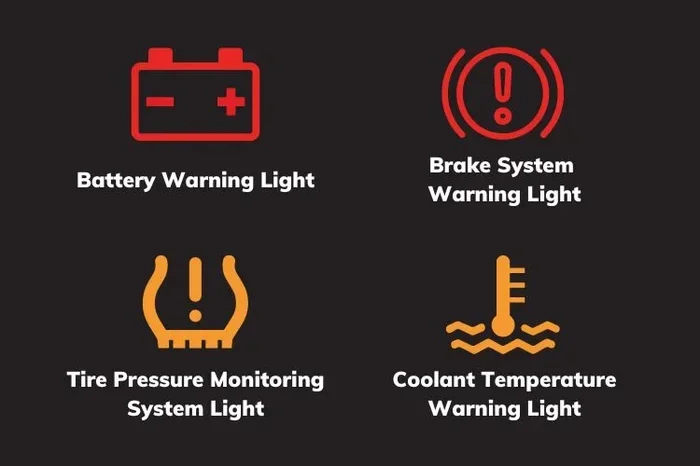
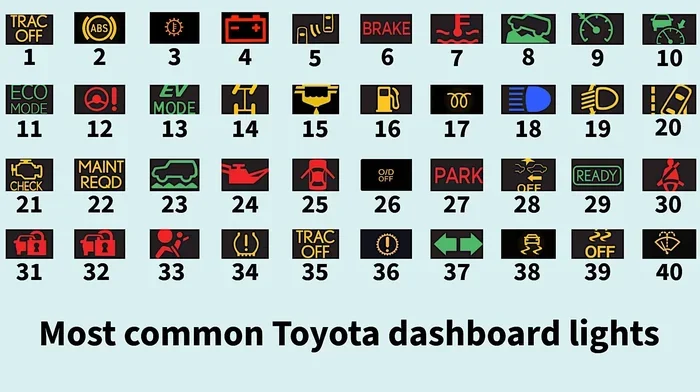
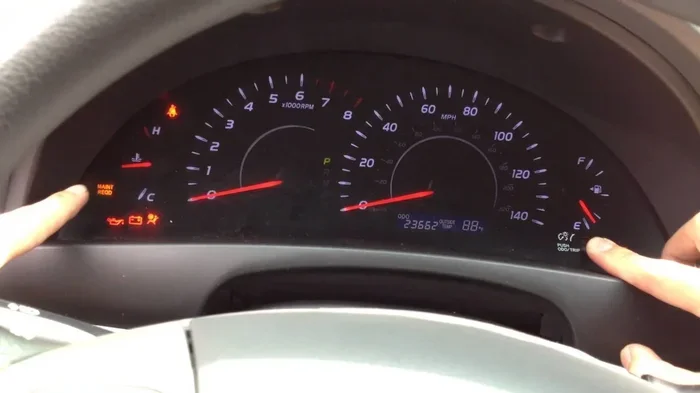
Most Toyota Highlanders have a dashboard warning light shaped like an oil can. This light illuminates when the oil life system detects that the oil needs replacement. Some models also display a maintenance required message on the instrument cluster. Do not ignore this light. It means your vehicle has determined that the oil quality has degraded.
Dark or Dirty Oil
You can check your oil level and condition using the dipstick. Fresh oil is amber or golden in color. As it ages, it turns dark brown or black. If your oil looks very dark and gritty, it is definitely time for a change. Clean oil should feel smooth between your fingers. Dirty oil may feel gritty or rough.
Unusual Engine Noises
Oil reduces friction between engine components. When oil gets old, it loses its ability to lubricate properly. You might hear knocking, ticking, or rumbling sounds from the engine. These noises mean metal parts are grinding against each other without proper protection. This is a serious warning sign that should not be ignored.
Decreased Fuel Efficiency
Old, dirty oil creates more friction inside the engine. This means your engine has to work harder to perform the same tasks. As a result, you burn more fuel and spend more money at the pump. If you notice your fuel economy dropping, an oil change might be the simple fix you need.
Burning Oil Smell
A burning smell inside your vehicle is never a good sign. It could mean your oil level is low or that old oil is overheating. Pull over safely and check your oil level immediately. Continuing to drive with low oil can cause catastrophic engine damage.
What Happens If You Skip Oil Changes?
It is tempting to push the limits, especially when your Highlander seems to run fine. But skipping oil changes has real consequences. Here is what can happen if you go too long without changing your oil.
Engine Wear and Tear
Oil acts as a protective barrier between moving engine parts. Without fresh oil, metal surfaces grind against each other. Over time, this causes excessive wear on critical components like pistons, crankshafts, and camshafts. Once these parts wear down, repairs become very expensive.
Engine Overheating
Oil helps regulate engine temperature by absorbing and dissipating heat. Old oil loses its ability to do this effectively. Your engine can overheat, leading to warped parts, blown gaskets, or even a cracked engine block. How long can a car overheat before damage occurs? Even short periods of overheating can cause permanent harm.
Sludge Build-Up
When oil breaks down completely, it forms sludge. This thick, dark substance clogs oil passages and restricts flow. Sludge build-up starves your engine of lubrication and can cause complete engine failure. Cleaning sludge out of an engine is a costly and time-consuming repair.
Reduced Engine Lifespan
Consistently skipping oil changes shortens the overall life of your engine. A well-maintained Toyota Highlander can last 300,000 miles or more. But an engine that never gets proper oil changes might fail at 150,000 miles. The difference is entirely in maintenance habits.
How to Reset Your Toyota Highlander Maintenance Light
After you get your oil changed, you should reset the maintenance required light. This ensures your oil life system starts tracking from zero again. The process is simple and takes just a few minutes.
First, turn the ignition to the “ON” position without starting the engine. Next, press the trip meter reset button until you see the maintenance indicator. Then, hold the reset button for about 10 seconds until the light blinks and then turns off. Finally, turn the ignition off and then back on to confirm the reset worked.
If you are unsure about the process for your specific model year, you can always consult your owner’s manual. You may also visit your Toyota dealer for assistance. Some drivers also search for how to reset their maintenance light as a common DIY task.
Toyota Highlander Oil Change Cost and DIY Tips
One of the great things about owning a Toyota Highlander is that oil changes are relatively affordable. The average cost ranges from $65 to $125 depending on the type of oil used and where you get the service done.
DIY Oil Change: If you are handy and enjoy working on your vehicle, you can change the oil yourself. You will need the correct oil, a new oil filter, a drain pan, and basic tools. This can save you $30 to $50 compared to a professional service. Always dispose of old oil properly at a recycling center.
Dealership Service: Getting your oil changed at a Toyota dealership ensures genuine parts and proper service records. This is especially important if your vehicle is still under warranty. You can also get your Lexus oil change at Toyota if you own a Lexus and want a trusted alternative.
Independent Shop: Many independent auto shops offer competitive pricing for oil changes. Look for shops with certified technicians and good reviews. This is often the best balance of cost and quality.
Common Mistakes to Avoid with Toyota Highlander Oil Changes
Even well-meaning owners sometimes make mistakes when it comes to oil changes. Here are the most common ones to avoid.
- Waiting Too Long: Pushing past the recommended interval to save money is a false economy. The cost of an oil change is nothing compared to an engine rebuild.
- Using the Wrong Oil: Always use the oil type and viscosity recommended by Toyota. Using the wrong oil can void your warranty and reduce engine protection.
- Forgetting to Replace the Oil Filter: The oil filter catches contaminants and debris. A clogged filter can restrict oil flow and cause engine damage. Always replace the filter with every oil change.
- Ignoring the Oil Life System: Some drivers reset the light without actually changing the oil. This defeats the purpose of the monitoring system and puts your engine at risk.
- Checking Oil When the Engine Is Hot: Always check your oil level when the engine is cool or has been off for at least 10 minutes. Hot oil can give a false reading.
Expert Insights on Toyota Highlander Maintenance
Automotive experts consistently emphasize that regular oil changes are the single most important maintenance task for any vehicle. According to Toyota’s own recommendations, staying on top of your oil change schedule is the best way to ensure your Highlander lasts for hundreds of thousands of miles.
Many mechanics note that Toyota Highlanders are known for their durability and longevity. A well-maintained Highlander can easily surpass 250,000 miles. Some owners even report their Highlanders lasting 300,000 miles or more. But this level of longevity depends heavily on consistent maintenance, especially oil changes.
If you are wondering how many miles a car can last in general, the answer is that it depends on maintenance. A Toyota Highlander that gets regular oil changes is far more likely to reach the 300,000-mile mark than one that does not.
Experts also recommend keeping a maintenance log. Write down every oil change date, mileage, and oil type used. This record helps you track your service history and proves valuable if you ever sell the vehicle or need warranty service.
Frequently Asked Questions
How often should I change the oil in my Toyota Highlander?
Toyota recommends changing the oil in a Toyota Highlander every 5,000 to 10,000 miles for normal driving conditions. If you drive in severe conditions, you should change it every 5,000 miles. Always refer to your owner’s manual for the exact interval for your model year.
Can I go 15,000 miles without an oil change?
It is not recommended to go 15,000 miles without an oil change, even with synthetic oil. While some vehicles with advanced oil life systems might suggest longer intervals, going beyond 10,000 miles increases the risk of engine wear and sludge build-up.
What type of oil does a Toyota Highlander need?
Most modern Toyota Highlanders require 0W-20 full synthetic oil. However, older models may use different viscosity grades. Always check your owner’s manual or consult your Toyota dealer for the correct oil specification.
How do I know if my Toyota Highlander needs an oil change?
Your Highlander will display an oil change warning light or a maintenance required message on the dashboard. You may also notice dark or gritty oil on the dipstick, unusual engine noises, decreased fuel efficiency, or a burning oil smell.
Is it okay to change oil every 6 months instead of by mileage?
Yes, many mechanics recommend changing oil every 6 months as a time-based schedule, especially if you drive fewer miles. Oil degrades over time even if you do not drive many miles, so a time-based interval is a smart backup plan.
How much does a Toyota Highlander oil change cost?
A Toyota Highlander oil change typically costs between $65 and $125. The price varies based on the type of oil used, whether you change the filter, and where you get the service done. DIY oil changes are usually the most affordable option.
Final Thoughts
Taking care of your Toyota Highlander starts with something simple: regular oil changes. The question of how long a Toyota Highlander can go without an oil change has a clear answer. Stick to the recommended intervals, use the right oil, and pay attention to your vehicle’s warning signs. Your Highlander will reward you with years of reliable performance and excellent fuel economy.
Remember that every mile you drive is an investment in your vehicle’s future. Skipping an oil change might seem harmless in the moment, but it adds up over time. The small cost of an oil change today can prevent massive repair bills tomorrow. Your Highlander is built to last, and proper oil maintenance is the foundation of that longevity.
So the next time you wonder whether you can push another few hundred miles, think about what is at stake. Your engine is the heart of your vehicle. Give it the care it deserves, and it will keep running strong for years to come. Stay on top of your Toyota Highlander oil change schedule, and you will enjoy every mile on the road ahead.
Frequently Asked Questions
What is How Long Can a Toyota Highlander Go Without an Oil Change??
How Long Can a Toyota Highlander Go Without an Oil Change? is an important topic with many practical applications.